A viral video and the unexplained absence of Iran’s new Supreme Leader from his father’s funeral have intensified questions about...
Read More
International-News
Immigration and Customs Enforcement under Trump: the rise of Greg Bovino
Minneapolis highlights the federal agency’s national authority and urban operations
The Minneapolis conflict has cast a spotlight on a federal agency often mentioned but little understood in its inner workings. Immigration and Customs Enforcement under Trump, led by Greg Bovino, became a key instrument of the administration’s immigration policies, operating under intense operational, media, and public pressures.
ICE, a federal law enforcement agency under the Department of Homeland Security, was formally established on March 1, 2003, as a direct response to the September 11, 2001 attacks and the broader reorganization of U.S. security mandated by the Homeland Security Act. Prior to this, its functions were part of the former Immigration and Naturalization Service (INS). The post-9/11 reforms redistributed responsibilities: border control moved to the Border Patrol within Customs and Border Protection, administrative immigration management to USCIS, and ICE became the internal operational arm tackling irregular migration.
Unlike the Border Patrol, which mainly operates along the borders and within a 100-mile zone, ICE has nationwide jurisdiction. Agents can operate in cities, neighborhoods, workplaces, schools, and hospitals, tasked with identifying, arresting, detaining, and deporting foreign nationals already present in the United States.
This jurisdictional authority explains why, during his second term, Donald Trump made ICE the central tool in his political campaign against illegal immigration. The campaign promised the largest deportation operation in U.S. history, targeting sanctuary cities—municipalities mostly run by Democratic administrations that limit cooperation with federal immigration authorities.
ICE proved ideal for this mission. It does not report to mayors or governors, is independent of local police, and has no internal geographic limits. By strengthening its two operational branches—the Enforcement and Removal Operations (ERO) for arrests and deportations, and Homeland Security Investigations (HSI) for complex investigations—the White House effectively created a federal police force capable of projecting executive power into politically opposed regions.
Minneapolis, a Democratic stronghold historically classified as a sanctuary city, became a natural target, both operationally and symbolically. While Washington shaped policy with figures like Tom Homan, the “border czar,” and advisor Stephen Miller, the operational face of the effort was Italian-American Gregory “Greg” Bovino. A Border Patrol veteran, Bovino recently emerged as the main operational commander for large urban operations in Los Angeles, Chicago, and Minneapolis.
Bovino’s rise is notable: coming from the Border Patrol rather than ICE’s traditional ranks, he was promoted to lead high-intensity internal missions. This reflects the administration’s intent to militarize the approach to irregular immigration. Secretary of Homeland Security Kristi Noem designated him a “commander at large,” a non-statutory role that allowed him to operate outside the traditional chain of command, report directly to political leadership, and participate in ICE’s restructuring alongside figures such as Corey Lewandowski, former Trump campaign chief.
Bovino is associated with the “turn and burn” operational doctrine: fast, highly visible actions with heavy tactical deployments and arrests executed before local communities can organize legal resistance. His public communication is direct, aggressive, and intentionally polarizing, framing irregular immigration not as an administrative issue but as a national security threat to be neutralized.
His military-style green coat, reminiscent of mid-20th century uniforms, has made him a constant media target and a symbol of ICE’s new phase. One major point of tension involves the training of ICE agents for urban operations. Local police chiefs and unions have voiced concerns over a structural training gap. City officers undergo months of instruction on de-escalation, psychiatric crisis management, community interaction, and mediation in crowded settings. Many ICE agents, rapidly recruited to meet Trump’s expansion goals (12,000 new hires in a year), receive shorter training focused primarily on arrest tactics, weapons use, and perimeter control—around eight weeks instead of the previous 20.
Critics argue that deploying these agents in densely populated neighborhoods with families, children, and protesters creates dangerous situations. The use of pepper spray, tear gas, and “less-lethal” ammunition in residential areas can provoke chaos and tension, leaving local police to restore public order.
ICE agents also face intense psychological pressure. Operations unfold under constant scrutiny: agents are followed, filmed, identified, and every action is broadcast live on social media. Activist groups monitor movements and sometimes release personal information to intimidate or expose agents. In this environment, deaths such as Nicole Renee Good and Alex Pretti—who was filming an ICE operation—have occurred.
Federal unions report double pressure: Washington imposes high arrest targets, while agents face hostile environments, insults, cameras, and the fear that a single action could go viral or trigger legal scrutiny. This cycle heightens tension, leading to potential overreactions, judgment errors, and disproportionate use of force. As ICE becomes increasingly politicized, each operation transforms into a public confrontation, blurring the line between enforcement and urban conflict.
THE LATEST NEWS
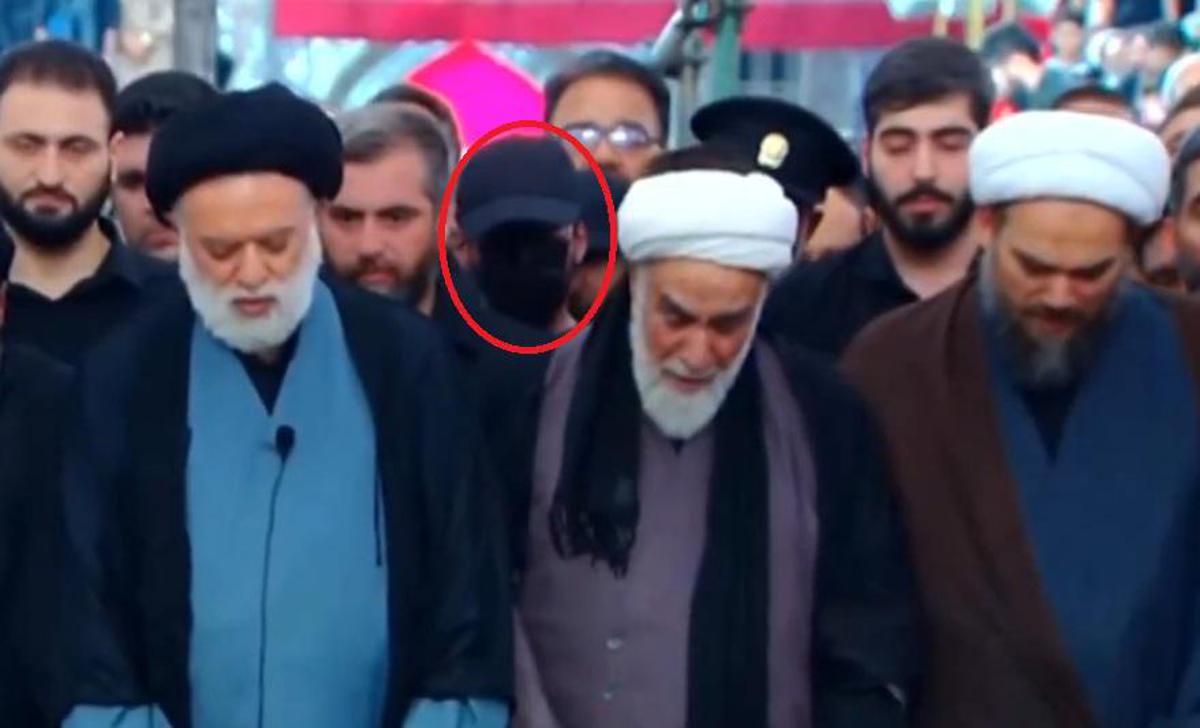
US Launches New Military Strikes on Iran in Strait of Hormuz Escalation
8 Luglio 2026
The United States military has initiated a fresh wave of operations against Iranian coastal targets to protect strategic shipping lanes....
Read More
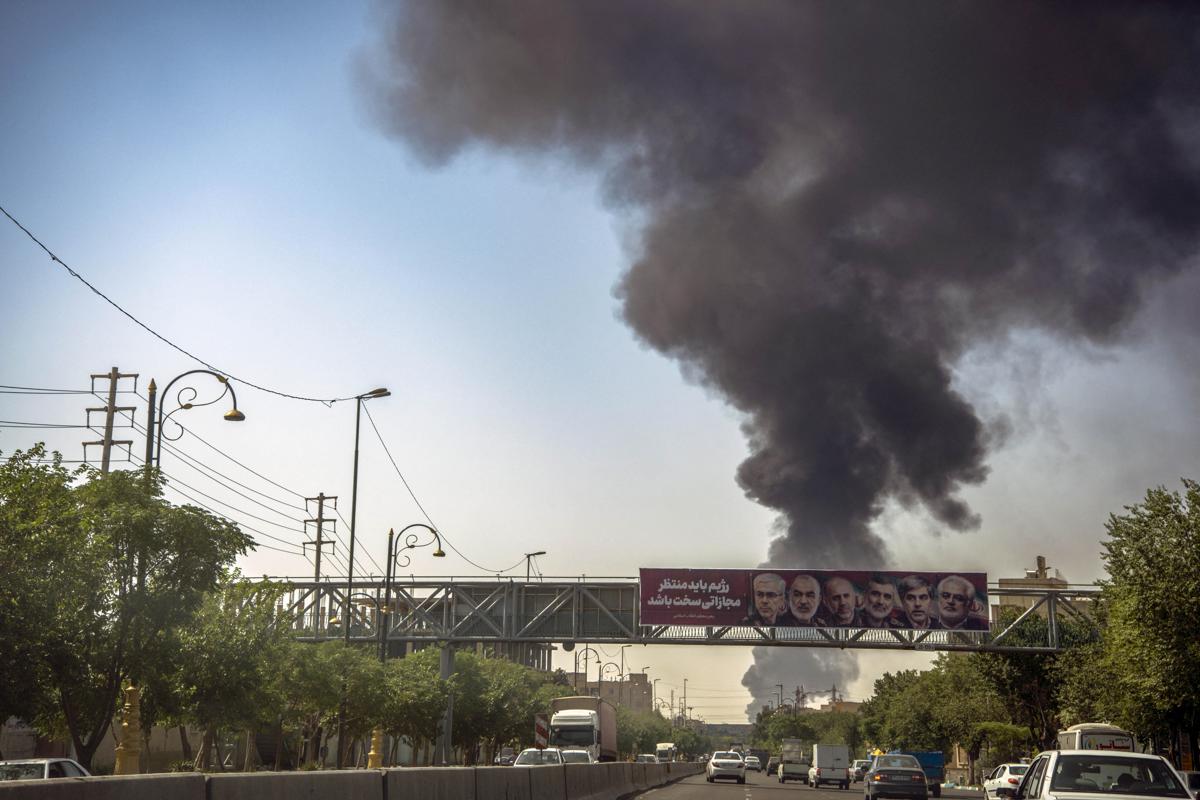
Trump: “Ukraine should produce the Patriots itself”
8 Luglio 2026
Summit in Ankara with Zelensky: the US ready to transfer missile know-how. Russian air strikes on the Ukrainian capital: deaths...
Read More
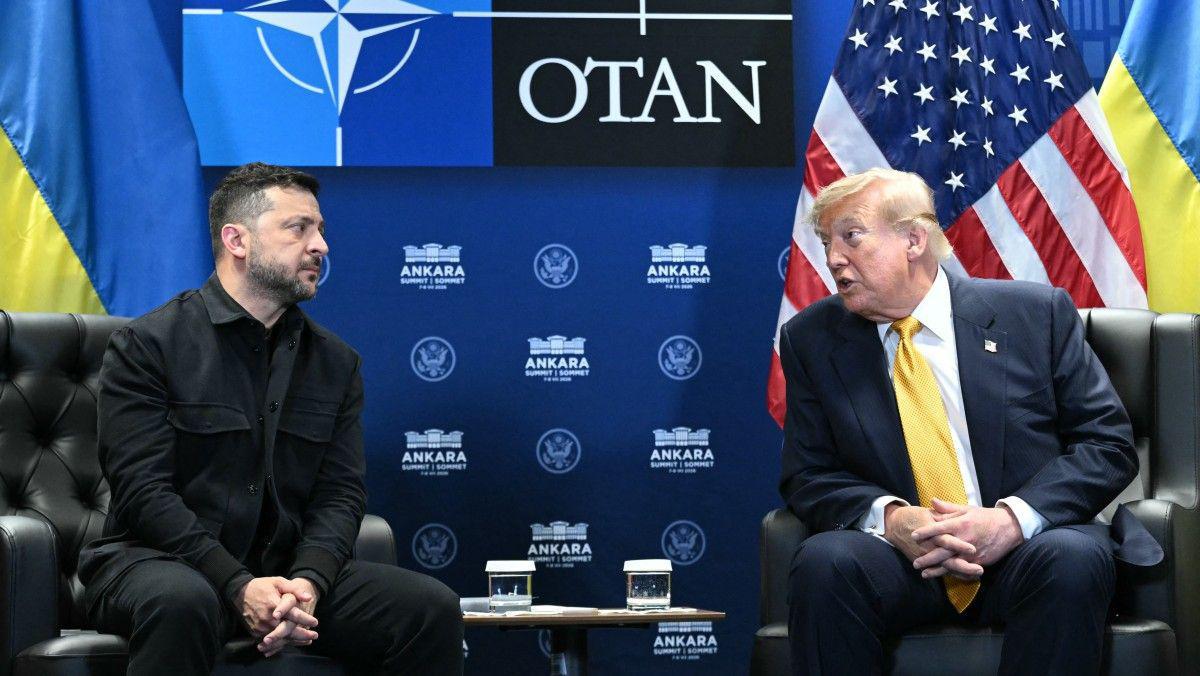
Trump’s tough talk on Iran: “We could wipe them out, but it’s not worth it”
4 Luglio 2026
The US president attacks Tehran but holds back on the use of force: “We need them for negotiations”. Talks temporarily...
Read More
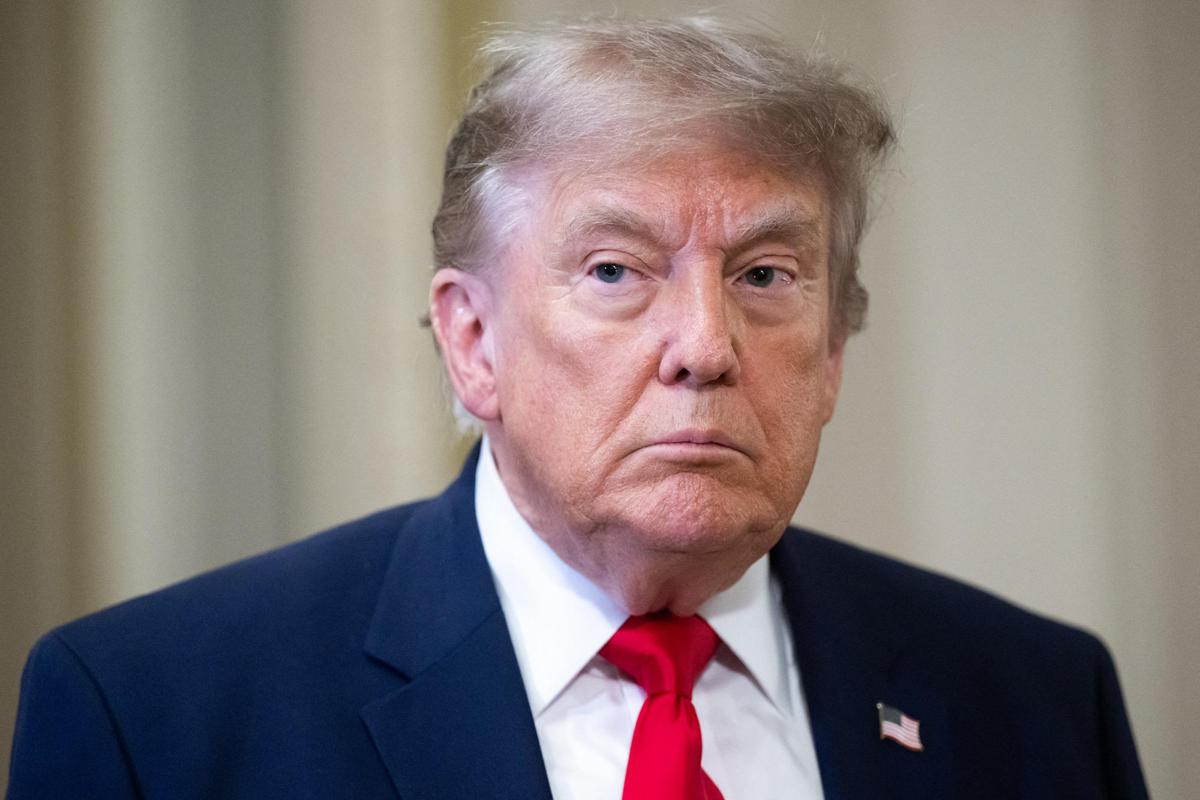
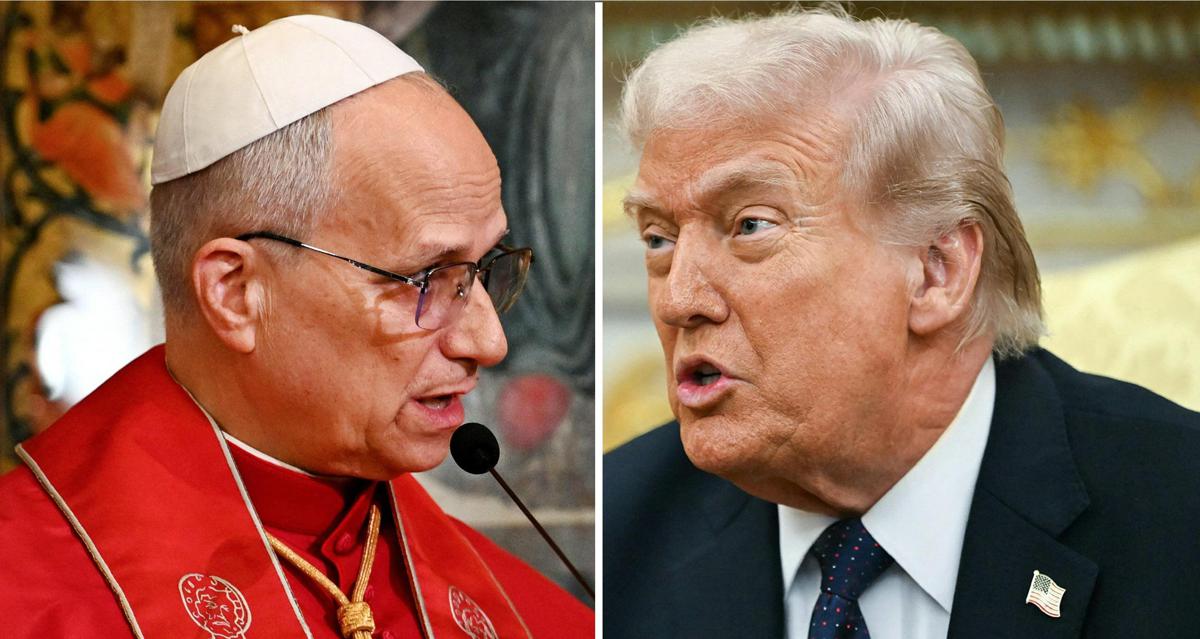
Pope Leo XIV responds to Trump: immigrants shaped the future of the United States
3 Luglio 2026
On the eve of his trip to Lampedusa, the Pope invokes America’s founding ideals and defends the role of immigration...
Read More
US warns of possible Russian provocation to test NATO resolve
3 Luglio 2026
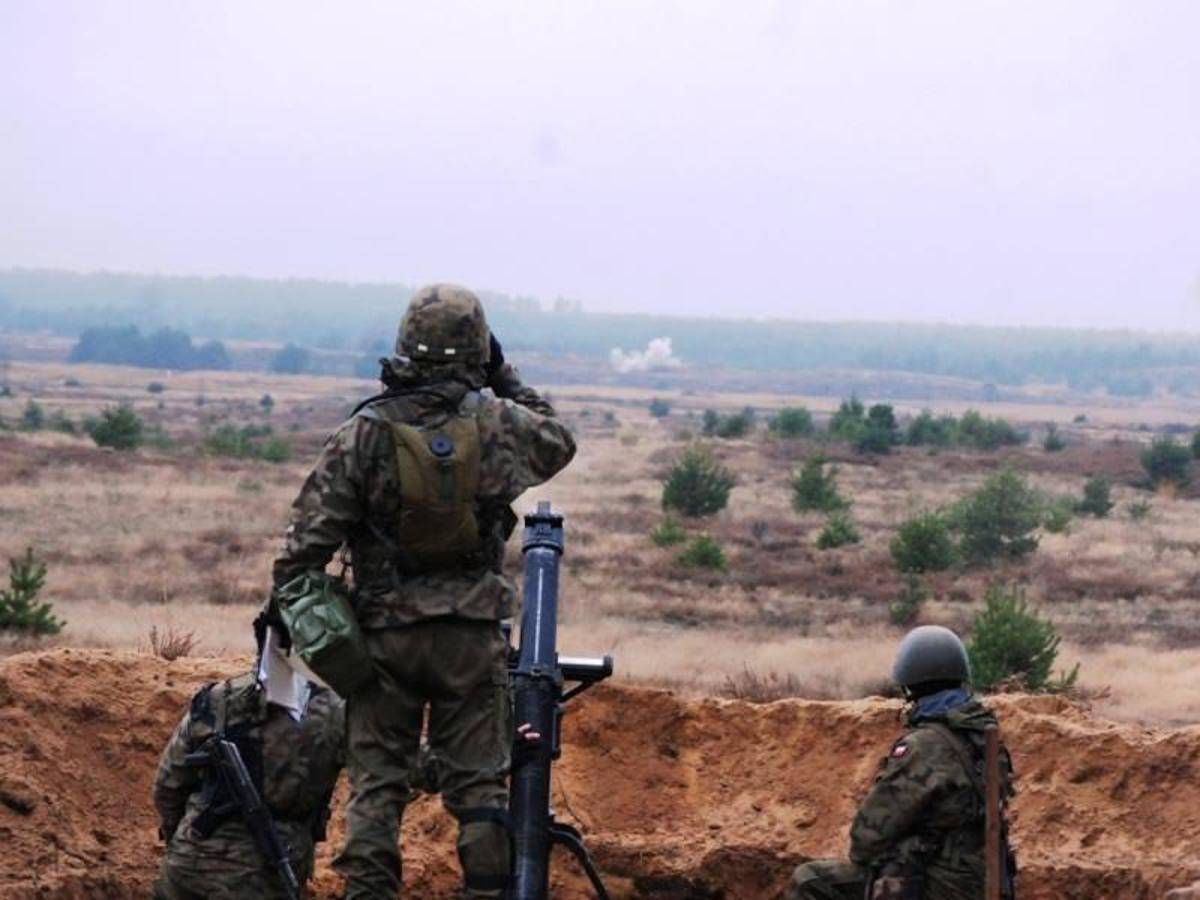
Washington alerts Poland to scenarios involving limited strikes, hybrid operations, or controlled incursions designed to probe the Alliance’s response The...
Read More
(Source and photo: © AndKronos)