Flight-tracking data showed Russian government aircraft circling over the capital and diverting to St. Petersburg as airport operations were suspended...
Read More
International-News
Mojtaba Khamenei absence fuels Iran leadership speculation
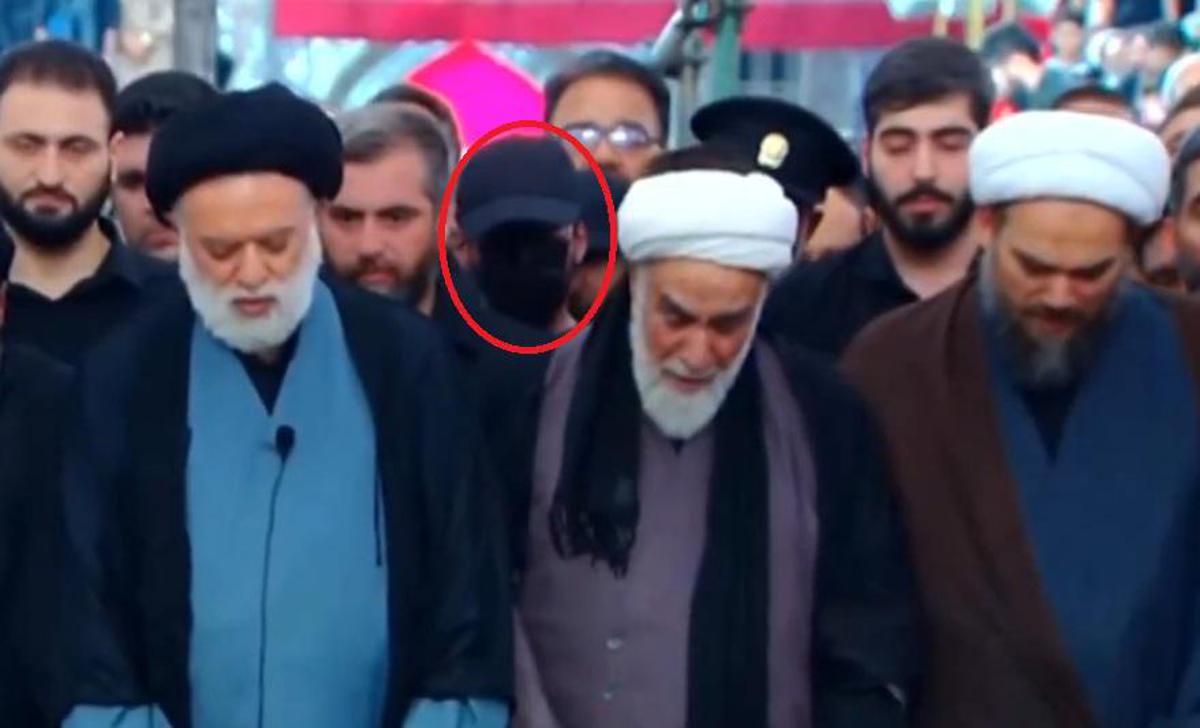
A viral video and the unexplained absence of Iran’s new Supreme Leader from his father’s funeral have intensified questions about his condition and political standing
Speculation over Iran’s leadership has intensified as Mojtaba Khamenei’s absence fuels Iran leadership speculation, following his failure to appear at the funeral of his father, Ali Khamenei, and the spread of a viral video misidentifying a figure at the مراسم.
In recent days, social media has circulated footage showing a man with a partially obscured face standing among a small group during the funeral ceremonies. The grainy video quickly went viral, prompting claims that the individual could be Mojtaba Khamenei, now widely regarded as Iran’s Supreme Leader. However, beyond attire similar to that worn by many Shiite clerics present at the مراسم, there was no clear evidence to support that identification.
The speculation was later addressed by Reza Mousavi Vaez, an Iranian cleric, who stated on social media that he was the man seen in the video. According to reporting cited by CNN, the episode itself highlights a broader dynamic: attention among some observers appeared to shift away from the solemn مراسم honoring one of the most influential figures in the Islamic Republic’s 47-year history, focusing instead on signs of Mojtaba’s presence.
Ali Khamenei, who led Iran for nearly 37 years, died at the age of 86 in a February 28 Israeli-American raid. Over six days, millions took part in ceremonies culminating in his burial in the holy city of Mashhad, attended by senior political figures. Among those present were Parliament Speaker Mohammad Bagher Ghalibaf, judiciary chief Gholamhossein Mohseni Ejei, and Mostafa Khamenei, the elder son of Ali. Mojtaba Khamenei, however, was notably absent.
His absence has triggered questions not only about his health but also about the nature of his leadership. Appointed shortly after his father’s death, Mojtaba has yet to make a public appearance or issue any formal statement. Among the circulating hypotheses is that he may have been seriously injured, or even disfigured, in the same raid that killed his father.
Analysts suggest that Mojtaba Khamenei could represent a departure from the leadership style of both his father and Ruhollah Khomeini, the founder of the Islamic Republic. Observers point to indications that the new Supreme Leader may grant greater influence to the Islamic Revolutionary Guard Corps.
Farzan Sabet, a researcher at the Graduate Institute in Geneva, noted that Mojtaba’s limited public visibility and absence from the funeral could damage his image, although he cautioned it may be a temporary condition. He suggested the absence could be linked to injuries making him unpresentable in public, as well as security concerns that a public appearance might expose him to surveillance or potential attacks. Sabet also warned of a possible power struggle between Mojtaba Khamenei and Ghalibaf, who has gained prominence amid the ongoing conflict.
Jason Brodsky, of the Washington-based think tank United Against Nuclear Iran, argued that Mojtaba’s reliance on the Revolutionary Guards to secure his position could leave him more dependent on them. He noted a shift in the balance of power between the Supreme Leader’s office and the Guards, describing Mojtaba as a potentially weaker figure than his father, who required years to consolidate authority after his appointment in 1989.
Alex Vatanka, a senior fellow at the Middle East Institute, emphasized that Mojtaba lacks both the charisma of Khomeini and the established authority of Ali Khamenei. He pointed out that the rejection of hereditary succession was a driving force behind the 1979 revolution that overthrew the Shah, suggesting Mojtaba may need to govern more through institutional structures than personal authority.
THE LATEST NEWS
Christa Pike Returns to Prison After Surviving Execution Attempt
10 October 2026
Christa Pike returns to prison after surviving a lethal injection attempt, leaving Tennessee officials facing unprecedented uncertainty over whether her...
Read More

Erie Shooting Leaves Eight Dead, Including Two Children, in Pennsylvania
10 October 2026
Authorities in northwestern Pennsylvania are investigating a mass killing that left eight people dead, including two children, after a gunman...
Read More

Hurricane Isaias Strengthens as Gulf Coast Braces for Landfall
9 October 2026
Evacuation orders are in effect in parts of the Southeast, with storm surge, torrential rain and possible tornadoes threatening coastal...
Read More
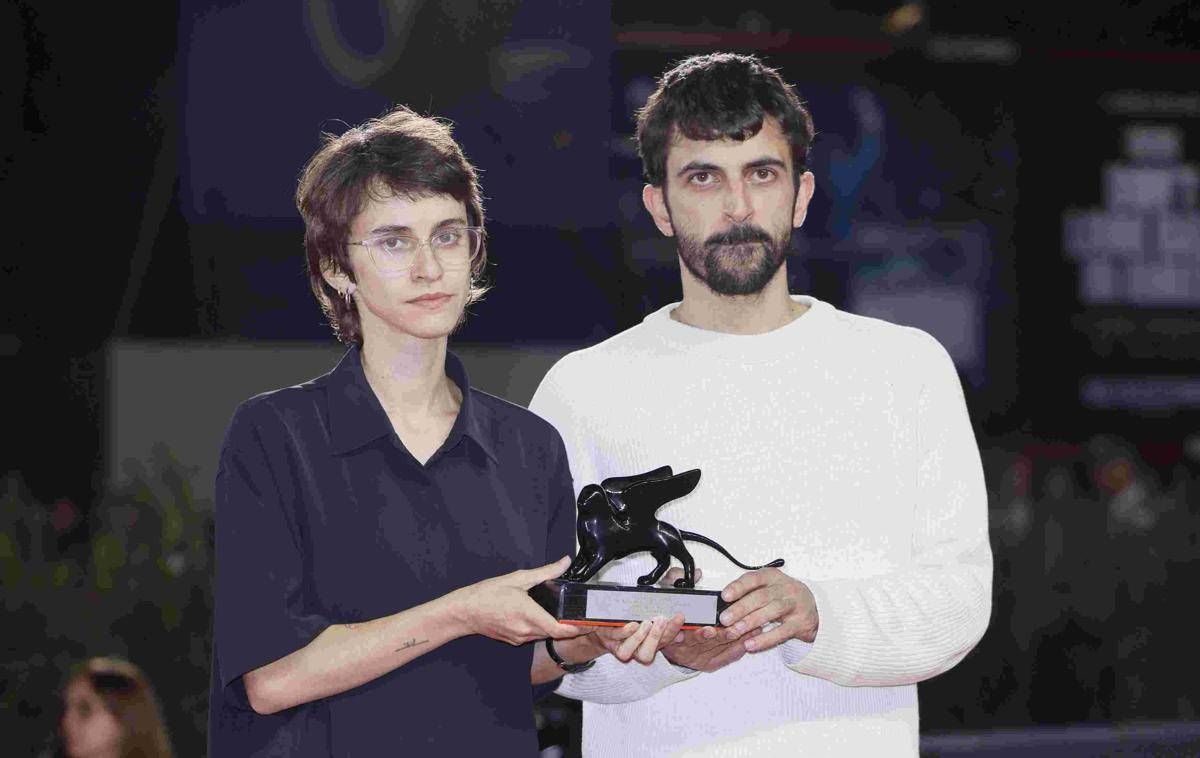
Naza: How a Gaza War Documentary Became a Global Political Flashpoint
9 October 2026
The documentary has grossed nearly €4 million in Italy, drawing fierce criticism from Netanyahu’s government and renewed scrutiny of the...
Read More
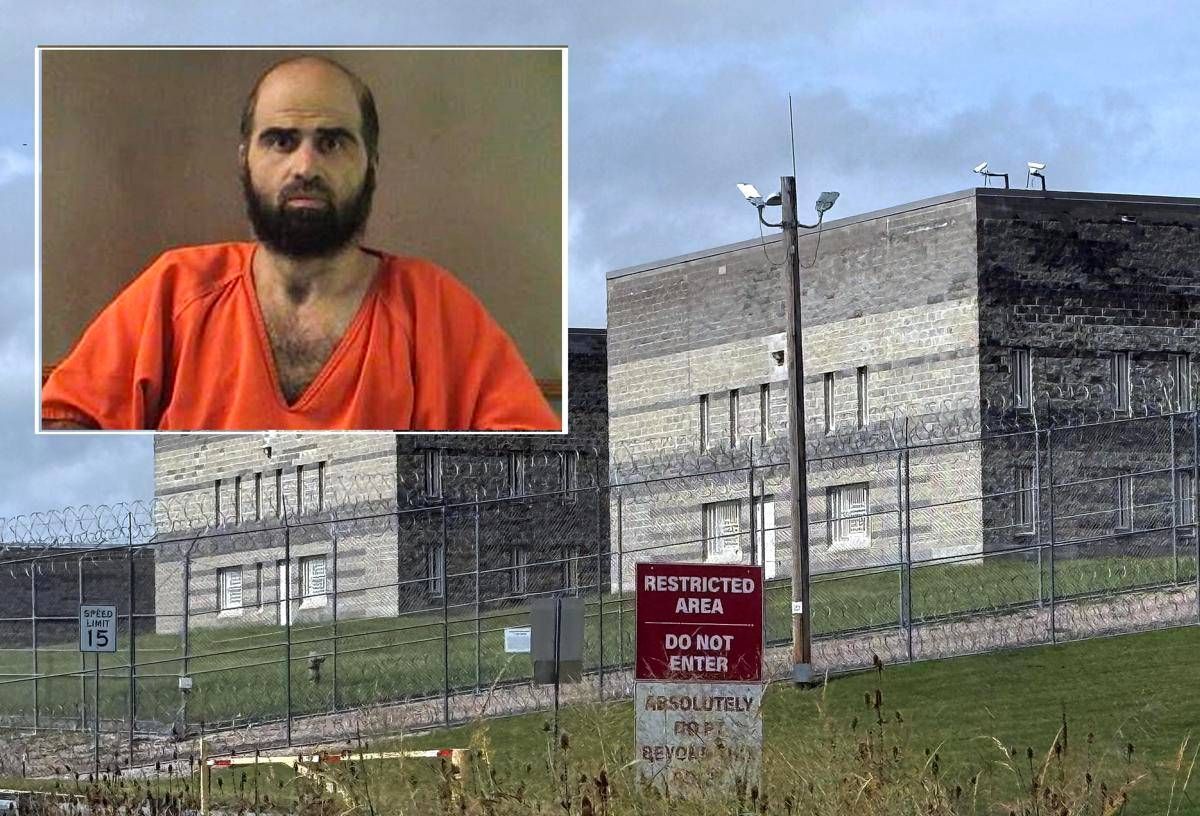
U.S. to Broadcast Nidal Hasan’s Firing-Squad Execution Live
9 October 2026
The Fort Hood mass shooter is scheduled to be executed on December 3. Defense Secretary Pete Hegseth says the public...
Read More
(Photo: © AndKronos)