
International-News
US Launches New Military Strikes on Iran in Strait of Hormuz Escalation
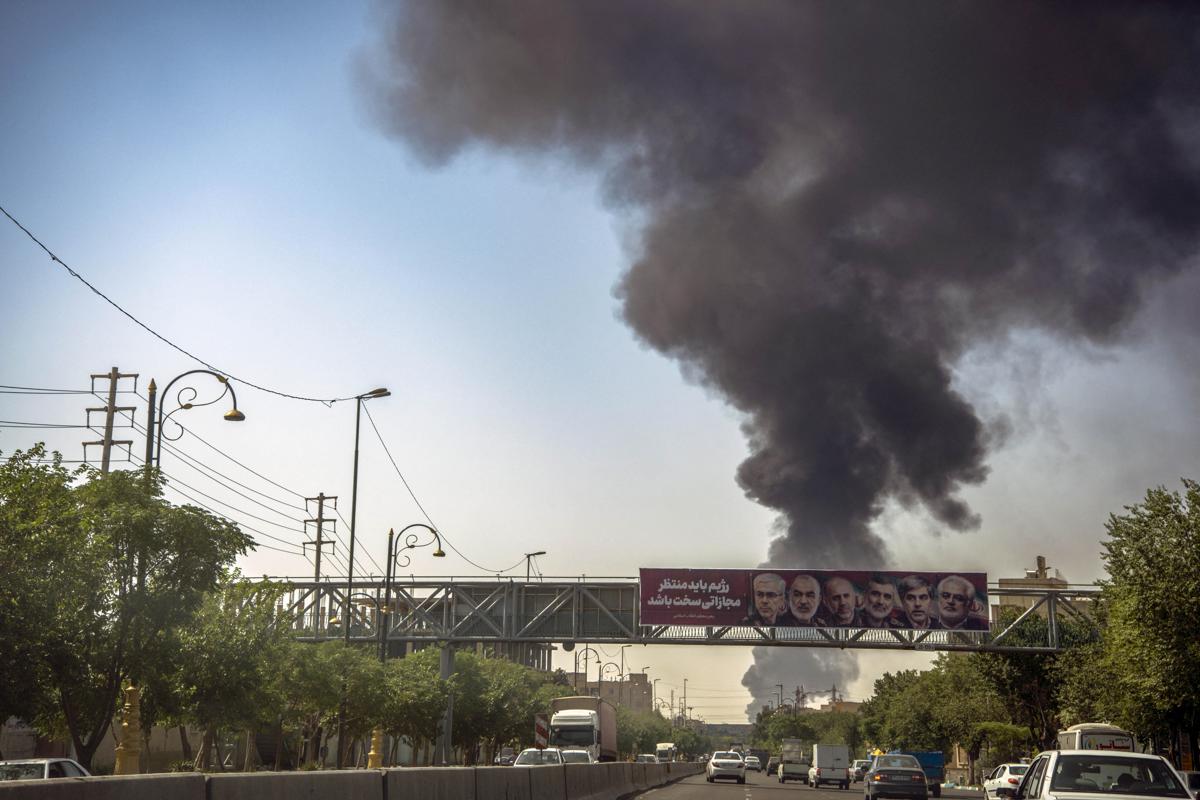
The United States military has initiated a fresh wave of operations against Iranian coastal targets to protect strategic shipping lanes. The strikes follow statements from Ankara where the American administration signaled an end to the brief truce with Tehran
The United States Central Command has executed a series of targeted military strikes against Iranian infrastructure along the Persian Gulf, escalating a volatile standoff in one of the world’s most critical energy corridors. Authorized directly by the administration, the operations began on July 8, aiming to degrade capabilities that Washington asserts threaten commercial shipping and civilian crews in the Strait of Hormuz.
Reports from the region indicate widespread explosions near major Iranian coastal installations. Local networks, including the Fars and Mehr news agencies, confirmed that air defense systems were activated to intercept hostile targets near the strategic port cities of Bandar Abbas, Sirik, Konarak, and Chabahar. The physical toll and structural damage from the precision strikes remain under assessment by international monitors.
This latest round of aerial warfare follows a preliminary bombardment conducted late in the evening of July 7. The rapid succession of attacks marks a definitive collapse of recent diplomatic understandings between Washington and Tehran, pushing the geopolitical friction to its highest point in months.
The military campaign was foreshadowed during the NATO summit in Ankara, where the US leadership explicitly warned of imminent action. Official statements underscored total skepticism toward the Iranian government, characterizing any potential diplomatic breakthrough as unlikely and declaring that the United States was fully prepared to bypass negotiations entirely.
The strategic rationale presented by American defense officials centers on a pattern of maritime aggression attributed to Iran. Intelligence reports allege multiple operations targeting international oil tankers and merchant vessels transiting the narrow choke point. In response, Washington has openly discussed the implementation of a selective naval blockade designed specifically to isolate Iranian military assets and protect global energy supply chains.
Despite the heavy deployment of force, the administration has noted that backchannel communication efforts managed by specialized envoys remain theoretically open. However, current policy indicates that further discussions are viewed as a low priority, given the official stance that the Iranian leadership remains fundamentally unreliable.
The international community is monitoring the Strait of Hormuz closely as energy markets react to the risk of a wider regional conflict.
THE LATEST NEWS
[recent_post_slider design=”design-07″ show_author=”false” slider_height=”390″ lazyload=”progressive” limit=”6″ category=”11728″]
(Photo: © AndKronos)

UPDATE Ukraine Confirms Oleshky Ceasefire as Humanitarian Corridor Set to Open in Russian-Occupied Town
Kyiv formally backs the localized truce announced by the White House, paving the way for civilian evacuations and aid deliveries...

AGGIORNAMENTO Ucraina, accordo per il cessate il fuoco a Oleshky: c’è la conferma di Kiev
La tregua è prevista dal 27 ottobre nella cittadina sulla riva sinistra del Dnipro, di fronte a Kherson, a soli...


Eni proroga il price cap, ma il gasolio è aumentato di 65 centesimi da febbraio
Il tetto resta fissato a 2,25 euro al litro per il diesel e a 1,99 euro per la benzina. La...
F1 Austin, orari e dove vedere le qualifiche Sprint in tv
Venerdì 23 ottobre la Formula 1 torna in pista negli Stati Uniti: appuntamento alle 23 per decidere la griglia della...


Omicidio a Vergiate, 53enne uccide la compagna e si costituisce
La donna, 36 anni e originaria della Colombia, è stata trovata morta nella camera da letto a Vergiate. L’uomo si...

“Putin Can Kill Anyone”: Pussy Riot’s Warning to Europe
In an interview with Adnkronos ahead of the Italian return of Riot Days, Pussy Riot members Masha Alyokhina, Eric Breitenbach,...

MotoGP Australia, orari e dove vedere qualifiche e Sprint in tv
Si corre a Phillip Island sabato 24 ottobre: in programma le qualifiche ufficiali e la gara che assegna i primi...


Terremoto nel Tirreno Meridionale, scossa di magnitudo 5 e allerta maremoto
Sono 25 gli eventi sismici registrati dalle 11. A Trapani evacuato in via precauzionale il Palazzo di giustizia Uno sciame...
Iran, Usa e Israele valutano nuovi raid dopo il 3 novembre
Le indiscrezioni del New York Times parlano di piani per una nuova campagna militare. Teheran avverte che la risposta potrebbe...
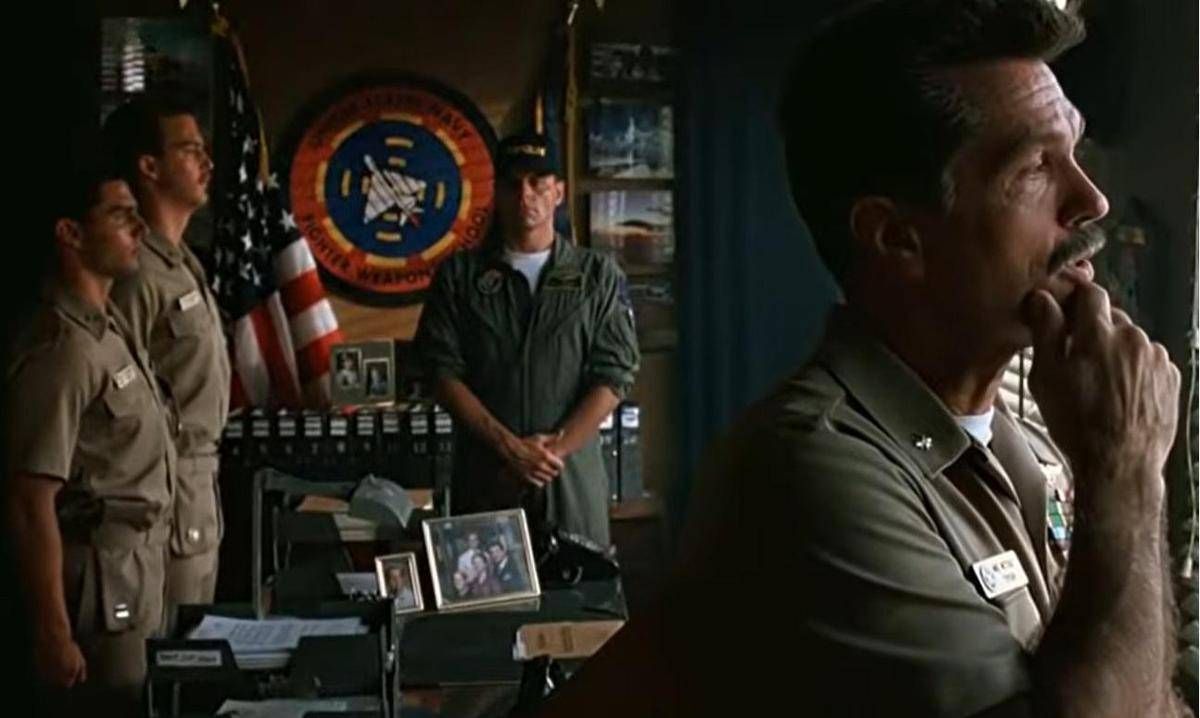
Tom Skerritt Dies at 93, Leaving a Legacy From Alien to Picket Fences
The Emmy-winning actor built one of Hollywood’s most durable careers, moving from landmark films to acclaimed television while remaining a...

Macron Accuses Far-Left Groups of Plotting to Overthrow Republic
After convening France’s security council and intelligence chiefs, the president linked Saturday’s violence to organized far-left groups and pledged tighter...

Judi Dench Says Vision Loss Has Ended Her Stage and Film Career
More than a decade after being diagnosed with age-related macular degeneration, the Oscar-winning actress says she can no longer perform,...
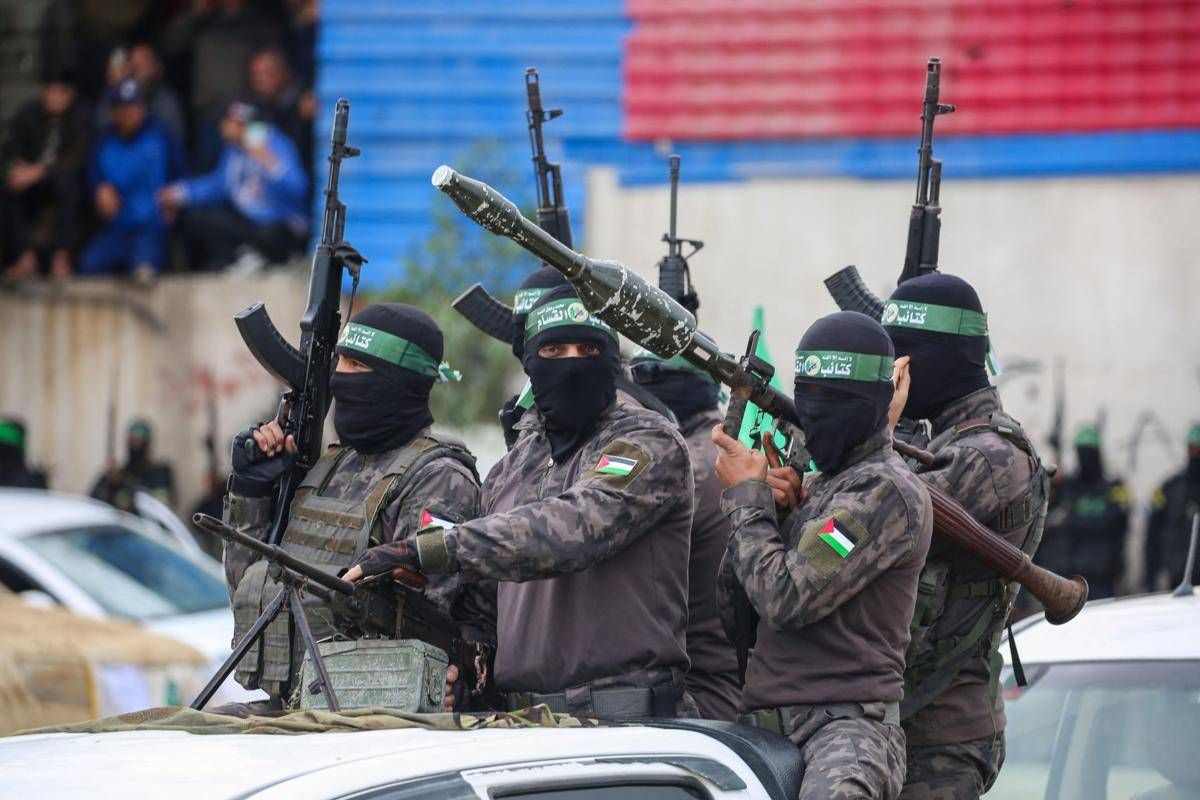
Hamas minaccia un nuovo 7 ottobre: «Possiamo colpire ovunque»
L’avvertimento sarebbe stato trasmesso a Israele attraverso il coordinatore umanitario dell’Onu Ramiz Alakbarov. Nel mirino, secondo il messaggio, anche Cisgiordania...


Sondaggio Emg, centrodestra al 44% e centrosinistra al 43,1%
Fratelli d’Italia resta il primo partito con il 26% dei consensi. La rilevazione per Linea Notte su Rai3 fotografa anche...
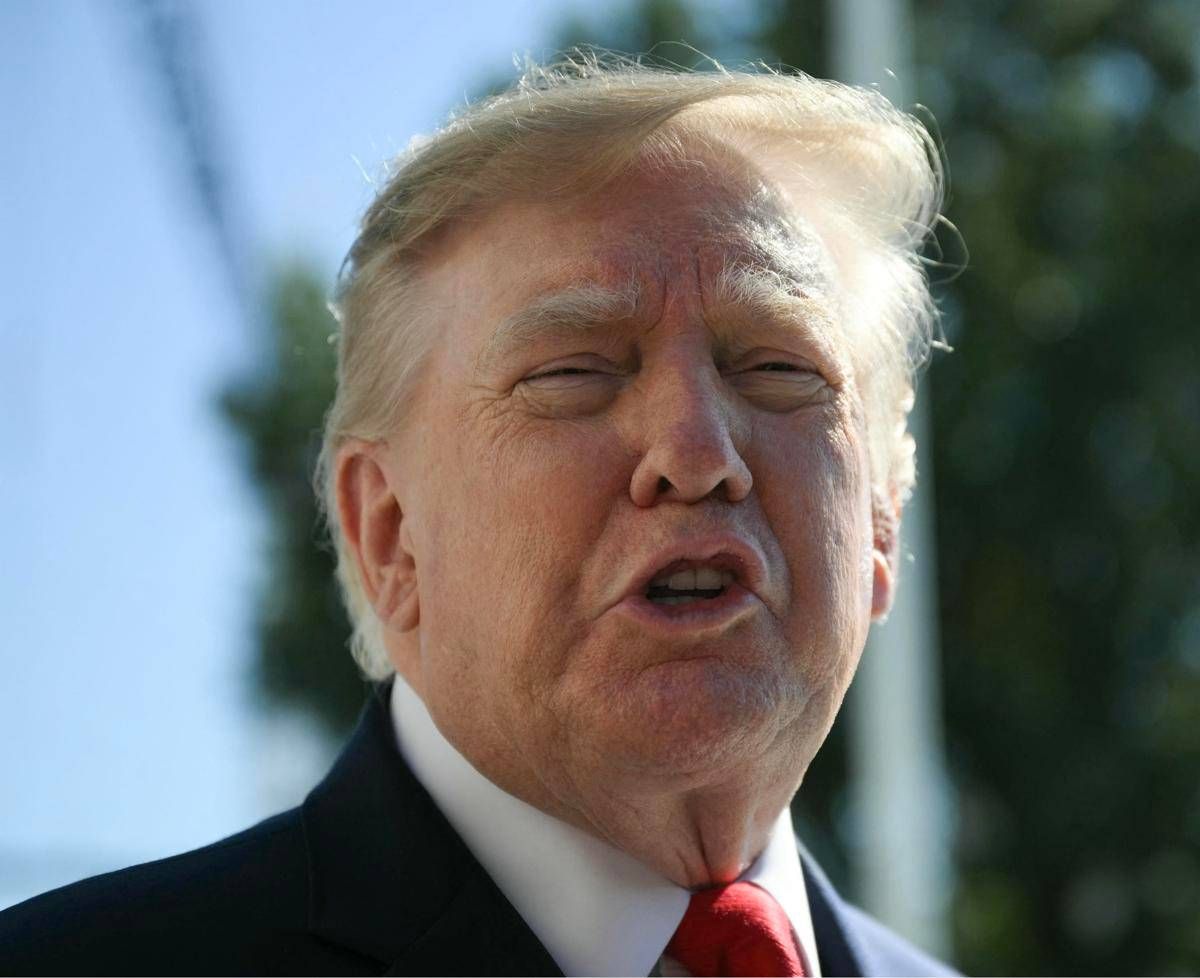
Trump Deposition Ordered in BBC Defamation Fight Over Jan. 6 Broadcast
A Florida judge has ordered President Donald Trump to testify under oath in his lawsuit against the BBC, rejecting further...
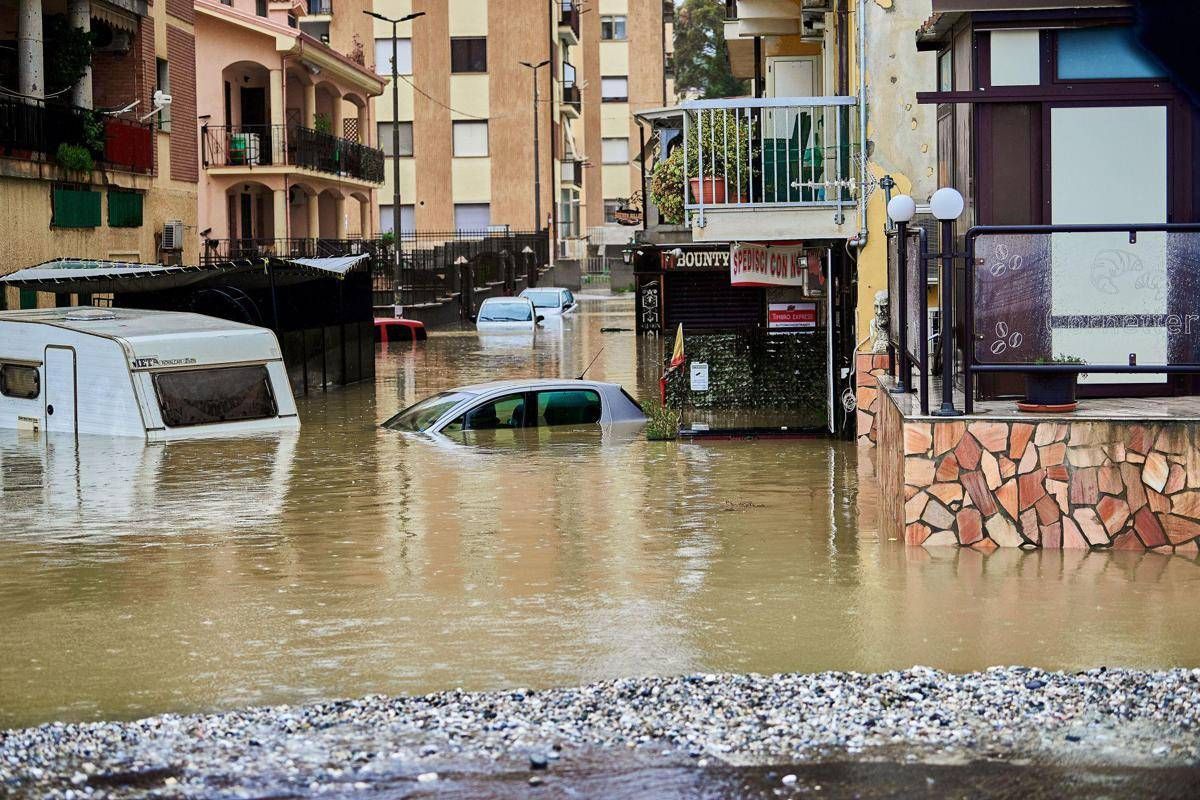
Tempesta Harry, all’Italia 74,9 milioni dall’Ue per quasi 3 miliardi di danni
Il Parlamento europeo approva il contributo per Sicilia, Sardegna e Calabria. Le risorse coprono una quota limitata delle perdite e...