Authorities in northwestern Pennsylvania are investigating a mass killing that left eight people dead, including two children, after a gunman...
Read More
International-News
Xi Jinping and Vladimir Putin: China’s Growing Power Over Russia
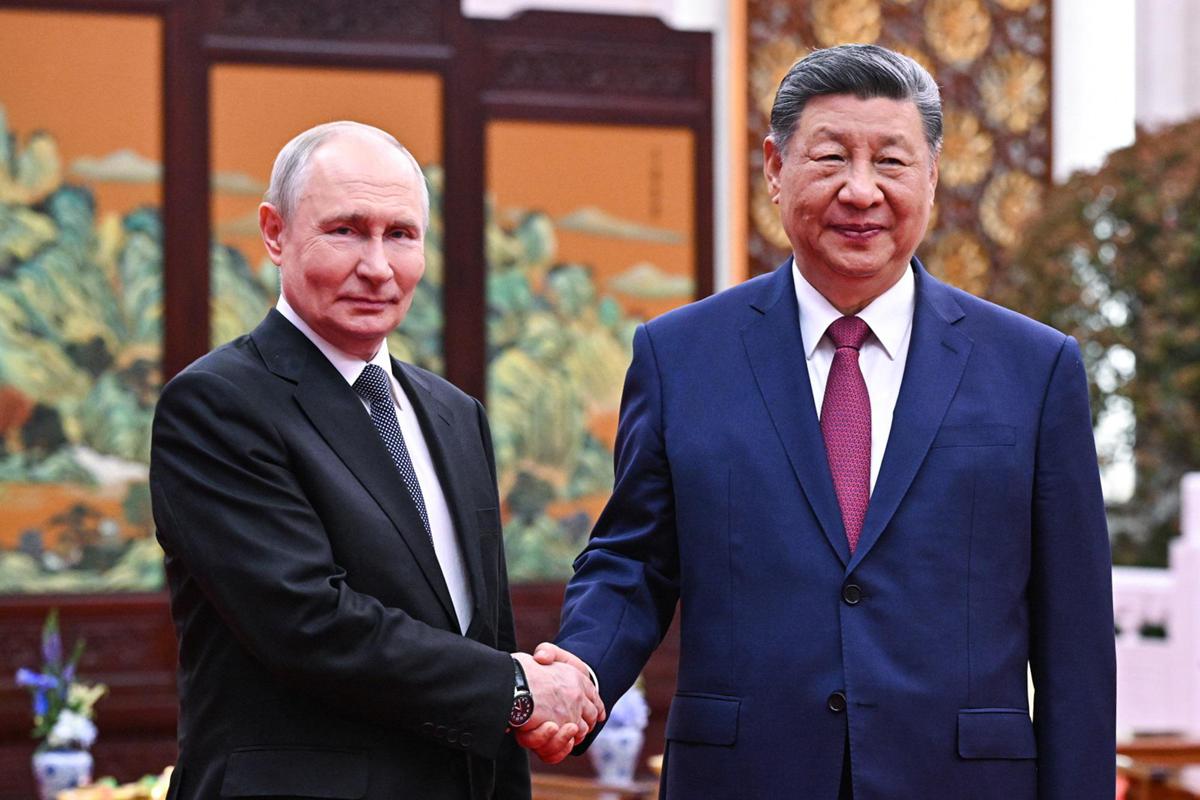
The war in Ukraine and Russia’s economic isolation have reshaped the relationship between Beijing and Moscow, turning a partnership between near equals into an increasingly unbalanced alliance
Xi Jinping and Vladimir Putin: China’s Growing Power Over Russia is the central shift described by the Wall Street Journal, which reports that a relationship once viewed as a partnership between two major powers has become increasingly unequal.
When Xi Jinping became China’s leader in 2013, he chose Moscow as his first foreign capital visit, a sign of the importance he placed on his relationship with Vladimir Putin. Today, according to the newspaper, the balance has changed: four years of war in Ukraine and economic isolation have weakened the Russian president’s position, making him increasingly dependent on Beijing.
One of the clearest examples came during Putin’s 14th visit to China in May, when the expected agreement on the Power of Siberia 2 gas pipeline failed to materialize. Putin had presented the deal as virtually certain shortly before the meeting, but Chinese negotiators did not approve the agreement under the conditions sought by Moscow.
The Russian delegation that arrived in Beijing ahead of Putin to finalize the agreement reportedly encountered a firm response from Chinese officials. According to sources familiar with the negotiations, Beijing told Gazprom’s chief executive that it would support the project only if gas was sold at a discounted price comparable to prices inside Russia — effectively requiring Moscow to finance the initiative.
Chinese officials also made clear that Russia should not raise the issue again until the circumstances changed, according to the same sources.
Despite growing tensions, relations between China and Russia remain strategically important. Beijing has continued to provide crucial support to Moscow’s war effort since 2022, while Xi has avoided publicly humiliating Putin. According to the Wall Street Journal, the Chinese leader appears aware of the historical tensions between Beijing and Moscow during the Soviet era, when China was often treated as a subordinate partner.
Publicly, Xi continues to show respect toward Putin, while privately seeking greater advantages from the relationship, the newspaper reports.
In 2013, Xi viewed Putin as a political model, admiring his ability to maintain influence on the global stage despite Russia’s dependence on oil and gas exports and its less diversified economy compared with China and the United States.
The war in Ukraine, however, has accelerated a shift in power that was already underway. According to the analysis cited by the newspaper, the conflict has allowed Beijing to transform what was once a partnership between almost equal powers into a relationship in which China holds the stronger position across many sectors.
The partnership between the two countries is not based on shared values or cultural ties, but primarily on their common opposition to the US-led international order. The relationship is now showing signs of strain, becoming part of what some analysts have called a “Reverse Nixon” strategy: an attempt by Washington to weaken the China-Russia partnership by exploiting tensions between Moscow and Beijing, similar to how President Richard Nixon used the Sino-Soviet split in the 1970s to establish relations with China.
Adding to the pressure, Russian authorities have reportedly discovered an increasing number of Chinese espionage attempts involving mid-level government officials. Moscow has kept many of these cases from becoming public, fearing that openly confronting Beijing could damage bilateral relations.
THE LATEST NEWS

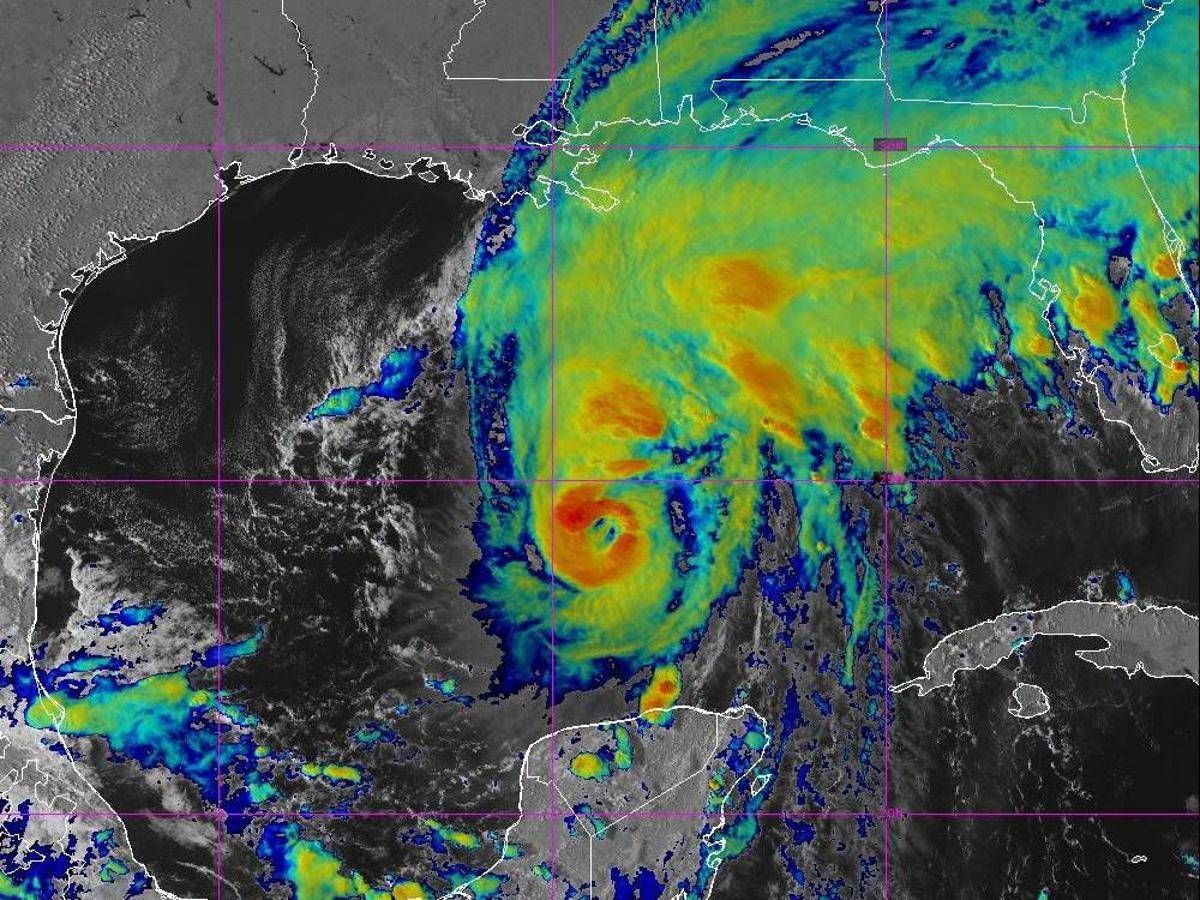
Hurricane Isaias Strengthens as Gulf Coast Braces for Landfall
9 October 2026
Evacuation orders are in effect in parts of the Southeast, with storm surge, torrential rain and possible tornadoes threatening coastal...
Read More
Naza: How a Gaza War Documentary Became a Global Political Flashpoint
9 October 2026
The documentary has grossed nearly €4 million in Italy, drawing fierce criticism from Netanyahu’s government and renewed scrutiny of the...
Read More

U.S. to Broadcast Nidal Hasan’s Firing-Squad Execution Live
9 October 2026
The Fort Hood mass shooter is scheduled to be executed on December 3. Defense Secretary Pete Hegseth says the public...
Read More

Christa Pike Wakes Up After Failed Execution: “Where Am I?”
8 October 2026
The Tennessee death-row inmate survived two lethal injections and has now begun speaking and walking again in a Nashville hospital,...
Read More

Putin-Trump Call Still Unconfirmed as Russia and Ukraine Exchange Strikes
8 October 2026
The Kremlin says no date has been agreed for the leaders’ next conversation, despite Trump’s announcement. Drone strikes hit a...
Read More
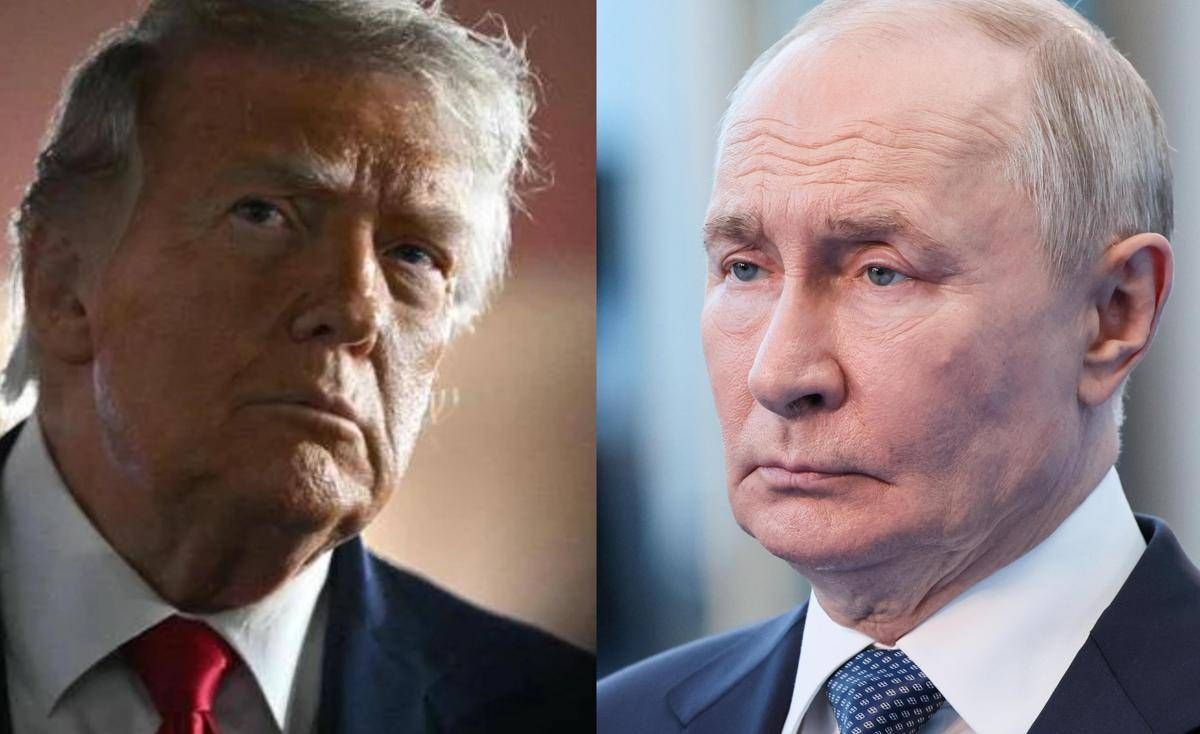
(Photo: © AndKronos)