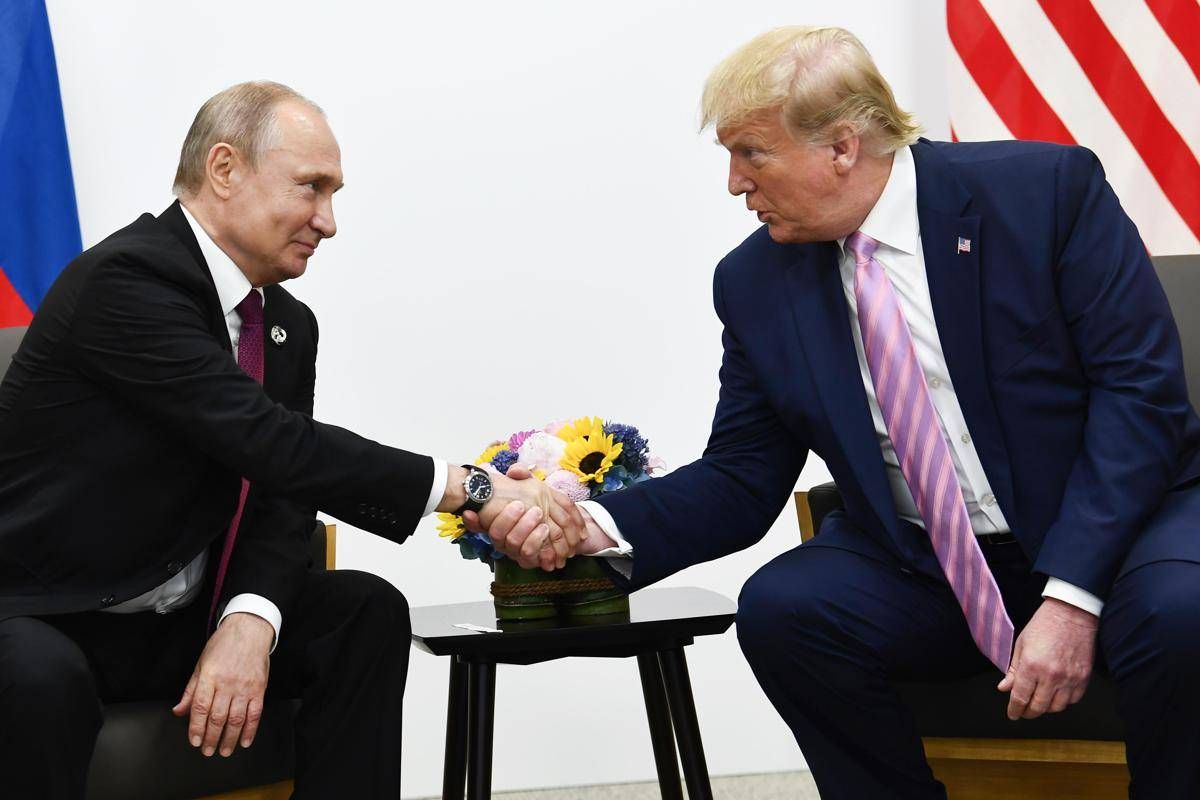
Financial Times report cites officials from five intelligence agencies as concerns grow over Moscow's expanding hybrid warfare campaign linked to...
Read More
International-News
The resilience of Russia’s wartime economy under Putin

Four years after the invasion of Ukraine, growing economic strain, shifting public sentiment, and structural imbalances are raising renewed questions about the resilience of Russia’s wartime economy under Putin
The resilience of Russia’s wartime economy under Putin has become an increasingly central question four and a half years after the February 2022 invasion of Ukraine. As the conflict settles into a prolonged war of attrition, analysts are once again examining how long the Kremlin can sustain both its military operations and the underlying economic system that supports them.
Recent large-scale strikes on Kyiv have been interpreted by several economists as a signal of mounting pressure on Moscow’s system. According to this reading, the Russian economy is moving closer to what some experts describe as a critical threshold, where structural weaknesses in production and finance become more difficult to mask behind official macroeconomic indicators. Within this framework, The resilience of Russia’s wartime economy under Putin is increasingly tied not only to military dynamics, but also to domestic economic constraints and declining public confidence.
Public sentiment, while not a direct political constraint in the conventional democratic sense, remains a relevant economic indicator. A Gallup survey conducted between March and May reports that 60 percent of Russians believe economic conditions are worsening. This marks the highest level recorded since 2006, surpassing previous peaks during the COVID-19 pandemic in 2020 and 2021. The data suggests that the wartime economic model, heavily reliant on military spending and residual export revenues, is increasingly reflected in deteriorating living conditions.
The resilience of Russia’s wartime economy under Putin is further tested by indicators of stagnation and inflationary pressure. A report by the Kiel Institute for the World Economy titled “Endgame. The State of the Russian Economy” describes an economy that has not collapsed, but whose structural foundations have eroded more quickly than headline data suggests. The report estimates a 0.3 percent contraction in GDP in the first quarter of 2026, alongside a 44 percent year-on-year increase in public spending in March 2026. Official growth forecasts, revised down to 0.4 percent, are described as potentially optimistic given labor shortages and supply constraints.
The report also highlights persistent doubts over the reliability of official statistics, particularly inflation data. If inflation is underestimated, real growth would be significantly weaker than reported. Economists cited in the analysis argue that Russia’s economy is increasingly shaped by a dual structure, in which military production expands while civilian sectors stagnate. This imbalance leads to a distorted overall picture of economic health, masking underlying fragilities in the productive base.
The resilience of Russia’s wartime economy under Putin is also linked to growing financial stress. Investment activity remains weak, trade volumes are at their lowest levels in fifteen years, and the system is increasingly described as operating at the limits of its productive capacity. The report also points to rising risks to financial stability, as households and companies with deteriorating balance sheets struggle to service debt.
Another key factor is external dependence. The analysis notes an increasing asymmetrical reliance on China, which, while providing economic support, also introduces long-term structural costs. Export revenues remain the decisive variable in determining how long the Kremlin can sustain its military effort.
The Kiel Institute concludes that fiscal and financial buffers are largely exhausted, and that the current configuration may represent an early phase of a terminal economic trajectory. It also suggests that the window for effective external pressure remains open, arguing that coordinated Western action could still influence Russia’s strategic calculations if economic leverage is applied consistently over time.
The resilience of Russia’s wartime economy under Putin therefore remains contingent on a combination of domestic stability, external support, and the evolving capacity of Western sanctions pressure to affect long-term economic fundamentals.
(Source: © AndKronos)
THE LATEST NEWS

White House TV Pool Boycott Triggers DOJ Antitrust Investigation
11 October 2026
Five of America's biggest television networks now face federal scrutiny after collectively refusing to cover President Donald Trump ahead of...
Read More
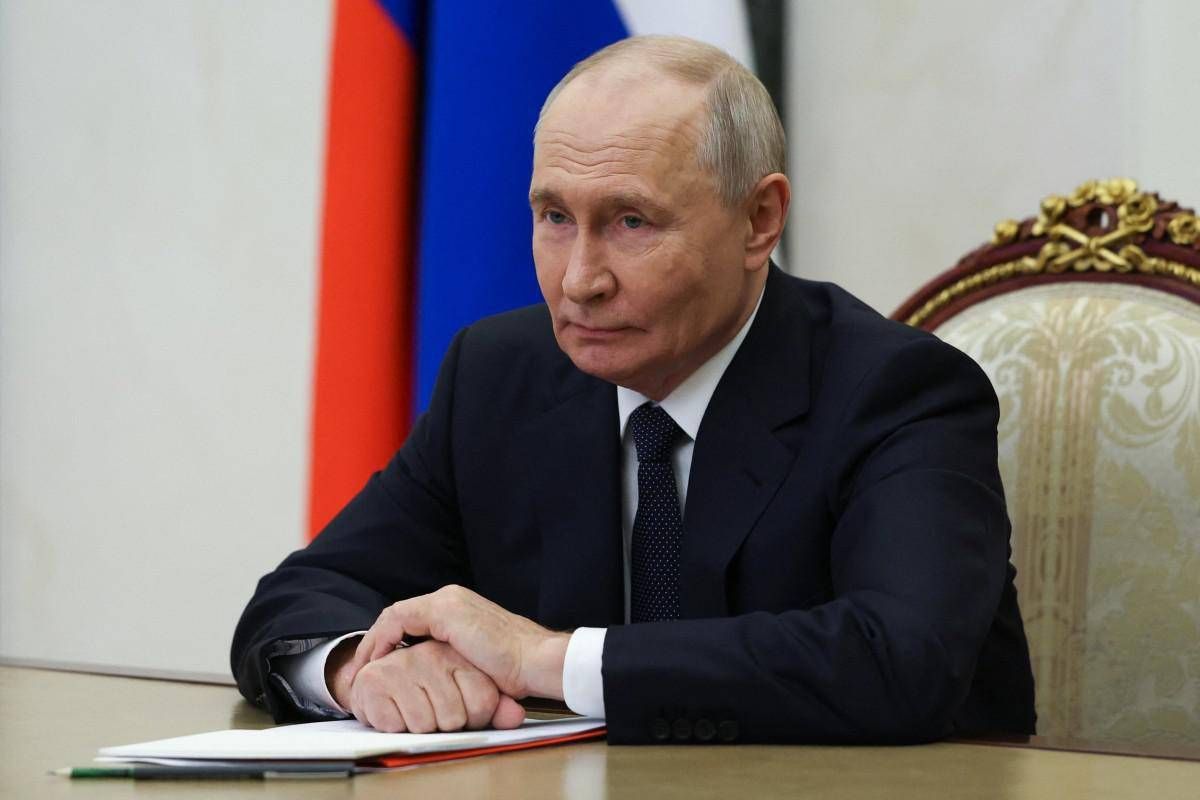
Putin’s Return Flight Disrupted by Drone Attack That Closed Moscow Airports
10 October 2026
Flight-tracking data showed Russian government aircraft circling over the capital and diverting to St. Petersburg as airport operations were suspended...
Read More
Christa Pike Returns to Prison After Surviving Execution Attempt
10 October 2026
Christa Pike returns to prison after surviving a lethal injection attempt, leaving Tennessee officials facing unprecedented uncertainty over whether her...
Read More

Erie Shooting Leaves Eight Dead, Including Two Children, in Pennsylvania
10 October 2026
Authorities in northwestern Pennsylvania are investigating a mass killing that left eight people dead, including two children, after a gunman...
Read More

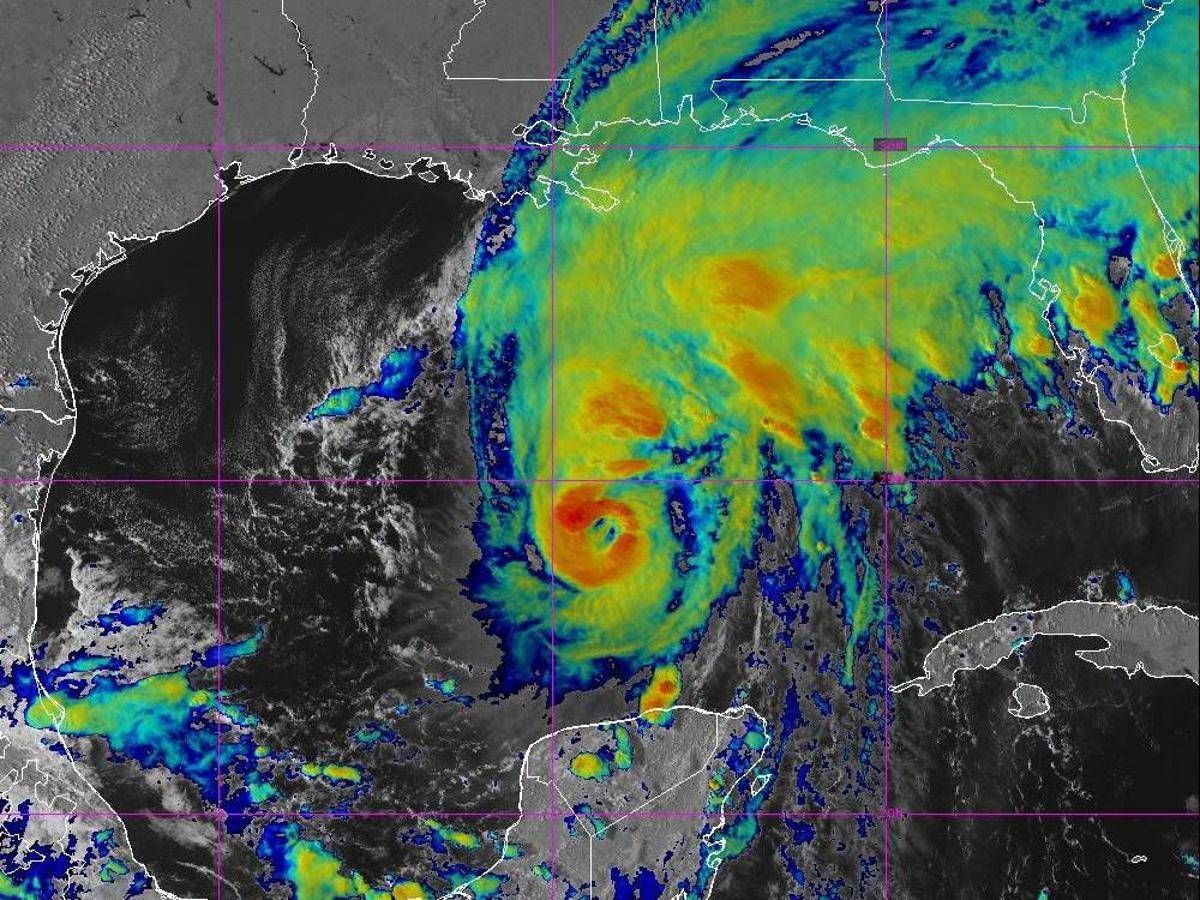
Hurricane Isaias Strengthens as Gulf Coast Braces for Landfall
9 October 2026
Evacuation orders are in effect in parts of the Southeast, with storm surge, torrential rain and possible tornadoes threatening coastal...
Read More