The 28-year-old woman who discovered his body said he suffered cardiac arrest at his Colombes home. French prosecutors have opened...
Read More
International-News
Church schisms through the centuries, from early splits to today
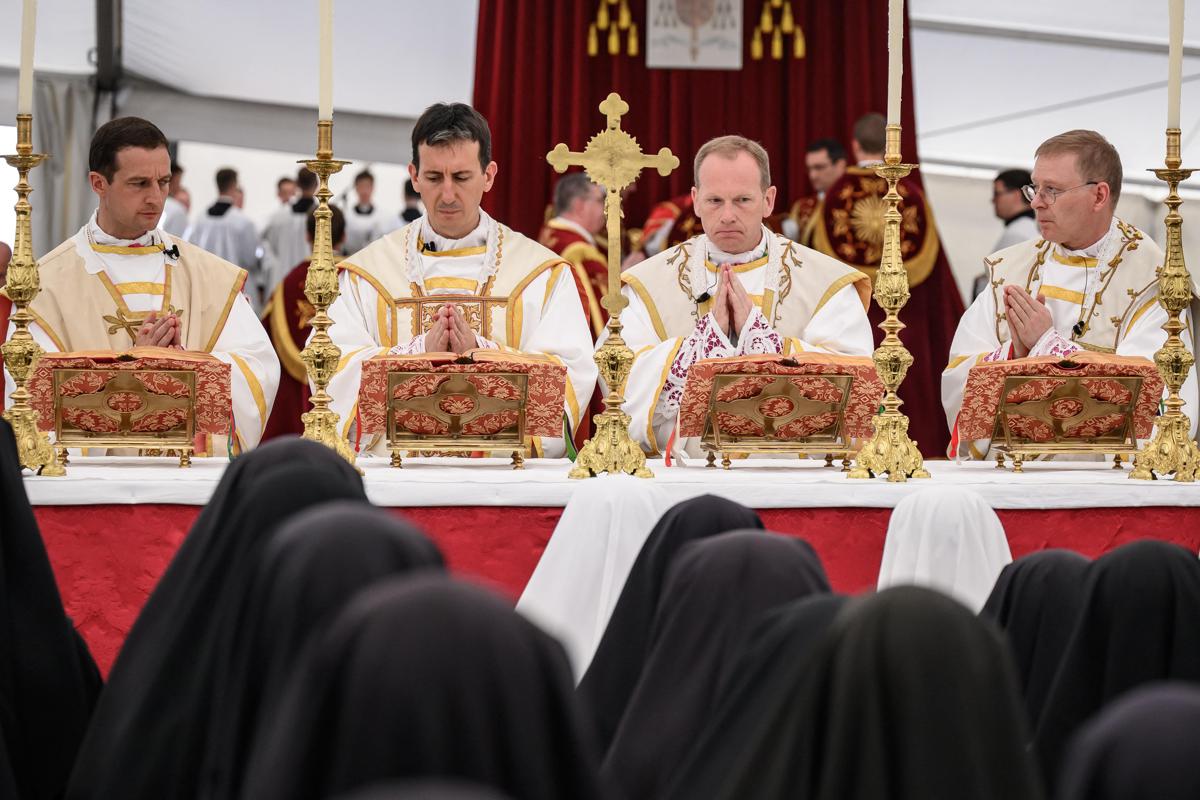
From the first divisions in early Christianity to modern traditionalist ruptures, the history of the Church is marked by recurring breaks in communion with Rome and among Christian communities
The history of Christianity is also a history of schisms, understood as breaks in ecclesial communion that reshape doctrine, authority, and the structure of the Church. These ruptures rarely occur as isolated events, but rather as the culmination of long-standing theological, political, and institutional tensions.
In the early centuries, divisions emerged around the question of how to treat the lapsi, Christians who had renounced their faith under persecution. Movements such as the Novatians and Donatists rejected the possibility of readmission, challenging the more lenient approach of the early Church. These disputes reflected competing visions of what it meant to be a Christian community: one centered on forgiveness and reintegration, the other on purity and strict exclusion.
As doctrinal definitions became more precise, new fractures followed. The Councils of Ephesus in 431 and Chalcedon in 451 aimed to define the nature of Christ, but not all Christian communities accepted their conclusions. These disagreements contributed to lasting separations that gave rise to distinct traditions, including the Coptic, Ethiopian, and other Oriental Orthodox Churches, alongside various Eastern Christian communities.
The Great Schism of 1054 marked the formal break between the Western Church in Rome and the Eastern Church in Constantinople. This division was the result of centuries of divergence in liturgy, theology, ecclesiastical governance, and political context. The mutual excommunications between papal legate Humbert of Silva Candida and Patriarch Michael I Cerularius symbolized a fracture that would endure and solidify over time.
Later centuries saw further divisions within Western Christianity itself. The Western Schism between 1378 and 1417 split allegiance among rival claimants to the papacy, weakening the authority of the institution and dividing Europe along political lines until the Council of Constance restored unity.
The 16th century Reformation produced one of the most profound schisms in Christian history, as reform movements across Europe broke with Rome and led to the formation of Protestant churches. In England, the establishment of the Anglican Church under Henry VIII added a distinct political dimension to this rupture.
In the modern era, the First Vatican Council’s declaration of papal infallibility in 1870 contributed to further divisions, including the emergence of the Old Catholic movement. In the 20th century, tensions surrounding the reforms of the Second Vatican Council generated additional fractures, particularly among traditionalist groups.
Among the most significant of these modern conflicts is the movement associated with Archbishop Marcel Lefebvre and the Society of Saint Pius X. The ordination of four bishops without papal mandate in Écône represents a renewed escalation in this long-standing dispute. In Catholic canon law, such ordinations are considered gravely illicit and result in automatic excommunication, and they are widely interpreted within ecclesiastical discourse as acts that constitute a rupture with papal authority.
Taken together, these episodes illustrate a recurring pattern in Church history: doctrinal clarification and institutional reform often generate resistance, which in turn can develop into formal or de facto schism. The latest developments involving traditionalist groups are therefore viewed by Church authorities as part of a much longer continuum of division and attempted reconciliation.
THE LATEST NEWS
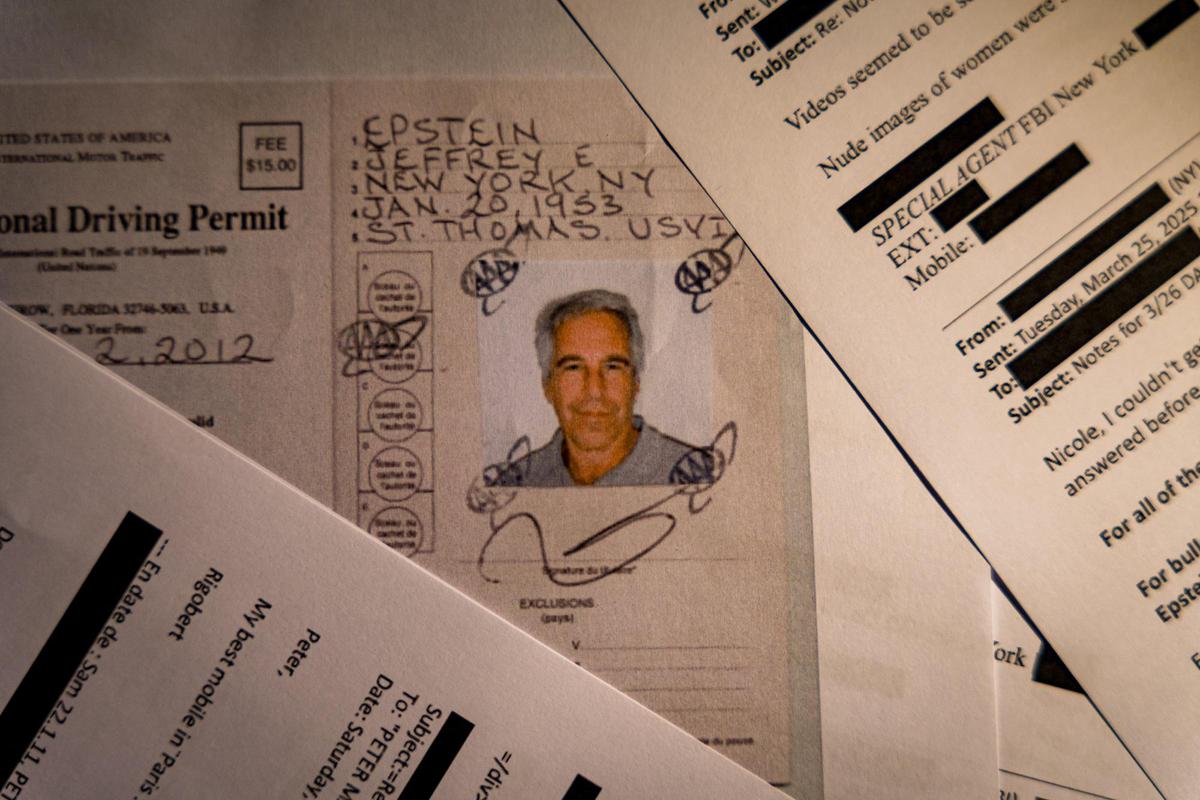
Two Straits, One Trap: How Iran and the Houthis Are Strangling Global Commerce
21 Luglio 2026
The Red Sea and the Persian Gulf have become a single chokepoint. Analysts who warned of this scenario from day...
Read More

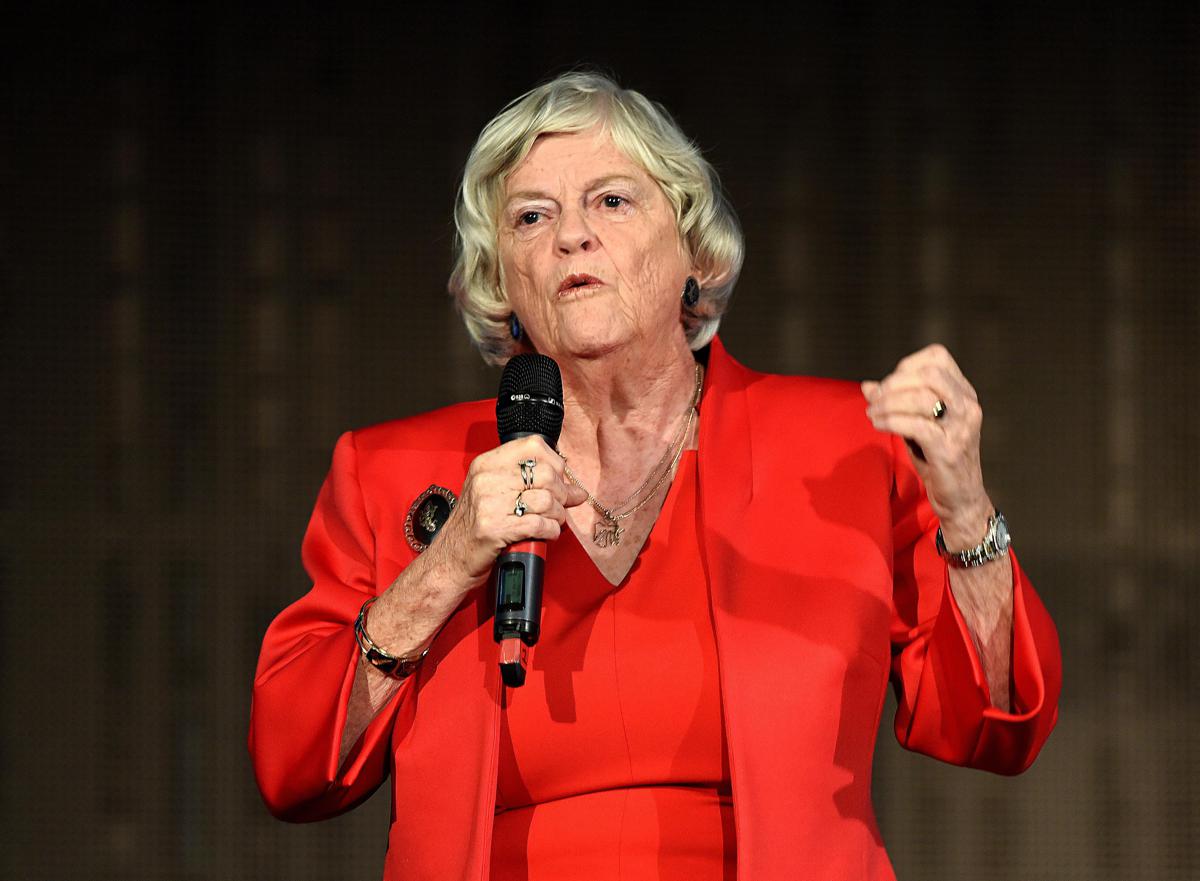
Ann Widdecombe Killed With 21 Hammer Blows, Court Hears
21 Luglio 2026
Joshua Kerry, 28, appeared at Westminster Magistrates' Court charged with murdering the former Tory minister and Reform UK spokeswoman at...
Read More
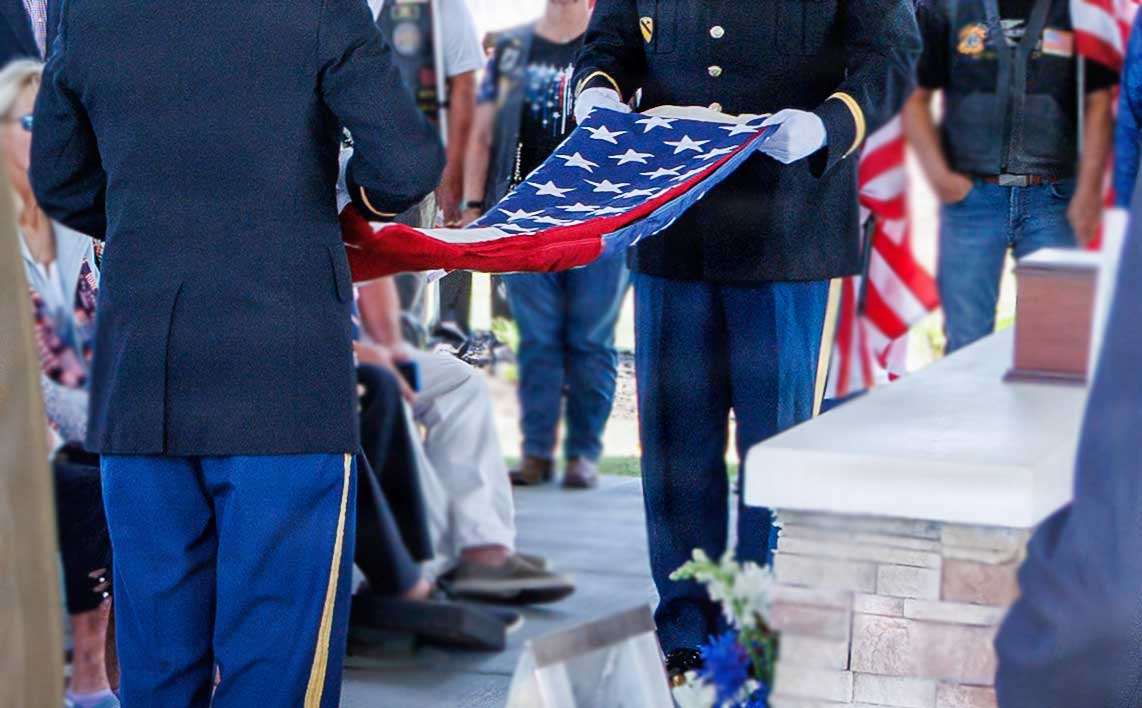
Pentagon Names Two US Soldiers Killed in Iran’s Jordan Attack
20 Luglio 2026
Tyler James Feehan, 25, and Isabella Gonzales, 19, died in separate strikes on Friday and Saturday. A third service member...
Read More
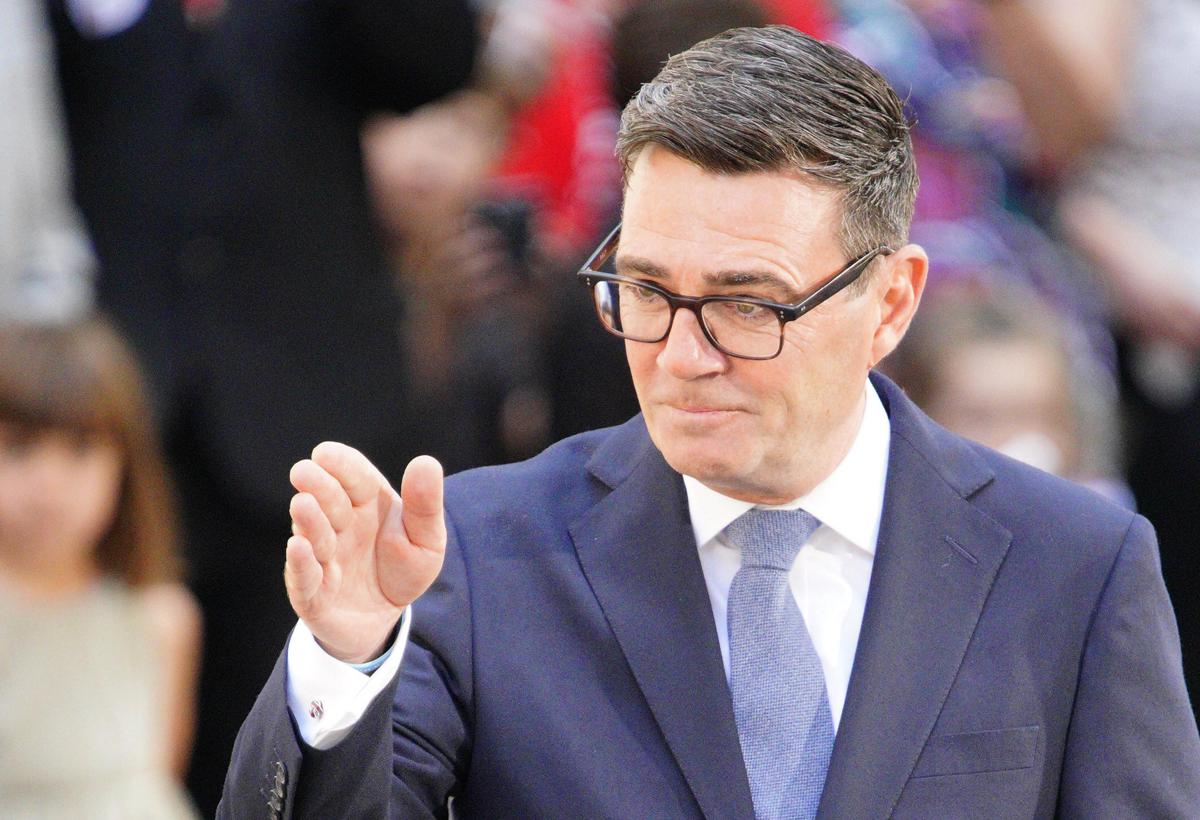
Andy Burnham Becomes UK Prime Minister, Pledges Biggest Changes in 40 Years
20 Luglio 2026
The new Labour leader arrived at Downing Street to applause and immediately laid out a ten-year plan to reindustrialize Britain....
Read More
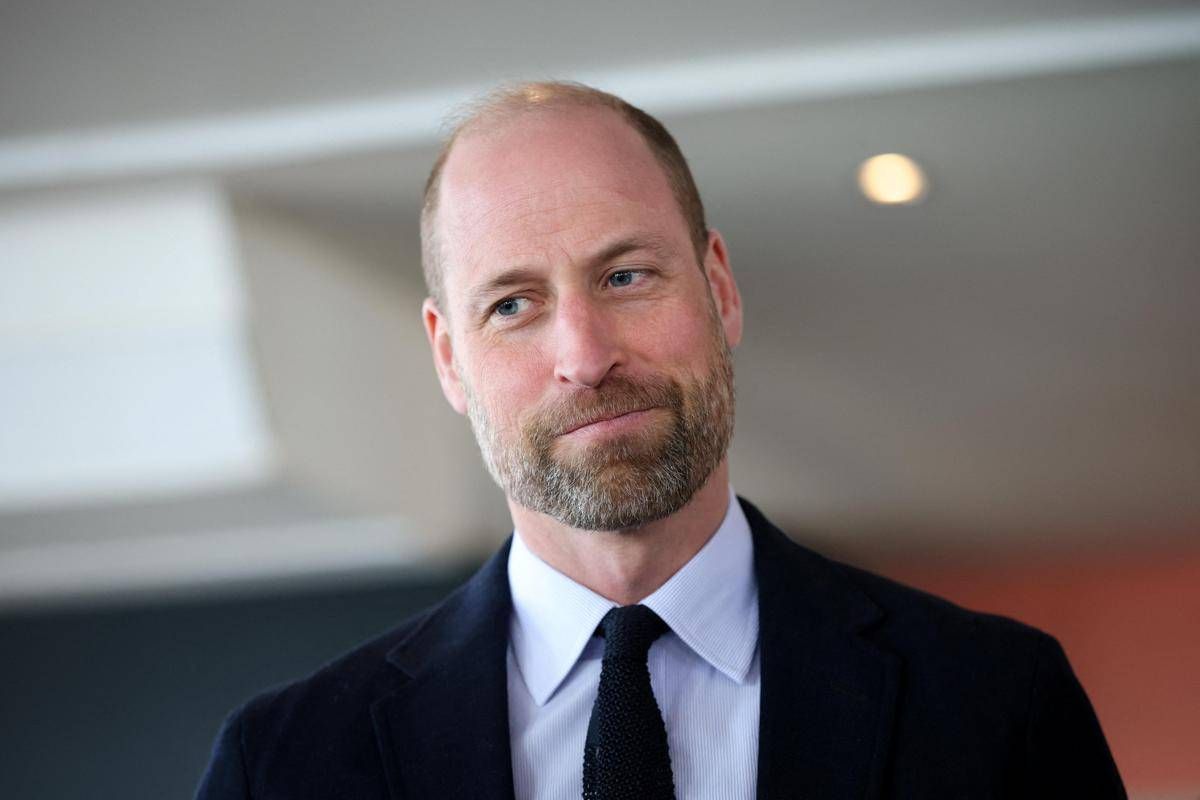
Prince William Could Strip Harry and Meghan of Titles Once He Is King
20 Luglio 2026
Royal correspondent Sarah Hewson believes the heir apparent may follow King Charles's playbook with Prince Andrew after he ascends the...
Read More
(Photo: © AndKronos)