
International-News
Iran: Power Fragments After Khamenei; Truce with the U.S. Balances Necessity and Risk
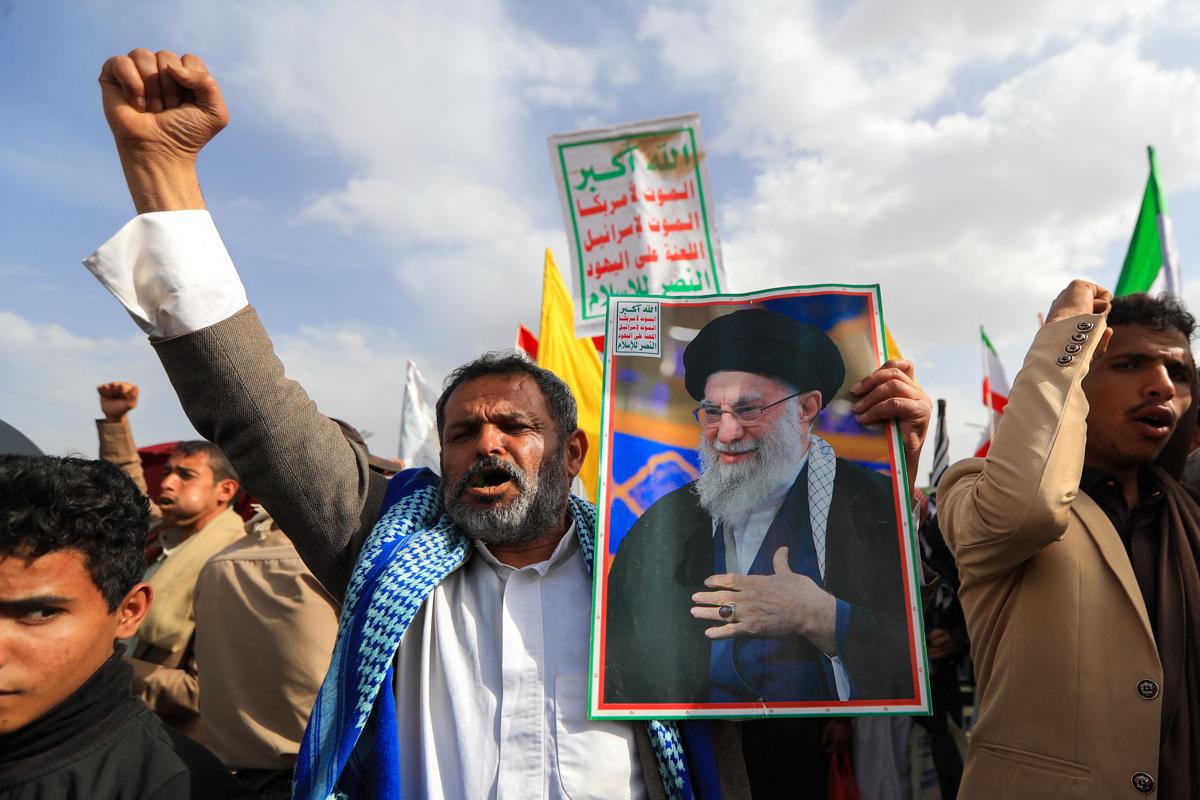
The death of the Supreme Leader ushers in a period of instability: a divided elite, a fractured Revolutionary Guard, and no consensus on succession. Pragmatists are caught between the economic crisis and anti-Western rhetoric.
The rift that has emerged in Tehran is not merely a showdown between factions, but a sign of a system that has lost its balance. With the passing of Ali Khamenei—a figure capable of holding together diverse factions, from hawks to pragmatists to the clerical establishment—power in the Islamic Republic now appears more dispersed and less governable.
The vacuum left at the top has not been filled by Mojtaba Khamenei, whose stature does not seem sufficient to ensure a stable transition. The problem is structural: the idea of a dynastic succession contradicts the very foundation of the Islamic Republic, which was created to overcome monarchical logic and now faces the risk of replicating it.
It is within this context that figures such as Masoud Pezeshkian, Mohammad Bagher Ghalibaf, and Abbas Araghchi are operating, caught in a precarious balancing act. On the one hand, there is the need to maintain a policy of de-escalation with the United States to prevent further economic deterioration; on the other, there is the impossibility of taking an open stance without undermining the anti-imperialist narrative that remains central to the regime’s legitimacy.
On the opposite side, the more radical factions—represented by figures such as Seyed Mahmoud Nabavian—are raising the tone and denouncing alleged betrayals, but without offering a real political alternative. Their strength remains rooted in popular mobilization and a rhetoric that still resonates in some areas of the country, but does not translate into a concrete capacity to govern without triggering scenarios of internal conflict.
A fragility within the security apparatus is also emerging. Public incidents of threats against institutional figures and political decisions not accompanied by immediate crackdowns indicate that control is not yet fully consolidated. The Pasdaran themselves appear to be riven by internal divisions, reflecting the tensions running through the entire system.
In this context, the relationship with Washington becomes a decisive yet ambiguous factor: a truce is at once indispensable and potentially destabilizing. A failure would strengthen the hawks and weaken the pragmatists; conversely, its success would risk exacerbating internal rifts, further radicalizing the political confrontation.
More than the immediate outcome of the negotiations, it is precisely this absence of a shared balance that defines the current phase: a system that does not collapse under external pressure, but which shows deep cracks generated from within.
LE ULTIME NOTIZIE
[recent_post_slider design=”design-19″ show_author=”false” slider_height=”390″ lazyload=”progressive” limit=”10″]
(con fonte AdnKronos)

Kim Jong-un riappare in Cina dopo le voci sulla sua possibile morte
Il leader nordcoreano è arrivato a Dandong attraversando il nuovo ponte sul fiume Yalu. La notizia è stata riferita da...
Ostia, esplosione in una palazzina di cinque piani: evacuate 11 famiglie
L’incidente è avvenuto ieri sera, intorno alle 21.40, in via dei Velieri. Una persona è rimasta ferita Undici famiglie sono...
Manifestazioni del 24 ottobre, allerta sicurezza in tutta Italia: 100 perquisiti
Circa cento persone, tra cui 51 minorenni, sono state perquisite in 18 città dopo i disordini del fine settimana scorso....
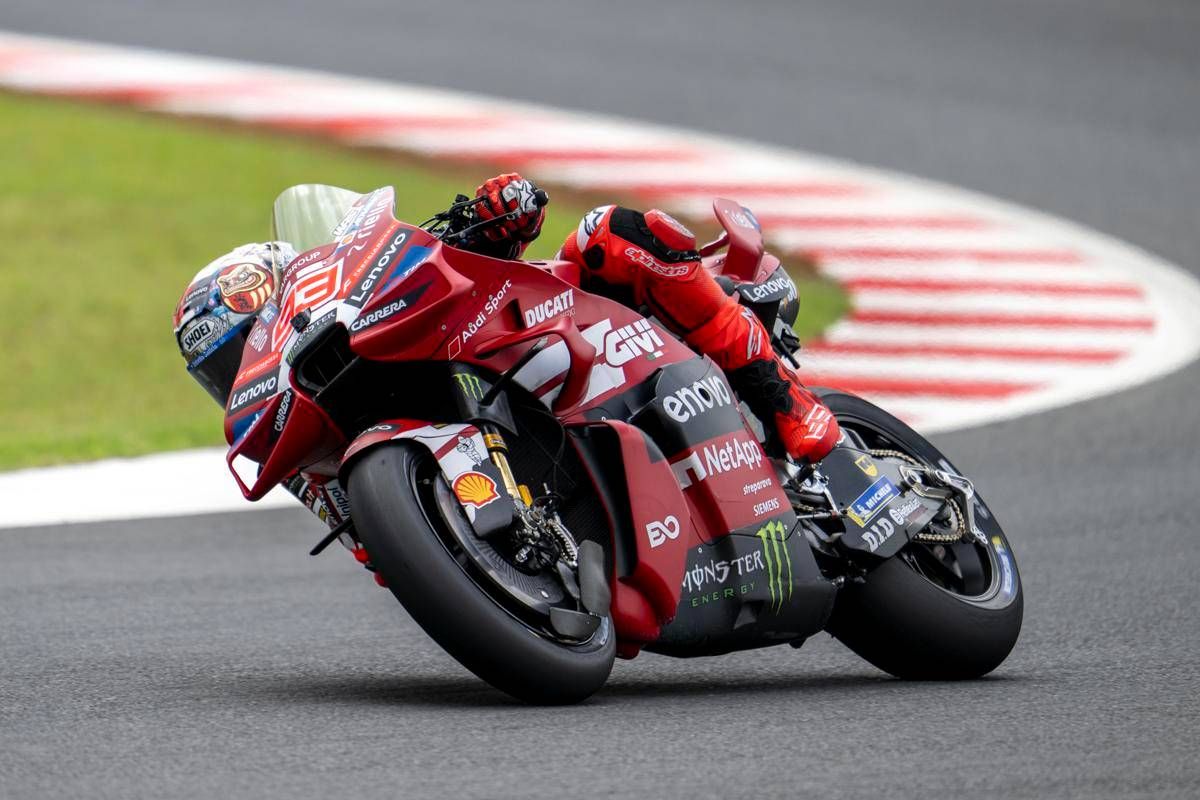
Mondiale MotoGp, Marquez allunga in vetta dopo il successo australiano
Il pilota Ducati sale a 365 punti, mentre Alex Marquez chiude secondo la Sprint. Il duello per la testa della...

UPDATE Ukraine Confirms Oleshky Ceasefire as Humanitarian Corridor Set to Open in Russian-Occupied Town
Kyiv formally backs the localized truce announced by the White House, paving the way for civilian evacuations and aid deliveries...
AGGIORNAMENTO Ucraina, accordo per il cessate il fuoco a Oleshky: c’è la conferma di Kiev
La tregua è prevista dal 27 ottobre nella cittadina sulla riva sinistra del Dnipro, di fronte a Kherson, a soli...


Eni proroga il price cap, ma il gasolio è aumentato di 65 centesimi da febbraio
Il tetto resta fissato a 2,25 euro al litro per il diesel e a 1,99 euro per la benzina. La...
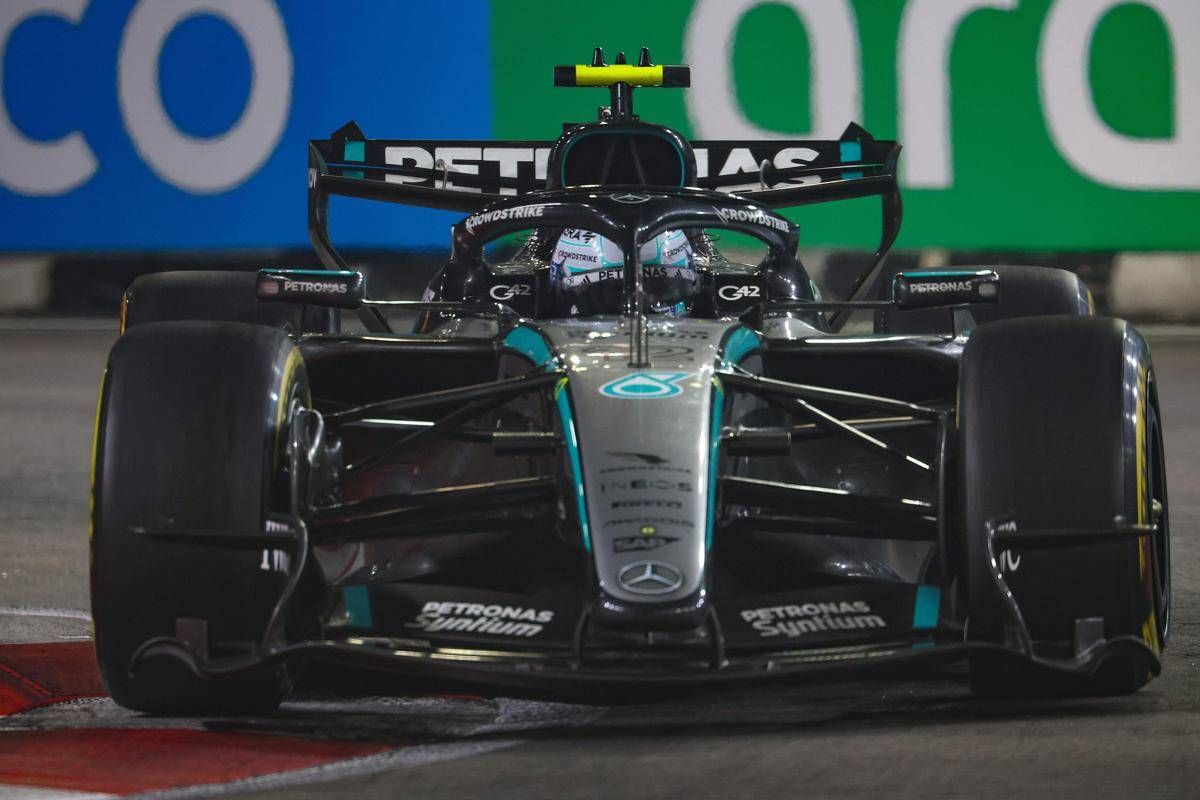
F1 Austin, orari e dove vedere le qualifiche Sprint in tv
Venerdì 23 ottobre la Formula 1 torna in pista negli Stati Uniti: appuntamento alle 23 per decidere la griglia della...


Omicidio a Vergiate, 53enne uccide la compagna e si costituisce
La donna, 36 anni e originaria della Colombia, è stata trovata morta nella camera da letto a Vergiate. L’uomo si...

“Putin Can Kill Anyone”: Pussy Riot’s Warning to Europe
In an interview with Adnkronos ahead of the Italian return of Riot Days, Pussy Riot members Masha Alyokhina, Eric Breitenbach,...
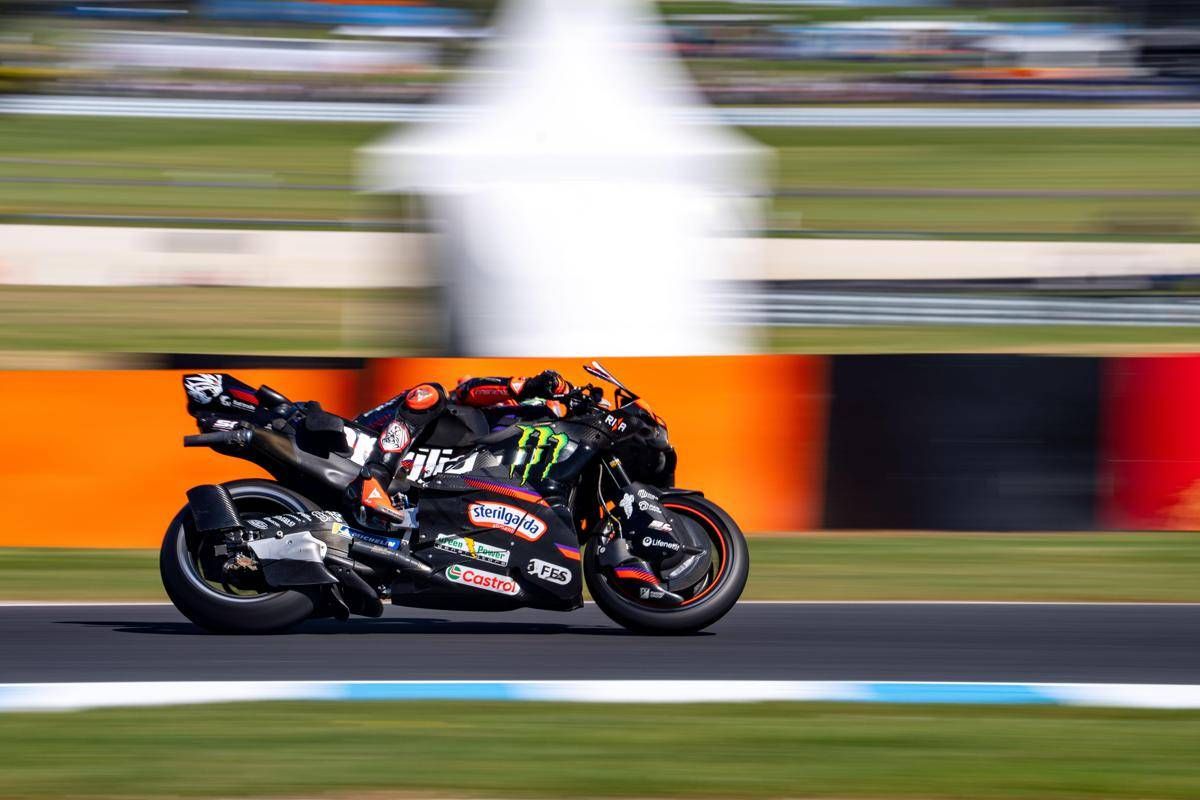
MotoGP Australia, orari e dove vedere qualifiche e Sprint in tv
Si corre a Phillip Island sabato 24 ottobre: in programma le qualifiche ufficiali e la gara che assegna i primi...


Terremoto nel Tirreno Meridionale, scossa di magnitudo 5 e allerta maremoto
Sono 25 gli eventi sismici registrati dalle 11. A Trapani evacuato in via precauzionale il Palazzo di giustizia Uno sciame...
Iran, Usa e Israele valutano nuovi raid dopo il 3 novembre
Le indiscrezioni del New York Times parlano di piani per una nuova campagna militare. Teheran avverte che la risposta potrebbe...
Tom Skerritt Dies at 93, Leaving a Legacy From Alien to Picket Fences
The Emmy-winning actor built one of Hollywood’s most durable careers, moving from landmark films to acclaimed television while remaining a...
Macron Accuses Far-Left Groups of Plotting to Overthrow Republic
After convening France’s security council and intelligence chiefs, the president linked Saturday’s violence to organized far-left groups and pledged tighter...
Judi Dench Says Vision Loss Has Ended Her Stage and Film Career
More than a decade after being diagnosed with age-related macular degeneration, the Oscar-winning actress says she can no longer perform,...