
Explosions in the Ukrainian capital overnight; reported drone strike targets major Russian oil facility deep behind the front line A...
Read More
International-News
Russia NATO attack timeline after Ukraine war, analyst warns
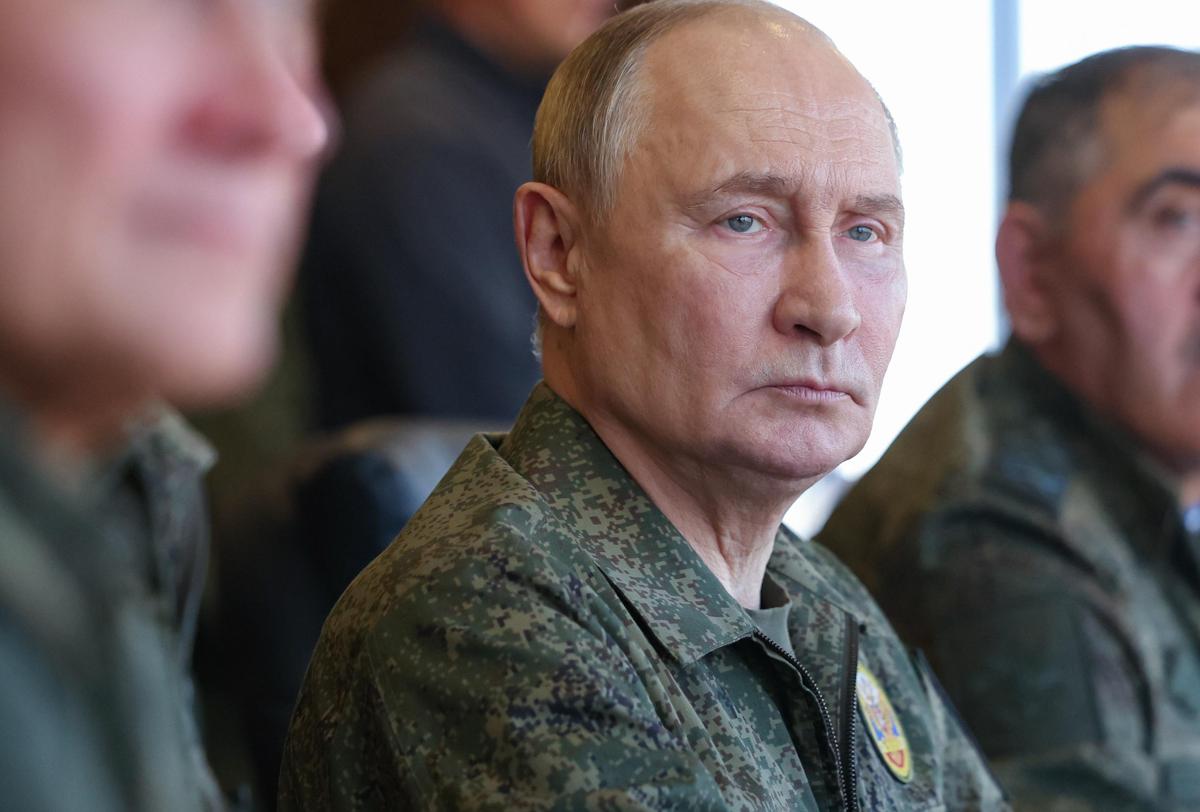
Micael Kofman outlines a five-to-seven-year window and describes a reshaped Russian military with uneven capabilities
Russia NATO attack timeline after Ukraine war is narrowing, according to U.S. military analyst Micael Kofman, who said Moscow could be ready to launch an attack against a NATO country within five to seven years after the end of the conflict in Ukraine.
Speaking at a conference hosted by the Carnegie Endowment for International Peace, Kofman described a large-scale assault as a more consequential scenario than a limited strike. The outlook, he noted, depends heavily on how the war in Ukraine ends and on the disposition of Russian forces along a future frozen line of contact. His remarks reflect findings from his recent Foreign Affairs paper, The Next Russia Threat. Moscow’s Military Power After Ukraine.
Kofman said Russia may struggle to sustain the current size of its armed forces—estimated at 1.3 million troops—given economic and demographic constraints. Even so, he does not expect a return to pre-war levels of roughly 850,000 personnel. While some capabilities have degraded during the war, particularly in offensive operations, others have improved, including strike precision, artillery support, and industrial output, with the capacity to produce up to 100,000 drones annually.
Military spending, now accounting for about 40 percent of Russia’s budget and 8–10 percent of GDP, is viewed as unsustainable by Kofman as well as by Russia’s Central Bank and Finance Ministry. He argued that, although the burden is lower than in the Soviet era during peacetime, it cannot be maintained indefinitely. Cuts are expected after the war, though key areas—strategic and sub-strategic forces, air and missile defense, ground force size, and long-range strike capabilities—are likely to be preserved. Overall readiness, however, may decline, leaving what he described as a “patchwork” force with advanced sectors alongside less developed ones, particularly in training.
Nuclear deterrence has remained central throughout the conflict. Kofman pointed to the September–October 2022 phase, when Russia raised the possibility of using tactical nuclear weapons following Ukrainian territorial gains. He said internal debate in Russia over the conditions for such use has left lasting effects. The erosion of traditional arms control frameworks, including the end of the New START treaty, is also reshaping strategic calculations. Countries such as the United Kingdom, which allocates 20–25 percent of its defense budget to nuclear forces, are reassessing their own non-strategic capabilities.
Another key factor is Russia’s cooperation with China during the war. Beijing has supported Moscow by supplying critical components and economic backing. Kofman indicated this dynamic is unlikely to change, as China’s strategic focus remains on the Pacific and its competition with the United States, allowing Russia to continue relying on its eastern partner.
THE LATEST NEWS
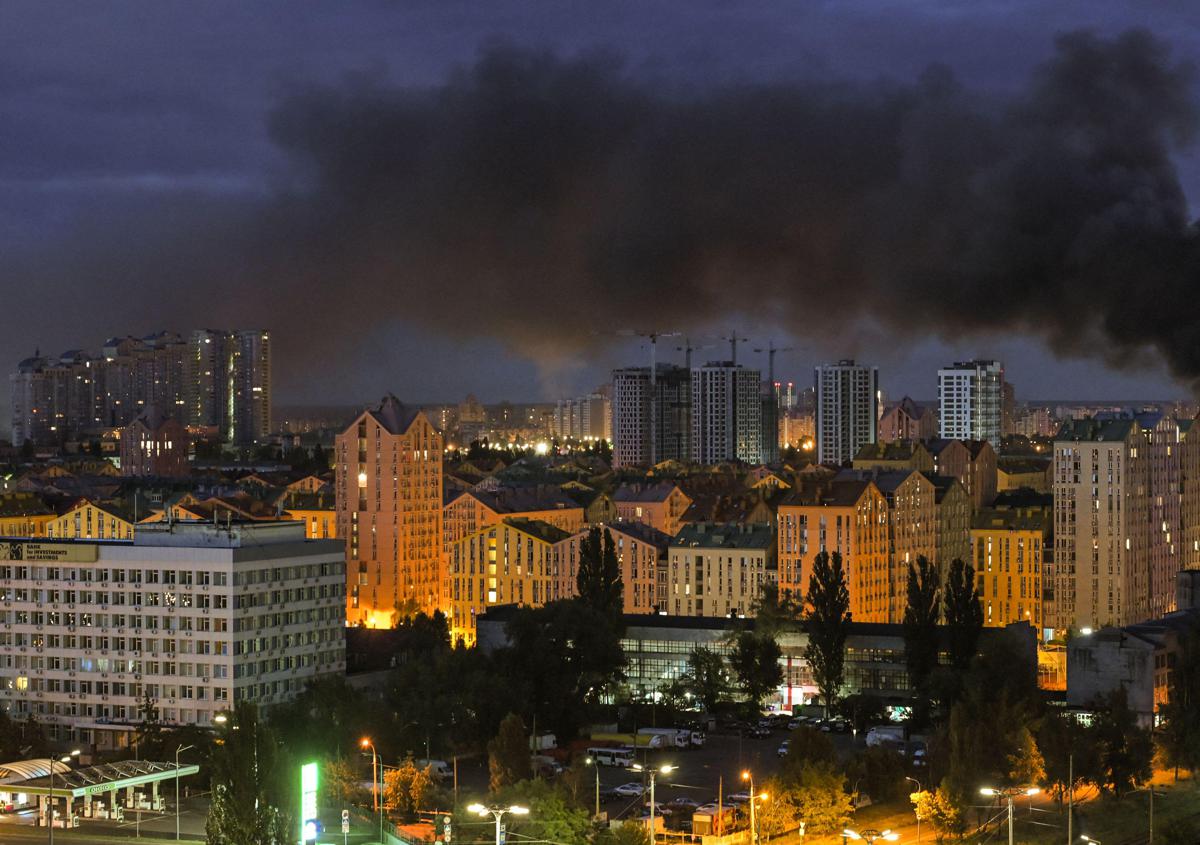
How world leaders view Andy Burnham as potential UK prime minister
14 Luglio 2026
BBC analysis outlines skepticism in Washington, caution in Brussels and continuity expected in Moscow How world leaders view Andy Burnham...
Read More

Russia NATO attack timeline after Ukraine war, analyst warns
14 Luglio 2026
Micael Kofman outlines a five-to-seven-year window and describes a reshaped Russian military with uneven capabilities Russia NATO attack timeline after...
Read More
Ten Nations Launch a New European Ballistic Missile Defense Coalition in Paris
13 Luglio 2026
Ten European nations, including France, Italy, and Germany, have signed a joint declaration to launch a new European ballistic missile...
Read More
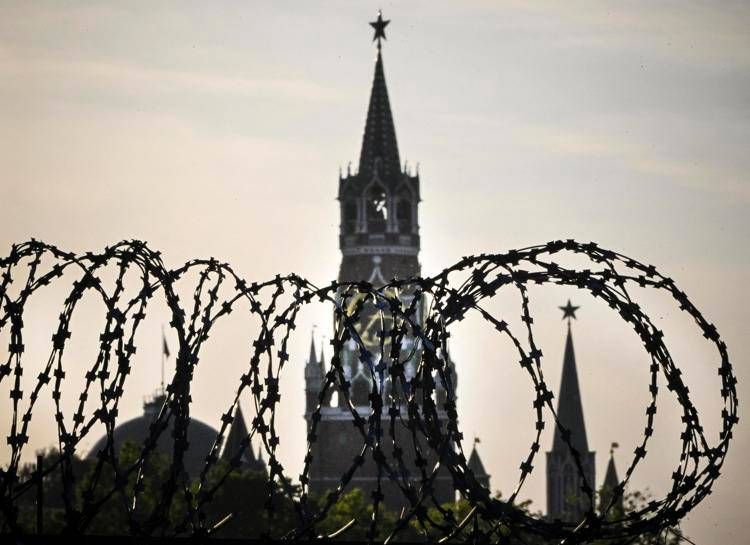
NYT: Israel’s Mossad explored Ahmadinejad’s role after a possible Iran collapse
13 Luglio 2026
According to revelations reported by The New York Times, Israeli intelligence allegedly developed a long-term strategy to position former Iranian...
Read More
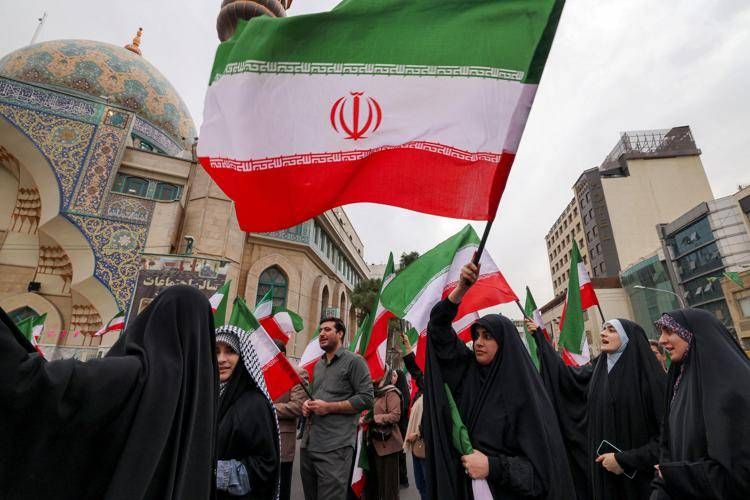
Crisis Middle East: Iran Closes Hormuz and the U.S. Launches an Attack
12 Luglio 2026
Tehran halts traffic through a critical global shipping route after an incident involving a commercial vessel. Washington responds with a...
Read More
(Photo: © AndKronos)

You must be logged in to post a comment Login