
International-News
Powell puts the brakes on interest rates: ‘It’s Trump’s tariffs’ fault’
Fed chairman responds to pressure from the White House: inflation is linked to trade policies
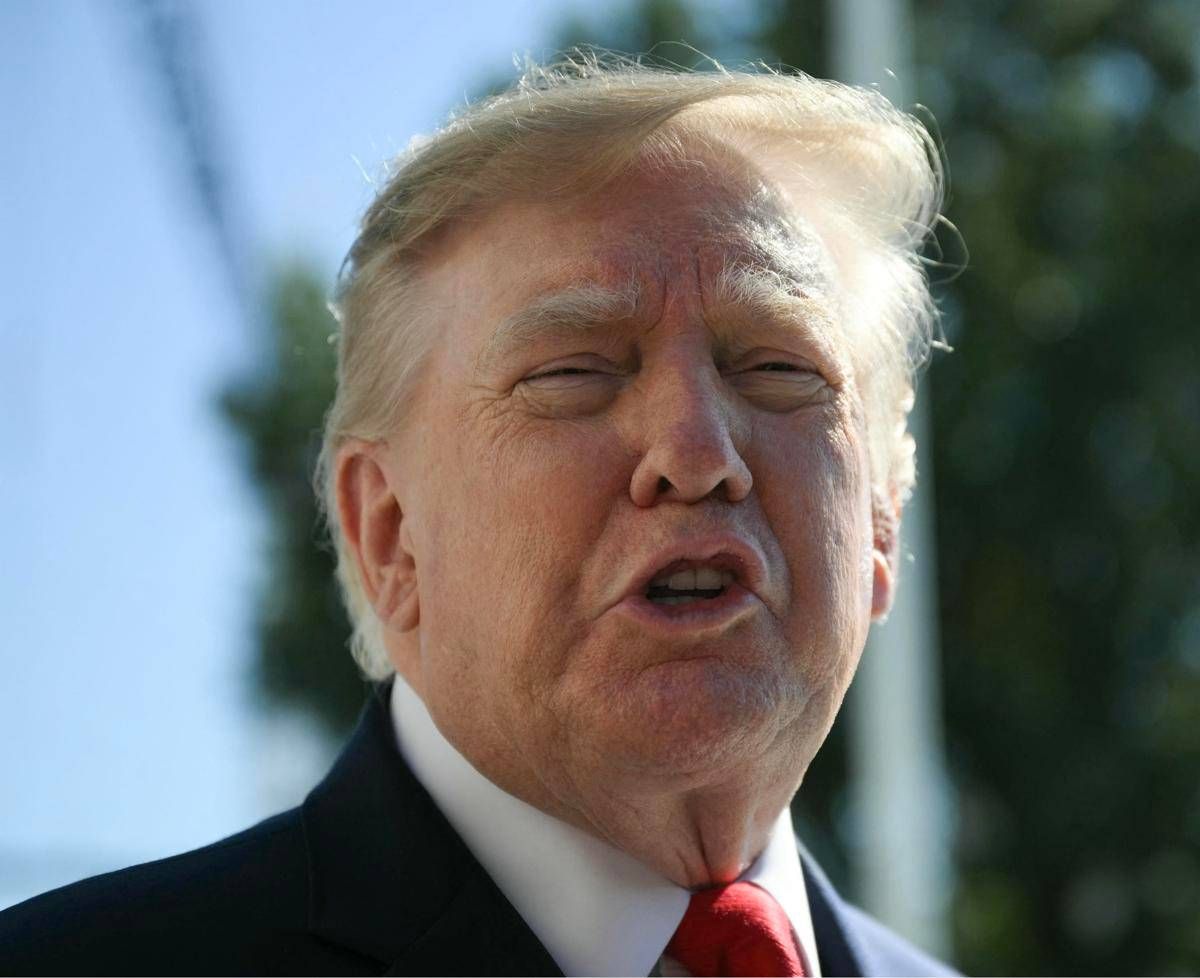
It is no secret that relations between Donald Trump and Jerome Powell are tense. But this time, the Federal Reserve chairman, long a target of criticism from the tycoon, has decided to respond decisively. He did so by linking the impossibility of cutting rates to the White House’s trade choices, particularly tariffs, which are contributing to high inflation.
‘We cannot cut rates if tariffs are pushing up prices’
During a public speech, Powell clearly explained the crux of his position: ‘Inflation in the United States has fallen to 2.3%, but after the announcement of the new tariffs, we opted for a cautious approach because inflation expectations have risen. The wisest choice in this context is to wait, observe developments and assess the effects.’
The message is clear: while Trump’s trade policy is generating new inflationary pressures, it is not possible to intervene with expansionary measures such as rate cuts without compromising price stability.
The Fed does not bow to political pressure
This is a clear criticism of the White House’s strategy. Trump has been pushing for months for the Fed to reduce the cost of money to support the economy, but Powell remains firm in defending the central bank’s independence. ‘I am very focused on my job,’ he reiterated, recalling the three pillars of the Fed’s mandate: full employment, price stability and financial stability.
Powell also sent an implicit message about public budget management, describing the need to address the federal debt issue as ‘urgent’, a topic that continues to cause friction with the Trump administration.
A Fed chairman under attack, but steadfast
Trump, for his part, continues to push for a change of leadership at the Fed, but replacing Powell is not easy. The head of the central bank has a clear mandate and shows no intention of backing down. His approach remains rooted in economic orthodoxy, even at the cost of colliding with the White House.
The result is a standoff that risks affecting the US economy, already under pressure from trade tensions and financial uncertainty. With inflation rising and markets waiting, the battle between US monetary and fiscal policy is far from over.
THE LATEST NEWS
[recent_post_slider design=”design-07″ show_author=”false” slider_height=”390″ lazyload=”progressive” limit=”6″ category=”11728″]
(Source and photo: © AndKronos)

Tom Skerritt Dies at 93, Leaving a Legacy From Alien to Picket Fences
The Emmy-winning actor built one of Hollywood’s most durable careers, moving from landmark films to acclaimed television while remaining a...
Macron Accuses Far-Left Groups of Plotting to Overthrow Republic
After convening France’s security council and intelligence chiefs, the president linked Saturday’s violence to organized far-left groups and pledged tighter...

Judi Dench Says Vision Loss Has Ended Her Stage and Film Career
More than a decade after being diagnosed with age-related macular degeneration, the Oscar-winning actress says she can no longer perform,...

Hamas minaccia un nuovo 7 ottobre: «Possiamo colpire ovunque»
L’avvertimento sarebbe stato trasmesso a Israele attraverso il coordinatore umanitario dell’Onu Ramiz Alakbarov. Nel mirino, secondo il messaggio, anche Cisgiordania...


Sondaggio Emg, centrodestra al 44% e centrosinistra al 43,1%
Fratelli d’Italia resta il primo partito con il 26% dei consensi. La rilevazione per Linea Notte su Rai3 fotografa anche...
Trump Deposition Ordered in BBC Defamation Fight Over Jan. 6 Broadcast
A Florida judge has ordered President Donald Trump to testify under oath in his lawsuit against the BBC, rejecting further...
Tempesta Harry, all’Italia 74,9 milioni dall’Ue per quasi 3 miliardi di danni
Il Parlamento europeo approva il contributo per Sicilia, Sardegna e Calabria. Le risorse coprono una quota limitata delle perdite e...


Quattro anni di Governo Meloni, il bilancio ufficiale di Palazzo Chigi
Il 22 ottobre 2026 l’esecutivo raggiunge il traguardo dei quattro anni. Ecco le slide pubblicate da Palazzo Chigi con i...
Zelensky, ironia amara su Witkoff dopo gli elogi a Putin: «Ecco gli “umanitari” a suon di razzi»
Il riferimento polemico è alle dichiarazioni di Steve Witkoff sullo «spirito umanitario» del presidente russo. Gli attacchi con 21 missili...
Italia e Spagna decidono stop ai controlli straordinari alle frontiere Schengen
L’intesa tra Matteo Piantedosi e Fernando Grande-Marlaska arriva dopo il confronto tra Giorgia Meloni e Pedro Sánchez. I due Paesi...


Russia’s Covert Disinformation Network Expanded Beyond Troll Farms, Investigation Finds
Internal documents reviewed by an independent investigative outlet detail how a Kremlin-linked operation evolved from traditional online influence campaigns into...
Trump e Putin ottimisti sulla fine della guerra, ma i dubbi restano
Il presidente americano sostiene che non si sia mai stati così vicini alla conclusione del conflitto. Intanto, a Kiev cresce...

Diritto alla riparazione, nuove regole in Italia: cosa cambia per i consumatori
Da oggi 22 ottobre entra in vigore il decreto legislativo n. 176/2026. Per i prodotti interessati sono previste più tutele...


Carburante a rischio negli scali del Sud, ai piloti chiesto di fare il pieno prima
Gesac invita gli equipaggi a imbarcare carburante negli aeroporti di provenienza per ridurre la necessità di rifornimenti negli scali campani,...

Meduna in piena, tre persone bloccate su un isolotto: salvate con l’elicottero
A Rauscedo, nel Pordenonese, l’auto è rimasta semisommersa nel torrente ingrossato. I vigili del fuoco hanno raggiunto i tre occupanti...


Netanyahu vuole rovesciare il regime iraniano, cresce la tensione con gli Usa
Il premier israeliano accusa Mojtaba Khamenei di seguire le orme del padre. Personale Usa via da ambasciate in Arabia Saudita,...
-
 News1 day ago
Carlo Calenda aderisce allo sciopero della fame per Oleshky
-
 International-News1 day ago
He Was Washing Dishes in New York. Now He’s About to Walk Across America
-
 News2 days ago
Protesta autotrasportatori, Sud Italia in difficoltà: carburante e trasporti a rischio
-
 In Evidenza2 days ago
Zelensky avverte Trump: «Niente accordi sull’Ucraina senza Kiev»