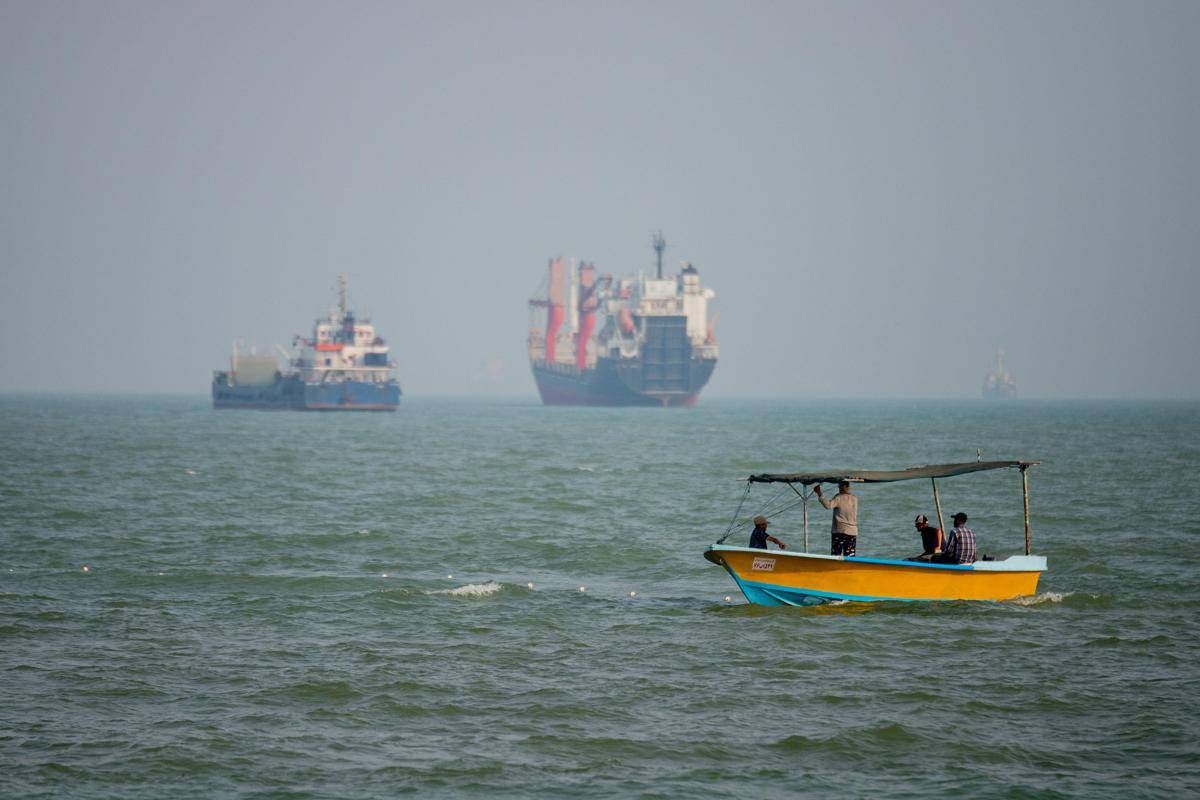
Regional tensions intensified after Iranian authorities reported three tanker incidents near the Strait of Hormuz, even as mediators pushed a...
Read More
International-News
Trump’s shifting stance on Iran and the Strait of Hormuz
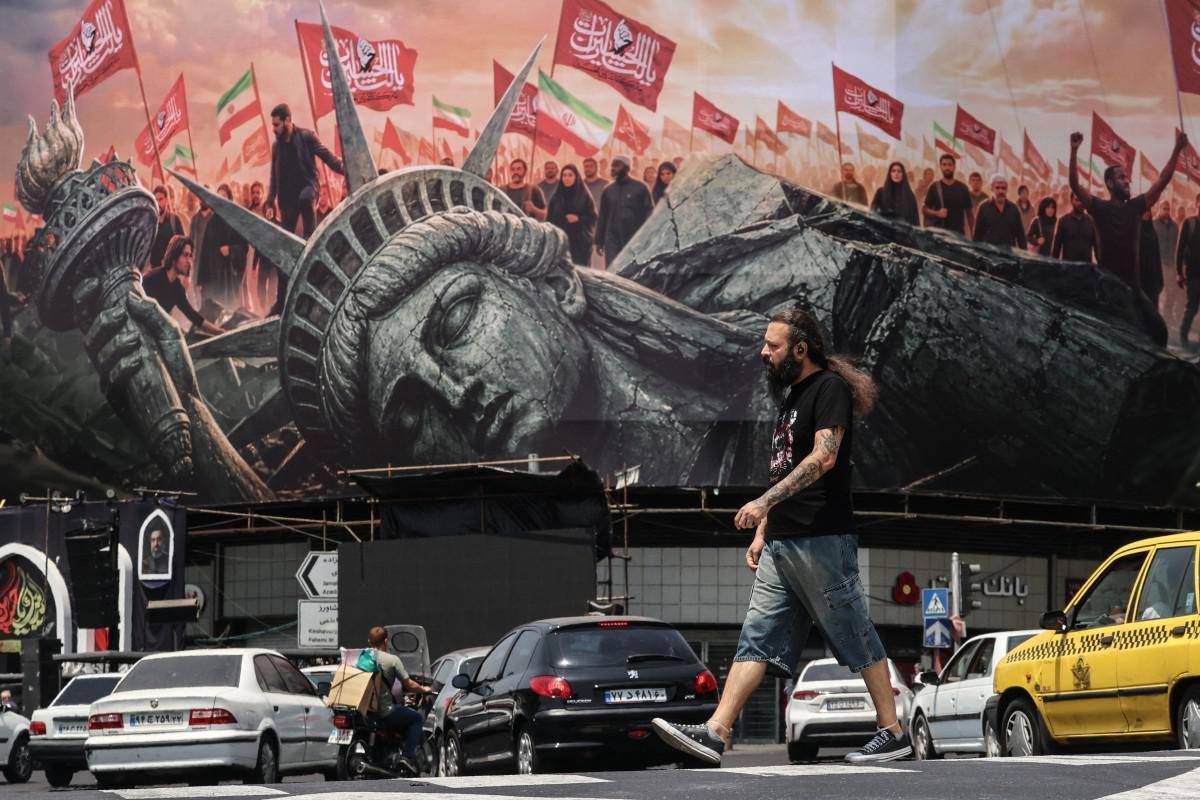
Threats, pauses, and negotiations mark months of U.S. messaging
Donald Trump’s shifting stance on Iran and the Strait of Hormuz has defined months of escalating rhetoric punctuated by abrupt reversals, as the U.S. president alternates between threats of military action and references to ongoing diplomatic contacts.
Since Feb. 28, when the United States and Israel launched military operations against Iran—prompting responses from Tehran—Trump has repeatedly declared victory while warning of further strikes. His messaging has centered on a critical geopolitical chokepoint: the Strait of Hormuz.
On March 21, Trump issued a stark ultimatum, warning that unless Iran fully reopened the strait within 48 hours “without any threat,” the United States would attack and destroy its power plants, starting with the largest. Within days, however, he extended the deadline by five days, citing “very positive and productive talks” with Iran, and later suspended the threat for an additional ten days, again pointing to diplomatic efforts.
The pattern repeated on April 7. In a post on Truth Social, Trump escalated his language dramatically, declaring that “an entire civilization” of more than 90 million people in Iran could die “tonight.” Hours later, he announced a two-week suspension of bombings and attacks, accepting a truce proposal mediated by Pakistani interlocutors.
On June 11, Trump returned to a more aggressive tone, stating that the United States would strike Iran “very hard” that same evening and outlining plans to seize Kharg Island and other oil infrastructure to gain “total control” over Iranian oil and gas markets. Five hours later, he reversed course, saying planned raids and bombings had been canceled due to progress in negotiations aimed at ending the conflict.
The most recent shift came on July 31, when speaking from Camp David, Trump said the United States would eventually hit Iran “very hard,” predicting that Tehran would reach a breaking point. The following day, he wrote on Truth Social that U.S. forces had been ready to strike with levels of military force “never seen since World War II,” but that attacks were suspended at the request of Iran and other Middle Eastern countries.
Across these episodes, Trump’s rhetoric has consistently oscillated between escalation and de-escalation, with references to imminent military action often followed by pauses attributed to diplomatic developments or external appeals.
THE LATEST NEWS
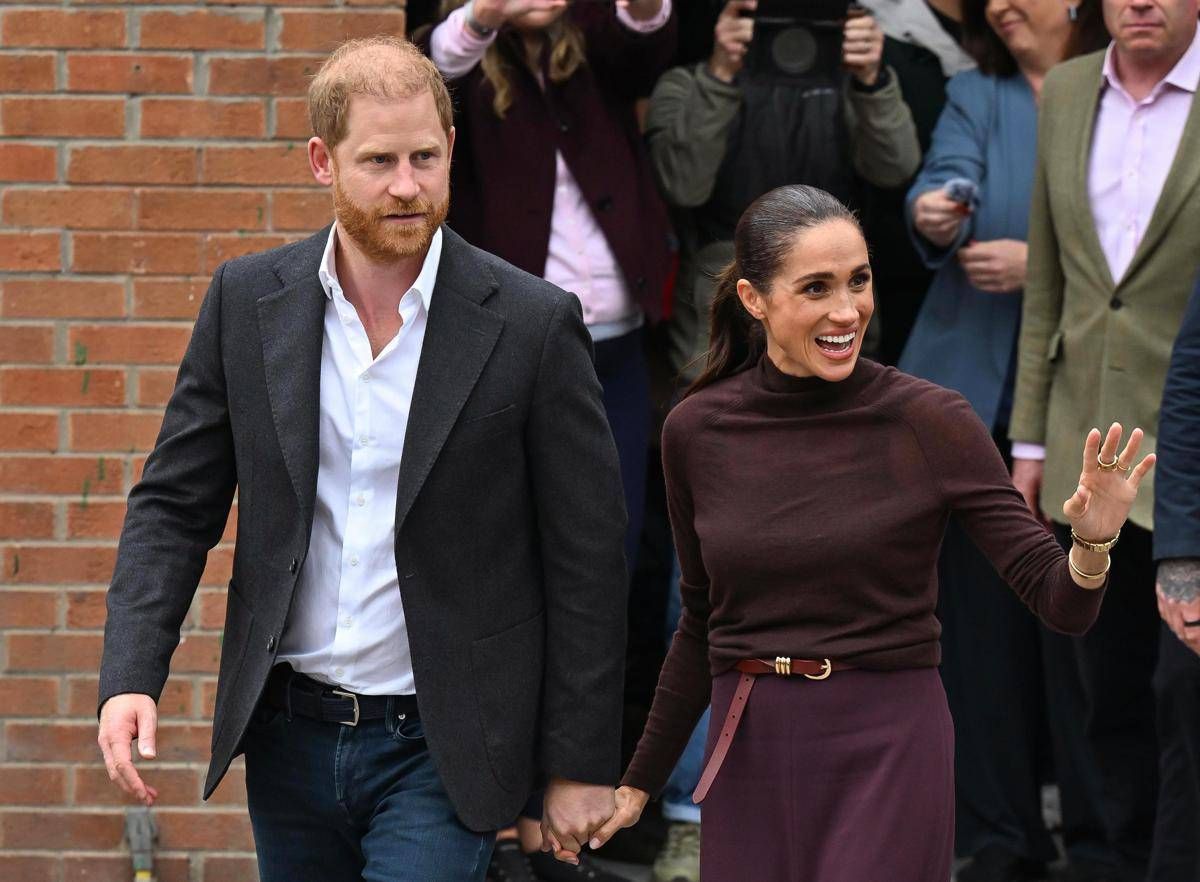
Prince Harry Says He Wants Reconciliation With the Royal Family
20 October 2026
The Duke of Sussex calls reconciliation "the most important thing" and urges people not to carry family conflicts forever After...
Read More
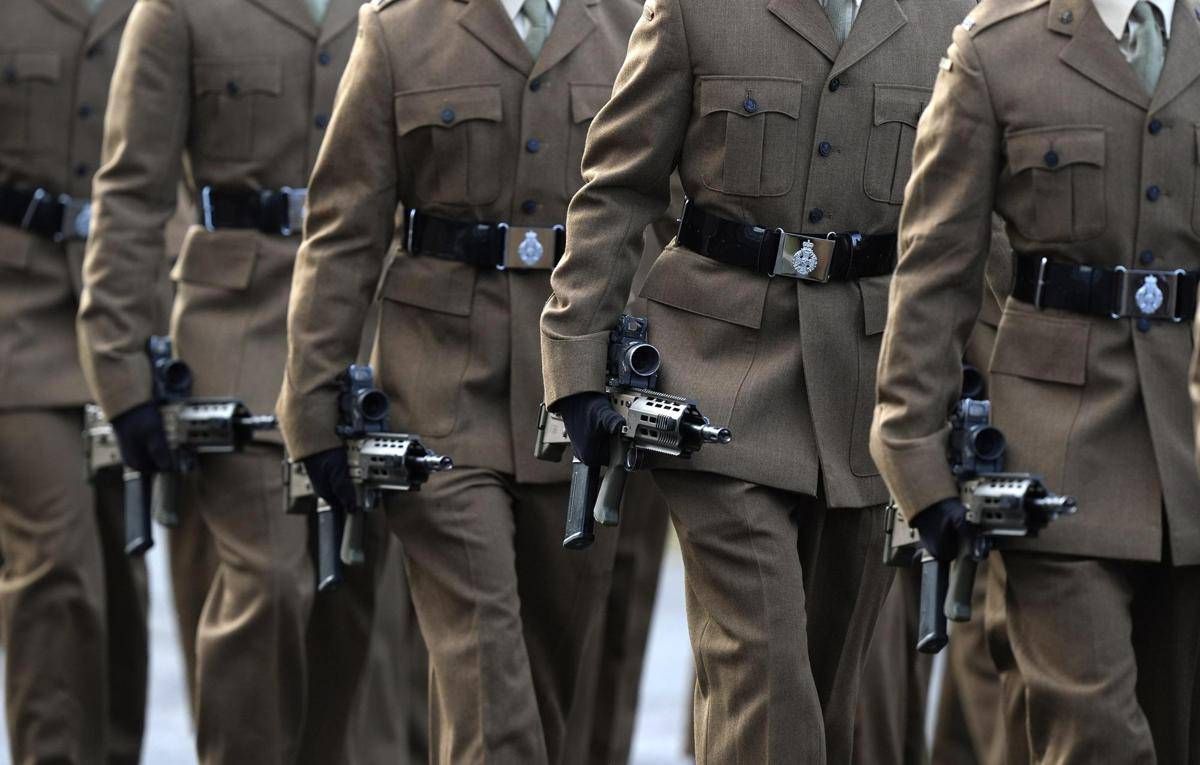
Is Britain Ready for War? Former Government Adviser Says No
20 October 2026
Former adviser to Chancellor Philip Hammond says the U.K.'s force structure and spending priorities leave the country ill-prepared for a...
Read More
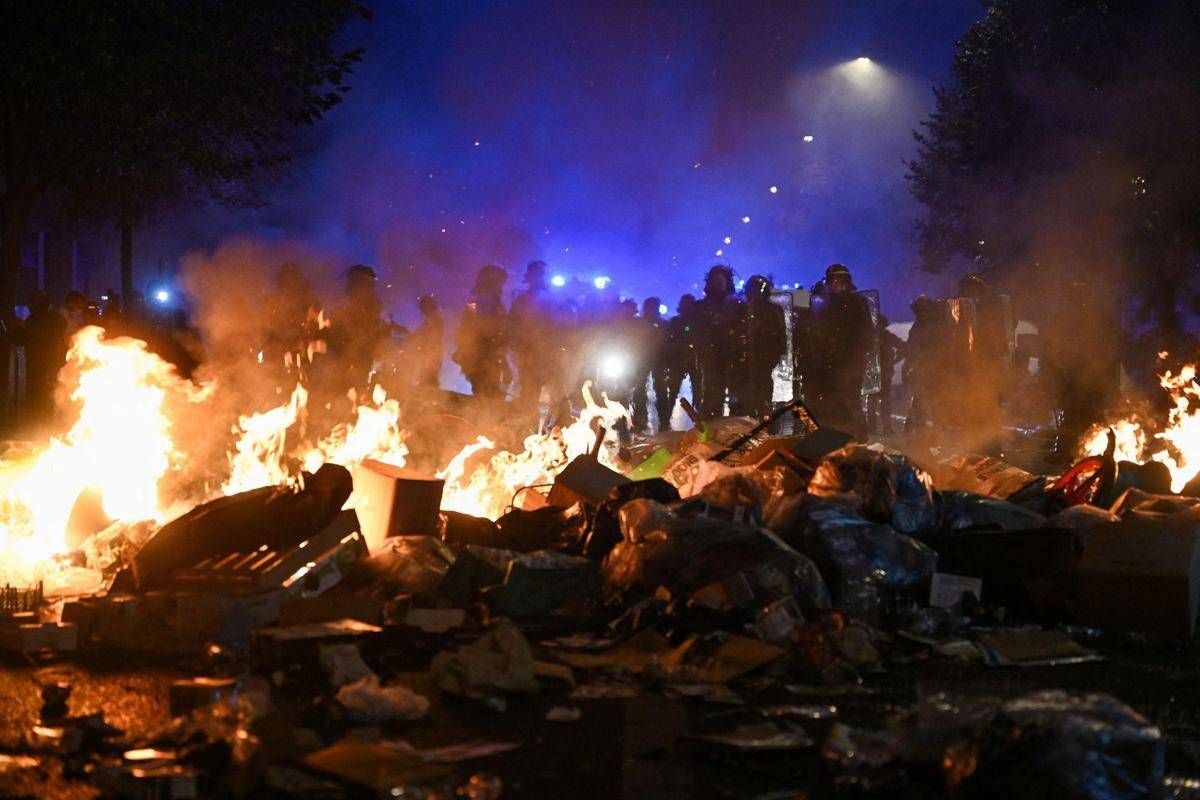
Macron’s Election-Year Crisis: France Imposes Curfews After Unrest
20 October 2026
Violence, looting and mass arrests following nationwide cost-of-living protests have pushed the French government into emergency mode, with new demonstrations...
Read More
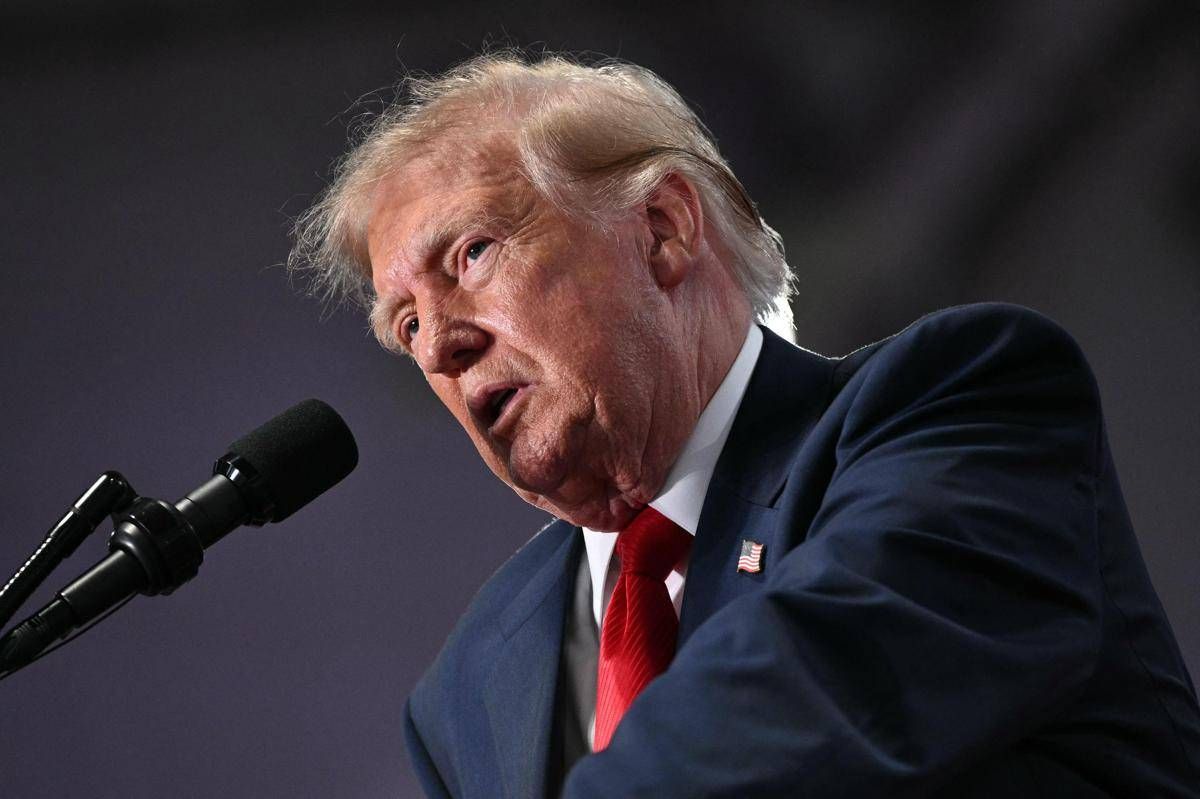
Trump Wants Ukraine Talks With Putin and Xi, Not Zelensky
20 October 2026
A potential trilateral summit in China would bring together the leaders of the United States, Russia and China while the...
Read More
Iran’s Nuclear Taboo Is Crumbling as Hardliners Push for the Bomb
20 October 2026
The death of Ali Khamenei, the war involving the United States and Israel, and uncertainty over the new supreme leader's...
Read More
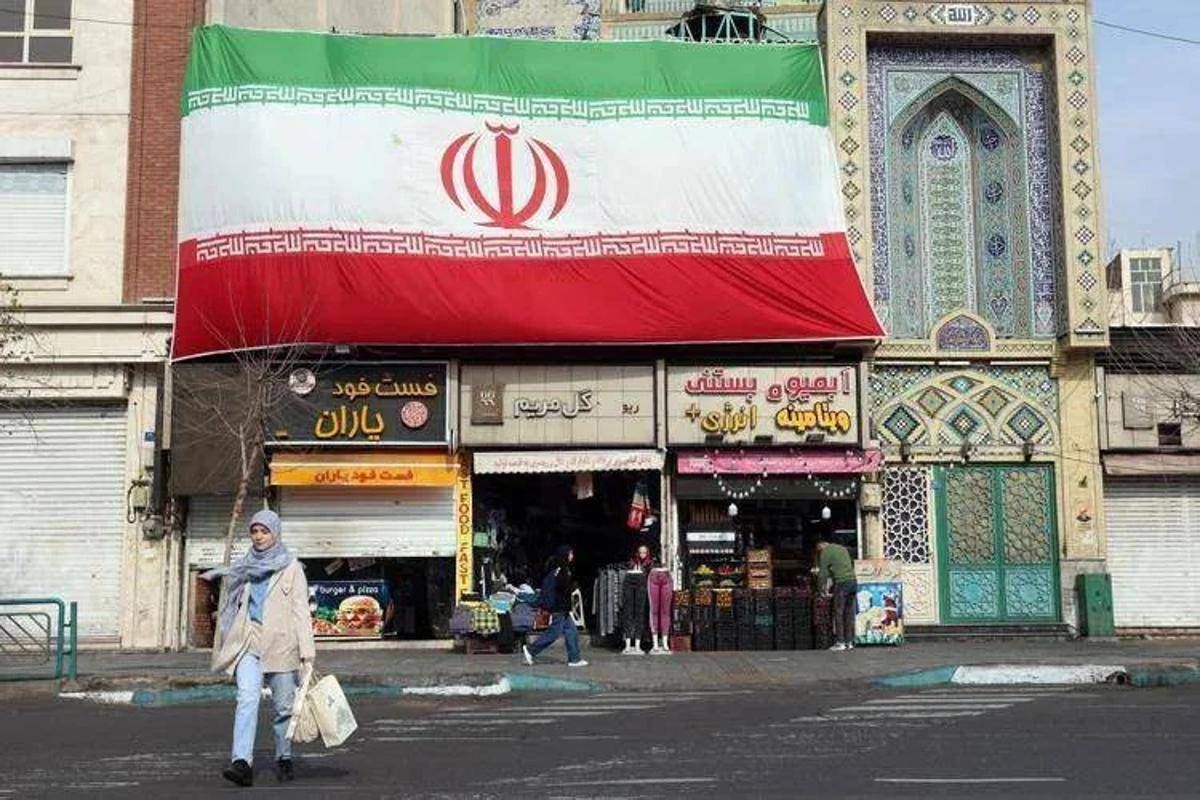
(Photo: © AndKronos)