International-News
Iran war expands across Middle East as US and allies strike back
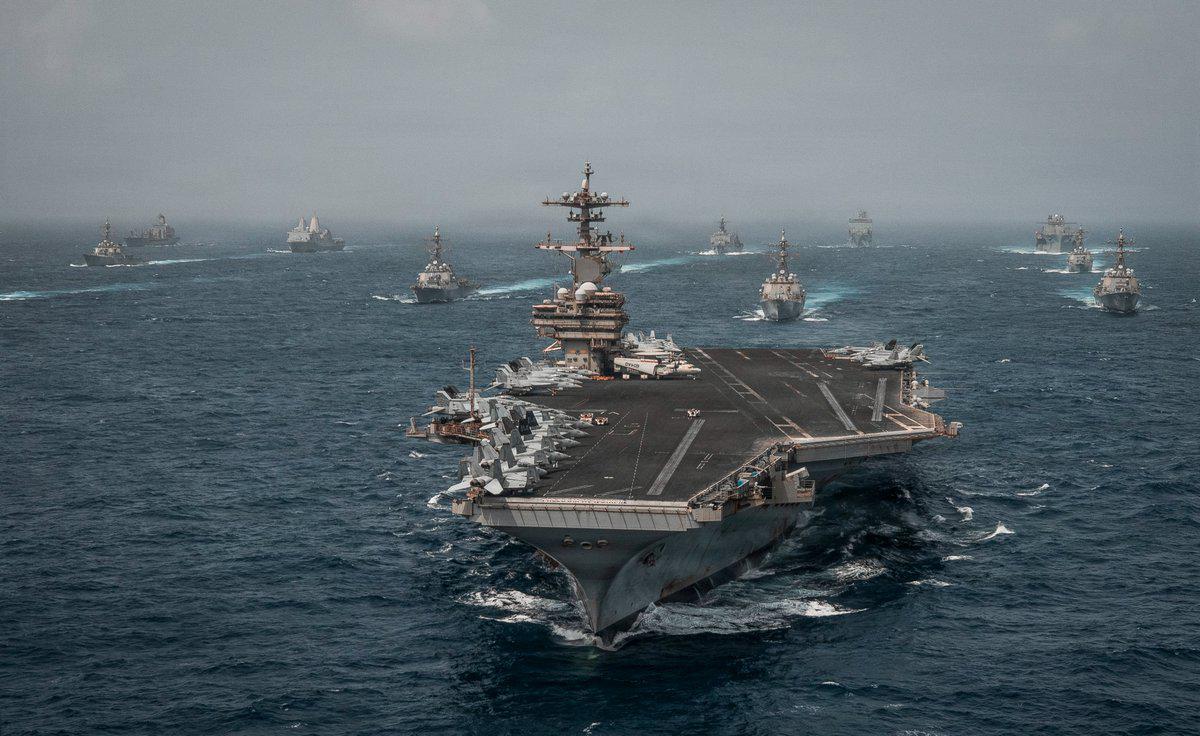
Missiles, drone attacks and new fronts involve Iraq, Jordan, Lebanon and Gulf states after escalation with Tehran
The Iran war expands across the Middle East as the conflict that began with US and Israeli strikes on February 28 spreads into a wider regional confrontation, involving Iraq, Jordan, Lebanon, Saudi Arabia, Kuwait and Egypt.
After several days of relative calm, a new wave of attacks and retaliatory operations has opened additional fronts, with an increasing number of countries becoming directly or indirectly involved.
Saudi Arabia, facing pressure from Iran, Yemen’s Houthi movement and Iran-backed militias in Iraq, ended its previous caution and joined the United States on July 29 in strikes against targets linked to Iraq’s Popular Mobilization Forces.
Iran strikes US positions, Washington responds
During the night between July 28 and 29, Iran launched ballistic missiles against a US base in Jordan. The United States responded the following night with airstrikes against Iranian targets, following President Donald Trump’s statements promising a strong reaction after the attack on the American facility.
A further escalation came after an Iranian strike in Kuwait, where a Chinese company employee was killed in the north of the country.
A drone attack also hit an American LNG carrier in the port of Damietta, Egypt, adding another element of tension to the regional crisis.
New fronts from Iraq to the Gulf
The escalation comes as attempts to restart peace negotiations have stalled and the conflict has expanded beyond the original battlefield.
According to the New York Times, groups linked to Tehran across the region have opened new fronts and reactivated old ones, involving forces in Saudi Arabia, Iraq, Lebanon and Jordan.
The involvement of Saudi Arabia in Wednesday’s strikes marked a significant change, as Riyadh had previously avoided becoming an open participant in the US-Israeli confrontation with Iran. Saudi forces had carried out retaliatory operations against Tehran before, but according to US officials they had been conducted discreetly.
The Saudi response followed a series of drone attacks against the kingdom’s oil infrastructure. Attacks by Houthi militants — Iran’s ally in Yemen — against Saudi targets have also increased pressure on maritime routes used for oil transportation in the Red Sea region.
Oil prices and US political pressure
The widening conflict risks creating new economic consequences, particularly through a possible surge in oil prices and renewed inflationary pressure.
The expansion of fighting also complicates the Trump administration’s efforts to find a way out of a conflict that could become increasingly difficult to manage ahead of the US midterm elections scheduled for this autumn.
US strikes in Iraq
The US military said Wednesday’s strikes in Iraq were retaliation for more than 30 drone attacks carried out by Iran-backed groups in the previous 72 hours.
According to a US official, the targets included members of the Popular Mobilization Forces, an Iraqi coalition of militias with ties to Iran. The raids killed around 20 Iranian advisers, including senior technical officials and liaison officers from the Islamic Revolutionary Guard Corps.
No Iraqi militia group has claimed responsibility for the drone attacks. Iraqi Prime Minister spokesman Sabah Al-Numan told the Iraqi News Agency that there was no evidence proving Iraqi territory had been used to launch attacks against Saudi Arabia earlier in the week.
“No party has so far provided any evidence supporting these claims,” he said.
Lebanon ceasefire under pressure
The ceasefire in Lebanon is also showing signs of strain as Israel and Beirut attempt to implement an agreement aimed at ending months of fighting, an agreement rejected by Hezbollah.
The Israeli military accused Hezbollah of a “blatant violation of the ceasefire,” claiming that the Iran-backed group had launched a drone against an Israeli vehicle in southern Lebanon, an area currently controlled by Israeli forces.
Washington and Tehran remain locked in confrontation
According to Dana Stroul, a former senior Pentagon official during the Biden administration, cited by the Washington Post, both Trump and Tehran appear to be facing a deadlock, with neither side seeing clear advantages in continuing the conflict or believing negotiations could produce a decisive outcome.
Stroul, now director of research at the Washington Institute for Near East Policy, said there was growing pessimism in both capitals over the possibility of reaching a diplomatic agreement.
She argued that both sides appear to be continuing military operations from a position of weakness: Trump because a large-scale intervention could affect support among his electoral base ahead of the midterm elections, and Iran because it believes it is facing a moment of maximum strategic leverage.
According to the Pentagon, 18 US military personnel have been killed in the conflict so far and more than 600 have been wounded. Iran’s Health Ministry has reported more than 3,500 Iranian deaths.
THE LATEST NEWS
[recent_post_slider design=”design-07″ show_author=”false” slider_height=”390″ lazyload=”progressive” limit=”6″ category=”11728″]
(Photo: © AndKronos)