The NATO secretary general says there is no imminent threat to alliance territory, argues Moscow's nuclear rhetoric should not alter...
Read More
International-News
Israel bombs Iran: unprecedented attack on Tehran and nuclear sites
Operation ‘Rising Lion’ unleashes an unprecedented attack: strategic facilities hit and chain of command decapitated. Netanyahu: ‘It was a matter of survival.’ The risk of a regional war is growing, and Tehran will not stand idly by…
A massive and unprecedented attack that risks sparking a fierce war and igniting the entire Middle East. It was just after 2 a.m. in Italy when Israel launched Operation Rising Lion, unleashing a wave of bombings across Iranian territory. The main targets were nuclear sites and military bases. Bombs also fell on the capital Tehran and seven other cities. In a few hours, the raids decapitated the country’s military leadership and killed Iran’s leading nuclear scientists.
About 200 Israeli fighter jets targeted the bases of the Revolutionary Guards and the uranium enrichment plant in Natanz. According to the International Atomic Energy Agency (IAEA), there was no damage to the heavily fortified sites in Fordow and Isfahan, nor were there any increases in radiation levels in Natanz.
Israeli Prime Minister Benjamin Netanyahu said the operation aims to “strike at the heart” of Iran’s nuclear programme, which is believed to be aimed at producing nuclear weapons. The first diplomatic result is already visible: Tehran has cancelled the sixth round of talks with the United States scheduled for Sunday in Oman.
‘The Israeli attack was not a limited operation, like the one carried out on Iranian territory on 26 October 2024, but marks the beginning of an offensive that is set to last many days.’
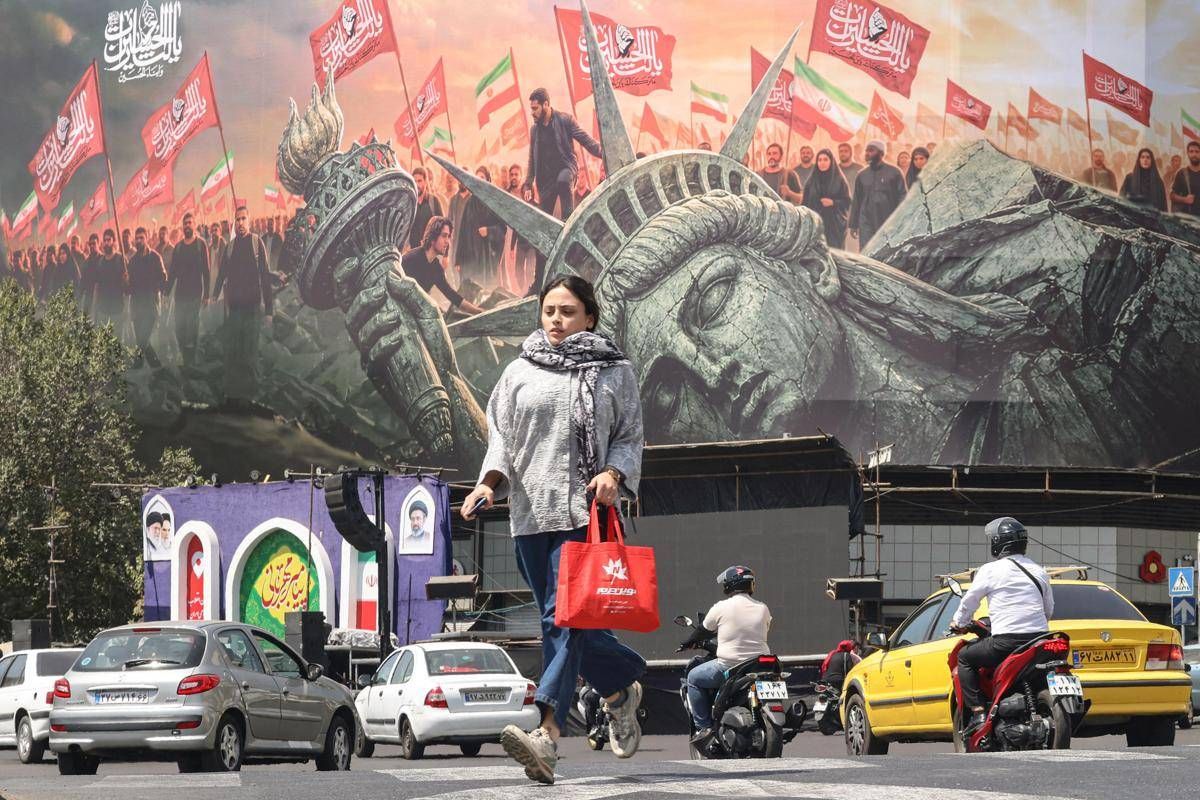
Iran’s response has been harsh. Ayatollah Ali Khamenei called the attack a “crime” and promised “severe punishment”, speaking of “satanic and bloody hands” and predicting “a bitter and painful fate” for Israel.
In a video message, Netanyahu said that Israel had acted without a guarantee of full support from the United States, calling the operation a matter of survival: ‘I hoped that the United States would not oppose it, but we had no choice. Without their support, we might not have done it, but the alternative was death.’ Washington, he said, had been warned in advance, and now it will be up to President Donald Trump to decide how to proceed.
The prime minister admitted that the operation ‘was not perfect,’ but stressed the need to stop Iran’s nuclear programme. He explained that he had long sought US support together with Minister of Strategic Affairs Ron Dermer in prolonged talks with American leaders.
According to Netanyahu, the order to strike had already been issued in November 2024, after the killing of Hezbollah leader Hassan Nasrallah. Iran, he said, would have accelerated towards the bomb following the collapse of its regional axis. The attack was initially planned for April 2025 but was postponed for unspecified reasons. One possible cause may have been Trump’s announced willingness to open direct negotiations with Tehran.
Netanyahu also revealed that Iran, after Israeli raids on its missiles in 2024, had started producing 300 ballistic missiles per month. ‘We decided we couldn’t wait any longer,’ he said, recalling that he had wanted to strike as early as 2011-2012 but had not found the necessary support at the time.
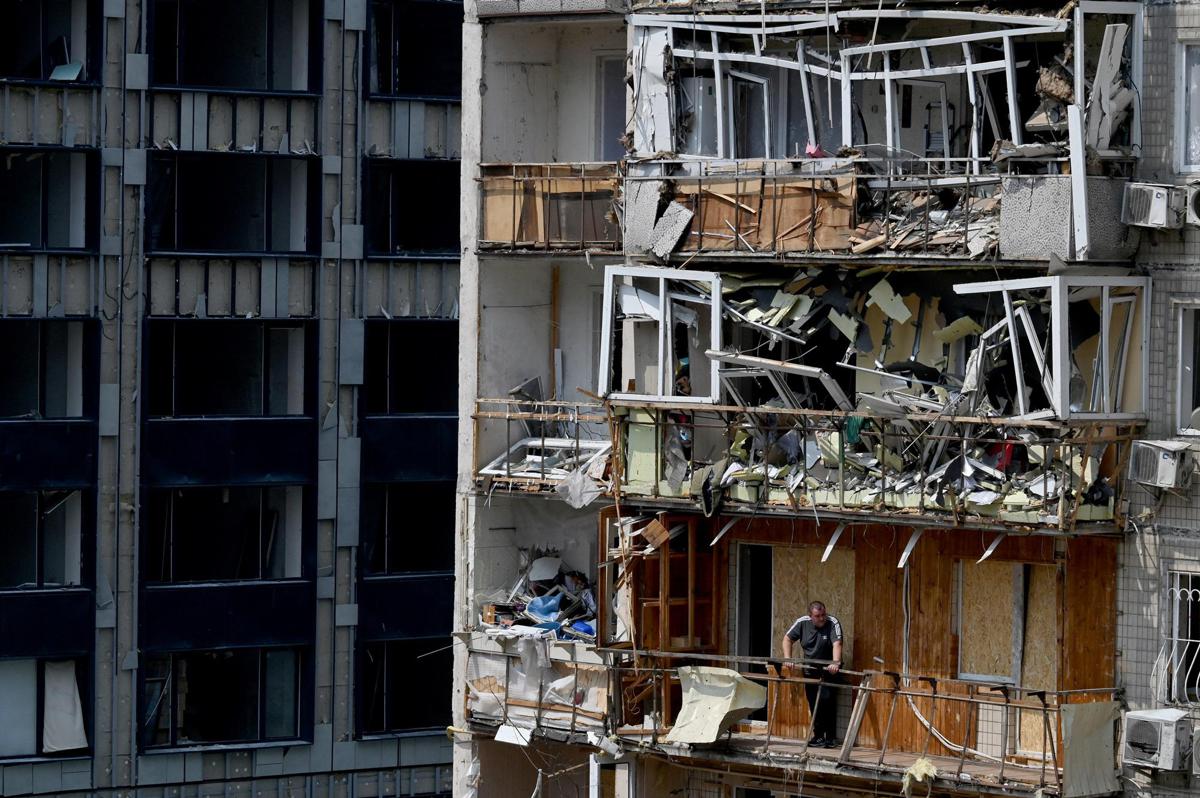
The toll from the attacks is very heavy. According to the local website Nournews, in Tehran – where a residential area was also hit – there are at least 78 dead and 329 wounded. Among the victims are numerous senior military leaders: Chief of Staff Mohammad Bagheri (replaced by Abdolrahim Mousavi), Revolutionary Guard Commander Hossein Salami (now replaced by Mohammad Pakpour), Central Headquarters Commander Gholamali Rashid (replaced by Ali Shadmani), and Pasdaran Aerospace Sector Chief Ali Hajizadeh.
Esmail Ghaani, commander of the Quds Force, who had inherited the command from Qassem Soleimani, killed by the US in 2020, was also killed. Among the scientists killed were Fereydoun Abbasi, former head of the Atomic Energy Organisation, and Mohammed Mehdi Tehranchi, president of Azad Islamic University. According to the New York Times, Ali Shamkhani, an influential adviser to Khamenei, also died.
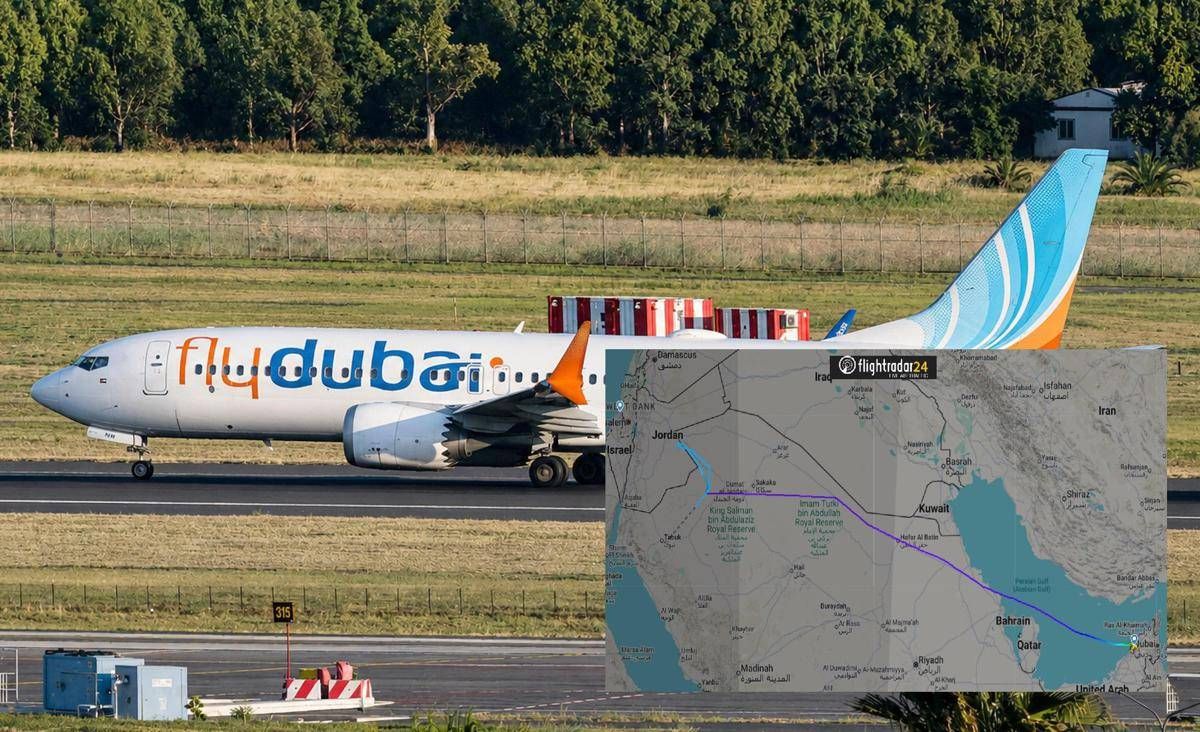
Iran reportedly responded by launching a hundred drones towards Israel, but the news was denied by a source quoted by the Fars news agency. Tel Aviv remains on alert and continues to strike Iranian targets. ‘The toll will be different from what we are used to,’ said Israeli Chief of Staff Eyal Zamir, also announcing the closure of all diplomatic missions.
The new commander of the Revolutionary Guards, Mohammad Pakpour, said: ‘The gates of hell will soon open for Israel, a child-killing regime. Today’s crime will not go unanswered.’
The international community has reacted in different ways. US President Donald Trump reaffirmed his support for Israel, calling on Iran to negotiate: ‘Save what remains of your empire, enough death and destruction.’ Russia expressed “concern”, while French President Emmanuel Macron defended Israel’s right to defend itself, but called for ‘maximum restraint’. German Chancellor Friedrich Merz reiterated the same position.
Italian Foreign Minister Antonio Tajani had a telephone conversation with his Iranian counterpart Abbas Araghchi, urging Tehran to avoid an escalation, which he described as ‘dangerous for the entire region.’
On the pro-Iran side, signs of support came from Hezbollah, the Houthis, Turkish President Recep Tayyip Erdogan – who called the attack ‘a clear provocation’ – and even Saudi Arabia, which condemned Israel’s ‘aggression.’ Today, at Iran’s request, the United Nations Security Council will hold an emergency meeting.
THE LATEST NEWS
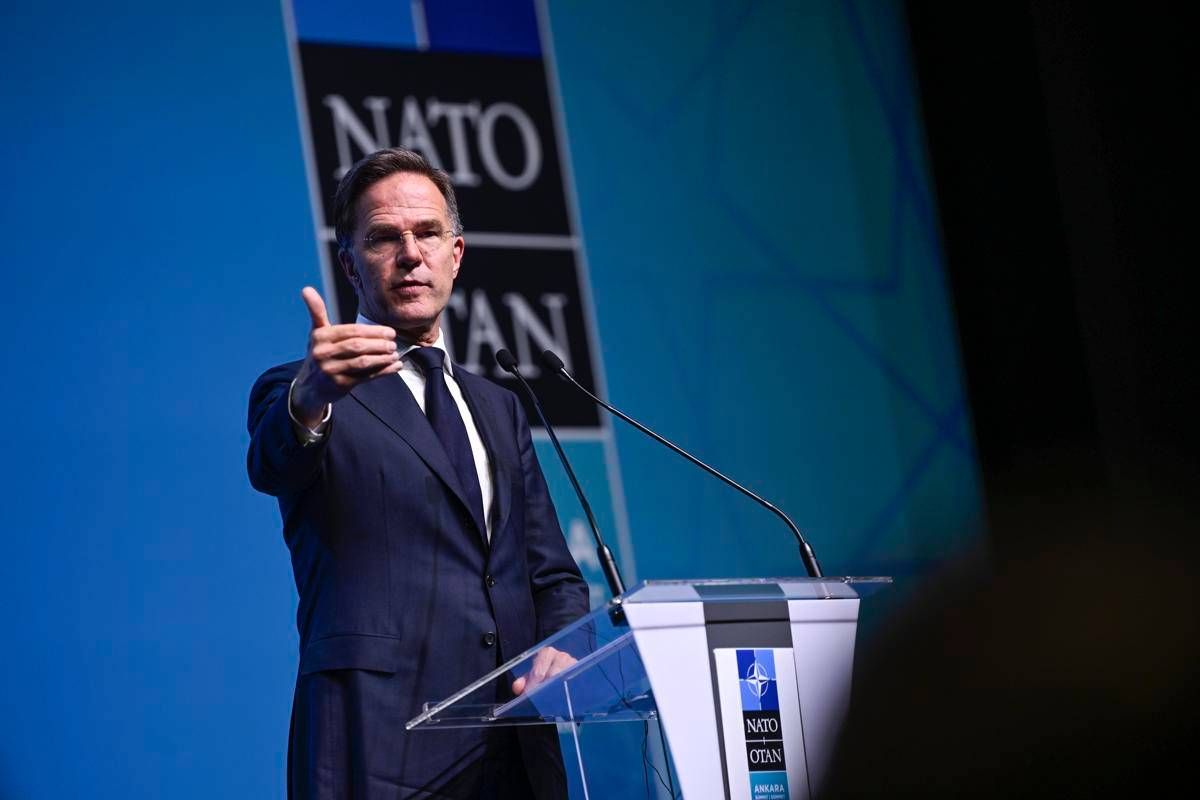
Police Hunt Suspect After Three Workers Shot at Virginia Rental Company
30 September 2026
Three United Rentals employees suffered potentially life-threatening injuries after a colleague allegedly opened fire at the company's Manassas facility before...
Read More
Tennessee Set to Execute Christa Pike, the Only Woman on Death Row for a Crime Committed as a Teenager
30 September 2026
The scheduled execution of a woman convicted of murder at 18 has reignited debate over capital punishment, trauma, and justice...
Read More

Queen Camilla angered by Harry and Meghan’s silence on Diana memoir
30 September 2026
Reports suggest Queen Camilla views the Sussexes' lack of public response to Earl Spencer's new memoir as a betrayal amid...
Read More

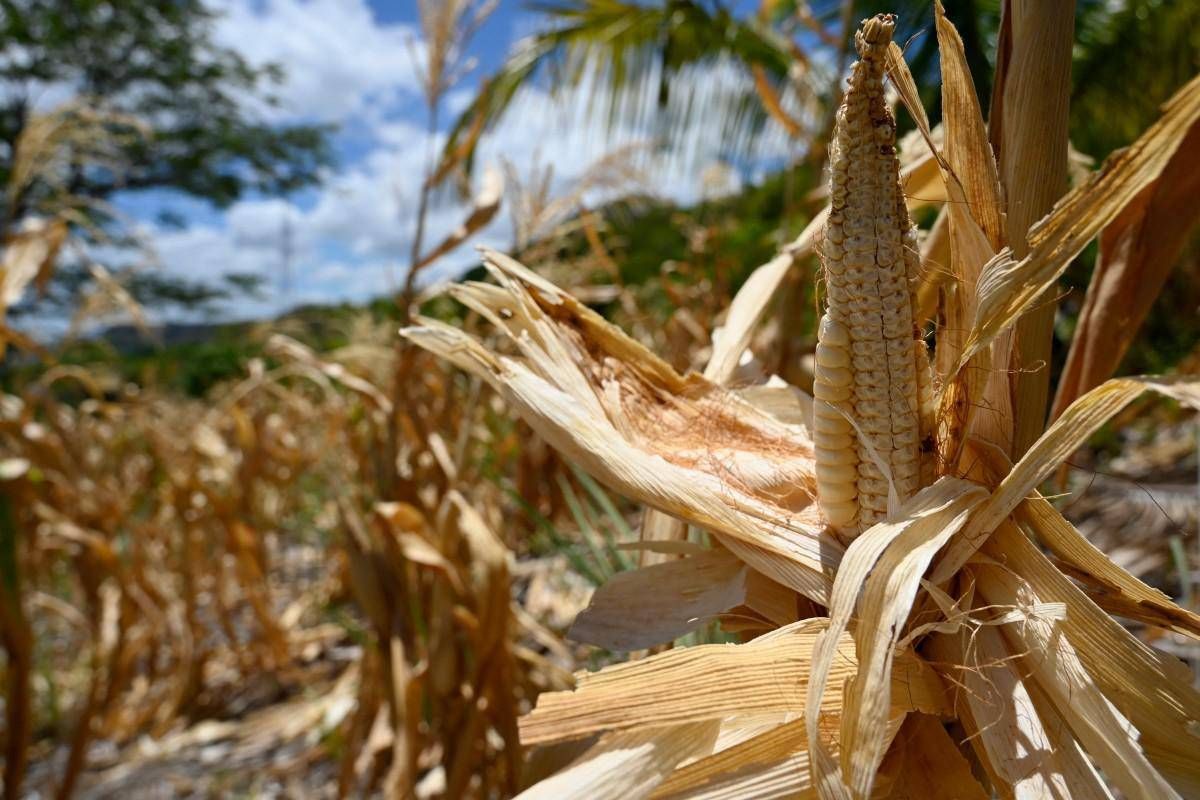
OECD Warns of Potentially Severe El Niño as Food Price Risks Mount
29 September 2026
A very strong El Niño could hit harvests across Africa, Southeast Asia and Central America, adding fresh inflationary pressures to...
Read More
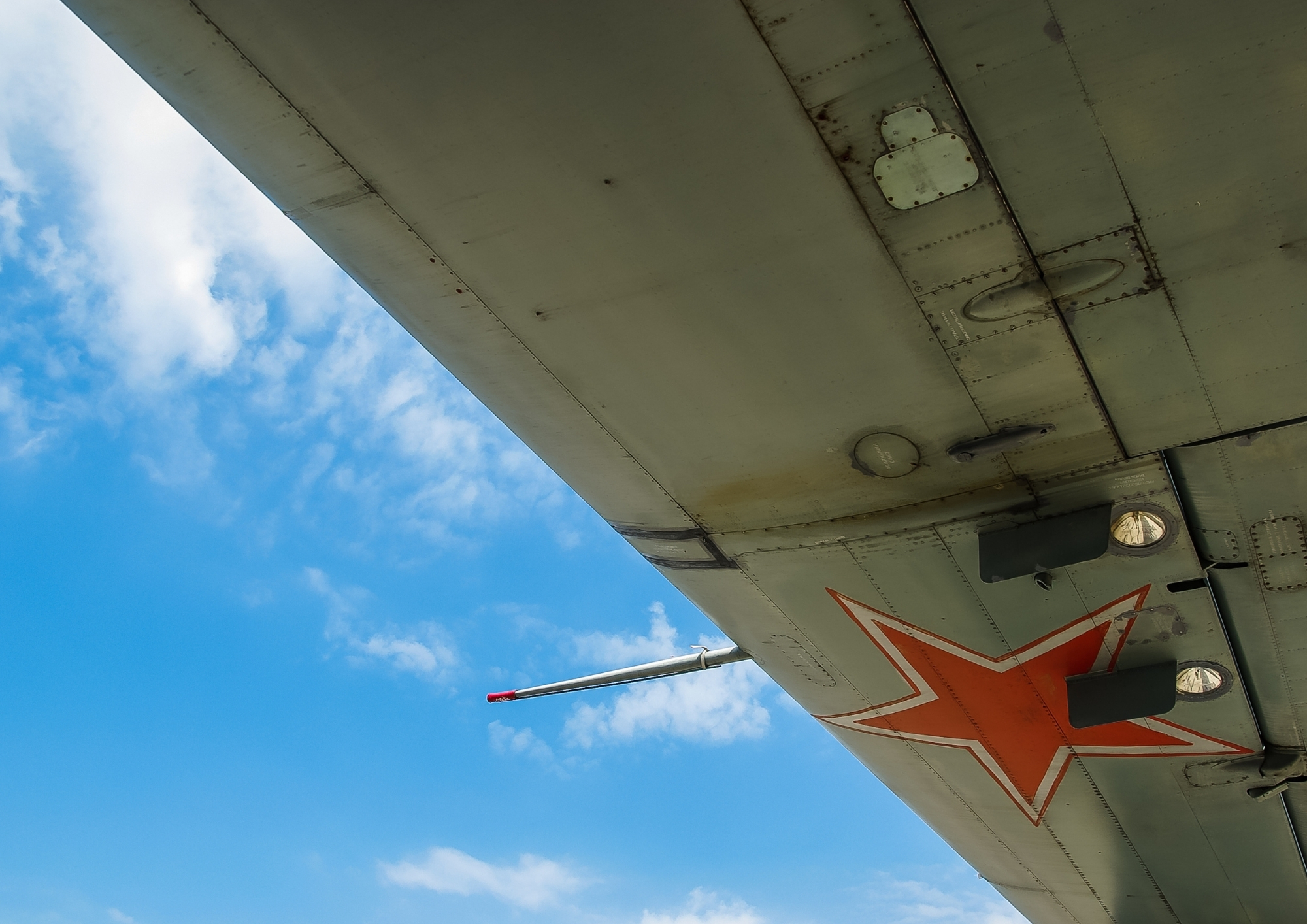
Russia Warns NATO Over Kaliningrad Isolation Scenario
29 September 2026
Moscow says any attempt to sever the Baltic exclave from the Russian mainland would trigger a response using all available...
Read More
(Photo: © AndKronos)