Less than a month after the US-Iran memorandum of understanding, military tensions have risen again with new strikes, accusations and...
Read More
International-News
How world leaders view Andy Burnham as potential UK prime minister
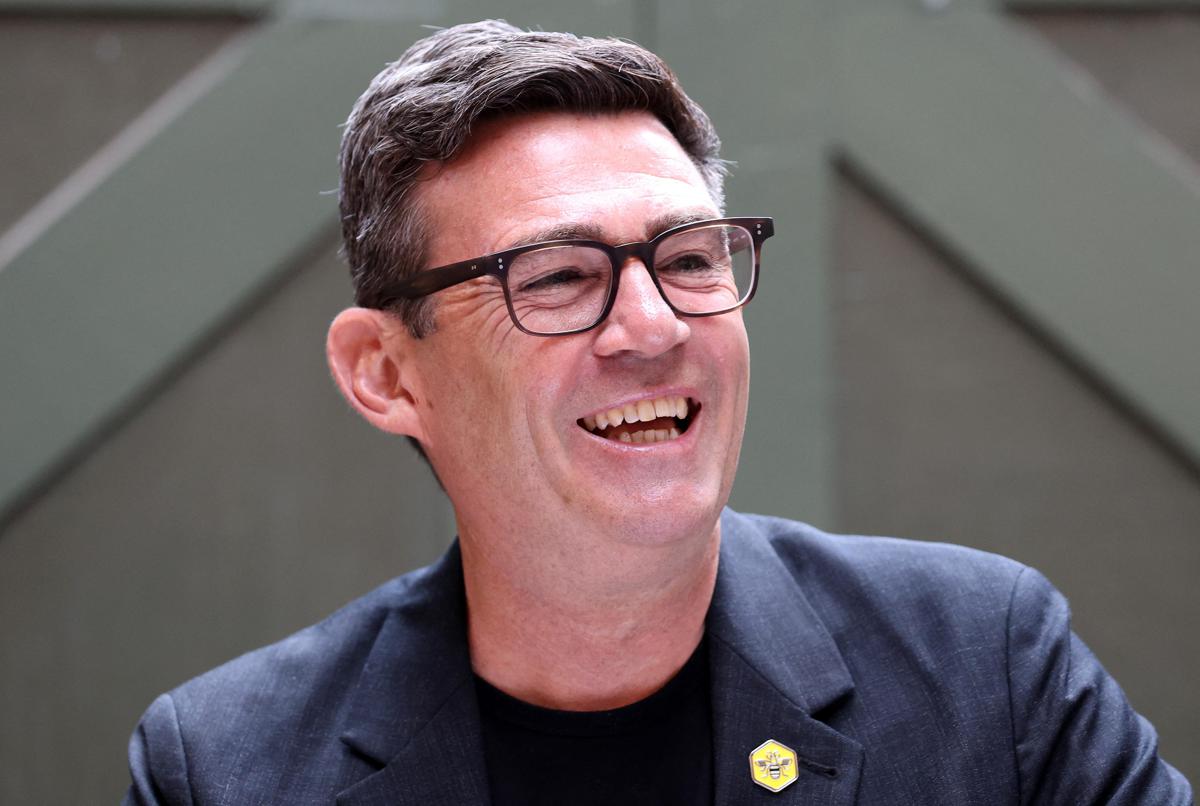
BBC analysis outlines skepticism in Washington, caution in Brussels and continuity expected in Moscow
How world leaders view Andy Burnham as potential UK prime minister is becoming a central question as the Labour figure is increasingly seen as a possible successor to Keir Starmer at Downing Street.
In Washington, the focus is on Burnham’s prospective relationship with President Donald Trump, who has previously criticized Starmer’s leadership. Trump has so far taken a skeptical view of Burnham, describing him as “extremely liberal” and doubting his ability to tackle immigration or support oil and gas drilling in the North Sea. U.S. officials also expect Ed Miliband to take a senior economic role, noting his past opposition to new drilling licenses. At the same time, there are indications that Washington is pressing Burnham’s team to ensure continuity in foreign policy, including the possible confirmation of Yvette Cooper as foreign secretary.
Burnham’s limited profile in the United States is seen as both a risk and an opportunity. It could allow him to build a working relationship with Trump from scratch, but it also leaves space for early political differences to shape ties before any personal rapport is established.
In Beijing, the dominant reaction is frustration with the UK’s repeated political turnover. Burnham has previously cited China’s high-speed rail network as a model for northern England and was open to regional cooperation in 2018. As prime minister, however, he would face a more complex balance between economic engagement and national security concerns. Chinese officials are expected to watch closely, hoping London will treat Beijing as a stable partner, while some analysts interpret the frequent смена of British leadership as a sign of post-Brexit instability.
Moscow does not expect a shift in relations. Russian officials and media portray Burnham as a consistent critic who supports a tougher Western stance. Kremlin spokesperson Dmitry Peskov said it is unlikely any British political figure would diverge from Starmer’s position. Burnham has opposed Russia’s actions in Crimea since 2014, criticized the 2018 World Cup in Russia, and backed Ukraine since 2022.
In Kyiv, concern centers on continuity rather than on Burnham himself. As Ukraine enters the fifth year since Russia’s invasion, it faces the prospect of a fifth UK prime minister in that period. Ukrainian officials stress the need for sustained military aid, drone deliveries, and economic support. British backing has remained consistent across successive governments, and there is no indication this would change under Burnham.
Across the European Union, attention is focused on defense spending and economic ties. Member states are waiting to see whether Burnham will uphold the commitment to raise defense spending to 3.5 percent of GDP by 2035 and whether he will pursue a reset in relations with the bloc. Questions remain over Labour’s red lines, including opposition to freedom of movement, rejoining the customs union, or the single market.
France is looking for continuity. Foreign Minister Jean-Noël Barrot has expressed hope for stability and alignment with Starmer’s approach. Paris is also seeking stronger cooperation on migration across the Channel and closer defense coordination, building on joint efforts related to Ukraine and the Strait of Hormuz.
In India, Burnham remains largely unknown. Diplomatic sources note that Britain’s frequent leadership changes contrast with the stability of the Bharatiya Janata Party under Prime Minister Narendra Modi. Indian officials have remained publicly silent, though some observers in New Delhi suggest the UK’s political transition may still be unsettled. Former High Commissioner Yashvardhan Kumar Sinha described Burnham as a “popular leader” facing a resurgent reform movement.
THE LATEST NEWS
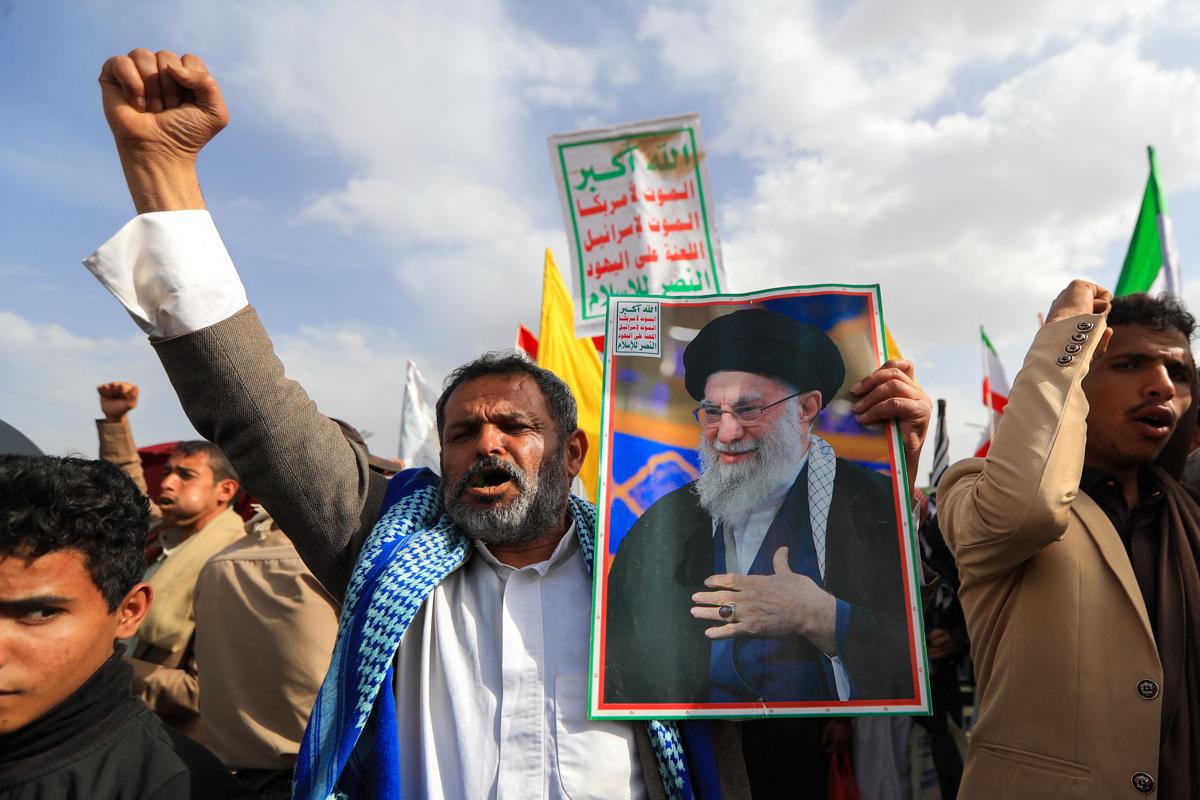
Russian ballistic missile strike on Kyiv as drone attack hits refinery
14 Luglio 2026
Explosions in the Ukrainian capital overnight; reported drone strike targets major Russian oil facility deep behind the front line A...
Read More
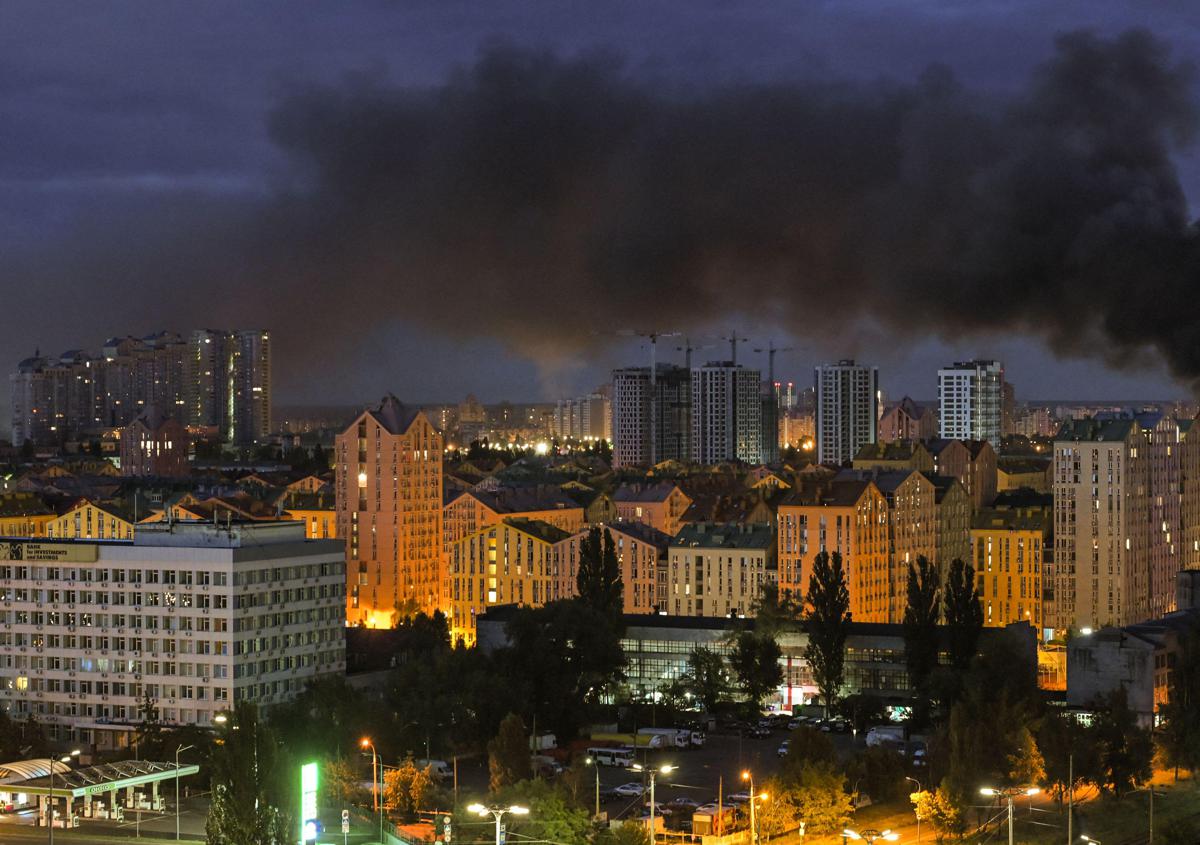
How world leaders view Andy Burnham as potential UK prime minister
14 Luglio 2026
BBC analysis outlines skepticism in Washington, caution in Brussels and continuity expected in Moscow How world leaders view Andy Burnham...
Read More
Russia NATO attack timeline after Ukraine war, analyst warns
14 Luglio 2026
Micael Kofman outlines a five-to-seven-year window and describes a reshaped Russian military with uneven capabilities Russia NATO attack timeline after...
Read More
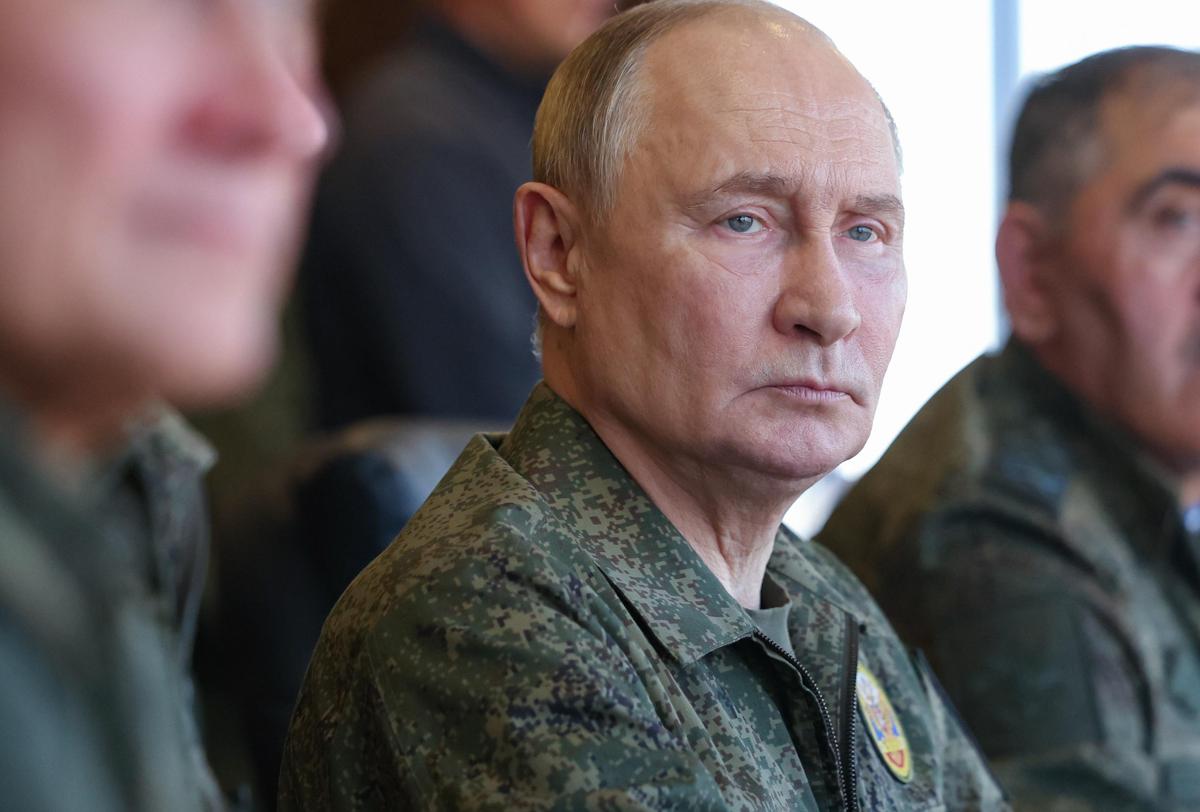
Ten Nations Launch a New European Ballistic Missile Defense Coalition in Paris
13 Luglio 2026
Ten European nations, including France, Italy, and Germany, have signed a joint declaration to launch a new European ballistic missile...
Read More
NYT: Israel’s Mossad explored Ahmadinejad’s role after a possible Iran collapse
13 Luglio 2026
According to revelations reported by The New York Times, Israeli intelligence allegedly developed a long-term strategy to position former Iranian...
Read More
(Photo: © AndKronos)