Flight bound for Fuerteventura abandoned its route less than half an hour after departure when a health issue involving a...
Read More
International-News
Trump Threats to Tehran as Iran Protests During Switzerland Talks

US-Iran negotiations in Switzerland escalate after Donald Trump warns Tehran over Lebanon, prompting a formal Iranian protest while nuclear and regional security talks continue under heavy diplomatic pressure
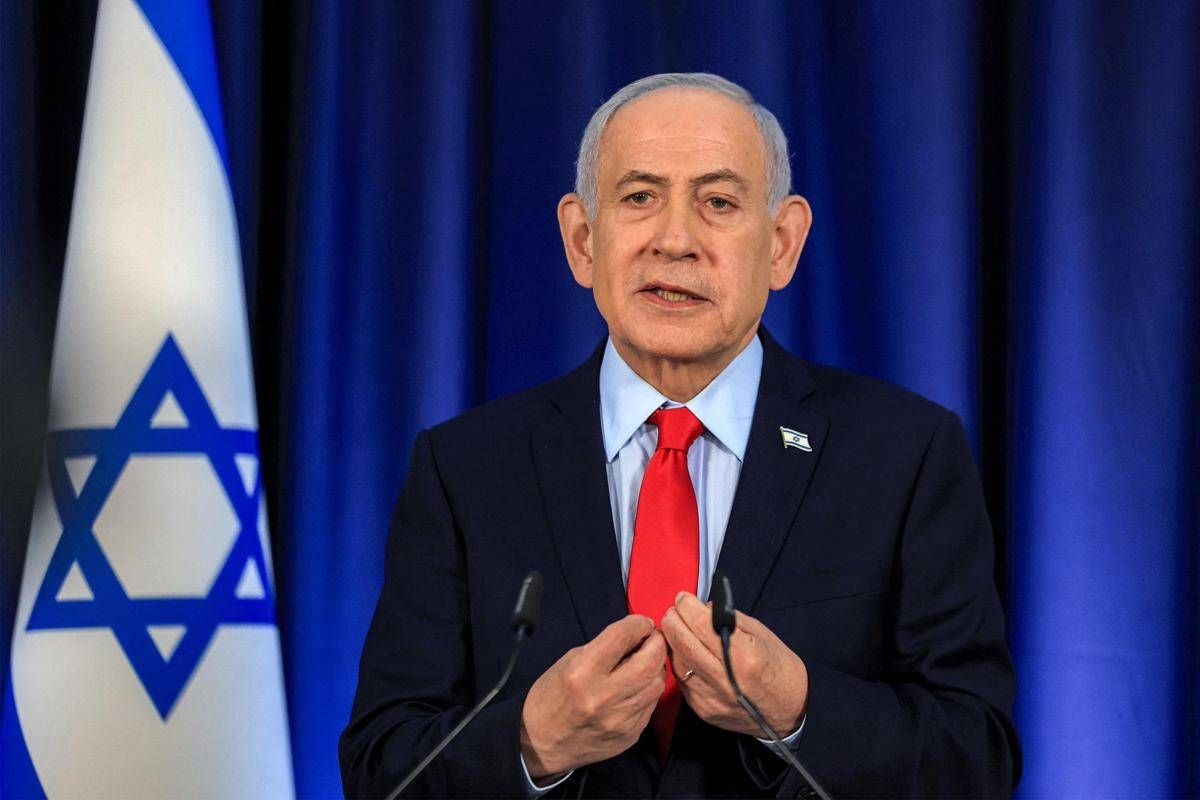
High-level negotiations between the United States and Iran in Switzerland have been overshadowed by a sharp escalation in rhetoric, after President Donald Trump issued a direct warning to Tehran over Lebanon, triggering an immediate Iranian protest and deepening tensions within already fragile diplomatic talks.
The meetings, held with mediators from Pakistan and Qatar, are aimed at refining a broader understanding on Iran’s nuclear program and regional security arrangements. But the diplomatic agenda was quickly disrupted by Trump’s statement, which linked Iran’s role in Lebanon to potential US military action.
Trump warned that if Tehran does not immediately stop Hezbollah’s activities in Lebanon, the United States would “strike again, and even more forcefully.” The message injected a new layer of pressure into talks already defined by mistrust and competing strategic priorities.
Tehran reacted promptly. Iranian officials filed a formal protest, with state-aligned media reporting that the remarks were treated as a “verbal threat” requiring official objection. The response underscored Iran’s decision to confront the language used by Washington while maintaining its negotiating position at the table.
Despite the escalation, US Vice President JD Vance described the discussions as constructive, saying that “substantial progress” had been achieved. He pointed to what he described as a shifting diplomatic environment, suggesting that cooperation could still produce outcomes tied to peace and regional stability.
The US delegation also includes special envoy Steve Witkoff and presidential adviser Jared Kushner, reflecting the political weight Washington is assigning to the negotiations.
On the Iranian side, parliamentary speaker and chief negotiator Mohammad Bagher Ghalibaf responded directly to Trump’s remarks, urging him to reconsider his language. He warned that Iranian armed forces remain prepared for any scenario and insisted that Tehran retains strategic initiative in the confrontation. He also dismissed the effectiveness of pressure tactics, arguing that threats would not alter Iran’s position.
The Swiss talks are expected to continue over a two-month framework and remain centered on Iran’s nuclear program, particularly uranium enrichment. However, Lebanon has increasingly emerged as a parallel focal point, with sources indicating that an emergency discussion on the conflict has taken on central importance in the agenda.
Iranian President Masoud Pezeshkian reiterated that Tehran will not abandon uranium enrichment, while stressing that Iran is prepared to provide assurances regarding its nuclear intentions. He maintained that any agreement must recognize what he described as Iran’s established rights, even as negotiations continue under mounting political pressure.
As the talks proceed, the parallel dynamics of negotiation and confrontation remain tightly interwoven: Washington signaling conditional pressure on regional militancy, and Tehran responding with formal protest while holding firm on its nuclear stance.
THE LATEST NEWS
Royal Estate Murder Charge After Norfolk GP Found Dead at Home
7 October 2026
A respected physician linked by British media reports to the Royal Family was discovered unresponsive inside her Dersingham home. Her...
Read More
Israel Raises Multi-Front Security Alert Ahead of October 7 Anniversary
7 October 2026
Warnings of possible Hamas attacks, heightened threats abroad and contingency plans for a wider conflict in the West Bank place...
Read More
Christa Pike May Never Fully Recover After Failed Execution
7 October 2026
Attorneys say the Tennessee death row inmate remains unconscious and on a ventilator after surviving two rounds of lethal injection...
Read More

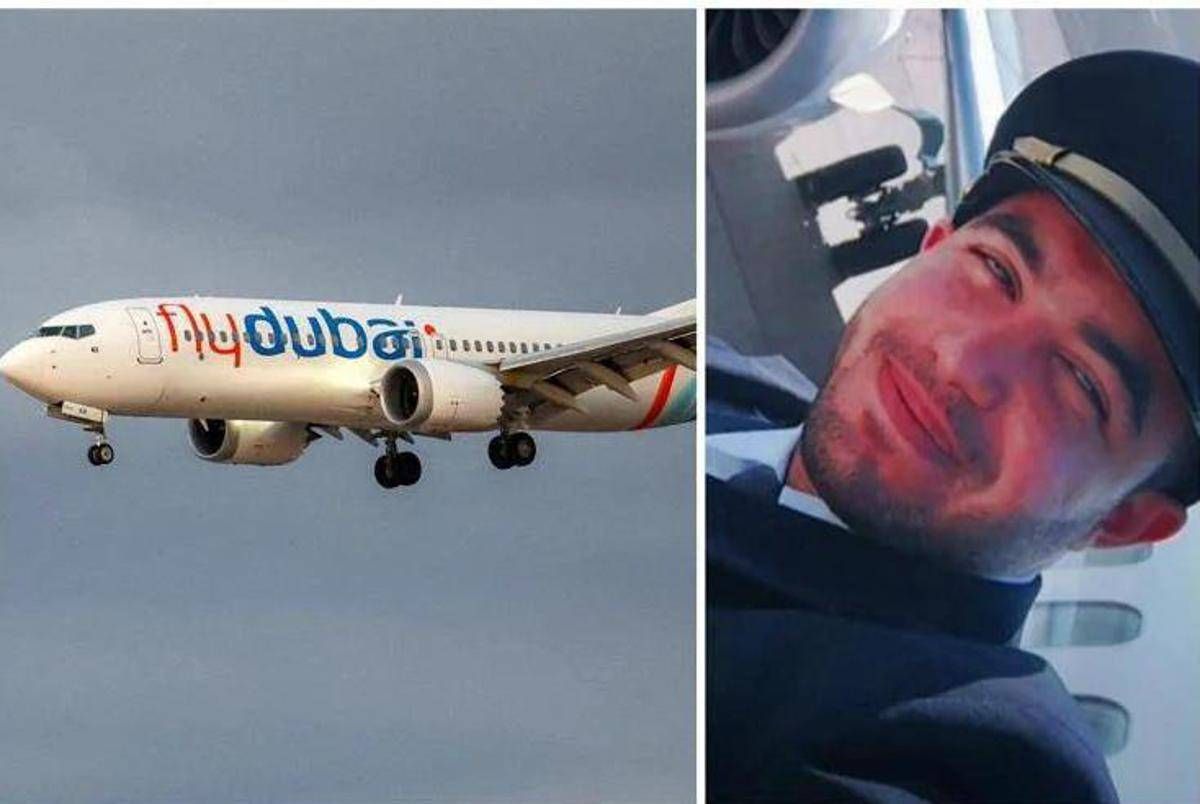
Flydubai Copilot Planned Ben Gurion Crash, Report Says
5 October 2026
Hamam al-Hammami allegedly told investigators he acted to “avenge Gaza” and wanted to “die as a martyr”; Israel is investigating...
Read More
DOGE Cuts Leave U.S. Paying $1.6 Million a Week for VOA Staff
5 October 2026
More than 400 Voice of America employees remain on paid leave as the Trump administration’s effort to dismantle the broadcaster...
Read More
(Photo: © AndKronos)