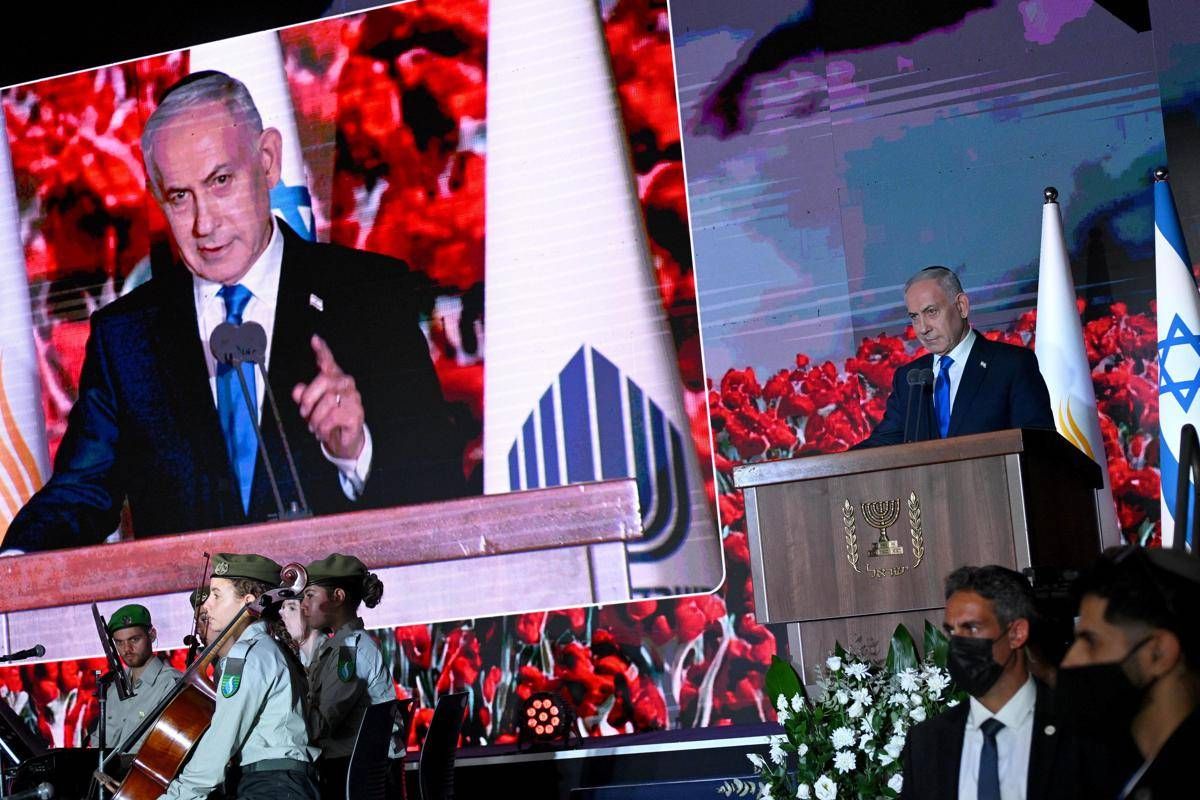
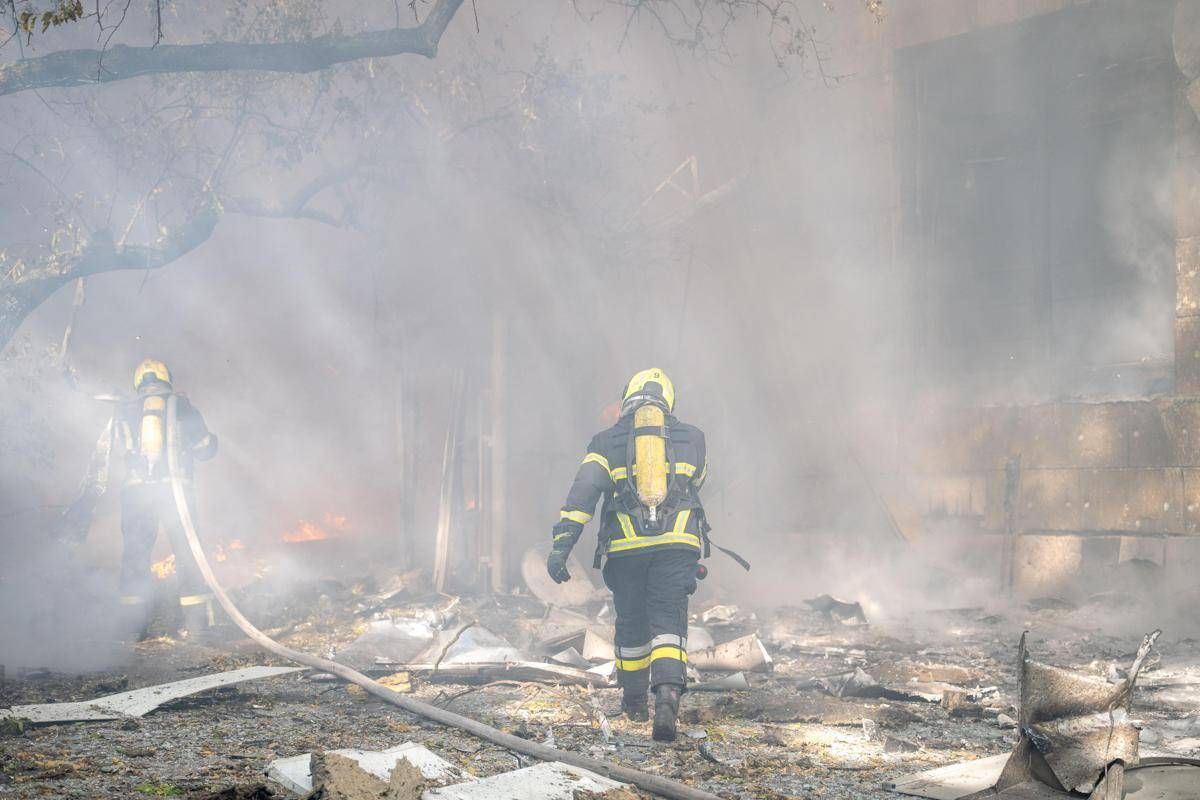
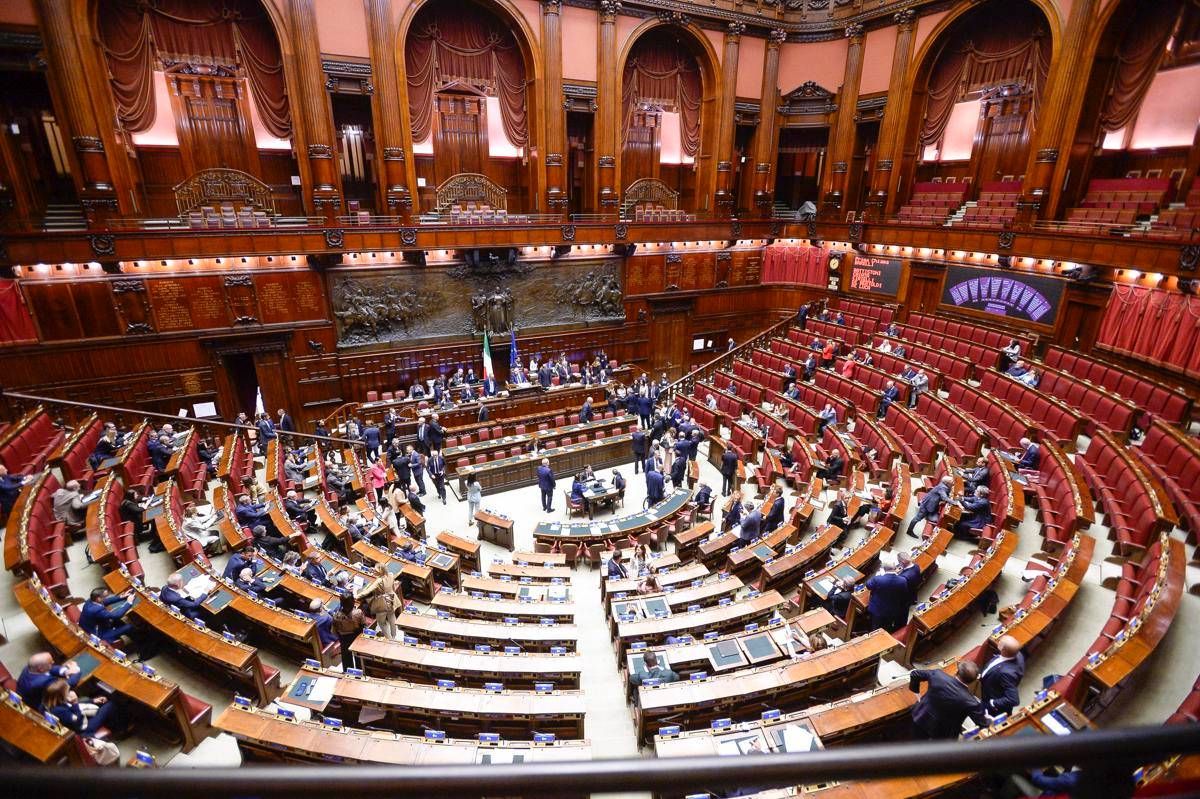
Warnings of possible Hamas attacks, heightened threats abroad and contingency plans for a wider conflict in the West Bank place...
Read More
International-News
Gulf States Reconsider Pipelines Amid Prolonged Iranian Control of Hormuz
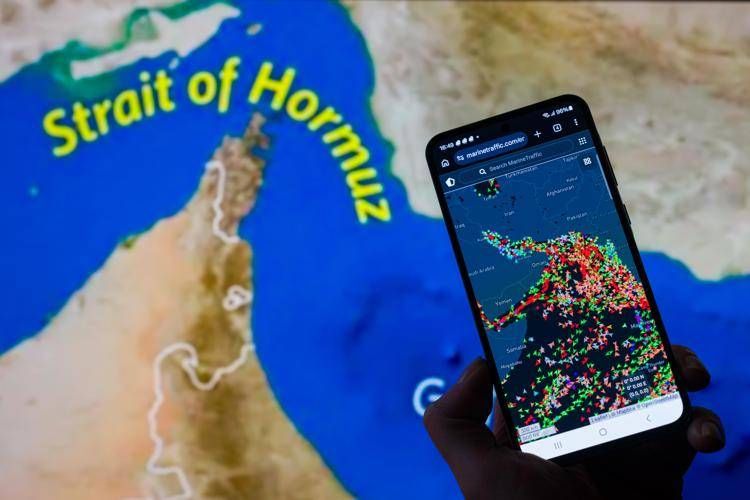
Rising tensions over the Strait of Hormuz are prompting Gulf nations to explore new energy corridors to bypass Iran and safeguard oil and gas exports
Concerns over a prolonged Iranian presence in the Strait of Hormuz are prompting Gulf nations to reassess long-shelved plans for pipelines capable of bypassing the strategic chokepoint and ensuring continuity of oil and gas exports.
According to industry officials and executives cited by the Financial Times, such infrastructure could offer the only structural solution to the region’s vulnerability to disruptions in the strait, though it would require multi-billion-dollar investments, years of construction, and delicate political agreements among countries.
The current crisis has brought renewed attention to Saudi Arabia’s 1,200-kilometer East-West pipeline, built in the 1980s during the Iran-Iraq War. The pipeline can transport up to seven million barrels per day to the Red Sea port of Yanbu, circumventing Hormuz entirely. A senior energy executive described the pipeline as “a stroke of genius,” while Aramco CEO Amin Nasser identified it as the kingdom’s primary export route.
Riyadh is now considering how to increase the share of its 10.2 million barrels per day production exported via pipelines rather than through waters under Iranian control. Options under review include expanding the East-West pipeline’s capacity and developing new routes.
Historically, similar projects were blocked by high costs and operational challenges. Maisoon Kafafy of the Atlantic Council notes a shift in approach: “The region is moving from hypothetical scenarios to operational realities.” Analysts suggest that the most resilient solution would be not a single pipeline but an integrated network of energy corridors, albeit one of the most complex to implement.
This strategy aligns with potential revitalization of the India-Middle East-Europe Economic Corridor (IMEC), a U.S.-backed logistical initiative linking India, the Gulf, and Europe. The plan would include energy infrastructure but faces politically sensitive issues, such as a potential connection to Israel’s Haifa port.
Obstacles remain significant. Christopher Bush, CEO of Lebanese construction firm Cat Group, involved in the East-West project, points out that replicating a similar pipeline today would cost at least $5 billion. More complex routes, such as those from Iraq through Jordan, Syria, or Turkey, could require $15–20 billion.
Security risks, geographic challenges across deserts and mountain ranges, and recent drone attacks on Oman’s Salalah port underscore the dangers. Political uncertainties further complicate matters: managing pipelines and controlling flows would require unprecedented regional cooperation, challenging the Gulf states’ traditionally individualistic approach.
In the near term, the most practical measures appear to be enhancing the East-West pipeline and the existing Abu Dhabi-Fujairah route, increasing capacity without confronting the complexities of new transnational infrastructure. Riyadh may also develop new Red Sea terminals. Sector sources note that definitive decisions will depend on the evolving situation in the Strait of Hormuz.
THE LATEST NEWS
Christa Pike May Never Fully Recover After Failed Execution
7 October 2026
Attorneys say the Tennessee death row inmate remains unconscious and on a ventilator after surviving two rounds of lethal injection...
Read More

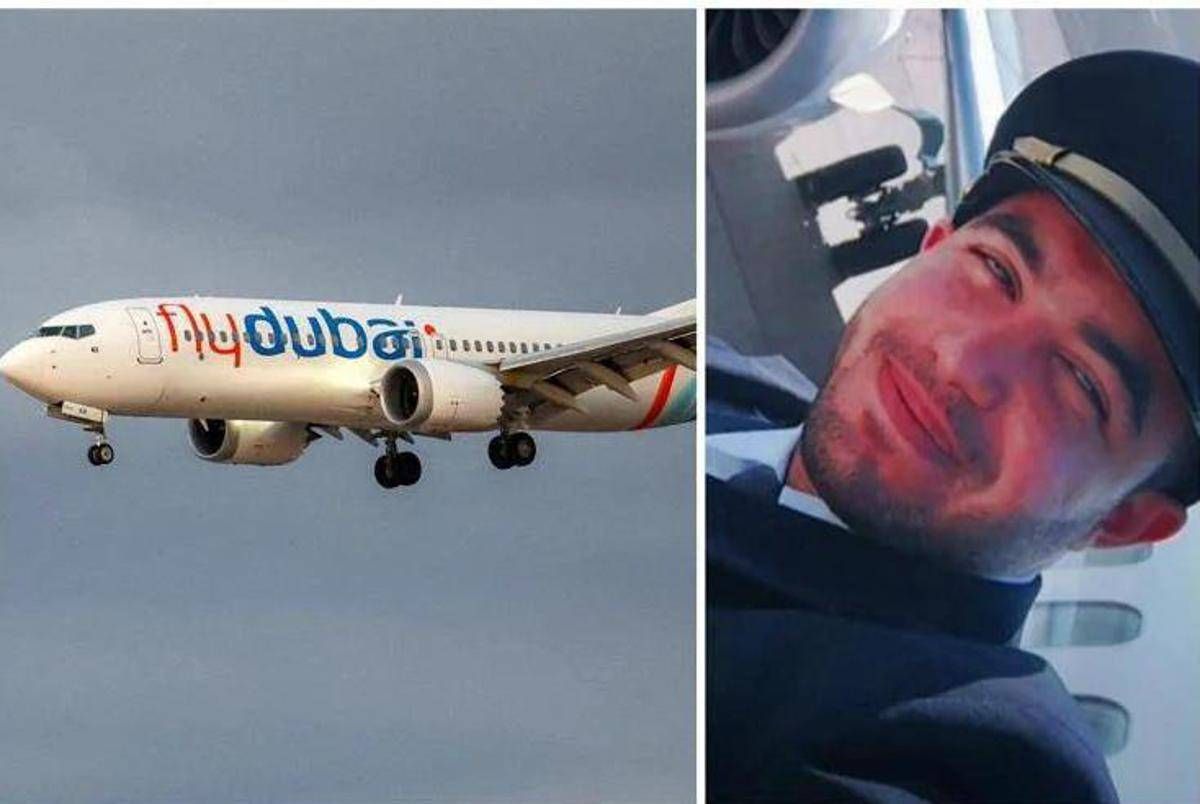
Flydubai Copilot Planned Ben Gurion Crash, Report Says
5 October 2026
Hamam al-Hammami allegedly told investigators he acted to “avenge Gaza” and wanted to “die as a martyr”; Israel is investigating...
Read More
DOGE Cuts Leave U.S. Paying $1.6 Million a Week for VOA Staff
5 October 2026
More than 400 Voice of America employees remain on paid leave as the Trump administration’s effort to dismantle the broadcaster...
Read More
Prince William and Diana’s 30th Anniversary: Why He Is Staying Away
5 October 2026
The Prince of Wales is said to have turned down several documentary offers, while Prince Harry considers a project to...
Read More

Flavio Bolsonaro Shocks Brazil, Overtakes Lula and Turns Presidential Race Upside Down
5 October 2026
The son of former president Jair Bolsonaro outperformed expectations and emerged as the frontrunner in Brazil's presidential election, forcing Lula...
Read More

(Photo: © AndKronos)