
International-News
Trump Blames ‘Rigged’ Elections After Midterm Rout, Refuses to Face Reality

Rather than acknowledge the scale of the Republican defeat, the president has revived the fraud allegations he used after losing to Biden in 2020. His defiance comes as the Iran war threatens to deepen the political crisis inside his administration and Marco Rubio weighs his own presidential ambitions
Donald Trump appears to have learned nothing from the Republican Party’s crushing midterm defeat. Instead of acknowledging that voters have rejected his administration’s record, the president has fallen back on an old and discredited refrain: American elections are rigged. It is the same accusation he used after losing the 2020 presidential election to Joe Biden, and it is now resurfacing after another devastating setback for his party.
“Our elections are so rigged, you have no idea,” Trump declared from the Oval Office, in his first broad reference to electoral fraud since the November 3 vote. He also described the election in Los Angeles as “a really disgraceful event.” There was no admission that the results might reflect growing opposition to his way of governing, no recognition of the message sent by millions of voters. Just another attempt to cast doubt on the legitimacy of an election that went against him.
The president’s refusal to confront the political meaning of the defeat is particularly striking as the consequences of his decisions abroad begin to weigh on his own administration. The war in Iran remains the most dangerous of those liabilities. Asked about the next steps, Trump said Washington would soon decide whether to “finish the job” to ensure that the threat never returns.
He claimed he would prefer not to destroy the rest of the country, but immediately added that he might be forced to do so. The consequences, he warned, could leave Iran facing 25 years of reconstruction. Trump acknowledged that 18 Americans had died in the conflict, but appeared to minimize the toll by comparing it with the thousands of U.S. service members killed in Vietnam.
It was a chilling answer from a president who continues to speak of escalation even after an election that has exposed the political cost of his approach. The possibility of further large-scale attacks against Iran remains on the table, although the midterm results have made that course more difficult to pursue.
Trump also defended Defense Secretary Pete Hegseth, declaring that he had done “a fantastic job.” The public endorsement, however, sits uneasily alongside reports that the president has privately been considering replacing him. According to NBC News, Trump discussed possible successors with allies in the days before the election, asking who could take over the Pentagon. Some of Hegseth’s upcoming trips have also reportedly been suspended, according to four people familiar with the matter. Two sources suggested the changes could be connected either to preparations for a renewed military campaign against Iran or to political calculations after the midterms.
The uncertainty surrounding Hegseth is another sign of the pressure building inside the administration. The defense secretary has been a prominent advocate of the Iran campaign, but the war is increasingly associated with the Republican defeat. Trump may still want him at the Pentagon, particularly if he intends to resume military operations, but the political price of that loyalty is becoming harder to ignore.
On Ukraine, Trump once again offered grand promises without providing details. He predicted a “great” agreement that could involve not only Ukraine but Europe as a whole, insisting that everyone would be enthusiastic about the outcome. Asked about Russian attacks on civilians, he said he regularly raised the issue with Vladimir Putin, but also accused Ukraine of killing people. He claimed that 25,000 people were dying each month and described the conflict as a “bloodbath,” arguing that Russia was also losing civilians.
While Trump insists on defending his record, another potential Republican contender may already be calculating how to distance himself from it. Secretary of State Marco Rubio has denied reports that he is considering leaving the administration, saying his plan has always been to remain in government until the end of Trump’s term. His denial followed an Independent report that he was weighing an exit to separate himself from the president and the Iran war ahead of a possible 2028 presidential campaign.
The possibility of Rubio’s departure had been discussed even before the Republican electoral setback. Senior Republican figures and prominent members of the British government had told The Independent that he might leave his post. Sources cited by the newspaper said the midterm results had strengthened his ambitions. One Washington source said Rubio wanted to distance himself from the war against Iran and place responsibility for it squarely on Trump.
A source close to the secretary of state described him as the leading contender for the Republican nomination, with a substantial advantage over Vice President JD Vance, who is also expected to seek the presidency. But Rubio cannot realistically pursue the nomination while serving as secretary of state, and his association with an increasingly unpopular administration could damage his prospects. From that perspective, leaving the government would be a logical move.
Rubio may, however, be getting ahead of himself. If the midterm results are any indication of the direction in which the country is moving, Republicans could face a difficult path back to the White House. Distancing himself from Trump might help Rubio escape responsibility for the current administration’s failures, but it would not erase his own role in it. And with the Iran war far from resolved, the political consequences of the conflict could follow him well beyond the end of Trump’s presidency.
(Photo: © AndKronos)


Saman Abbas, cento pagine per ricostruire il piano della famiglia
Telefonate anomale, messaggi privati, spostamenti e fuga all’estero: la Cassazione ricostruisce la sequenza che portò all’omicidio: nessun gesto d’impeto, ma...

Kimmarie Johnson, ‘Beverly Hills, 90210’ Actress and Former Miss Pennsylvania, Dies at 50
Johnson moved from a career in modeling and pageantry to film and television, appearing in the 1998 teen drama and...
Thomas Markle Arrested in Florida in Child Sexual Abuse Material Probe
The 82-year-old father of Meghan was reportedly taken into custody by FBI agents at a senior living facility. Investigators are...

Measles Outbreak Kills Newborn in Wisconsin, Second U.S. Child to Die
The state has recorded 431 cases across 13 counties in 2026, the highest total in 35 years. Italian infectious disease...

Natalie Harp Is Screening Calls to Trump as White House Tightens Access
The president’s personal phone line once offered journalists an unusually direct route to the Oval Office. Now, a close aide...
Stephen Miller Named White House Chief of Staff as Wiles Exits
Trump announced that his longtime adviser will take over on Nov. 9, as the president faces the fallout from Republican...


Silicon Valley’s AI Billionaires Scramble to Win Democrats Back
After backing Donald Trump and his promise of lighter regulation, tech executives face a political backlash over data centers, rising...
Hegseth Defies Impeachment Threat as Trump Weighs His Pentagon Future
The defense secretary is facing mounting Republican pressure over the Iran war and the midterm defeat. Trump continues to back...

Ex Ilva, a Taranto non è rimasto acceso più nulla: tutto spento area a caldo
L’annuncio del direttore generale di Acciaierie d’Italia al tavolo sulla cassa integrazione. L’azienda chiede di estendere la Cigs fino a...
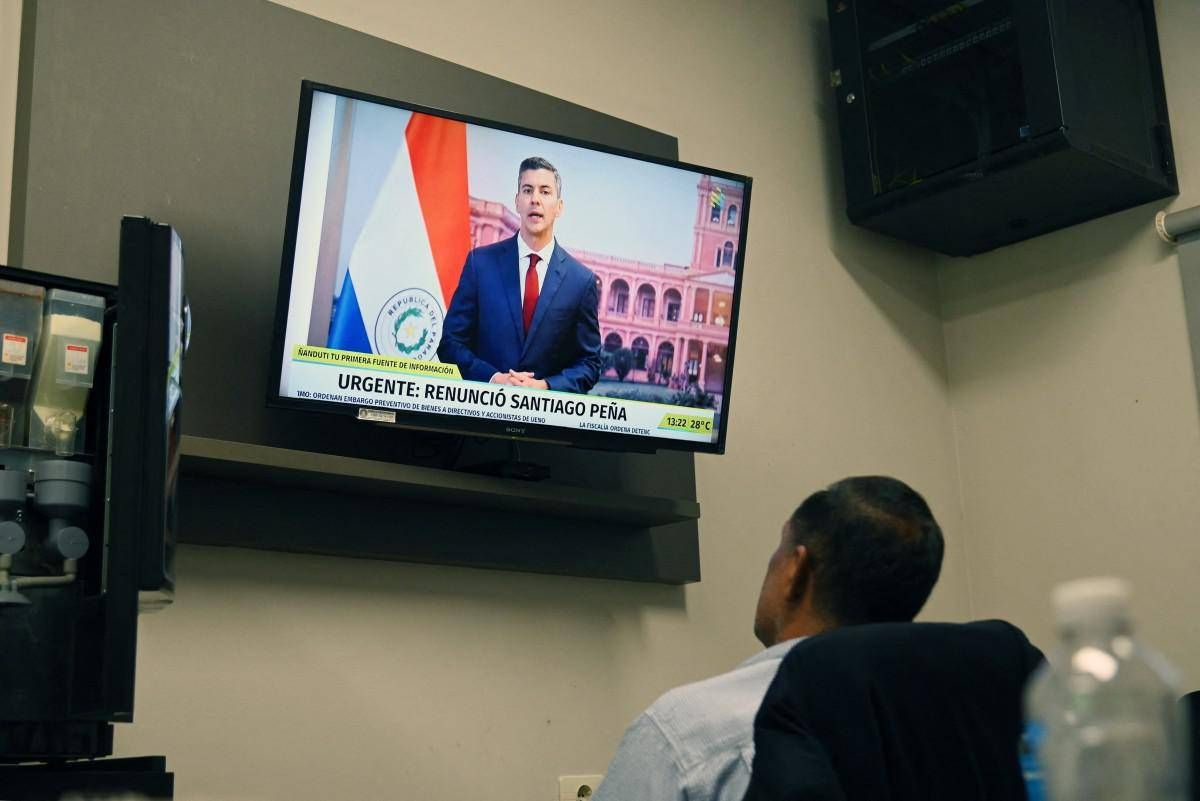
Paraguay Banking Crisis Pushes President Peña Toward Impeachment
The collapse of Ueno Bank left roughly three million customers temporarily unable to access their money and triggered violent protests....


Bomb Threats Disrupt European Flights as Incel Group Claims Responsibility
Warnings targeting aircraft in Italy, Portugal, France, the Czech Republic and Denmark have triggered emergency landings and security checks. European...

Formula 1 in Brasile, orari e programma: Mercedes a un passo dal titolo
A Interlagos si corre il ventesimo Gran Premio della stagione. La Mercedes può conquistare matematicamente il Mondiale costruttori, mentre Ferrari...
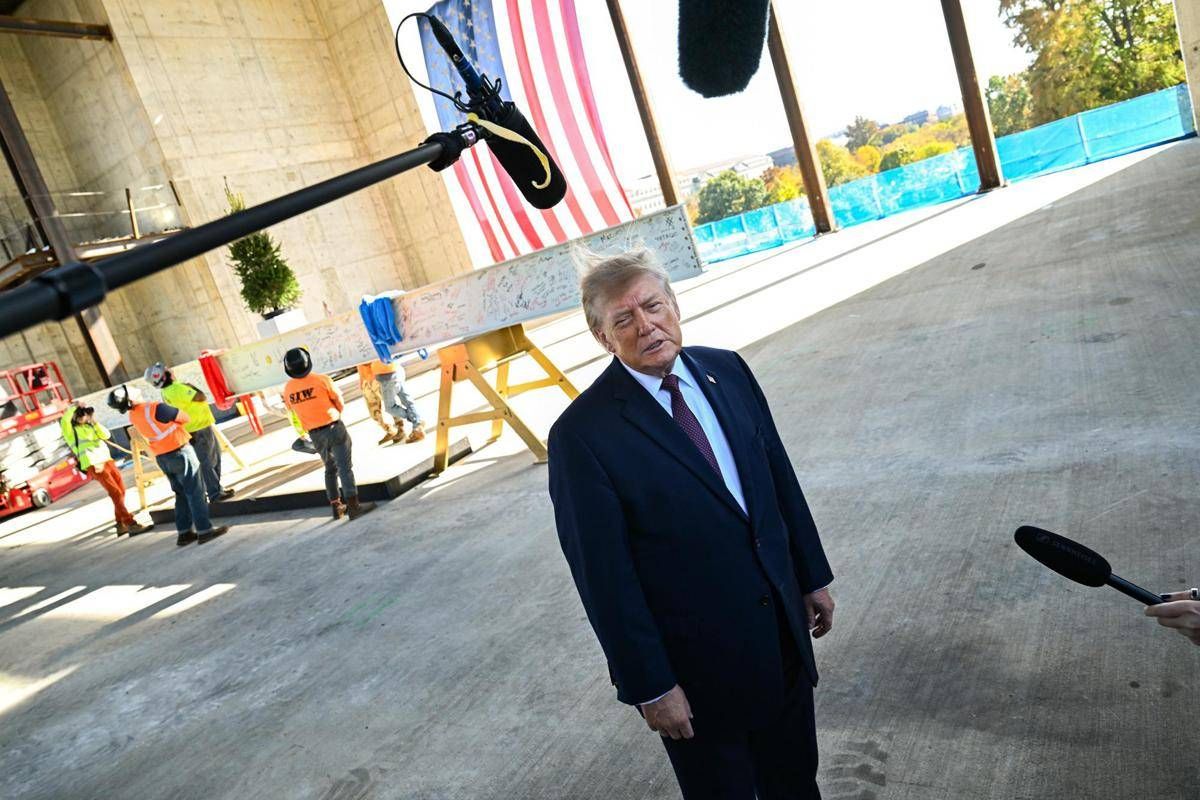
Trump’s Washington Triumph Arch Blocked by Federal Judge
The 76-meter monument cleared a key federal review, but a court has halted construction for two weeks as legal challenges...
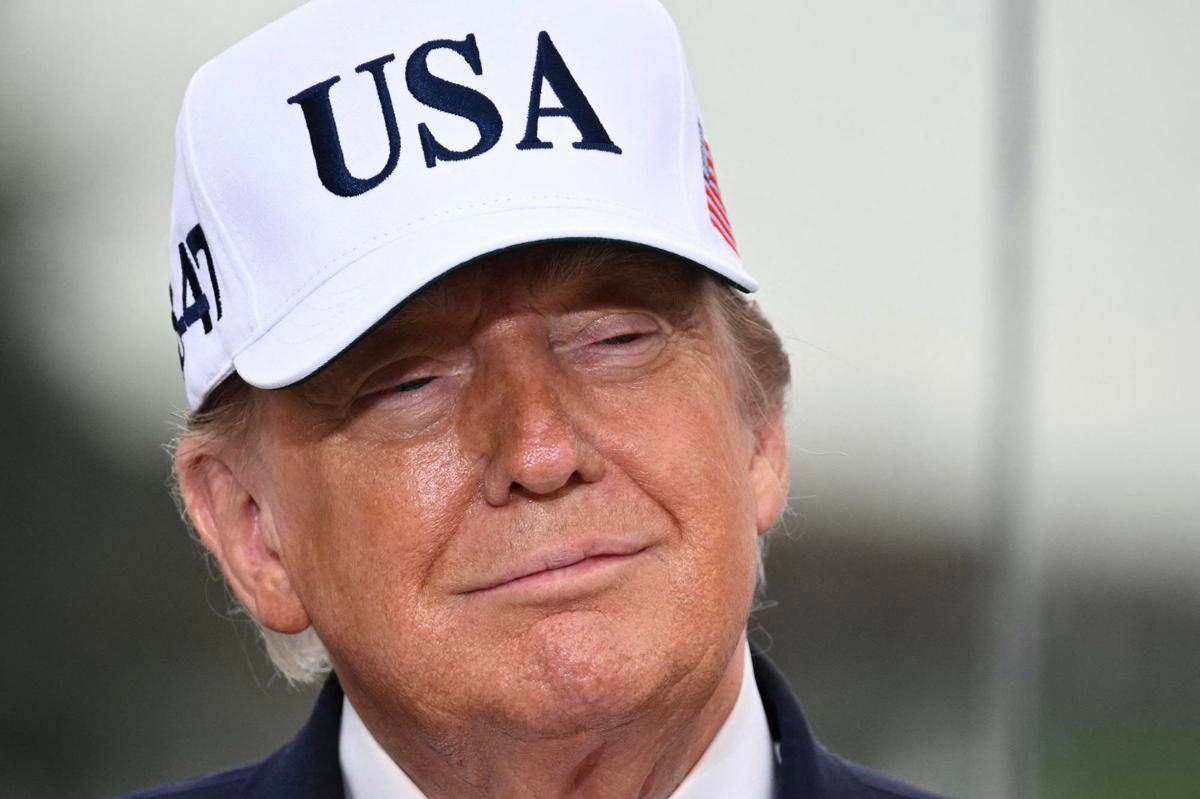
Democratic Congress Faces Test as Trump Vows to Fight Its Agenda
Democrats won the midterms on promises to lower living costs and reverse the president’s economic policies. But Trump’s veto power,...

MotoGP Qatar 2026, orari e dove vedere prove, Sprint e gara in tv
Il Motomondiale arriva a Lusail per il terzultimo appuntamento della stagione, dopo giorni di incertezza legati alla situazione in Medio...
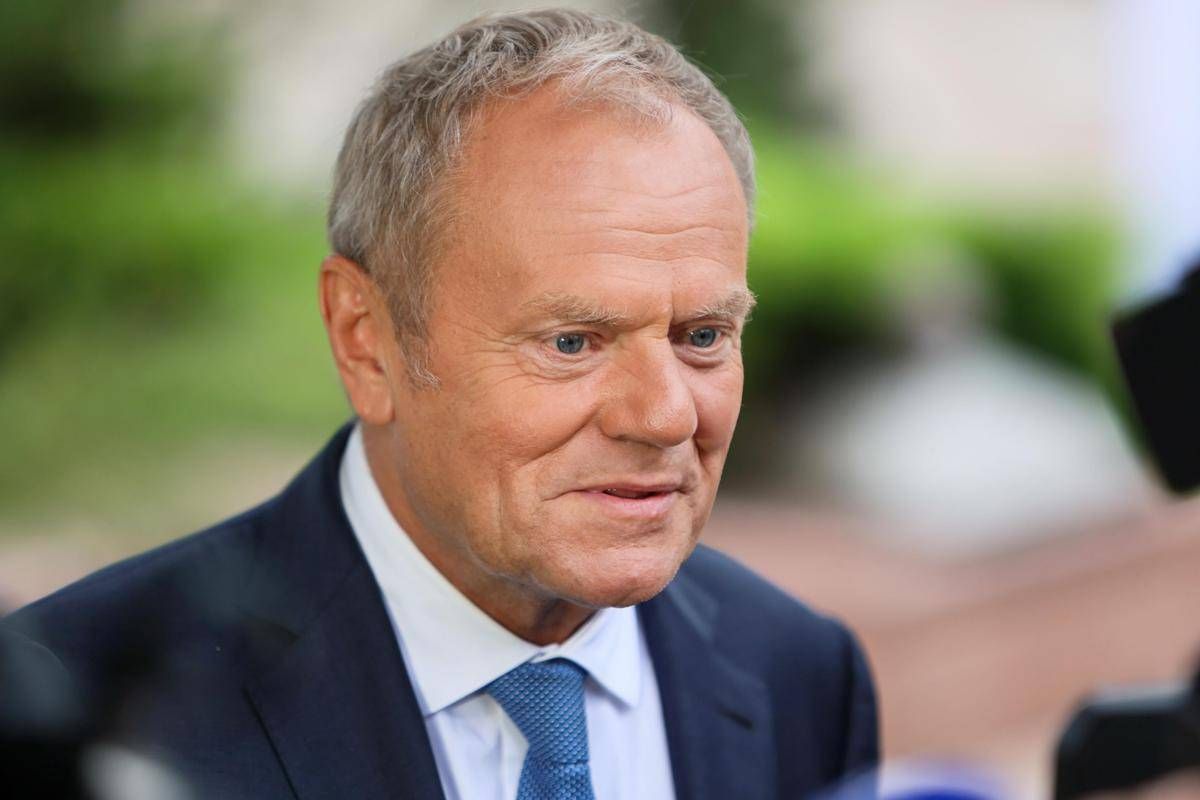
Ucraina, Tusk avverte: «Putin potrebbe intensificare la guerra in inverno»
Mentre proseguono gli attacchi russi e i raid ucraini contro obiettivi energetici in territorio russo, il premier polacco invita alla...
You must be logged in to post a comment Login