
International-News
Democratic Congress Faces Test as Trump Vows to Fight Its Agenda
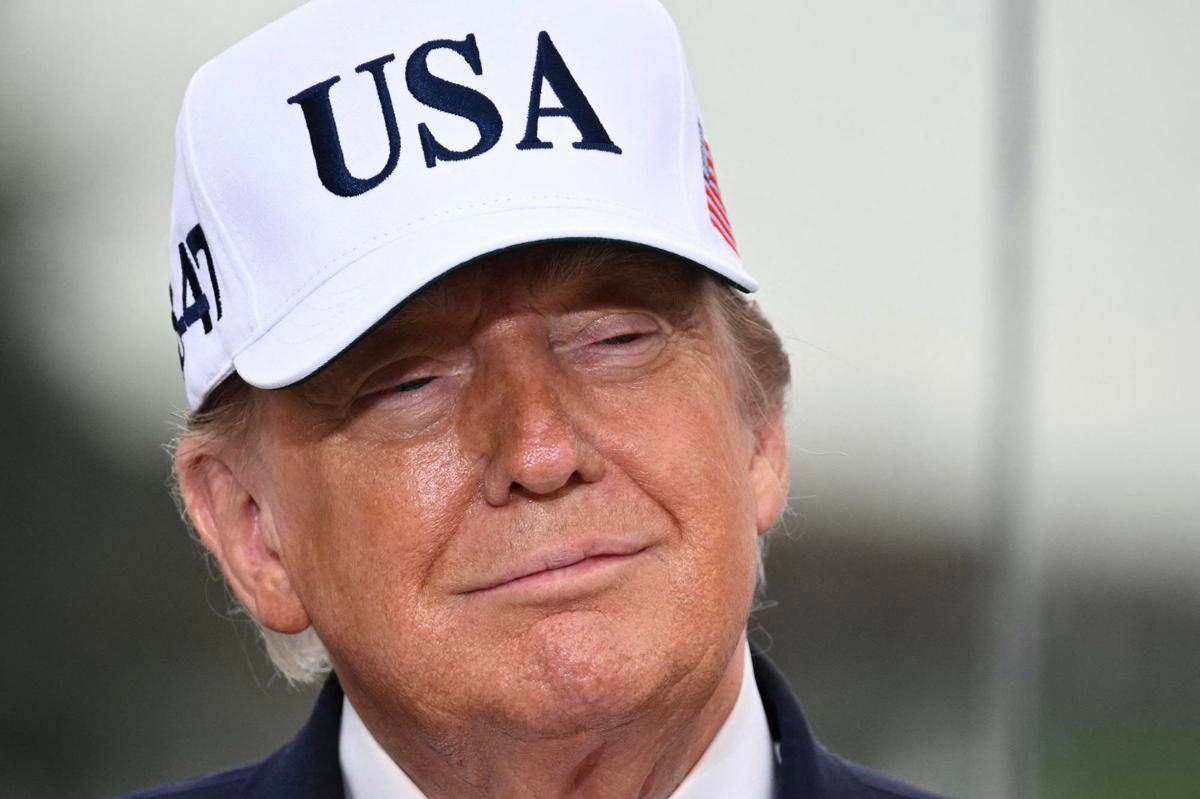
Democrats won the midterms on promises to lower living costs and reverse the president’s economic policies. But Trump’s veto power, divisions within the party and an ambitious new progressive generation could make delivering on that mandate far harder than winning it
Democrats are returning to power in Washington with a clear message from voters: the cost of living has become intolerable, and Donald Trump’s economic policies must change. Whether the party can turn that electoral mandate into legislation is another matter. Beginning Jan. 3, a Democratic-controlled Congress will face a president who has promised cooperation while repeatedly reminding lawmakers that he can veto their bills.
The Republican defeat in the midterm elections exposed the political damage caused by rising prices, the cost of health care and the consequences of Trump’s trade and foreign policies. More than 80% of voters said they had cast their ballots in opposition to high prices for gasoline, groceries and medical care, according to an NBC News exit poll. The result was not simply a rejection of the Republican candidates. It was a demand for a change in economic direction.
The war with Iran has added to that discontent. Trump’s decision to launch the conflict, followed by the closure of the Strait of Hormuz, has been blamed for driving up energy prices. But voters also pointed to a deeper problem with the president’s economic program: his tariffs. Nearly one-third of voters said the administration’s trade policy was a fundamental reason for the economic difficulties they were experiencing, according to a CNN exit poll.
Democrats now have to prove that they can do more than capitalize on Republican mistakes. Their victories in traditionally Republican territory, including Texas, Kansas, South Carolina and Iowa, were built largely on promises to fight inflation and ease pressure on household budgets. Those commitments will be difficult to fulfill unless the party can overcome both Trump’s resistance and its own internal divisions.
Hakeem Jeffries, who will become the first Black speaker of the House, framed the election as a mandate for a decisive break with the administration’s policies. Americans, he said, had chosen Democrats because they wanted a dramatic change in direction. The party would deliver on that demand, he pledged, by confronting the cost of living that was “devastating the lives of Americans.”
Yet the legislative agenda remains far from settled. Democrats have identified several targets, including Trump’s authority to impose tariffs, the continuation of the war with Iran and the deep cuts to federal health care programs included in the president’s One Big Beautiful Bill.
The health care fight could become one of the first major tests. The legislation’s reductions affect Medicaid, which provides coverage for low-income Americans, Medicare, which serves older people, and the health insurance system established under the Affordable Care Act. Many of the cuts are scheduled to take effect Jan. 1, just before the new Congress takes office. The administration had expected the timing to limit their political fallout before the midterms. That calculation failed.
Democrats are already discussing legislation to reverse those reductions. They also expect to use their new majorities in the House and Senate to challenge Trump’s trade policy and his authority to continue military action against Iran.
But congressional control does not mean the party can automatically override the White House. Trump has made clear that he is willing to work with Democrats who are prepared to cooperate with him, while warning that he will use his veto power against measures he opposes. Even if Democrats secure support from a handful of moderate Republicans, they are unlikely to reach the two-thirds majority required to override a presidential veto.
That does not make the effort politically meaningless. Passing bills that Trump subsequently blocks could give Democrats a powerful argument: they would be able to demonstrate that they had tried to deliver on their campaign promises, while placing responsibility for the failure on the president. The strategy could turn legislative confrontation into an instrument of political pressure.
The challenge, however, extends beyond the relationship with Trump. The midterm victories have brought a new generation of Democrats into positions of influence, many of them running on ambitious proposals that go well beyond the party’s traditional agenda. Their success has strengthened the progressive wing just as Democratic leaders must decide how far they are prepared to go in confronting the administration.
Abdul El Sayed, elected in Michigan and set to become the country’s first Muslim senator, has made universal public health care a central part of his political platform. He has argued that voters elected Democrats to produce tangible results, including getting money out of politics, putting more money back into people’s pockets and passing Medicare for All.
James Talarico, a former middle-school teacher who became the first Democrat elected to the Senate from Texas since 1988, built his campaign around economic inequality. The issue resonated with a large share of Democratic voters: 69% of those who supported the party believe the U.S. economic system favors the wealthy.
Talarico has proposed repealing Trump’s tax cuts for the wealthiest Americans, creating financial assistance programs for first-time homebuyers and establishing free public preschool for 3- and 4-year-olds. His platform reflects the economic concerns that helped Democrats break through in states where Republican candidates had long enjoyed an advantage.
The party’s problem is that its electoral coalition does not automatically translate into a unified governing program. The demands of progressive newcomers, the priorities of more moderate Democrats and the practical limits imposed by Trump’s veto power will all shape what the new Congress can accomplish.
For now, the election has given Democrats control of Congress and a mandate centered on the economy. The harder test begins in January, when voters will expect the party to show that its promises can survive the political and institutional obstacles awaiting it in Washington.
(Photo: © AndKronos)


Parigi si prepara alla protesta: fino a 400 radicali sotto osservazione
Il governo ha predisposto un imponente dispositivo di sicurezza. Sui social, secondo il ministro dell’Interno, sono circolati appelli ad attaccare...


Meteo, maltempo: piogge Centro-Sud e neve su montagne ma domenica alta pressione
Il passaggio della perturbazione atlantica porterà rovesci, vento fino a 50 km/h e temperature in calo. Da domenica torna l’alta...

Treno travolge e uccide un uomo a Cascina: ritardi e cancellazioni sulla linea
L’incidente vicino alla stazione ha richiesto l’intervento delle autorità giudiziarie. Modifiche al servizio ferroviario tra Firenze, Pisa e Livorno Un...

Formula 1 in Brasile, Mercedes può vincere il Mondiale costruttori
A Interlagos la scuderia tedesca ha 126 punti di vantaggio sulla Ferrari e può chiudere i conti. Oggi in programma...

Iran, Vance tratta con Teheran mentre Trump cerca una via d’uscita
Il vicepresidente sarebbe coinvolto da due settimane nei colloqui indiretti per un nuovo cessate il fuoco. Putin, intanto, si è...

MotoGp Qatar, Marquez può vincere il Mondiale: orari e diretta tv
A Lusail si corrono oggi le qualifiche e la Sprint. Yamaha ha annunciato il ritiro dal Gran Premio di domenica,...

Paraguay Swears In Pedro Alliana as Ousted President Peña Faces House Arrest
The Senate unanimously removed Santiago Peña over his handling of the Ueno Bank crisis. His successor pledged full compensation for...

Man Arrested Near White House After Threatening to Kill Trump
The Venezuelan suspect allegedly told Secret Service agents that voices in his head had ordered him to travel to Washington...


Allarmi bomba sugli aerei, l’intelligence europea indaga sul coinvolgimento di Mosca
Decine di voli sospesi o dirottati in Europa. La Russia è tra i principali sospettati, ma non ci sono ancora...

Saman Abbas, cento pagine per ricostruire il piano della famiglia
Telefonate anomale, messaggi privati, spostamenti e fuga all’estero: la Cassazione ricostruisce la sequenza che portò all’omicidio: nessun gesto d’impeto, ma...

Kimmarie Johnson, ‘Beverly Hills, 90210’ Actress and Former Miss Pennsylvania, Dies at 50
Johnson moved from a career in modeling and pageantry to film and television, appearing in the 1998 teen drama and...
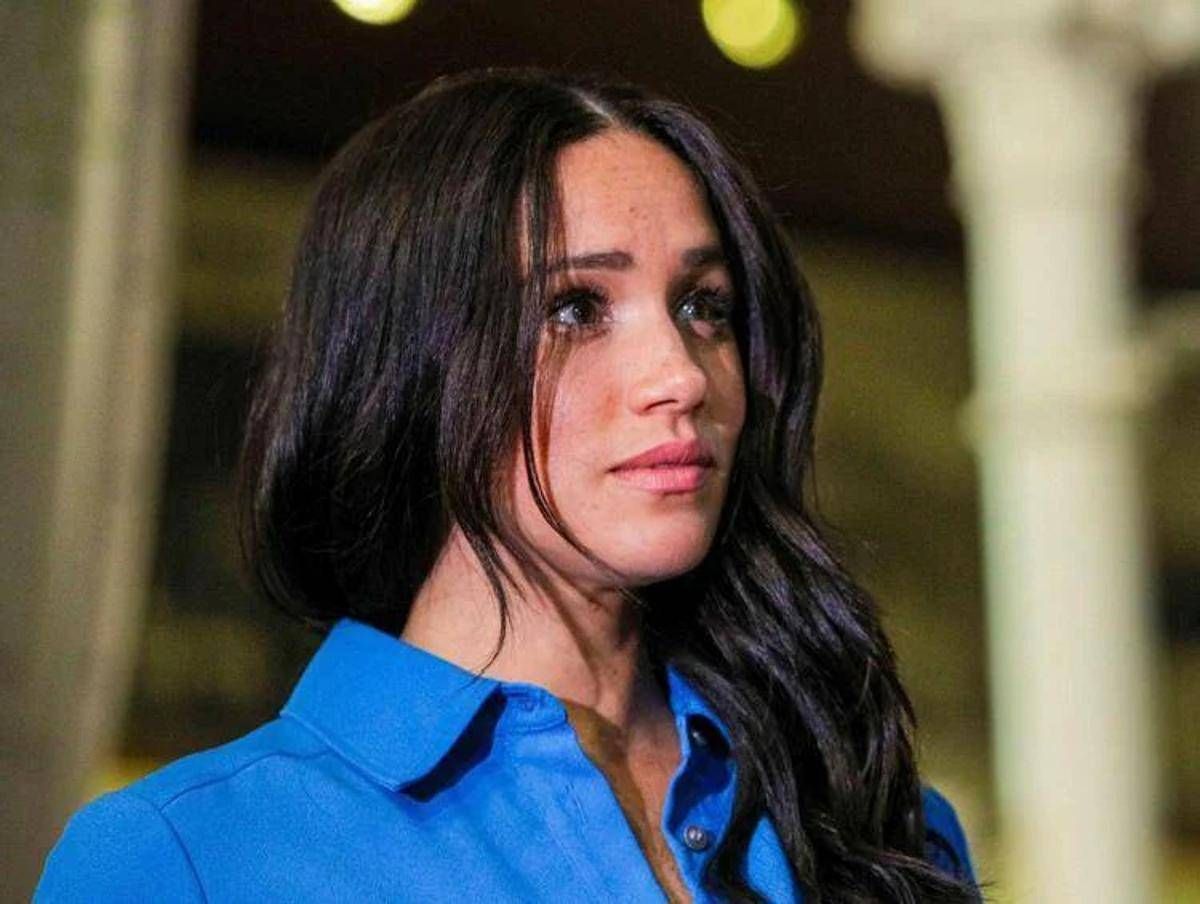
Thomas Markle Arrested in Florida in Child Sexual Abuse Material Probe
The 82-year-old father of Meghan was reportedly taken into custody by FBI agents at a senior living facility. Investigators are...

Measles Outbreak Kills Newborn in Wisconsin, Second U.S. Child to Die
The state has recorded 431 cases across 13 counties in 2026, the highest total in 35 years. Italian infectious disease...

Natalie Harp Is Screening Calls to Trump as White House Tightens Access
The president’s personal phone line once offered journalists an unusually direct route to the Oval Office. Now, a close aide...
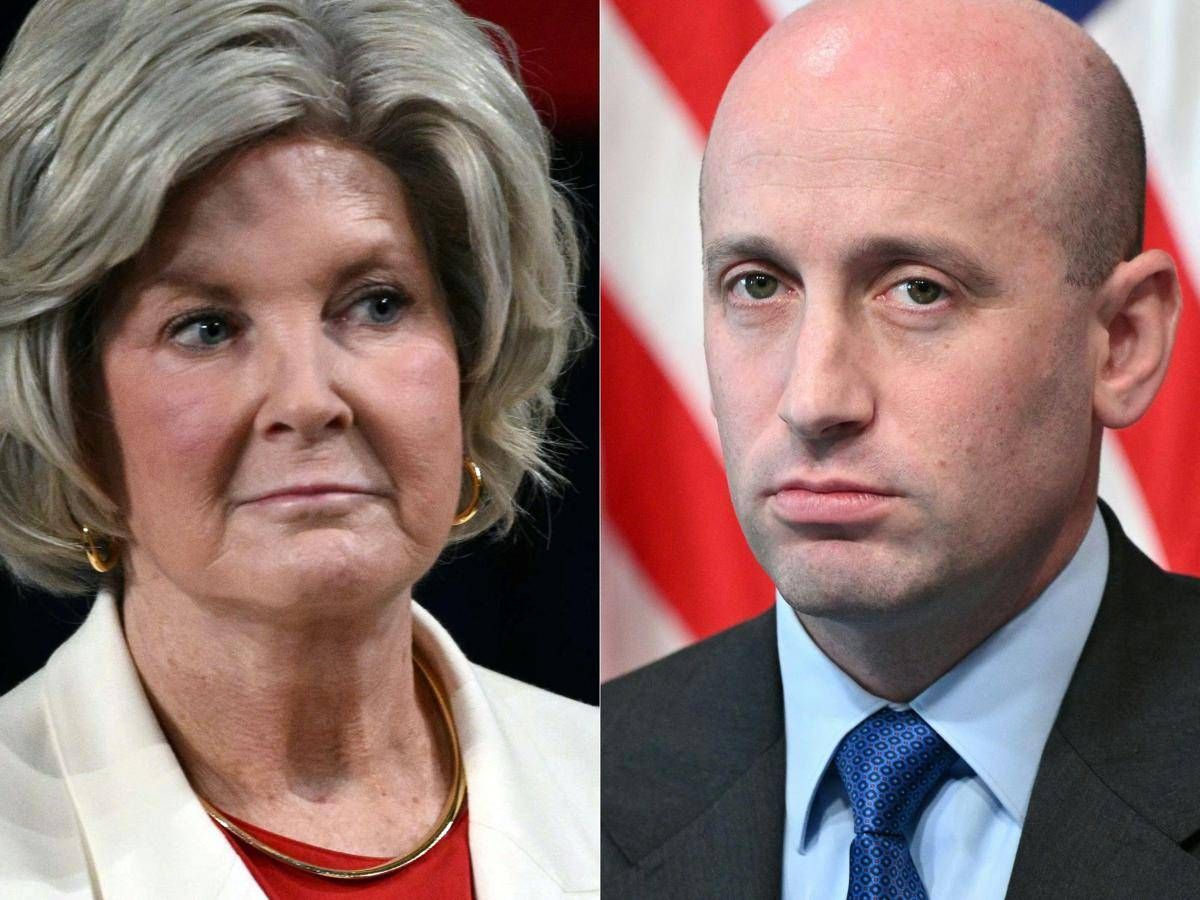
Stephen Miller Named White House Chief of Staff as Wiles Exits
Trump announced that his longtime adviser will take over on Nov. 9, as the president faces the fallout from Republican...


Silicon Valley’s AI Billionaires Scramble to Win Democrats Back
After backing Donald Trump and his promise of lighter regulation, tech executives face a political backlash over data centers, rising...