
International-News
Silicon Valley’s AI Billionaires Scramble to Win Democrats Back
After backing Donald Trump and his promise of lighter regulation, tech executives face a political backlash over data centers, rising utility costs and the concentration of AI wealth. Now both parties are questioning their influence
For two years, Silicon Valley’s most powerful executives competed for access to Donald Trump. Now, after Democrats’ sweeping midterm gains, they are trying to get meetings with the people they once helped keep out of power.
The political reversal exposes a problem that money and access cannot easily solve: artificial intelligence is becoming an electoral liability. Voters are increasingly concerned about the cost of electricity, the water consumed by data centers and the tax breaks granted to technology companies. And the backlash is reaching beyond the Democratic Party, putting the industry’s political alliances under pressure on both sides of the aisle.
The executives who embraced Trump in 2024 had expected a favorable bargain. Campaign donations, dinners at Mar-a-Lago, contributions to the White House ballroom project and Amazon’s generous promotion of a film about Melania Trump all helped cultivate the relationship. In return, the industry anticipated a permissive regulatory environment in which AI companies could expand with few constraints.
Financially, the strategy paid off. In some cases, companies saw their stock market value multiply tenfold. Politically, however, the alliance has proved far less durable. Less than two years after the inauguration ceremony that appeared to seal the partnership, the industry is looking for new friends.
The data center backlash is reshaping the political landscape
The midterm elections delivered both chambers of Congress and several strategically important governorships to Democrats. But the results also revealed a broader source of resistance to the AI boom.
In 40 of 41 local ballot measures, voters backed restrictions or outright blocks on new data center construction. The opposition was particularly pronounced in Ohio, Texas and Georgia, where Democratic candidates made electricity prices, water consumption and tax incentives for technology companies central campaign issues.
In Texas, newly elected Democratic Gov. Gina Hinojosa has pledged a moratorium on new facilities.
The stakes extend well beyond local politics. Texas, Georgia and Ohio account for more than 40% of planned U.S. data center capacity, according to Evercore ISI. Brad Gerstner, a Silicon Valley investor, estimates that as much as 35% of the construction planned for next year could now be at risk.
For an industry whose growth depends on vast new computing infrastructure, those figures represent a direct threat to expansion plans.
The market was already questioning whether the AI investment boom could be sustained. Investors have been scrutinizing the debt used to finance new projects and the increasingly circular flow of capital among companies in the sector. The Bank for International Settlements has noted that nearly 29% of investment transactions by AI companies involve other AI companies — a structure that works as long as the money keeps flowing.
On Thursday, Nov. 5, the Nasdaq fell 5.5%, wiping out about $2.5 trillion in market value. The election results were not the sole cause of the decline, but they added a political risk to an investment cycle already facing questions about its financial foundations.
OpenAI changes its language as the political winds shift
Some of the industry’s most prominent players have already begun adjusting their approach.
OpenAI announced a National Community Compact on Thursday, pledging greater transparency about its data centers’ energy and water use, an end to nondisclosure agreements with local governments except in limited circumstances, and full payment for electricity and the grid upgrades required by its facilities.
The commitments mark a significant shift in tone toward concerns that have become central to Democratic campaigns — and stand in sharp contrast to the deregulatory approach the industry had sought from Trump.
The change comes at an awkward moment for CEO Sam Altman, who donated $1 million to Trump’s inaugural fund. OpenAI President Greg Brockman had already abandoned plans to contribute another $25 million to a political committee supporting the AI industry after employees protested internally.
Other companies are also repositioning themselves in Washington. At Meta, Brian Rice, an executive with ties to Democrats, has taken on greater prominence following the announced departure of Joel Kaplan, the company’s longtime Republican lobbyist, according to the Financial Times. Meta and Palantir have sought new contacts in the capital, while OpenAI hired Jessica Schumer, daughter of Senate Democratic leader Chuck Schumer.
Dina Powell McCormick, Meta’s president, told The Wall Street Journal that building data centers in the United States will become considerably harder, potentially pushing companies to consider investments overseas.
She also described a more complicated political reality. One newly elected Democratic governor who had campaigned against data centers has already invited her to meet after taking office, seeking to avoid losing investment and jobs.
Democrats want accountability, not just campaign donations
The industry’s efforts to establish new relationships do not guarantee a warm reception.
Greg Casar, chairman of the Congressional Progressive Caucus, has argued that Democrats must hold AI billionaires accountable for their political role rather than simply accept their checks. Sen. Ed Markey has promised, jokingly, so many subpoenas that new forests will have to be planted to produce the paper.
The potential targets include Elon Musk, his federal contracts and his role in the Trump administration, as well as David Sacks and the ties between the technology industry and the White House. Lawmakers are also scrutinizing decisions favorable to Nvidia, including those concerning chip exports to China. Sen. Elizabeth Warren has long called for Nvidia CEO Jensen Huang to testify under oath.
The debate is also creating a generational and ideological divide within American politics. Candidates such as James Talarico in Texas, Abdul El-Sayed in Michigan and Jon Ossoff in Georgia made opposition to billionaire influence a prominent part of their campaigns.
Reid Hoffman, the LinkedIn co-founder who has remained aligned with Democrats, has already warned that the Silicon Valley voices associated with the MAGA movement can no longer claim to speak for the entire industry.
But Democrats are not united behind a strategy to rein in AI. Not all want to halt the technology’s expansion, and Congress has yet to develop a common approach. Trump retains veto power, while governors and local officials can influence construction through permitting decisions. And an economy that owes a significant share of its growth to technology investment cannot shut down that spending without consequences.
An industry increasingly unwelcome on both sides
The political problem for Silicon Valley may be larger than the loss of Democratic support. Some Republicans, too, are beginning to distance themselves from their wealthy technology backers, accusing AI billionaires of dragging the party into an unpopular fight by financing campaigns and projects voters did not want.
That leaves the industry facing an unusual predicament: its executives may be unwelcome in both political camps, even as they try to preserve influence over the rules governing their businesses.
The Financial Times quoted an executive at a major technology company describing a strategy of “hedging” — spreading political bets in case Democrats themselves suffer an electoral backlash in two years.
It is a familiar calculation in an industry accustomed to managing risk through diversification. But this time, changing political patrons may not be enough.
The deeper challenge is to persuade millions of Americans that the AI revolution will improve their lives, rather than primarily enrich the companies that own the data centers. That is a far more demanding task than securing a dinner invitation at the White House.


F1, Norris in pole in Brasile: Antonelli scatterà in prima fila
La pioggia condiziona le qualifiche di Interlagos. Russell perde la possibilità di puntare al primo posto e partirà settimo per...


Israele, 28 giorni a Eisenkot per formare il governo: cosa succede se fallisce?
Il leader di Yashar ha raccolto il sostegno di partiti che rappresentano 67 seggi della Knesset, contro i 46 ottenuti...
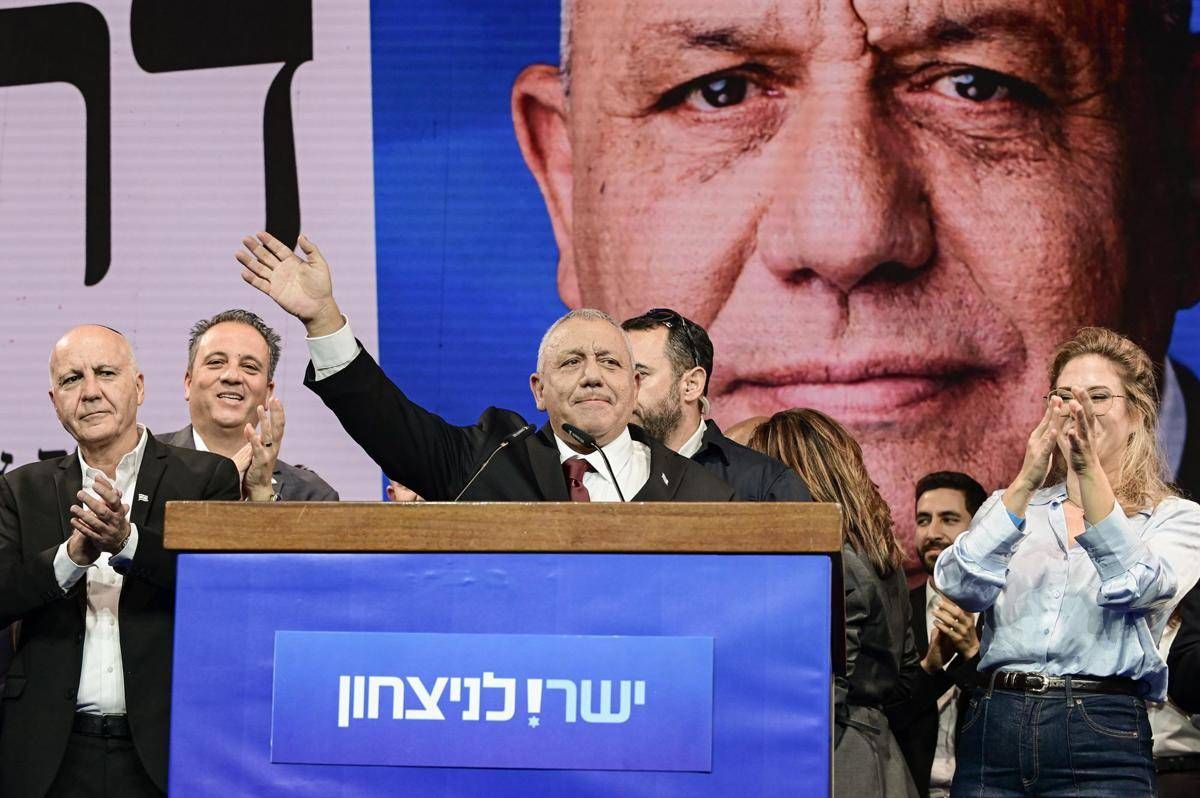
Herzog Taps Gadi Eisenkot to Form Israel’s Next Government
The Yashar leader received 67 recommendations from Knesset members, compared with 46 for Benjamin Netanyahu. But the mandate is only...
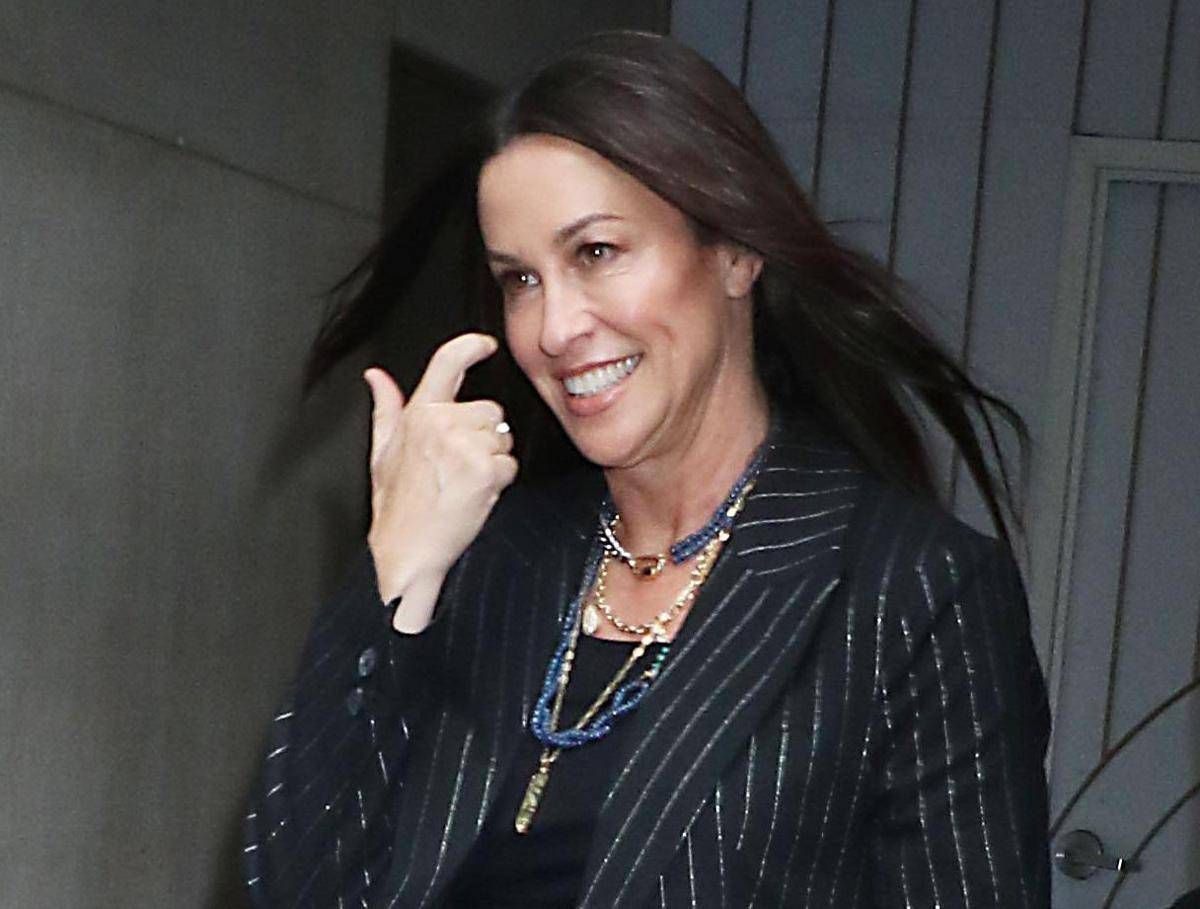
Alanis Morissette Says She Is Pansexual in Podcast Interview
The singer made the disclosure on Handsome after a playful exchange with hosts Tig Notaro, Fortune Feimster and Mae Martin...
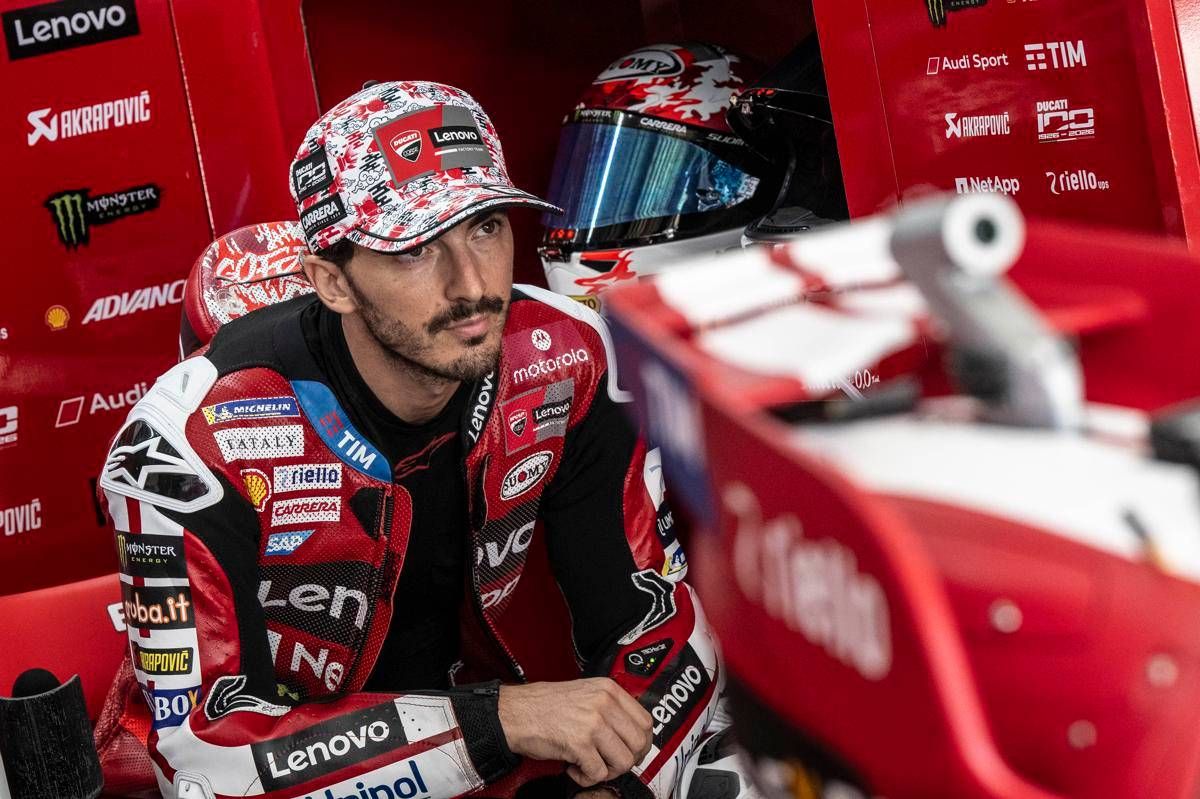
Bagnaia, frattura a due dita del piede destro: salta la gara in Qatar
Il pilota Ducati sarà trasferito a Doha per ulteriori accertamenti, poi rientrerà in Italia per essere operato La caduta nella...


Krakow Mass Shooting Leaves Six Dead, Shocks Poland Ahead of Independence Day
A gunman opened fire into a crowd in the heart of Krakow before attempting to flee, leaving six people dead...

Spara sulla folla dal finestrino dell’auto: strage a Cracovia, 6 morti e 15 feriti
L’attacco nella piazza principale della città. L’uomo ha sparato dall’auto, poi è stato ferito e fermato dalla polizia. Nel veicolo...
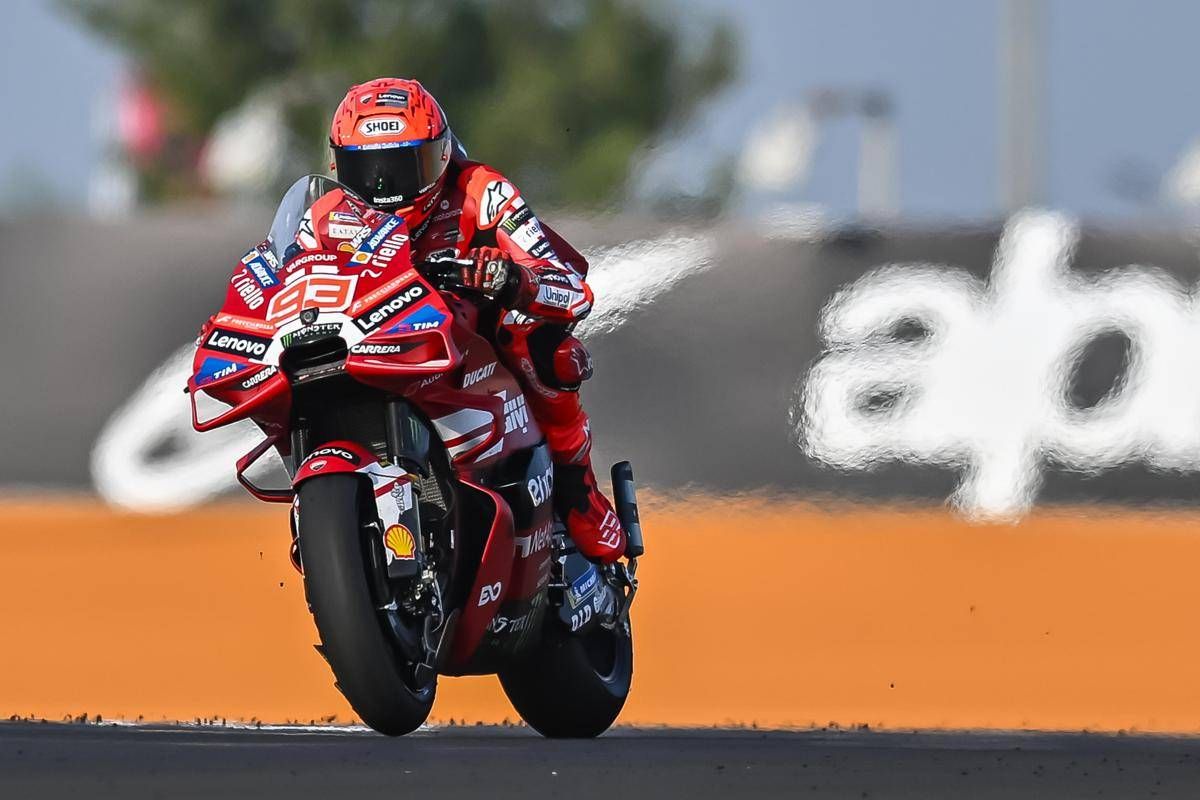
MotoGp Qatar, Marquez vince la Sprint e vede il Mondiale
Lo spagnolo conquista la gara corta dopo il contatto con Bezzecchi, finito a terra senza che i commissari prendessero provvedimenti....

Parigi si prepara alla protesta: fino a 400 radicali sotto osservazione
Il governo ha predisposto un imponente dispositivo di sicurezza. Sui social, secondo il ministro dell’Interno, sono circolati appelli ad attaccare...


Meteo, maltempo: piogge Centro-Sud e neve su montagne ma domenica alta pressione
Il passaggio della perturbazione atlantica porterà rovesci, vento fino a 50 km/h e temperature in calo. Da domenica torna l’alta...

Treno travolge e uccide un uomo a Cascina: ritardi e cancellazioni sulla linea
L’incidente vicino alla stazione ha richiesto l’intervento delle autorità giudiziarie. Modifiche al servizio ferroviario tra Firenze, Pisa e Livorno Un...
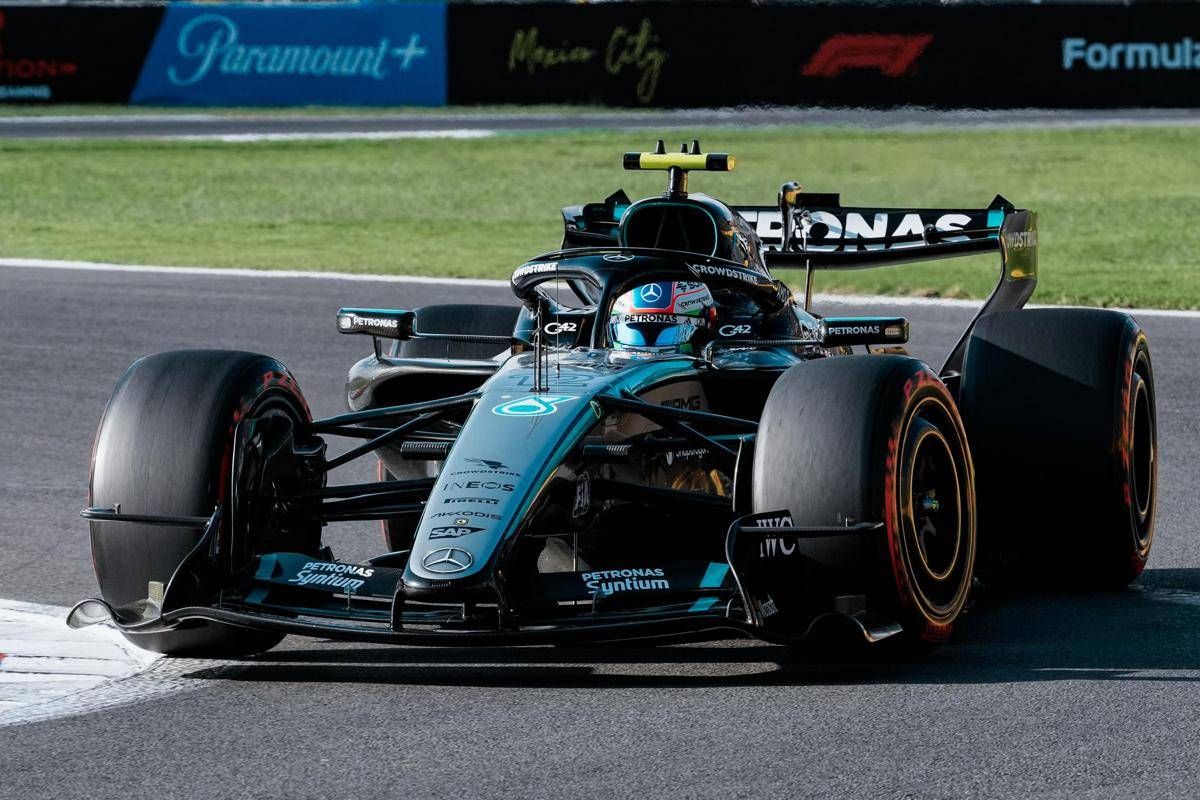
Formula 1 in Brasile, Mercedes può vincere il Mondiale costruttori
A Interlagos la scuderia tedesca ha 126 punti di vantaggio sulla Ferrari e può chiudere i conti. Oggi in programma...

Iran, Vance tratta con Teheran mentre Trump cerca una via d’uscita
Il vicepresidente sarebbe coinvolto da due settimane nei colloqui indiretti per un nuovo cessate il fuoco. Putin, intanto, si è...

MotoGp Qatar, Marquez può vincere il Mondiale: orari e diretta tv
A Lusail si corrono oggi le qualifiche e la Sprint. Yamaha ha annunciato il ritiro dal Gran Premio di domenica,...

Paraguay Swears In Pedro Alliana as Ousted President Peña Faces House Arrest
The Senate unanimously removed Santiago Peña over his handling of the Ueno Bank crisis. His successor pledged full compensation for...

Man Arrested Near White House After Threatening to Kill Trump
The Venezuelan suspect allegedly told Secret Service agents that voices in his head had ordered him to travel to Washington...