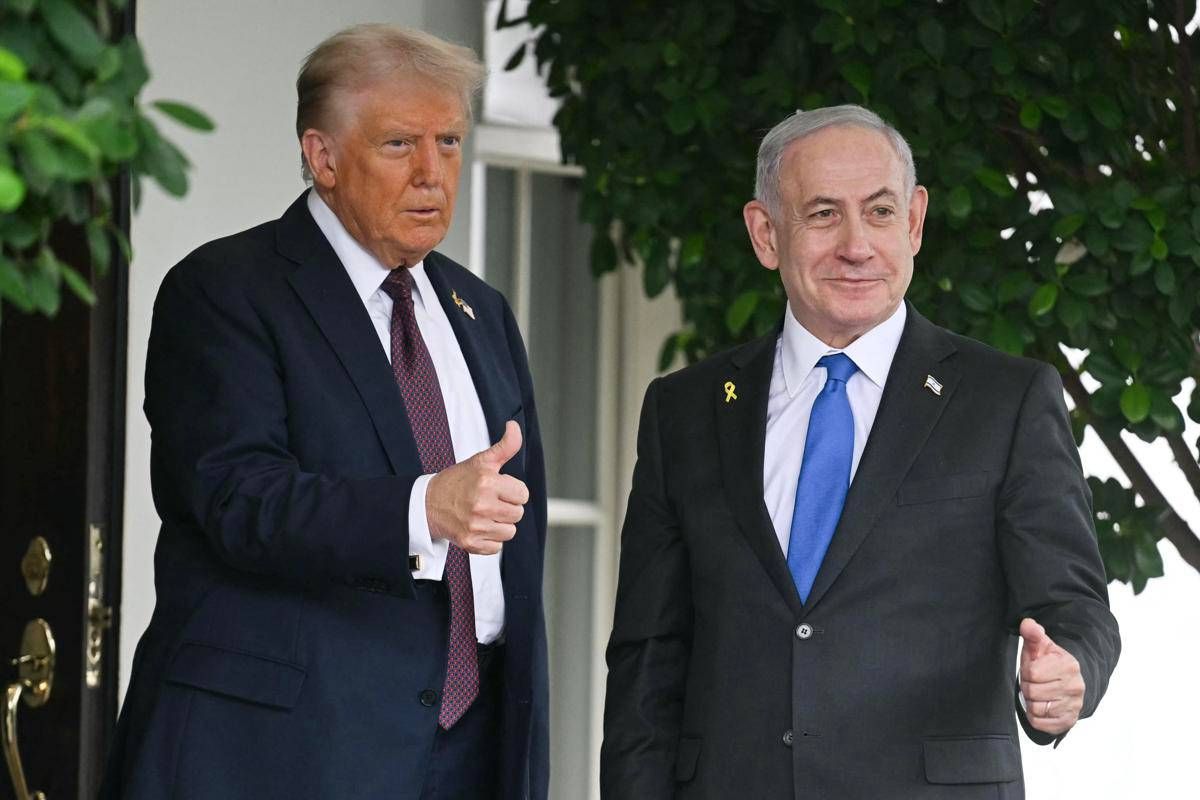
The president's latest social media stunt has drawn outrage from the family of a young British man killed by a...
Read More
International-News
Two Straits, One Trap: How Iran and the Houthis Are Strangling Global Commerce

The Red Sea and the Persian Gulf have become a single chokepoint. Analysts who warned of this scenario from day one now see supply chains cracking and energy markets bracing for shock
The nightmare scenario that analysts sketched out when the war in Iran began is now materializing. Two straits have become one noose. Hormuz and Bab el Mandeb are closed in tandem, and the global economy is caught between them. The weapon is crude but devastating: stop the ships, and everything downstream seizes up. Cargo rots in hulls. Factories idle for want of parts. Commodity prices climb, then spike, then run.
On the Persian Gulf side, Iran’s Revolutionary Guards are trading missile volleys with American forces.
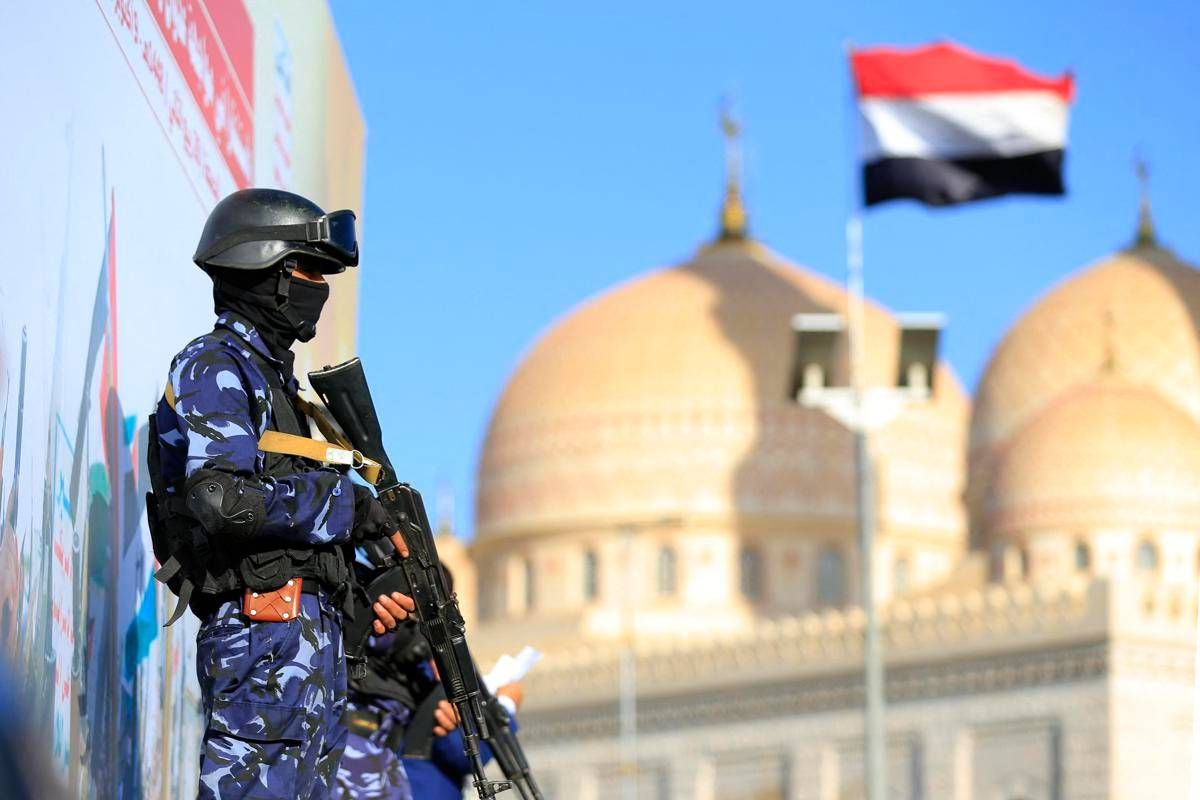
On the Red Sea side, the Houthis have begun halting Saudi vessels at Bab el Mandeb, the narrow gate between the Indian Ocean and the Mediterranean. These are technically separate wars. In practice they share a single logic. Whoever controls the waterway controls the price of everything that floats through it.
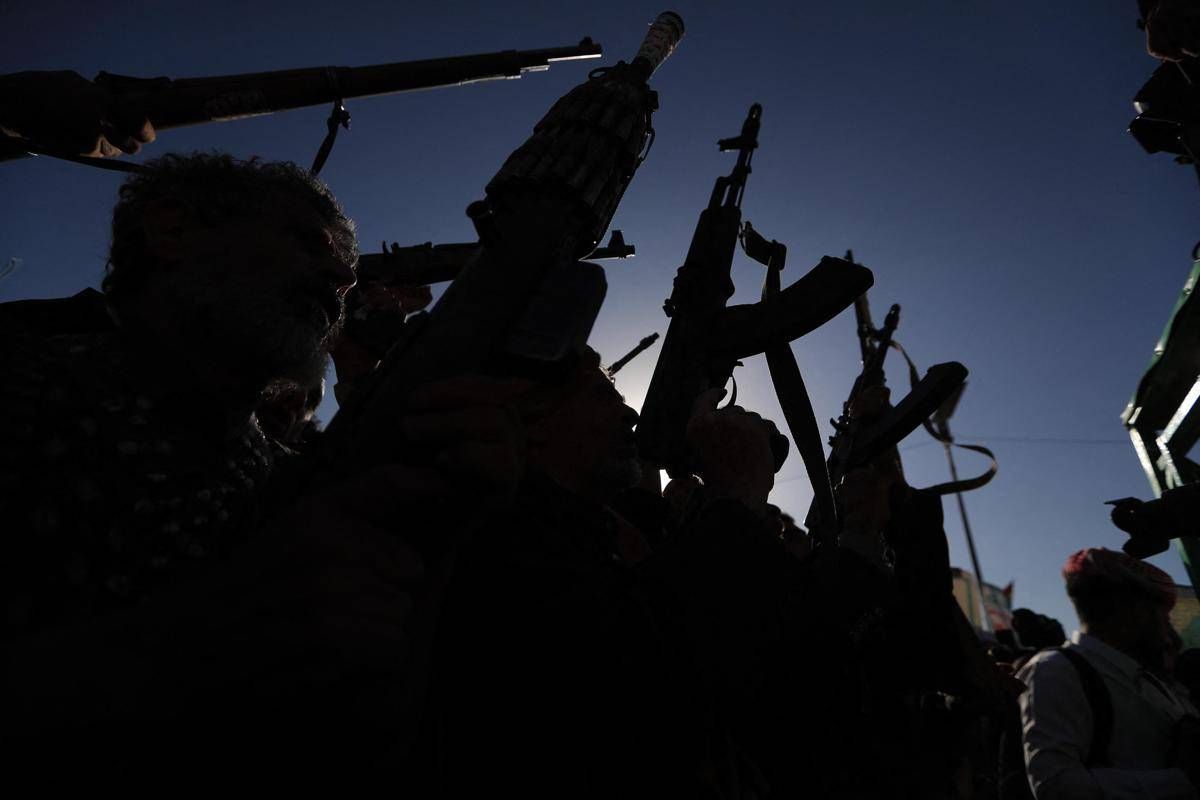
The Houthis govern northern Yemen and have drawn their paycheck from Tehran for years. Whether their latest move was choreographed with Iran or improvised on the spot hardly matters anymore. The effect is the same. Two chokepoints are now active simultaneously, and the global shipping industry has no spare route that can absorb the blow.
Bab el Mandeb sits between Djibouti, Eritrea, Somalia, and Yemen. Before the region caught fire, 12% of world trade and 7% of global oil sailed through this passage, nearly all of it Saudi crude. Shut it completely and every container bound from Asia to Europe must swing south, around the Cape of Good Hope, adding weeks and burning fuel the market cannot spare.
This is not the Houthis’ first attempt. After Hamas struck Israel on October 7, 2023, they spent eighteen months turning the Red Sea into a shooting gallery, hitting commercial traffic in the name of Palestine.
The attacks stopped only in mid-2025, when Washington bought a truce. That pause gave global trade a partial reprieve while Hormuz simmered. Now both passages are hot at once, and there is no relief valve left.
The geometry of the crisis has changed. A single strait under pressure is a headache. Two straits under pressure, linked by an Iranian proxy with shared aims, is a structural threat. The Trump administration faces negotiations that have stalled, military exchanges that resolve nothing, and an energy market one miscalculation away from panic. The vise is tightening, and no one has shown how to open it.
THE LATEST NEWS

Iran Woman Sentenced to Death Over Social Media Post, Rights Groups Warn
14 October 2026
Human rights organizations are raising alarm over what they describe as an accelerating use of capital punishment to silence dissent...
Read More

Trump Media Ban Blocked as Judge Restores CNN, Politico and MSNBC Access
14 October 2026
A federal judge found little evidence that national security concerns were behind the White House decision to revoke access credentials...
Read More
Hassan Jihad Ibn Kariem Identified in Fatal Six Flags Roller Coaster Fall
14 October 2026
A longtime Atlanta educator remembered for his work in technology and robotics died after plunging from the Goliath roller coaster...
Read More

Maged al-Madhaji Warns Yemen Conflict Will Become More Painful
13 October 2026
Senior Yemeni analyst says the confrontation between the Houthis and Saudi Arabia is likely to endure, with Washington facing growing...
Read More
Susan Sarandon Slams Livestreamed Nidal Malik Hasan Execution
13 October 2026
Speaking at Alice nella Città in Rome, the Academy Award-winning actress condemned the Trump administration’s decision to broadcast the execution...
Read More

(Source: AndKronos)