
International-News
U.S. to Broadcast Nidal Hasan’s Firing-Squad Execution Live
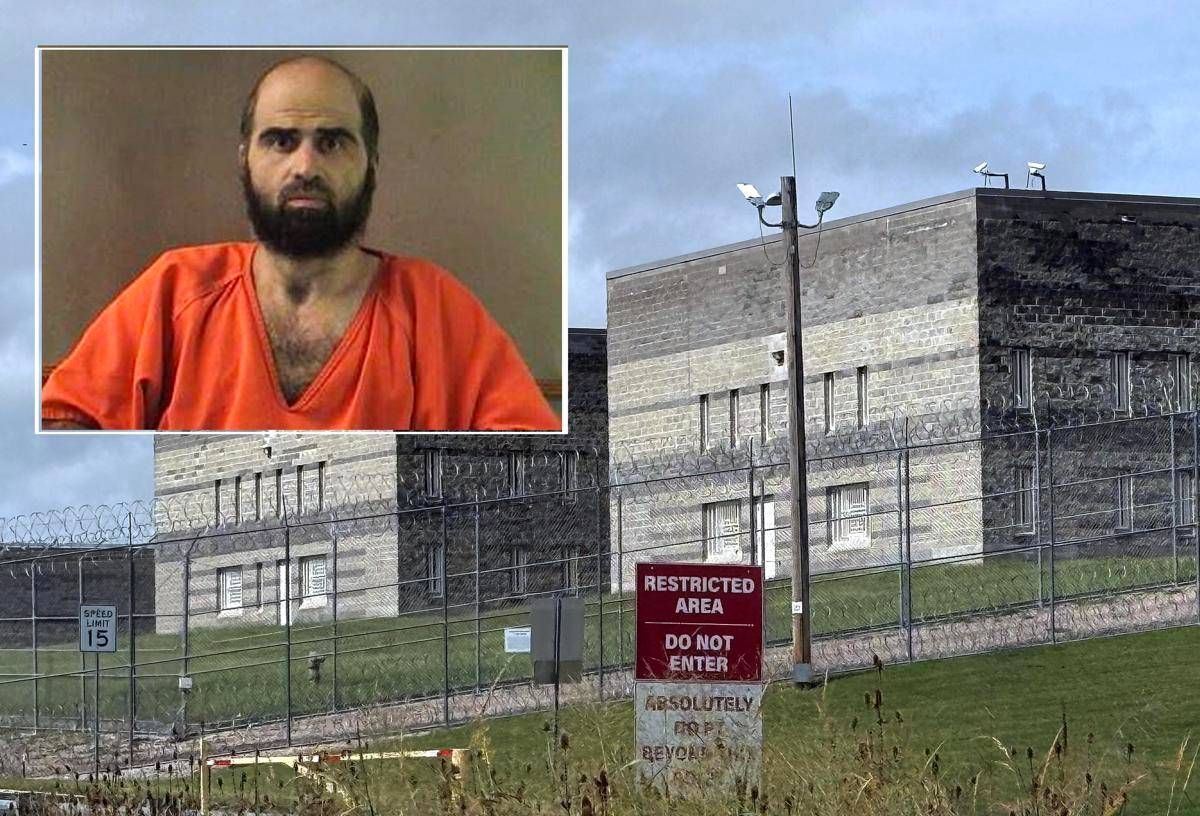
The Fort Hood mass shooter is scheduled to be executed on December 3. Defense Secretary Pete Hegseth says the public should witness the killing, raising questions about a government turning capital punishment into a public spectacle
In 2026, can a modern state still sentence someone to death and present the killing as a lesson for the public? The United States appears prepared to do just that. Nidal Hasan, convicted of killing 13 people in the 2009 Fort Hood shooting, is scheduled to be executed by firing squad on December 3. The execution will be public and broadcast live, according to a Defense Department official.
The decision goes beyond Hasan’s case. It is not just about a country that still imposes the death penalty, but about a government choosing to put an execution on display and presenting it as a warning to the public. A state-sanctioned killing becomes a public spectacle, justified as a way to demonstrate the consequences of a crime.
The Defense Department official confirmed the planned live broadcast to Agence France-Presse after Defense Secretary Pete Hegseth announced that the public would be allowed to witness the execution.
“We will make sure people can watch. Because people need to understand that actions like this carry very serious consequences,” Hegseth told Real America’s Voice. Hasan, he added, “will be shot by a firing squad of soldiers. As it should be.”
The remarks frame the execution as a public demonstration of government authority. But they also raise a difficult question: when does justice cross the line into a display of vengeance? And what separates the punishment imposed by the state from the logic of retribution when a person’s death is deliberately presented as a warning to everyone else?
Hasan was convicted of killing 13 people in the 2009 shooting at Fort Hood, the U.S. Army installation in Texas. The scale and gravity of the attack, and the suffering of the victims and their families, are not in question. But the debate over capital punishment also concerns the power a government claims for itself—and what it chooses to put on public display in the name of justice.
No public execution in the U.S. for 90 years
According to Axios, the United States has not held a public execution in 90 years. Hegseth’s announcement leaves open questions about how the military will allow members of the public to watch the execution and how the planned broadcast will work.
Hasan’s execution, scheduled to take place at Fort Hood on December 3, would also be the first U.S. military execution since 1961.
The last U.S. military execution by firing squad took place in 1945, when Pvt. Eddie Slovik was shot in France for desertion, according to NPR.
Only five states authorize firing squads
Execution by firing squad remains uncommon in the United States. The Death Penalty Information Center says only five states authorize the method: Idaho, Mississippi, Oklahoma, South Carolina and Utah.
Last year, South Carolina carried out the first firing-squad execution in the state’s history. It was also the first execution by firing squad in the United States in 15 years.
The last public execution in the country took place in 1936. Rainey Bethea, a Black man convicted of raping a white woman, was hanged in Kentucky.
The plan to broadcast Hasan’s execution live would bring a practice that has been absent from public view for decades back into the national spotlight. The issue is not whether the crimes for which people are convicted should be taken seriously. It is what a government communicates when it turns a death carried out in its name into a public demonstration of power—and asks the public to watch.
THE LATEST NEWS
[recent_post_slider design=”design-07″ show_author=”false” slider_height=”390″ lazyload=”progressive” limit=”6″ category=”11728″]
(Photo: © AndKronos)



Truffe del pellet, l’inchiesta Adnkronos: così agiscono i siti falsi
Le offerte ingannevoli si moltiplicano con i primi freddi. Prezzi troppo bassi, bonifici a persone fisiche e richieste di pagamento...

Varsavia teme incursioni dalla Russia: rafforzata la sicurezza a Kaliningrad
L’intelligence polacca e le agenzie alleate hanno segnalato possibili tentativi di attraversamento del confine da parte di gruppi armati Gruppi...

Ryanair anticipa la chiusura del check-in bagagli: cosa cambia
Non sarà più possibile consegnare il bagaglio in stiva fino a 40 minuti prima del decollo: il nuovo limite scatterà...

Iran’s Strait of Hormuz Plan Raises the Stakes for U.S. Diplomacy
Tehran says one of the world’s most critical shipping corridors can reopen within 48 hours, but only if Washington first...

Iran, proposta agli Usa: Hormuz riapre in 48 ore se accettano le condizioni
Teheran chiede la revoca delle sanzioni, il ripristino delle esenzioni petrolifere e una riduzione della presenza militare americana nella regione...
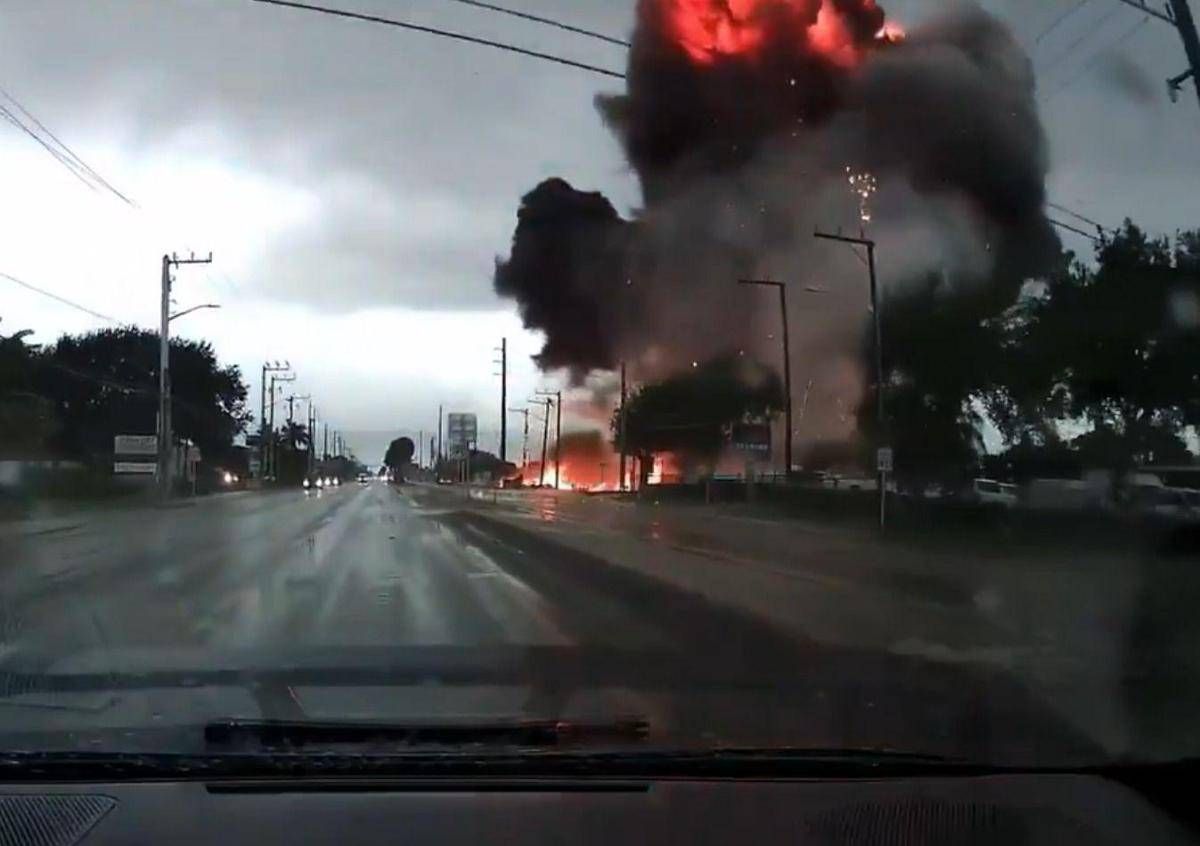
Jet Crashes Near Mar-a-Lago, Killing Nine in Seconds-Long Descent VIDEO
A private jet heading to the Bahamas plunged into a South Florida neighborhood after its crew reported severe weather, icing...

Private Jet Crash Near Mar-a-Lago Leaves Nine Dead After Crew’s Final Plea
A Learjet en route from Texas to the Bahamas plunged into a South Florida neighborhood after pilots reported severe weather,...

Calenda annuncia: «Azione correrà da sola alle prossime elezioni»
Esclusa l’adesione alle due coalizioni, il leader punta a costruire una lista centrista capace di incidere sulla formazione del governo...

Kherson, finita la tregua di Oleshky: un drone russo ferisce due civili
La pausa umanitaria, durata sei giorni, si è conclusa il 1° novembre. Colpita un’auto nel quartiere di Korabelny La ripresa...
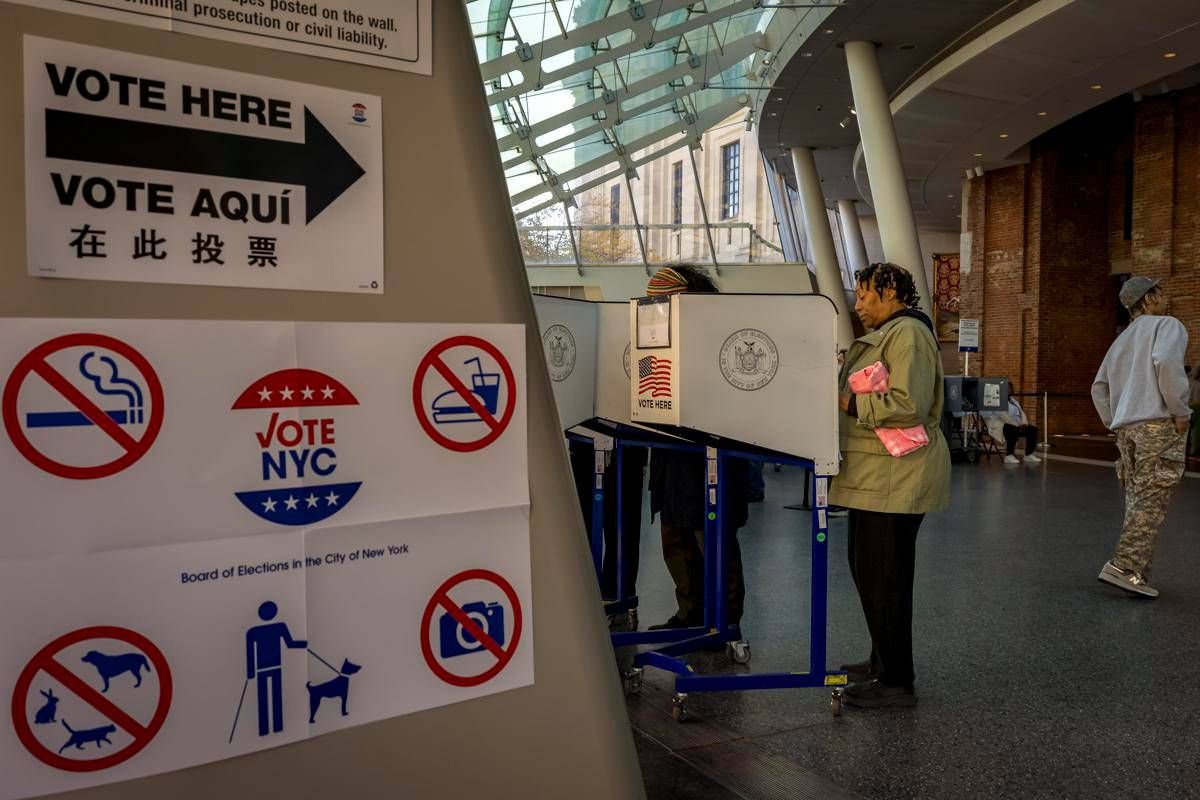
Governors, Not Congress, May Hold the Biggest Prize of the Midterms
Thirty-six states are electing governors, and the results could shape far more than local politics. With Democrats eyeing gains in...

La trattativa tra Iran e Stati Uniti resta appesa alle richieste di Teheran
Nuovi attacchi in Iran, Trump rinvia ogni decisione dopo il voto del 3 novembre e lascia spazio ai negoziati. Netanyahu...

Spagna, identificate 2 italiane tra le vittime dell’incidente ferroviario
Ana Martina Conte Grand e Daniela Milan Parlanti risultavano disperse dopo lo scontro tra i due treni a Urda Il...

Juan Atkins, Architect of Detroit Techno and Electronic Music Pioneer, Dies at 64
From the industrial landscape of Detroit emerged a sound that would transform dance music worldwide. Juan Atkins, widely regarded as...
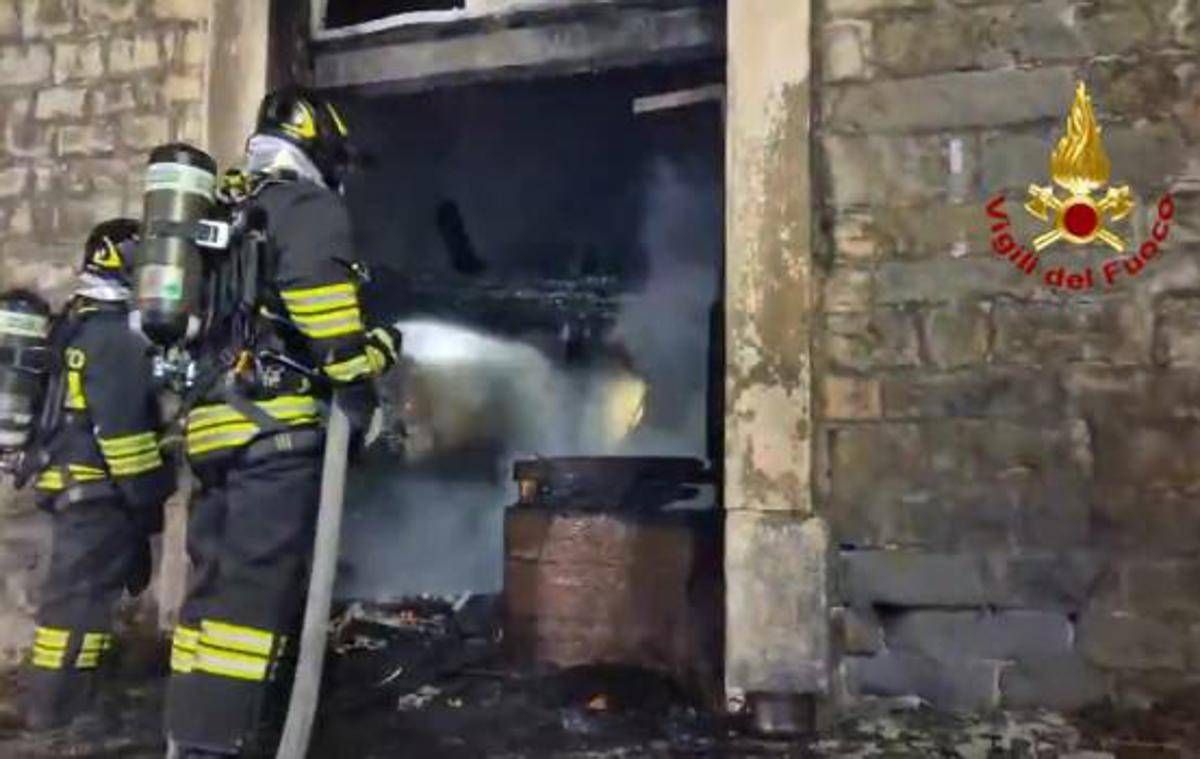
Trieste, due giovani migranti morti in un incendio al Porto Vecchio
Le vittime, un uomo e una donna, erano al primo piano del magazzino 18. Il solaio ha ceduto mentre le...


Criminalità giovanile, 644 arresti in due settimane: 69 sono minorenni
L’operazione della Polizia ha coinvolto tutte le province italiane. Identificati oltre 236mila ragazzi e sequestrati più di 244 chili di...
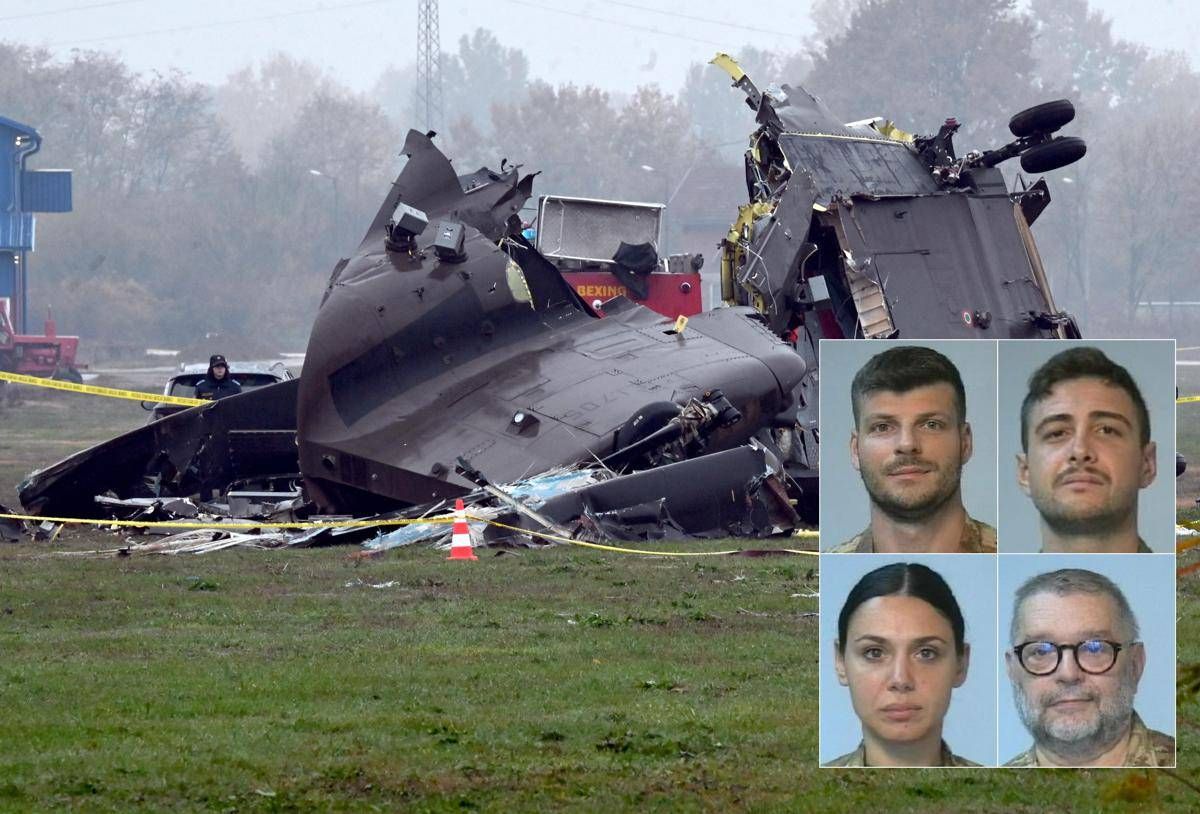
Quattro militari morti in Bosnia, le salme oggi in Italia: funerali martedì
I feretri arriveranno a Ciampino intorno alle 12. Meloni e Crosetto saranno presenti per accogliere i caduti dell’incidente del CH-47...