
International-News
Iran’s Strait of Hormuz Plan Raises the Stakes for U.S. Diplomacy
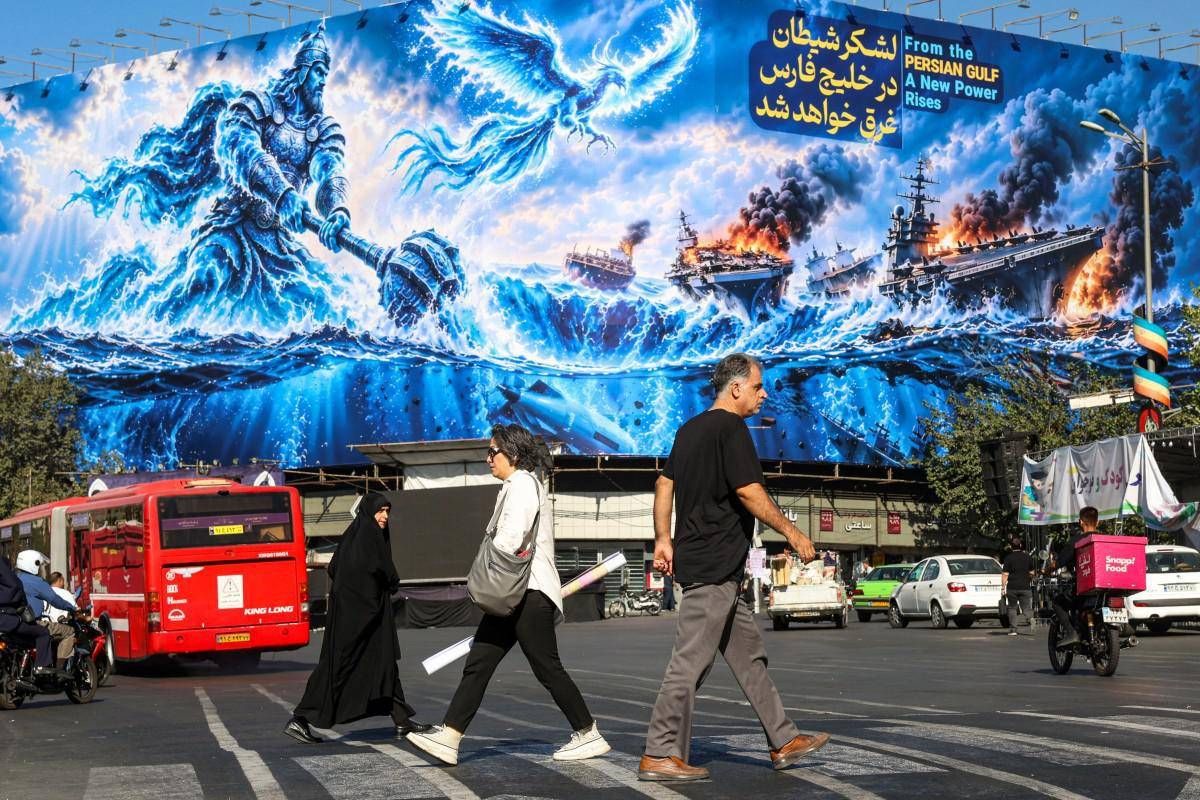
Tehran says one of the world’s most critical shipping corridors can reopen within 48 hours, but only if Washington first accepts a far-reaching package of sanctions relief, military concessions and economic measures
The most consequential development in the latest round of U.S.-Iran diplomacy is not a promise to reopen the Strait of Hormuz. It is Tehran’s insistence that Washington pay the price first.
Iran has presented a new proposal through Qatari and Pakistani mediators that would restore normal shipping through the strategic waterway within 48 hours, but only after the United States agrees to a package of Iranian demands touching nearly every major point of contention between the two countries. The offer places one of the world’s most important energy corridors at the center of a broader geopolitical bargain, transforming the reopening of Hormuz from a confidence-building measure into the end result of a successful negotiation.
Under the framework outlined by Foreign Minister Abbas Araghchi, the process would unfold in two stages. On the first day, the United States would implement a series of measures requested by Tehran. On the second, Iran would reopen the Strait of Hormuz and maritime traffic would return to normal. The proposal is the latest evolution of an earlier Iranian plan that envisioned a significantly longer implementation period before diplomatic efforts by regional mediators compressed the timeline into a two-day sequence.
The shorter timetable, however, does not make the negotiations any easier.
Iran is demanding the removal of sanctions imposed after a memorandum of understanding reached earlier this year, the restoration of oil-related exemptions, a reduction of U.S. military forces in the region to levels that existed before the conflict and the end of measures Tehran characterizes as a naval blockade. In the Iranian view, those steps are prerequisites, not bargaining chips. Only after they are implemented would Hormuz fully reopen.
That distinction is at the heart of the current standoff. Iranian officials are no longer presenting access to the strategic waterway as a gesture that could help unlock negotiations. Instead, they are treating it as the reward that follows an agreement. The message to Washington is straightforward: concessions first, navigation second.
Araghchi has framed the proposal as a test of American willingness to pursue diplomacy, arguing that the future of the initiative depends on decisions made in Washington. Yet even as Iranian officials emphasize dialogue, they continue to pair their diplomatic outreach with warnings. Tehran has indicated it is prepared to continue negotiations, but has also warned of a tougher response should military pressure resume.
The negotiating effort has received support from the highest levels of Iran’s political system. President Masoud Pezeshkian has reiterated his preference for resolving the dispute through diplomacy and said he has been granted additional authority by Supreme Leader Mojtaba Khamenei to manage the process. The statement appears designed to reassure mediators that the initiative carries backing beyond the Foreign Ministry and reflects a broader consensus within the Iranian leadership.
For now, though, diplomacy remains suspended between proposal and agreement. Iranian officials acknowledge that consultations are still ongoing and that no definitive breakthrough has been achieved. The framework remains contingent on a U.S. response and on whether Washington is prepared to accept conditions that extend well beyond the question of maritime access.
As Tehran waits for an answer, it is also maintaining close coordination with Moscow. Iranian officials have confirmed that Mohsen Rezaei, secretary of the Supreme National Security Council, held discussions with Russian President Vladimir Putin on developments across the Middle East, underscoring the extent to which the dispute over Hormuz has become part of a wider regional and international contest.
The immediate question is no longer whether Iran is willing to reopen the Strait of Hormuz. The question is whether the United States is willing to meet the conditions Tehran has attached to that decision.
(Photo and video: © AndKronos)


Moss Landing Shooting Leaves Multiple Dead as California Investigators Search for Answers
Authorities have released few details about the gunfire near Monterey Bay, but the incident has already become the latest in...

Meteo, piogge e neve sull’Appennino: nuovo peggioramento dal 5 novembre
Il calo delle temperature porterà le massime fino a 4-6 gradi sotto i valori recenti. Le precipitazioni interesseranno soprattutto Centro-Sud...

Hamilton Questions Leclerc’s Team Commitment After Ferrari Flashpoint
The seven-time champion says Ferrari lost more than a race in Mexico, arguing that an internal battle with Charles Leclerc...

Bussolengo, accusato di aver ucciso la moglie con l’insulina: non risponde al gip
Nadir Rossi, 35 anni, è detenuto a Verona per l’omicidio premeditato e pluriaggravato di Jessica Dalla Chiara. Respinta la richiesta...


Truffe del pellet, l’inchiesta Adnkronos: così agiscono i siti falsi
Le offerte ingannevoli si moltiplicano con i primi freddi. Prezzi troppo bassi, bonifici a persone fisiche e richieste di pagamento...

Varsavia teme incursioni dalla Russia: rafforzata la sicurezza a Kaliningrad
L’intelligence polacca e le agenzie alleate hanno segnalato possibili tentativi di attraversamento del confine da parte di gruppi armati Gruppi...

Ryanair anticipa la chiusura del check-in bagagli: cosa cambia
Non sarà più possibile consegnare il bagaglio in stiva fino a 40 minuti prima del decollo: il nuovo limite scatterà...
Iran’s Strait of Hormuz Plan Raises the Stakes for U.S. Diplomacy
Tehran says one of the world’s most critical shipping corridors can reopen within 48 hours, but only if Washington first...
Iran, proposta agli Usa: Hormuz riapre in 48 ore se accettano le condizioni
Teheran chiede la revoca delle sanzioni, il ripristino delle esenzioni petrolifere e una riduzione della presenza militare americana nella regione...
Jet Crashes Near Mar-a-Lago, Killing Nine in Seconds-Long Descent VIDEO
A private jet heading to the Bahamas plunged into a South Florida neighborhood after its crew reported severe weather, icing...
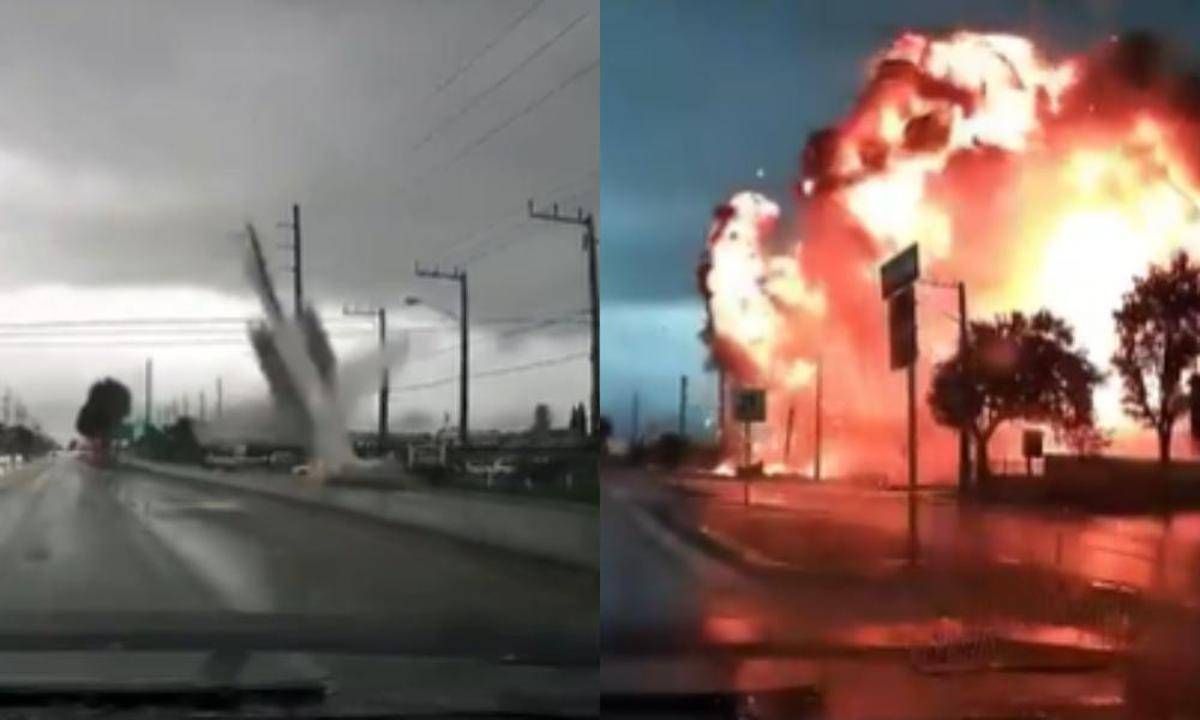
Private Jet Crash Near Mar-a-Lago Leaves Nine Dead After Crew’s Final Plea
A Learjet en route from Texas to the Bahamas plunged into a South Florida neighborhood after pilots reported severe weather,...

Calenda annuncia: «Azione correrà da sola alle prossime elezioni»
Esclusa l’adesione alle due coalizioni, il leader punta a costruire una lista centrista capace di incidere sulla formazione del governo...
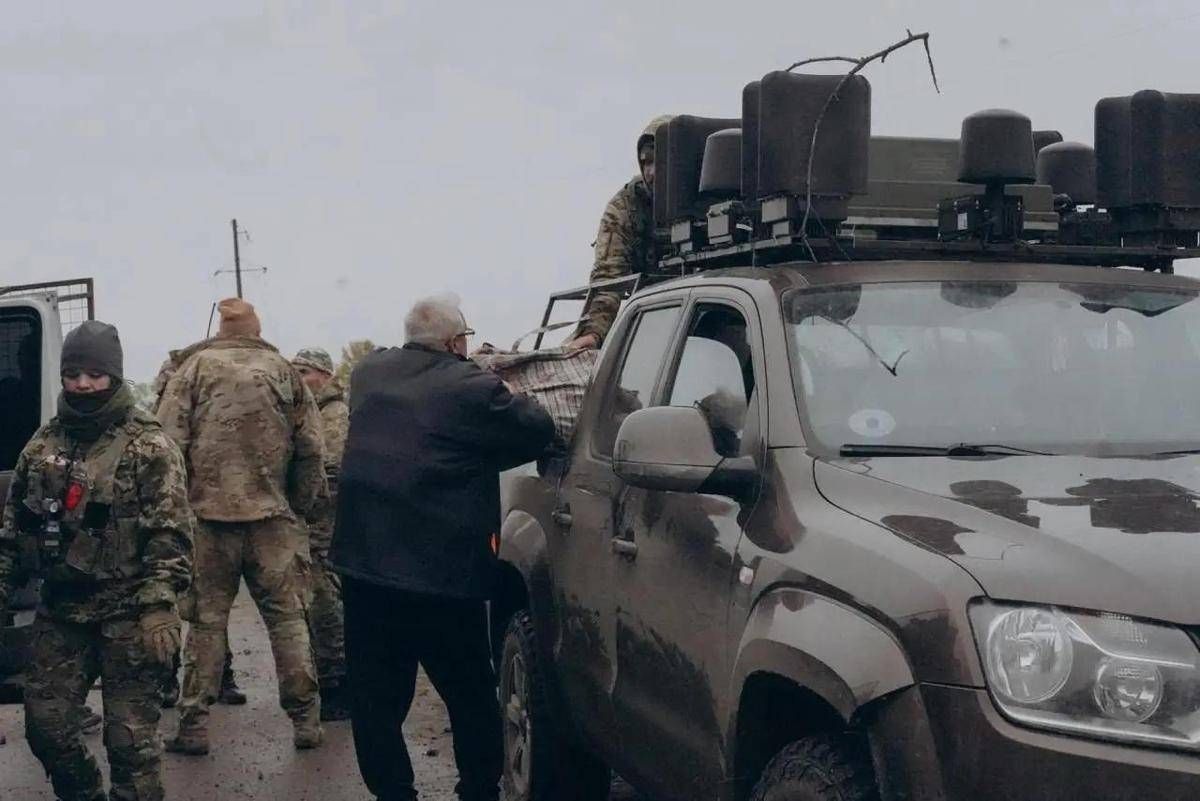
Kherson, finita la tregua di Oleshky: un drone russo ferisce due civili
La pausa umanitaria, durata sei giorni, si è conclusa il 1° novembre. Colpita un’auto nel quartiere di Korabelny La ripresa...
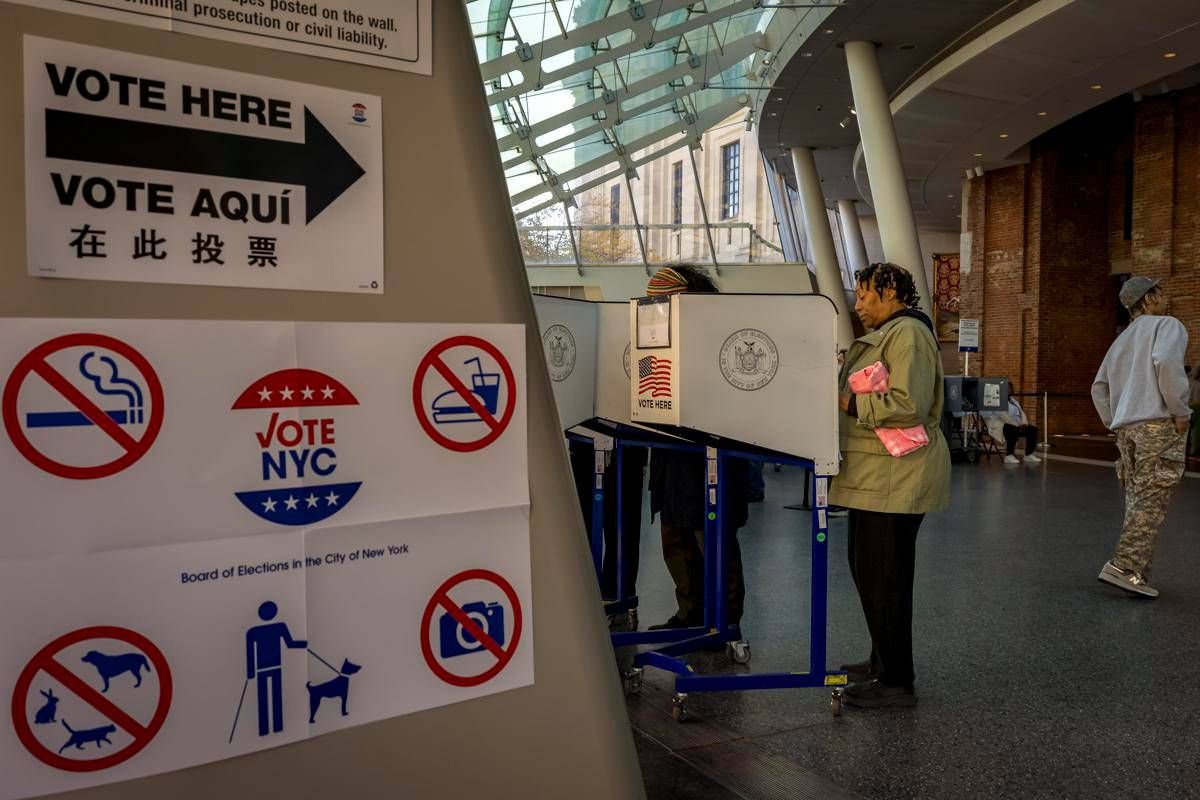
Governors, Not Congress, May Hold the Biggest Prize of the Midterms
Thirty-six states are electing governors, and the results could shape far more than local politics. With Democrats eyeing gains in...
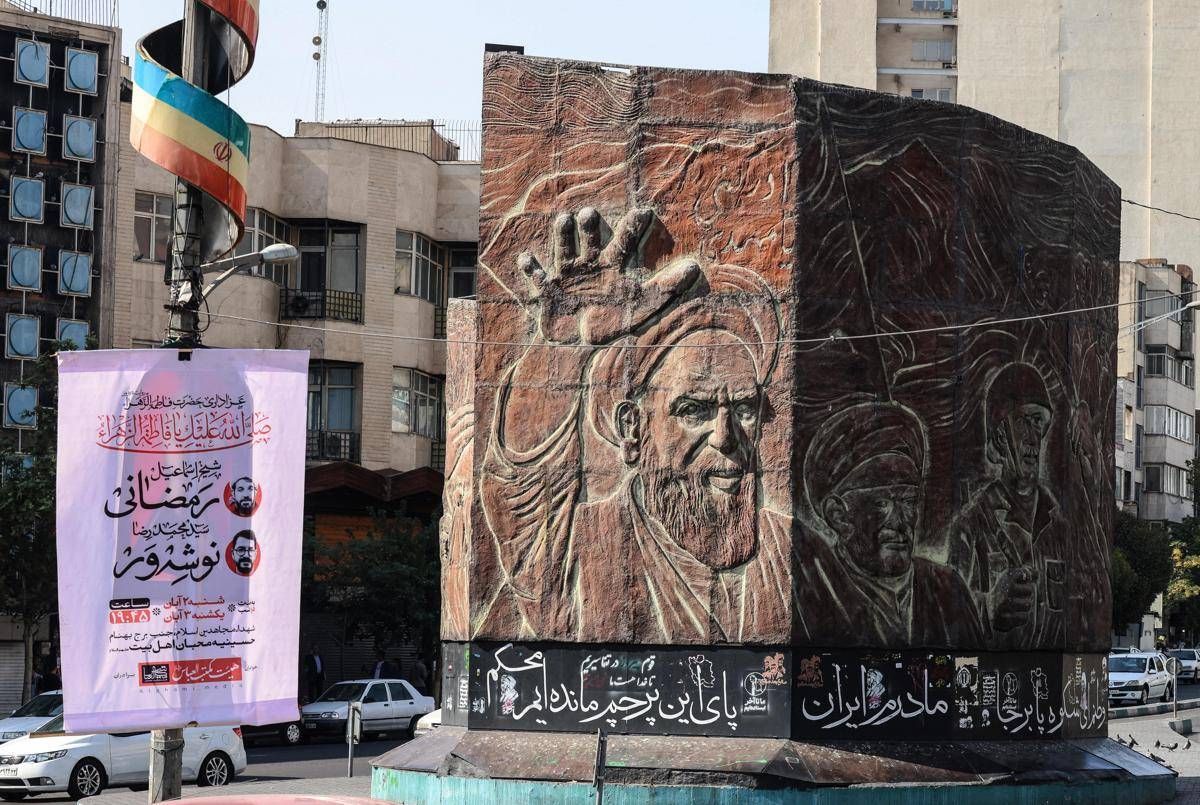
La trattativa tra Iran e Stati Uniti resta appesa alle richieste di Teheran
Nuovi attacchi in Iran, Trump rinvia ogni decisione dopo il voto del 3 novembre e lascia spazio ai negoziati. Netanyahu...

Spagna, identificate 2 italiane tra le vittime dell’incidente ferroviario
Ana Martina Conte Grand e Daniela Milan Parlanti risultavano disperse dopo lo scontro tra i due treni a Urda Il...
You must be logged in to post a comment Login