
International-News
Spain Rail Disaster Becomes a Defining Political Test for Pedro Sánchez
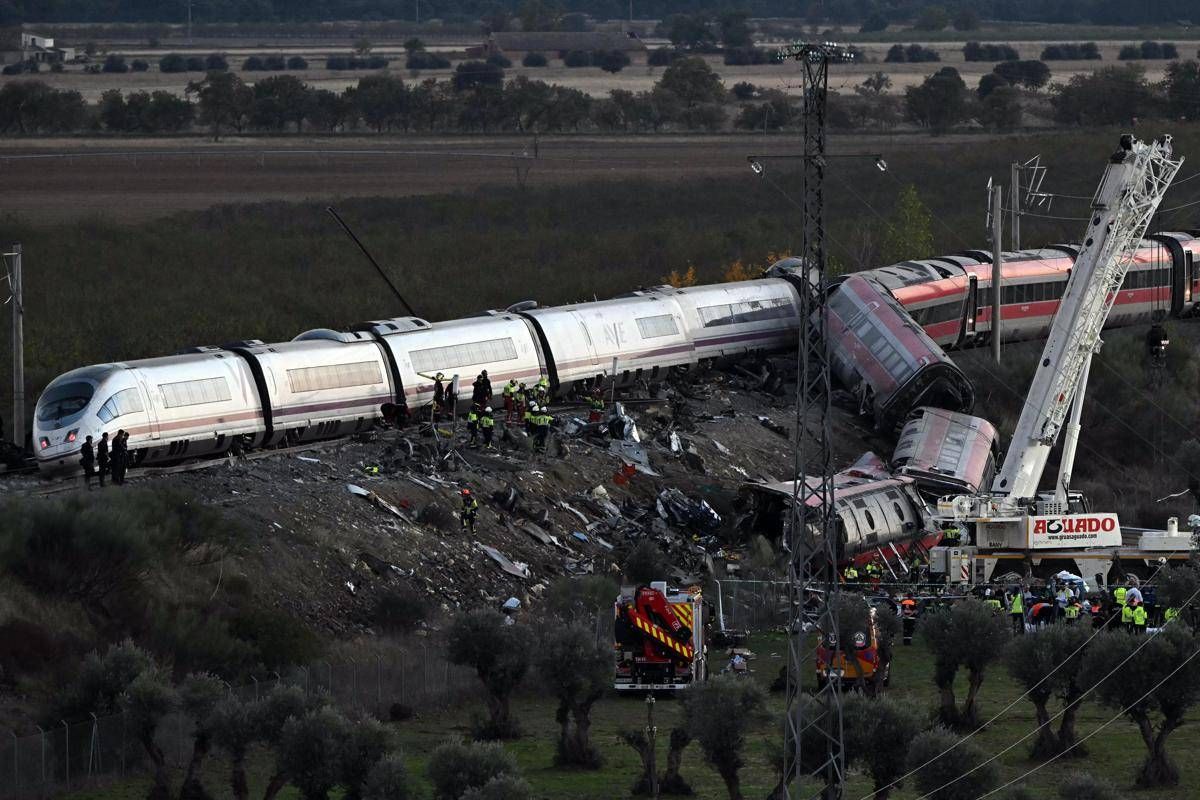
A deadly train crash near Urda has abruptly shifted Spain’s election campaign onto the condition of the country’s infrastructure, exposing Prime Minister Pedro Sánchez to renewed scrutiny as opposition parties demand answers and voters prepare to head to the polls
For months, Pedro Sánchez hoped Spain’s snap election would be fought on economic performance, social policy and competing visions of the country’s future. A deadly train disaster near Urda has suddenly changed the conversation.
The accident, the third major rail incident in Spain this year after the crashes in Adamuz and Gelida, has pushed infrastructure safety to the center of the national debate and created a politically perilous moment for a government already navigating controversy over immigration, the crisis in Ceuta and the fallout from the collapse of a key housing reform. With the Nov. 29 election just weeks away and opinion polls showing the opposition Popular Party holding an advantage, the disaster threatens to transform public transportation and government oversight into one of the campaign’s defining issues.
The political risk for Sánchez lies not only in the tragedy itself but in a broader question now being asked across the country: why another major rail accident has occurred after two earlier disasters already triggered concerns about the state of Spain’s transportation network.
Seeking to project leadership and transparency, Sánchez traveled to the crash site and announced three days of national mourning. Standing before a nation in shock, the prime minister pledged support for victims and their families and promised a full accounting of what happened.
“We will get to the bottom of this,” Sánchez said from Urda. “And if there was negligence, it will come to light.”
Those assurances may prove critical in the days ahead. The government’s handling of the investigation, rather than the immediate political reaction, is likely to determine whether the tragedy becomes an isolated national trauma or evolves into a broader judgment on the administration’s management of public infrastructure.
The debate has already begun. Opposition leader Alberto Núñez Feijóo suspended campaign events along with the rest of the Popular Party but made clear that respect for the victims should not come at the expense of accountability. He called for both governmental and judicial investigations to be carried out “with all available resources and without interference.”
“This is a moment for respect for the dead, the injured and their families,” Feijóo said. “But that does not mean ignoring that Spaniards have questions and deserve answers.” Spain, he added, “has the right to know what is happening to its infrastructure.”
Most of the political system responded in a similar fashion. The Socialist Party halted campaign activities. So did Frente Amplio, Podemos and regionalist parties including Junts, Esquerra Republicana de Catalunya and the Bloque Nacionalista Galego. Former Barcelona mayor Ada Colau expressed solidarity with those affected and voiced concern over the circumstances surrounding the crash. Junts spokesperson Miriam Nogueras warned that serious infrastructure problems can no longer be ignored.
Only one major national leader chose a different path.
Vox leader Santiago Abascal maintained campaign appearances in Santander and Valladolid and used them to launch the sharpest political attack yet on the government’s handling of the rail network. Rejecting calls for a suspension of campaign activity, he argued that public mourning should not become a shield against criticism of deteriorating infrastructure.
“We are now accustomed to some people wanting to suspend campaigns after a tragedy and turn politicians into women paid to cry at funerals,” Abascal said at a rally in Valladolid.
He accused the government of allowing conditions on the rail network to worsen while attempting to suppress criticism whenever disaster strikes. Referring to the aftermath of the Adamuz crash, Abascal said many would once again use grief and mourning to silence complaints about infrastructure failures “that we can no longer tolerate.”
His criticism extended directly to Transport Minister Óscar Puente, one of Sánchez’s closest political allies. “What some people should suspend is not the election campaign, but their dances and their macabre jokes about Renfe,” Abascal said. Vox later intensified its rhetoric by accusing the governing Socialist Party of conducting a “campaign of love” that “causes deaths in Spain.”
The renewed focus on Puente is politically significant. Following the Adamuz disaster, which killed 46 people, the Popular Party, Vox and Junts all demanded his resignation, arguing that concerns about network maintenance and oversight had not been adequately addressed. The minister rejected those accusations, insisting that previous investigations had not linked the accident to deficiencies in inspections or investment and defending the controls carried out on the affected rail line.
Now, with another major accident dominating national headlines, the scrutiny has returned.
The electoral consequences remain uncertain. Much will depend on the conclusions reached by investigators and on whether the government can convince voters that it is responding with competence and transparency. Yet the broader political stakes are already clear. A campaign that Sánchez hoped would focus on economic achievements and social policy is increasingly being pulled toward a question his opponents are eager to amplify: whether repeated rail disasters point to deeper problems in the management of Spain’s infrastructure.
Few issues are more politically dangerous during an election than a tragedy that raises doubts about the state’s ability to perform one of its most basic responsibilities. With Spain approaching a pivotal vote, that is precisely the debate now confronting Sánchez.
(Photo: © AndKronos)


Hormuz, tre petroliere in fiamme: Teheran accusa le navi
Secondo i Pasdaran, le imbarcazioni avrebbero urtato mine iraniane dopo aver ignorato gli avvertimenti sulla rotta meridionale dello Stretto Tre...
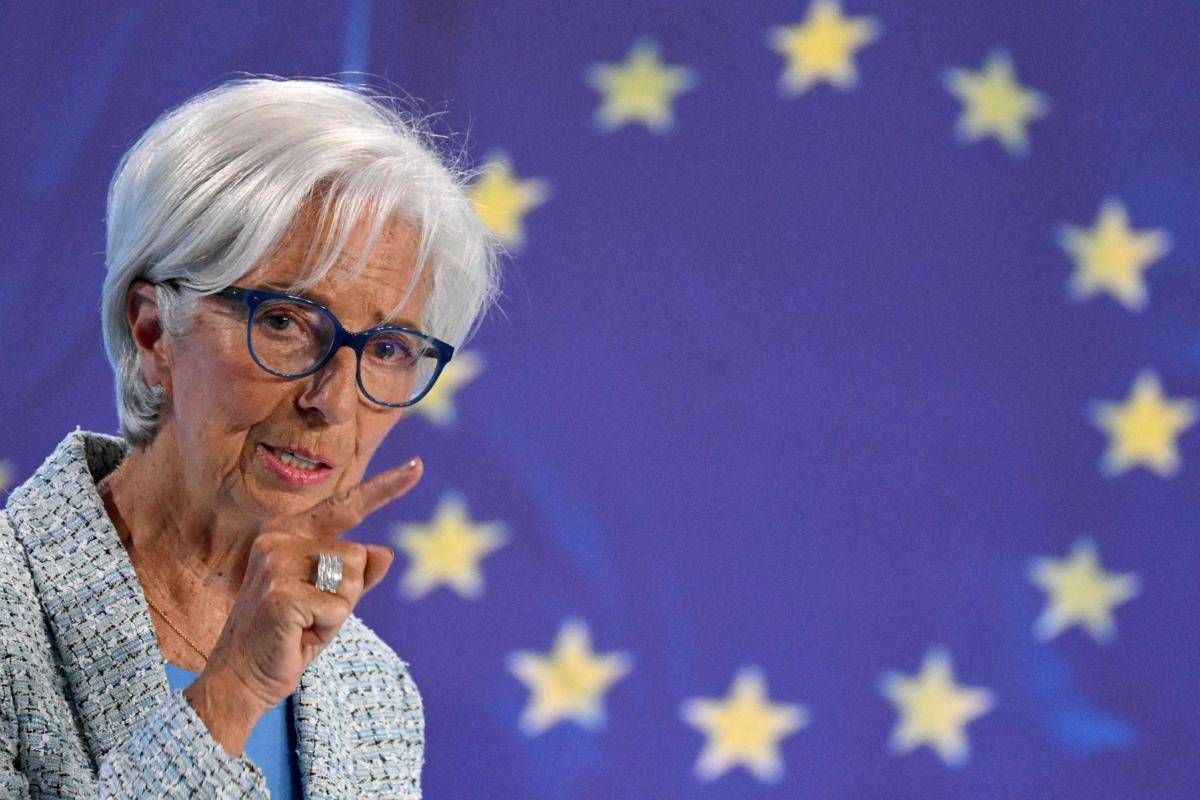
Lagarde Exit Sets Off a Fight Over the Future of the ECB
Christine Lagarde’s decision to leave the European Central Bank on Feb. 7 has opened one of the European Union’s most...

Meloni Defends Trump Ties as She Makes Her Case for Italy’s Strategy
The Italian prime minister argues that her close relationship with President Donald Trump advanced Italy’s national interests, while using the...
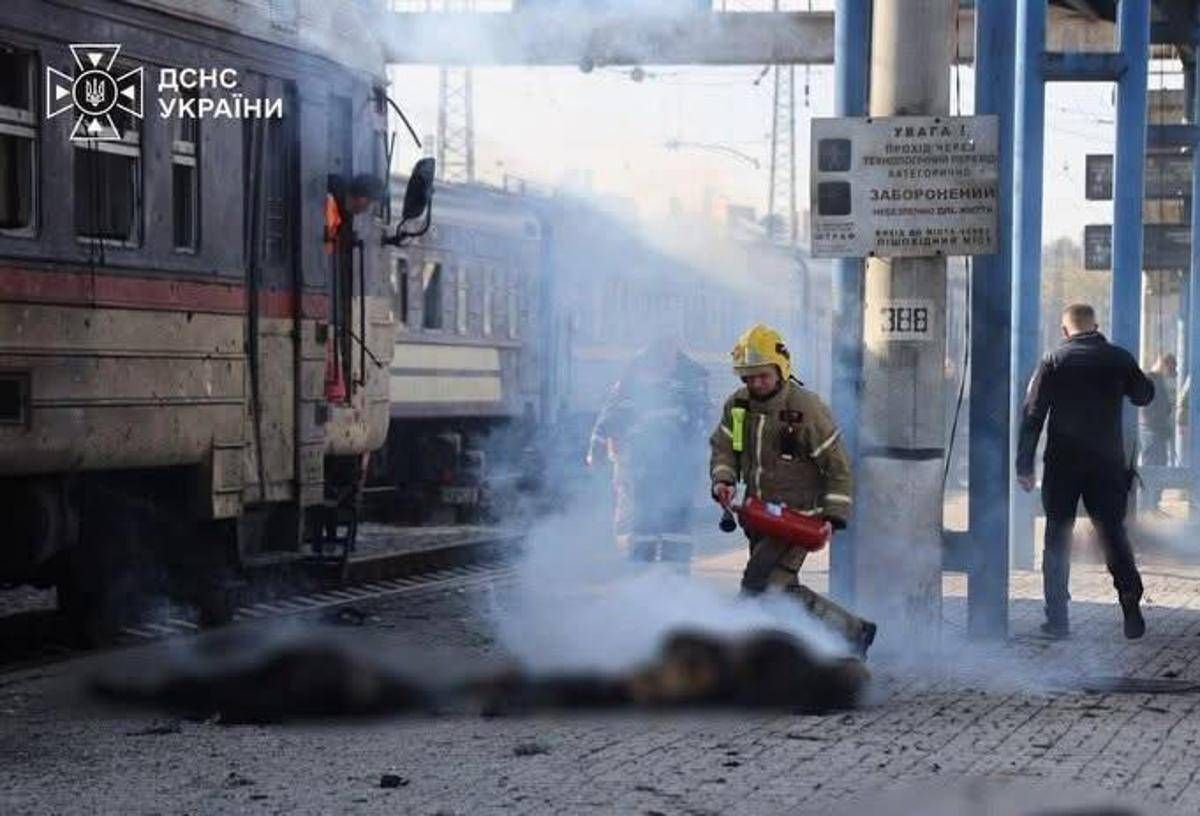
Russian Attacks Kill 15 in Ukraine as Sanctions Rift Deepens
A mass-casualty strike on a railway station in Dnipro and the deaths of two teenage girls in Chernihiv intensified Ukraine’s...
Tragedia ferroviaria Spagna, una dispersa italiana ritrovata: mancano all’appello 2 connazionali
Una nostra connazionale ha contattato il Consolato a Madrid per confermare di stare bene. Cinque italiani sono stati recuperati dai...

Hayden Panettiere Death Ruled Accidental as Police Close Case
Authorities say the actress died from the toxic effects of multiple substances, formally ending a South Carolina investigation that drew...
Reggio Emilia, 76enne ai domiciliari: è accusato di aver ucciso il cugino
La vittima, 74 anni e con una grave disabilità, morì per asfissia il 27 giugno in una residenza sociosanitaria. L’indagato...
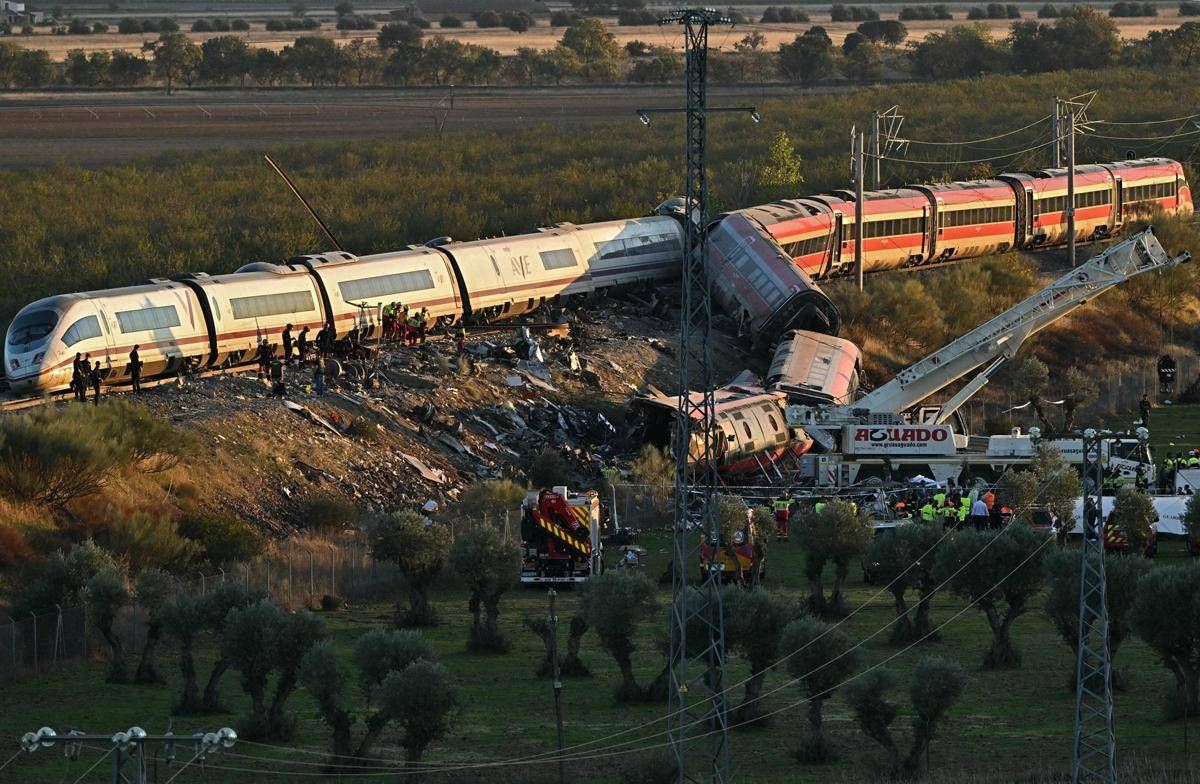
Spain Train Disaster Kills at Least 68 as Probe Turns to Critical Rail Decisions
Spain has entered three days of national mourning after a collision between two passenger trains left dozens dead and raised...
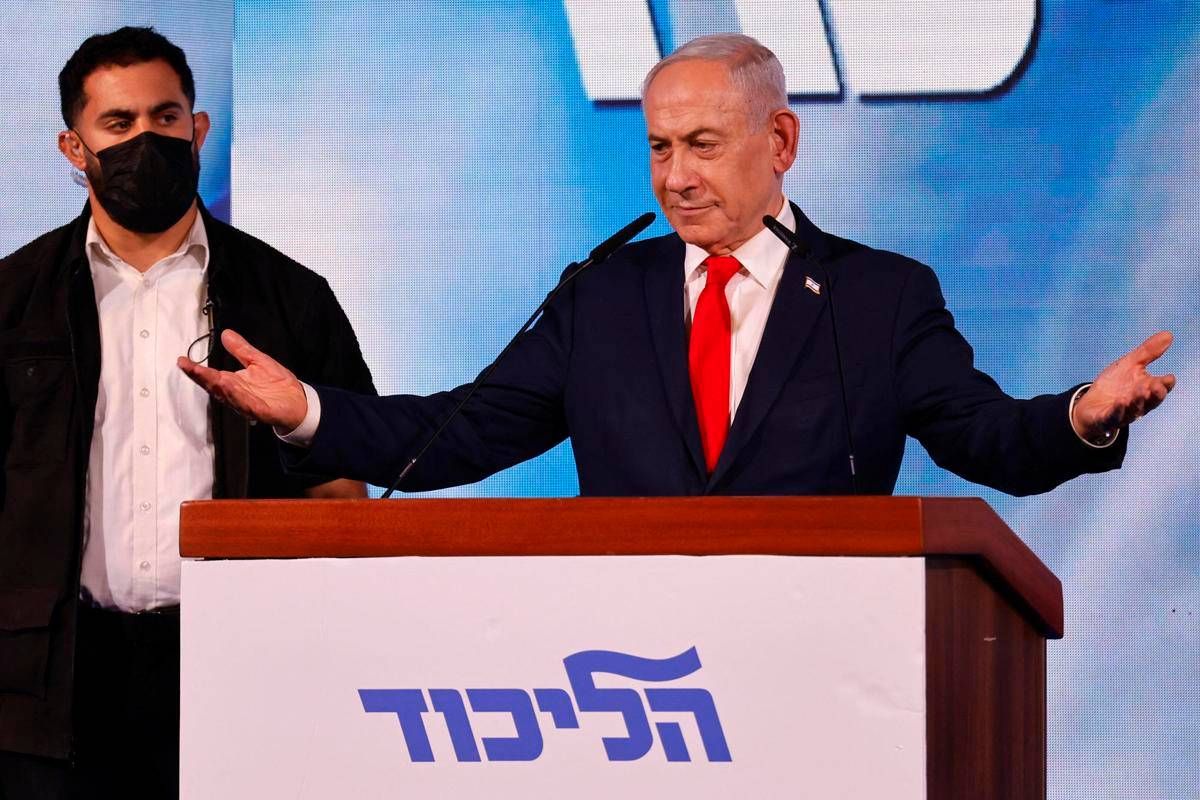
Israel Election Deadlock Puts Netanyahu and Rivals in Coalition Race
Partial results show no path to an immediate governing majority, leaving coalition negotiations as the next battleground and elevating Arab...


Scioperi novembre 2026, trasporti a rischio fino al 23: tutte le date
Il 20 novembre lo sciopero generale della Cgil si sovrappone alla protesta di scuola e pubblico impiego. Coinvolti anche treni,...

Meteo weekend, piogge al Sud e neve in Appennino da domenica
Venti di nord-est fino a 50 km/h e temperature in calo: da venerdì aumentano le nubi sull’Adriatico, mentre domenica le...
Spain Rail Disaster Becomes a Defining Political Test for Pedro Sánchez
A deadly train crash near Urda has abruptly shifted Spain’s election campaign onto the condition of the country’s infrastructure, exposing...
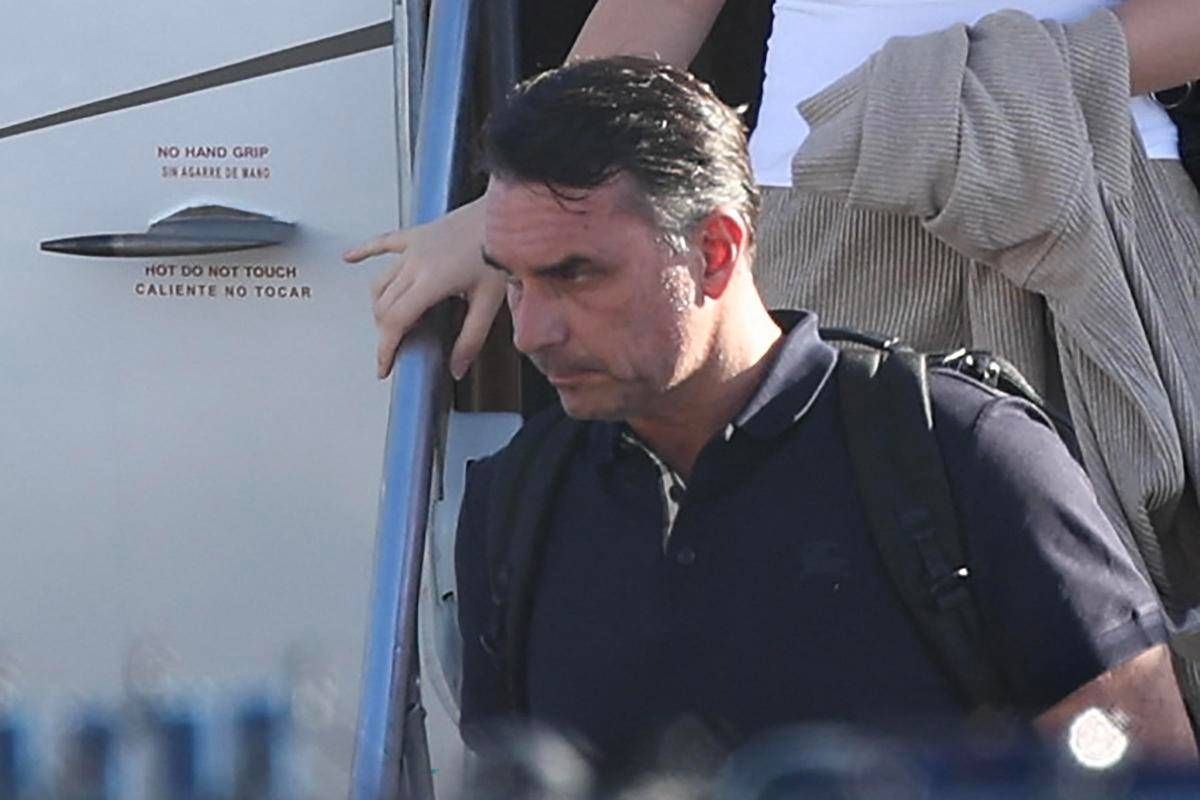
Flavio Bolsonaro Declares Himself Brazil’s “True President,” Launches Exile Campaign From U.S.
The Brazilian senator rejected Luiz Inácio Lula da Silva’s election victory, alleged fraud in the runoff vote and announced plans...

Taglio delle accise sul gasolio, appena 2,44 euro di risparmio a pieno
Lo sconto dura fino al 7 novembre e lascia fuori la benzina. Il Codacons: riduzione tardiva e insufficiente, con i...
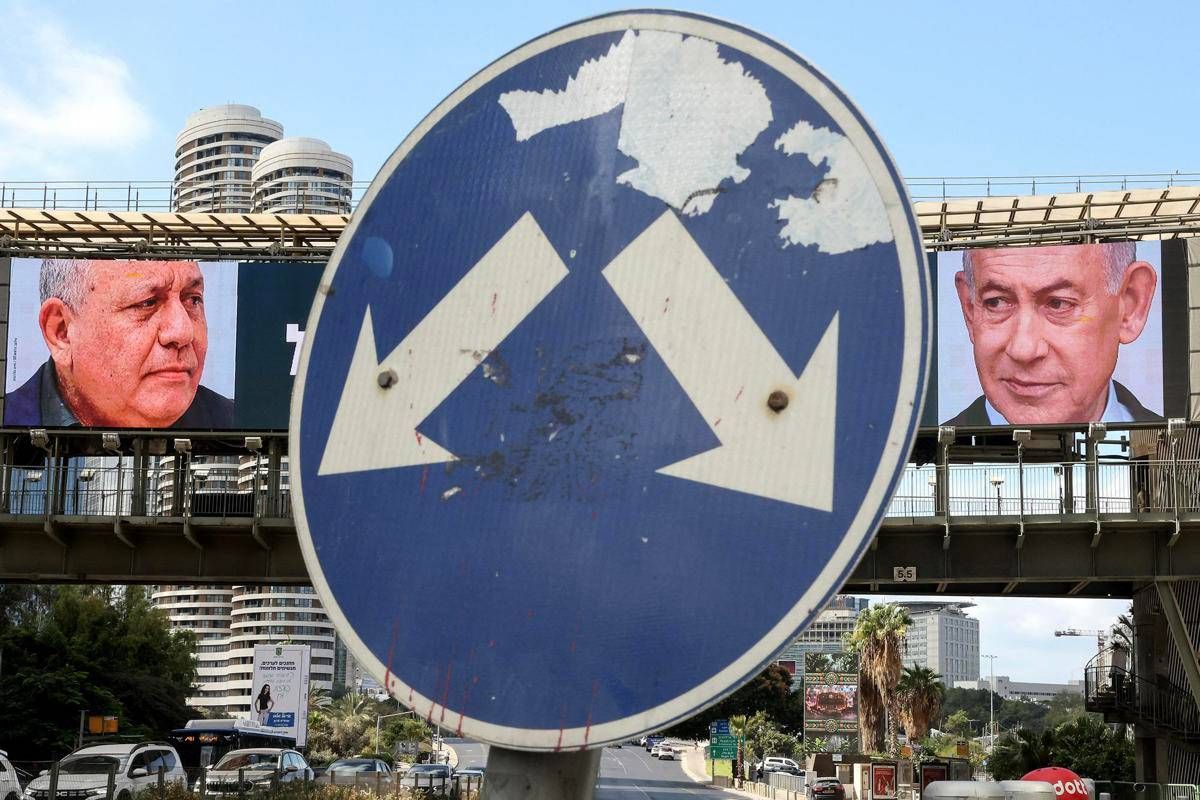
Israele, l’opposizione può fermare Netanyahu ma deve aprirsi ai partiti arabi
Ra’am e Lista Unita potrebbero mettere a disposizione 19 seggi. Eisenkot, Bennett e Liberman devono decidere se accettare il loro...

Manovra 2027, dalle pensioni ai congedi: cosa cambia per le famiglie
Il governo punta sulla flessibilità previdenziale, introduce un contributo per i neonati e aumenta i mesi di congedo parentale. Per...
You must be logged in to post a comment Login