
International-News
Meloni Defends Trump Ties as She Makes Her Case for Italy’s Strategy

The Italian prime minister argues that her close relationship with President Donald Trump advanced Italy’s national interests, while using the same platform to challenge criticism of her government’s fiscal record and deficit performance
If there is a common thread running through Giorgia Meloni’s defense of her foreign policy and her government’s economic record, it is a rejection of what she sees as a tendency to judge Italy’s choices through ideology rather than results.
In remarks published ahead of the release of Bruno Vespa’s forthcoming book Storia della Seconda Repubblica. Da Berlusconi a Meloni, da Prodi a Schlein, the Italian prime minister forcefully defends one of the defining features of her tenure: the decision to cultivate a close relationship with President Donald Trump following his return to the White House.
“I do not regret being very close to President Trump at the beginning of his second term,” Meloni says in the book. “Because doing so meant defending the national interest.”
The statement is notable not merely because it addresses a relationship that has often drawn criticism in Europe, but because Meloni frames that relationship as a strategic asset for Italy and, by extension, for the broader Western alliance. Rather than presenting the bond with Trump as a political choice, she describes it as a pragmatic one, rooted in the reality of the United States’ role as Italy’s most important geopolitical and military ally, its largest non-European export market and the home of a large Italian community.
Meloni rejects the suggestion that her approach represented a break from previous relationships in Washington. She notes that she also maintained constructive ties with former President Joe Biden and faced criticism for that as well. In her view, the objective remained the same regardless of who occupied the Oval Office: protecting Italy’s interests through a strong transatlantic relationship.
Her broader argument is that the connection proved useful during moments of friction between the United States and Europe. According to the prime minister, that channel of communication helped preserve dialogue, reinforced the Atlantic alliance during difficult phases and contributed to bringing sensitive issues, including Greenland and Arctic security, back into a NATO framework.
“All things useful for Italy, Europe and the West,” Meloni says. “All things I stand by and would do again.”
The prime minister’s comments arrive at a moment when European capitals continue to adapt to a changing geopolitical landscape and to the implications of Trump’s second presidency. By revisiting the rationale behind her diplomatic choices, Meloni is also making a broader case for her vision of Italy’s place within the Western alliance: closely aligned with Washington while presenting itself as a bridge between American and European interests.
The same defense of outcomes over perceptions emerges in her discussion of economic policy, where Meloni pushes back against criticism surrounding Italy’s deficit targets and the government’s budget law.
Referring to assessments of Italy’s fiscal position, she expresses frustration that some domestic institutions appear, in her view, more skeptical than major international financial agencies and leading research centers. Meloni argues that those external evaluations indicate Italy is already moving toward a deficit level below the politically significant 3% threshold.
Asked whether missing that target influenced the government’s economic choices, she acknowledges disappointment, emphasizing that crossing below 3% would have given the government greater room for maneuver in drafting the budget.
At the center of her argument is the complexity of how economic performance is measured. Meloni notes that estimates of the underground and illegal economy are included in GDP calculations and therefore affect the deficit-to-GDP ratio. According to the prime minister, those activities are estimated to have fallen sharply under her government, which she presents as evidence of a tougher fight against illegality.
The paradox, she argues, is that an improvement in that area can have unintended consequences for broader economic indicators.
Meloni also points to a recurring pattern in Italy’s economic statistics. In recent years, she notes, Istat has repeatedly revised initial GDP estimates upward. For that reason, she suggests it would be ironic if future revisions ultimately showed that the government had already achieved the objective now considered out of reach.
“Over the past years, Istat has systematically revised its initial GDP estimates upward,” Meloni says. “It would be quite a twist to discover in a couple of years that we had actually already reached the target.”
Taken together, the prime minister’s remarks amount to more than a defense of individual decisions. They form a broader political argument that the choices most heavily contested during her time in office, from her relationship with Trump to her management of public finances, are the very choices she believes history will judge most favorably.
(Photo: © AndKronos)



Weekend di Ognissanti, aria fredda e piogge: temperature fino a -5°C
Il maltempo raggiunge soprattutto il Centro-Sud, con rovesci insistenti fino a martedì e neve sull’Appennino centrale da domenica sera Il...
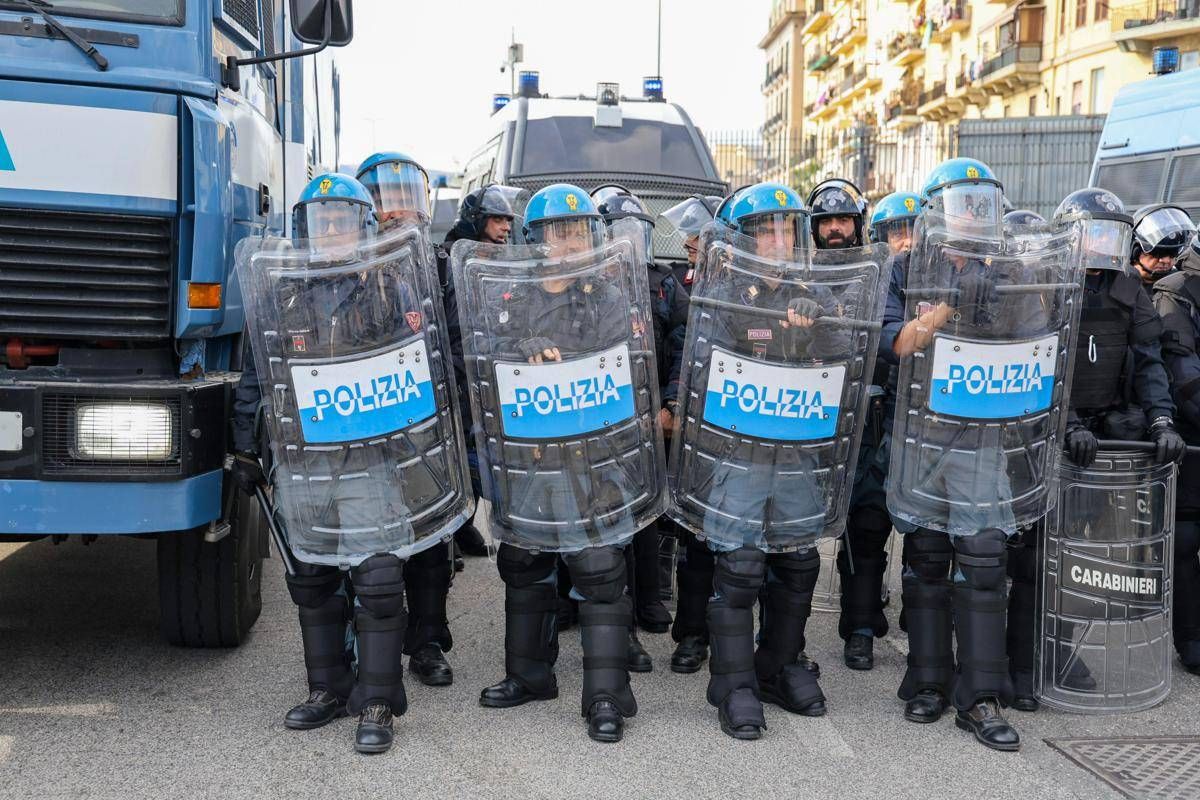
Cortei del 30 ottobre, 60 perquisizioni in 23 città dopo gli scontri
Digos e Polizia postale indagano su chi avrebbe incitato alla violenza attraverso chat e social. Il bilancio del Coisp: 11...

Lauren Bennett Suicide Ruling Reveals the Hidden Toll Behind a Pop Success Story
The former G.R.L. singer and Party Rock Anthem performer achieved the kind of international fame most artists spend a lifetime...
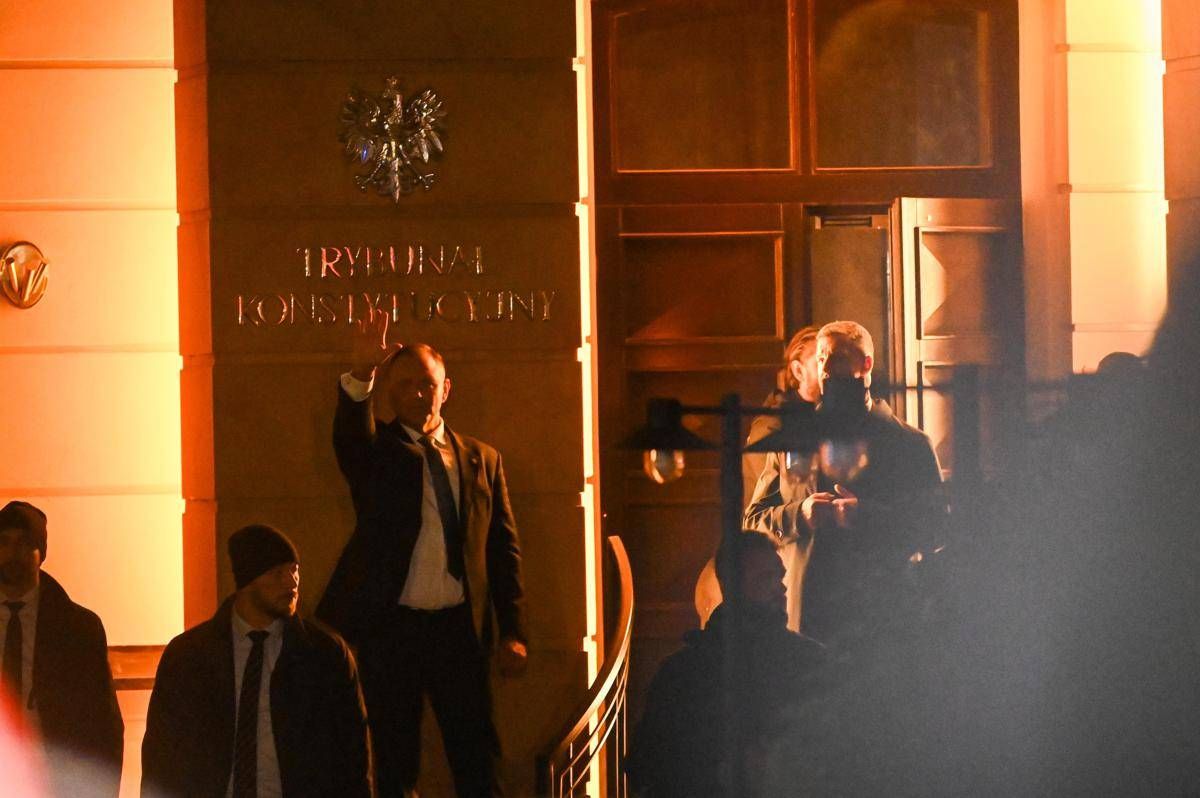
Polonia, scontro sulla Corte Costituzionale: Nawrocki contro Tusk
La sospensione di Bogdan Swieczkowski e del suo vice riaccende il conflitto sulla magistratura, dopo le controverse nomine effettuate dai...

Iran, diplomazia accelera prima delle midterm: resta rischio attacco Usa
Nell’amministrazione Trump emergono posizioni diverse sulla strategia da seguire. Netanyahu spingerebbe per un’operazione congiunta, mentre i Paesi della regione chiedono...

Trump Eyes Nicki Minaj for White House Post After Praising Her Body
With a key communications position suddenly vacant, the president is floating one of his most unconventional personnel ideas yet: a...
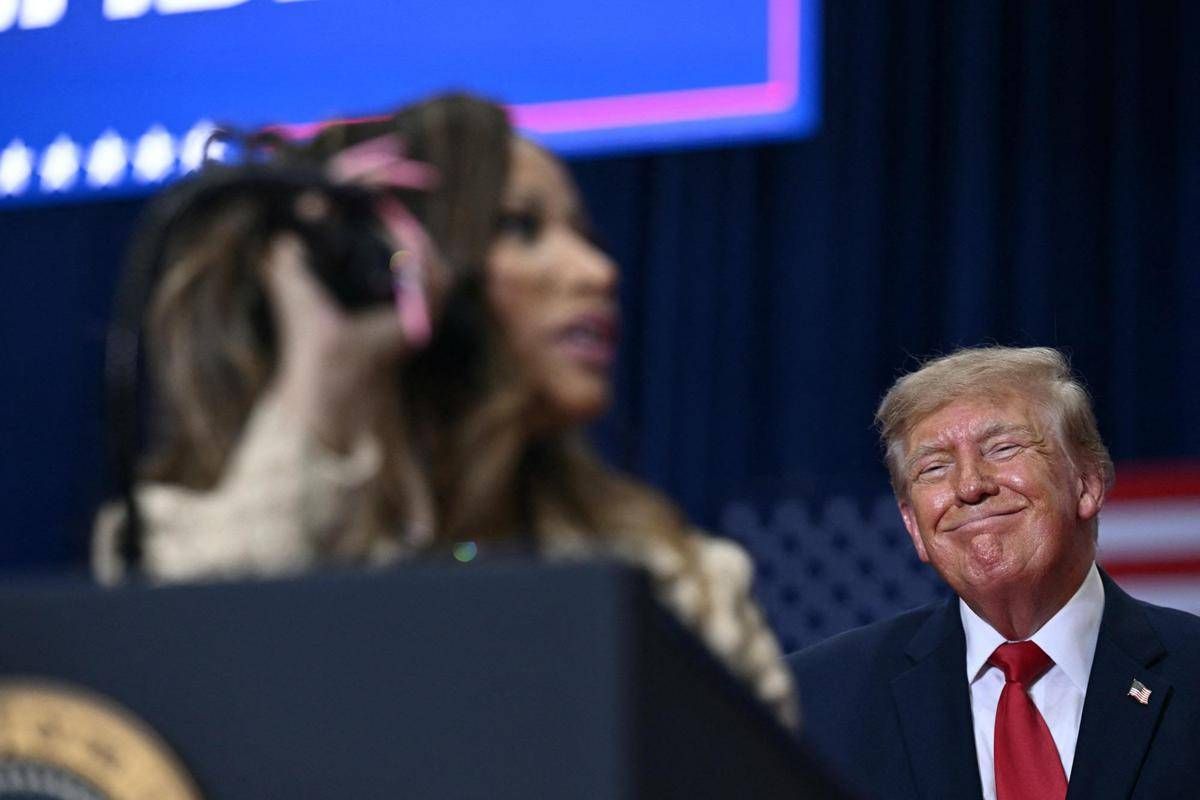
Trump valuta la nomina di Nicki Minaj portavoce alla Casa Bianca, dal lato B al lato C?
La rapper, 43 anni, si è avvicinata al presidente negli ultimi mesi, sostenendolo in vista delle elezioni di midterm. E...


Governo, Manovra 2027, tutte le misure: dall’Irpef alle pensioni, cosa cambia
Il testo bollinato dalla Ragioneria dello Stato contiene 157 articoli. Previsti interventi su fisco, famiglie, sanità, lavoro e previdenza, oltre...
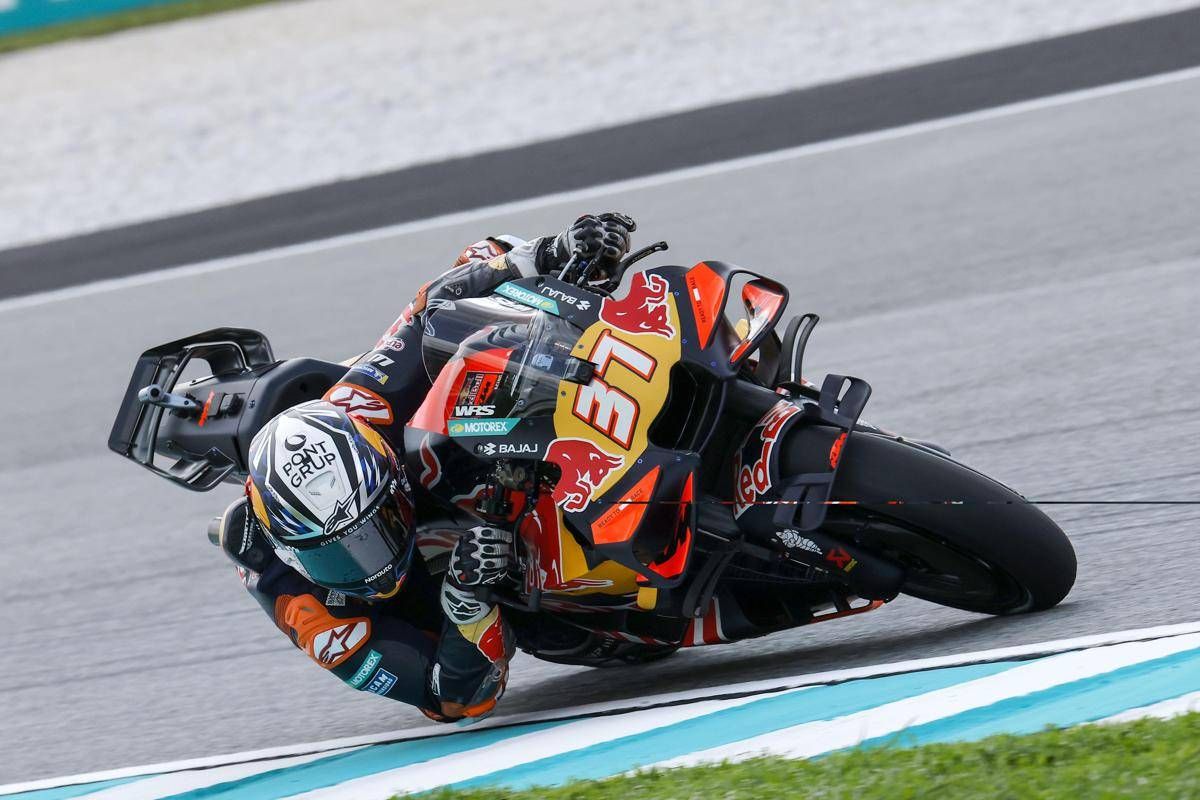
MotoGp Malesia, Acosta vince la Sprint: Marquez secondo
Lo spagnolo della Ktm conquista Sepang davanti al connazionale della Ducati. Bezzecchi chiude terzo, mentre il leader del Mondiale allunga...
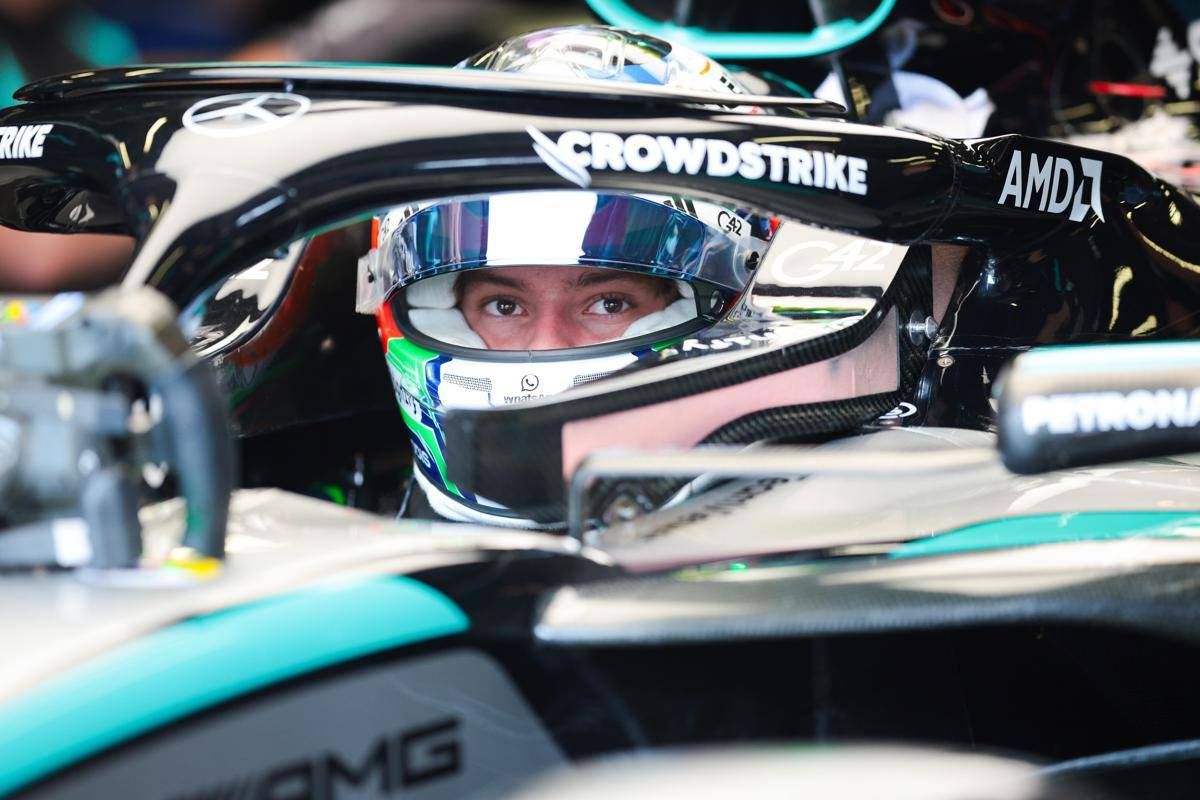
F1 in Messico, orari e dove vedere le qualifiche in tv e streaming
Si corre a Città del Messico dopo il successo di Antonelli ad Austin. Terze prove libere alle 18.30, sessione decisiva...

Polonia, scontro sulla Corte costituzionale: polizia schierata a Varsavia
Sospeso il presidente del tribunale Bogdan Swieczkowski, ma la Corte contesta la decisione e sostiene che sia ancora in carica....


Pensionati, dal 2027 le notifiche Inps arrivano anche con Send
L’Istituto introdurrà gradualmente la piattaforma digitale di PagoPA per gli atti della Pubblica amministrazione. Previsti canali alternativi per chi non...
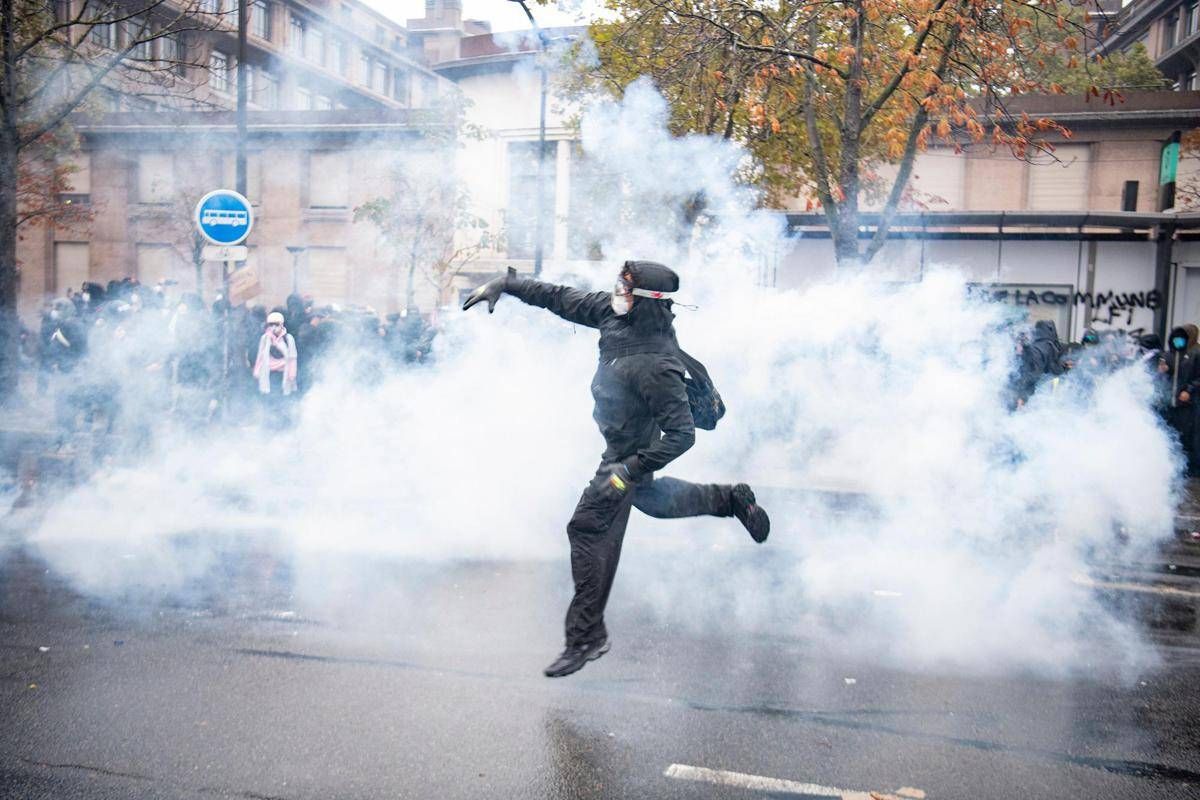
Francia, allarme saccheggi per Halloween: 70mila tra polizia e gendarmi
Il ministro dell’Interno Nuñez segnala appelli alla violenza e all’insurrezione. Darmanin chiede ai magistrati una risposta giudiziaria rapida e severa...
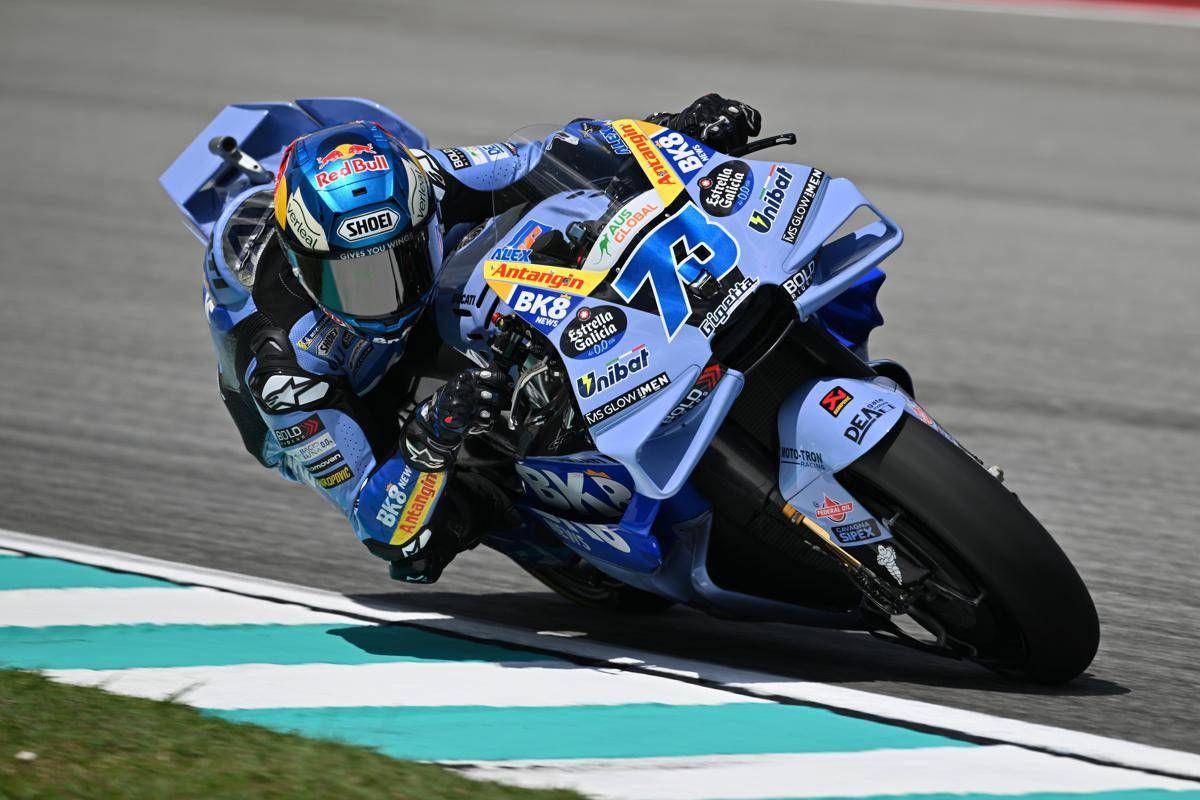
MotoGp Malesia Sprint, Alex Marquez in pole: Marc parte secondo
A Sepang la Ducati Gresini apre la prima fila davanti alla Desmosedici del fratello. Acosta è terzo, Bezzecchi quinto La...
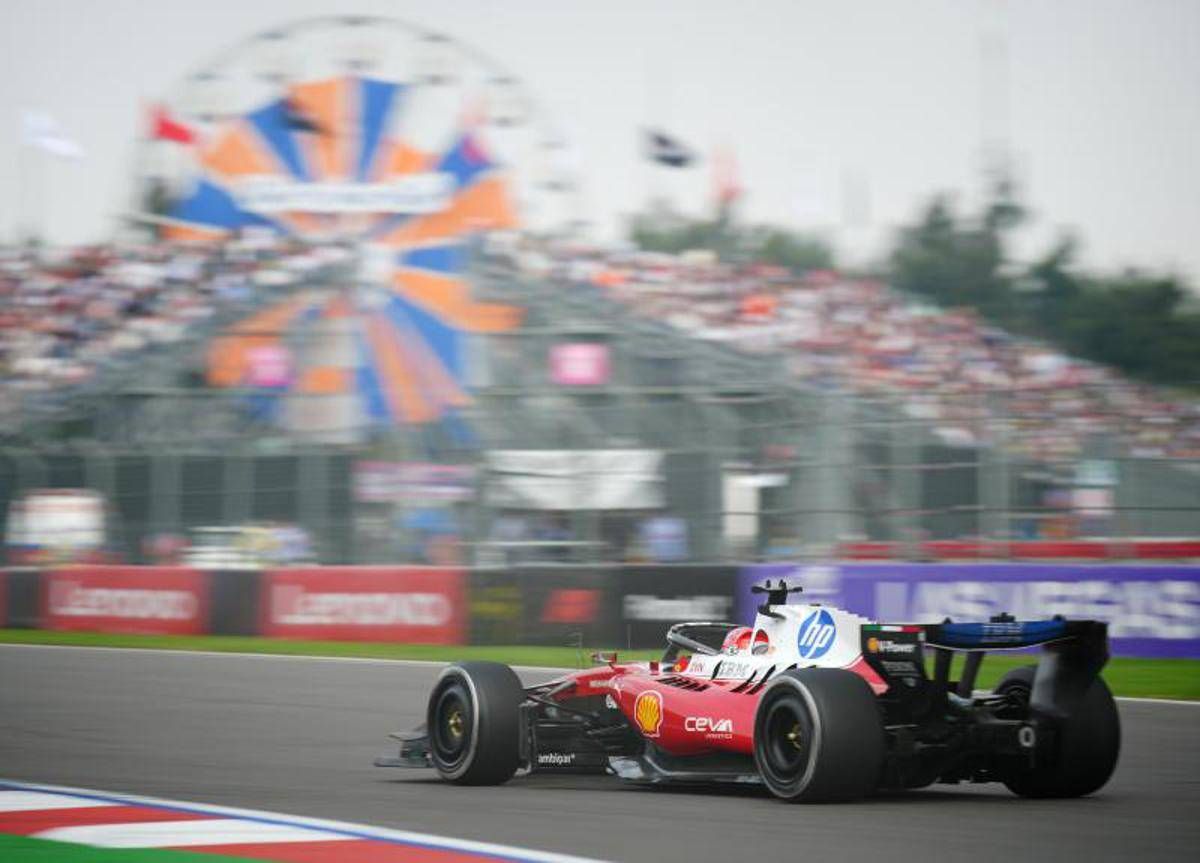
F1, Leclerc davanti a tutti nelle libere in Messico: Antonelli è secondo
La Ferrari del monegasco firma il miglior tempo in 1’18″128. Il pilota Mercedes torna in pista dopo il malessere accusato...
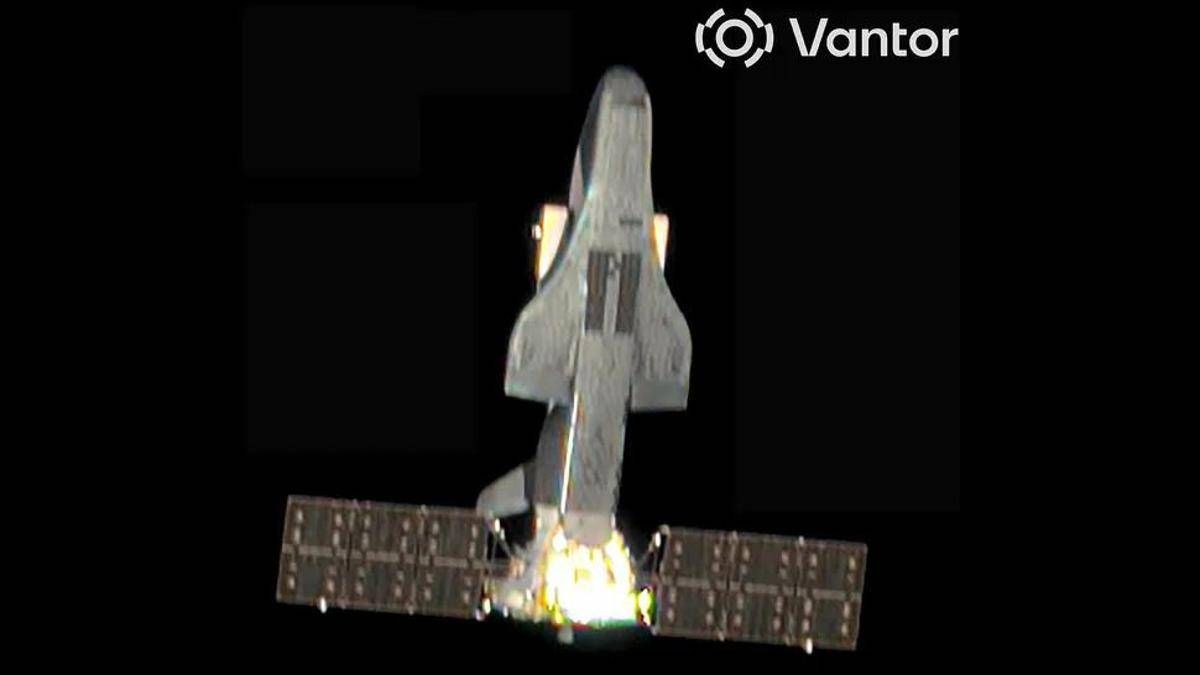
Shenlong Space Plane Photo Reveals a New Front in the U.S.-China Rivalry
A newly released Pentagon intelligence image offers the clearest public view yet of China’s secretive reusable spacecraft, focusing attention on...