
International-News
Lagarde Exit Sets Off a Fight Over the Future of the ECB
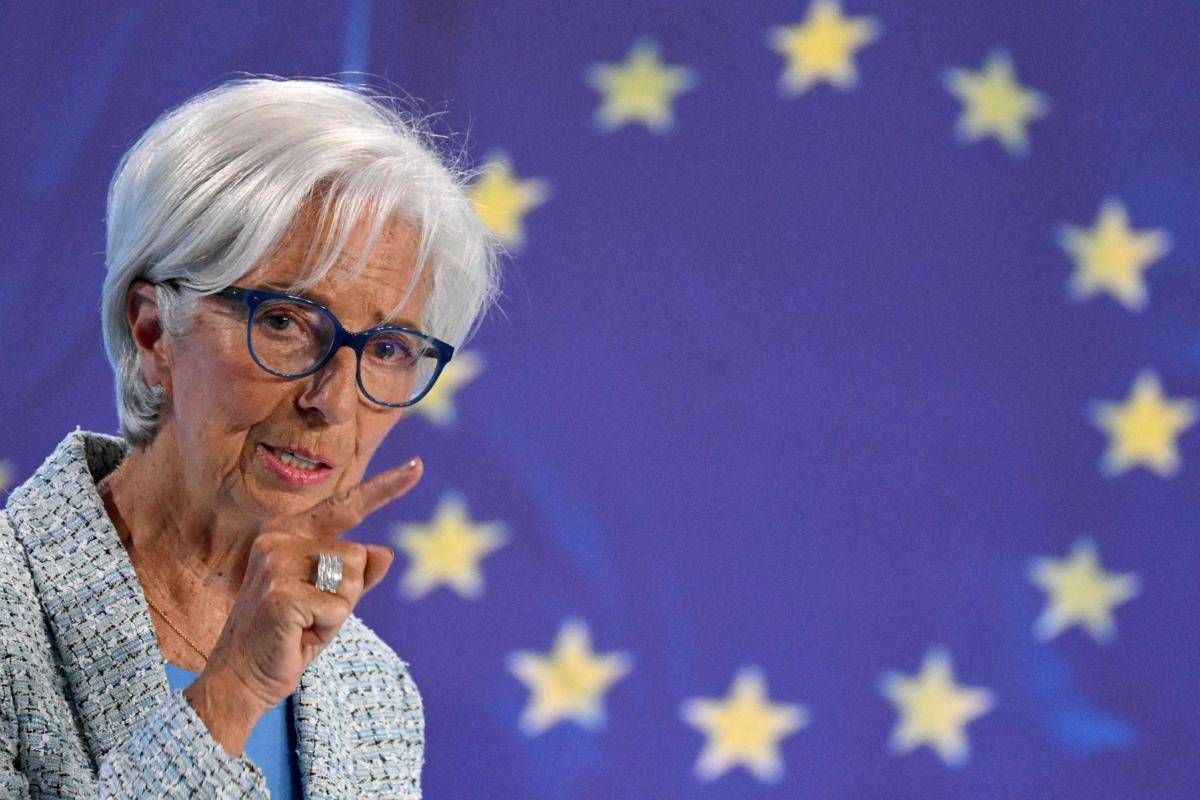
Christine Lagarde’s decision to leave the European Central Bank on Feb. 7 has opened one of the European Union’s most consequential leadership contests, pitting monetary-policy philosophy against the political realities that often determine who rises to the bloc’s highest offices
Long before a successor is chosen, Christine Lagarde’s departure has already become a test of how power is distributed inside the European Union.
The European Central Bank announced Thursday that Lagarde will leave the institution on Feb. 7 after informing both the ECB Governing Council and European Council President António Costa of her decision. The announcement immediately shifted attention from the end of her tenure to the contest now beginning among eurozone governments over who will inherit one of the most influential posts in global economic policymaking.
Officially, the process is straightforward. Under Article 283 of the Treaty on the Functioning of the European Union, the appointment belongs to the European Council. Politically, however, the battle is rarely about qualifications alone.
The presidency of the ECB sits at the intersection of economics, influence and institutional balance. Every succession race becomes a broader negotiation over the distribution of power among member states, and this one is already showing signs of following that familiar pattern.
European Council President António Costa said the selection process will begin immediately. With the next Eurogroup meeting scheduled for Nov. 9 in Brussels, euro-area capitals are expected to decide in the coming days and weeks whether to formally put forward candidates.
The field remains unofficial, but the contours of the race are already visible.
Two former central bank governors have emerged as the leading contenders. Klaas Knot, the former head of the Dutch central bank, enters the conversation with a reputation as one of Europe’s most prominent monetary hawks. Standing opposite him is Pablo Hernández de Cos, the former governor of the Bank of Spain, whose candidacy is widely viewed through a different strategic and institutional lens.
The contest has attracted particular attention in Berlin after the German financial daily Handelsblatt reported that Chancellor Friedrich Merz held private meetings with both men. The reported contacts have fueled speculation that Germany is quietly helping shape the field even while preparing to stay out of the race itself.
That may prove to be one of the most significant developments in the succession battle.
For months, Bundesbank President Joachim Nagel had been cited by international financial media as a potential candidate. Isabelle Schnabel, a respected German economist who recently left the ECB Executive Board, has also been regularly mentioned as a possible successor. Yet according to Handelsblatt, Berlin has chosen not to advance a German candidate despite having multiple figures with strong credentials.
The reasoning extends beyond central banking.
Senior European appointments are typically negotiated as part of a broader institutional balance among the bloc’s largest member states. Germany already holds one of the EU’s most powerful positions through European Commission President Ursula von der Leyen. Within that framework, securing the ECB presidency as well could prove politically difficult.
The result is a succession contest shaped not only by monetary policy but also by geography, influence and the unwritten rules that govern Brussels.
For now, the formal campaign has barely begun. What is already clear, however, is that Lagarde’s departure has triggered far more than a search for a new central banker. It has opened a wider struggle over which country, which economic vision and which political coalition will help guide the eurozone through its next chapter.
(Photo: © AndKronos)


Bosnia, elicottero militare italiano precipita: 4 morti
Il bilancio diffuso dai media locali non è uniforme. La missione Eufor conferma vittime e feriti gravi, mentre proseguono gli...
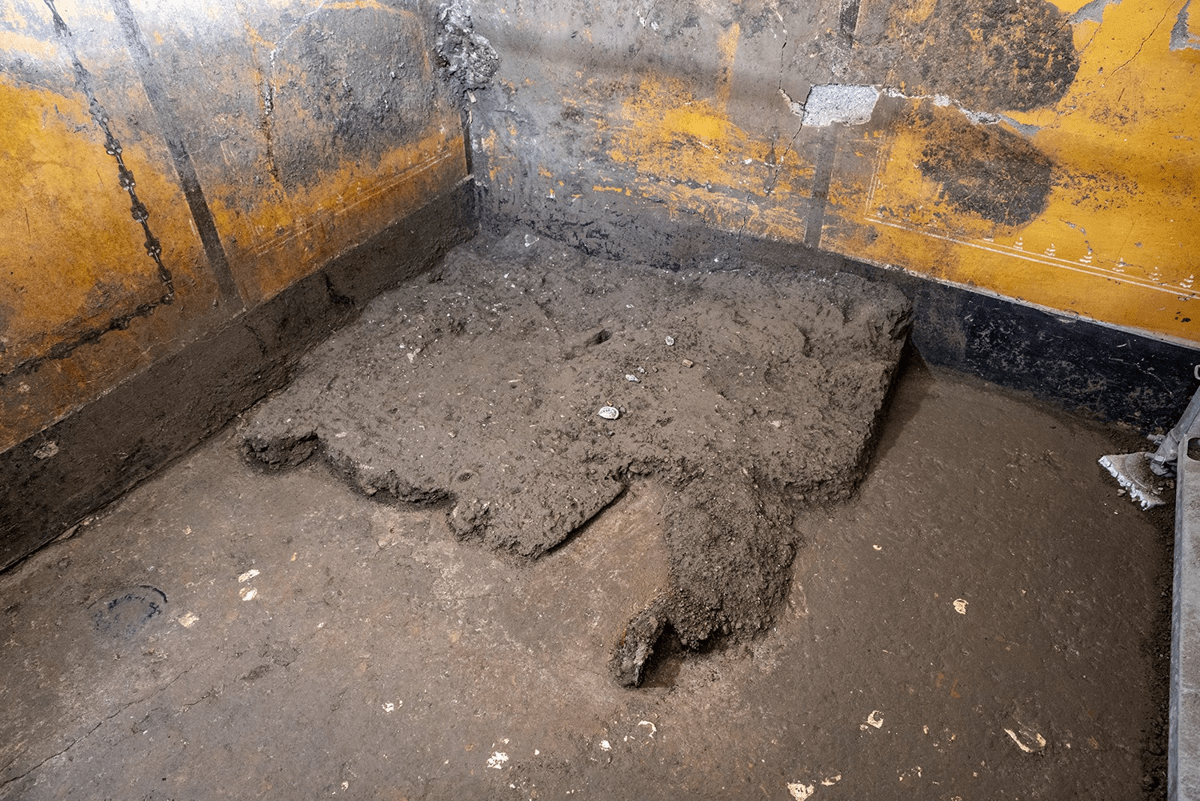
Pompei, riaperto dopo 2.000 anni un armadio: cosa nascondeva
Nella casa IX 11, 7 gli archeologi hanno recuperato cosmetici, monete, utensili e una collana di almeno 24 amuleti, forse...

Hormuz, tre petroliere in fiamme: Teheran accusa le navi
Secondo i Pasdaran, le imbarcazioni avrebbero urtato mine iraniane dopo aver ignorato gli avvertimenti sulla rotta meridionale dello Stretto Tre...
Lagarde Exit Sets Off a Fight Over the Future of the ECB
Christine Lagarde’s decision to leave the European Central Bank on Feb. 7 has opened one of the European Union’s most...

Meloni Defends Trump Ties as She Makes Her Case for Italy’s Strategy
The Italian prime minister argues that her close relationship with President Donald Trump advanced Italy’s national interests, while using the...
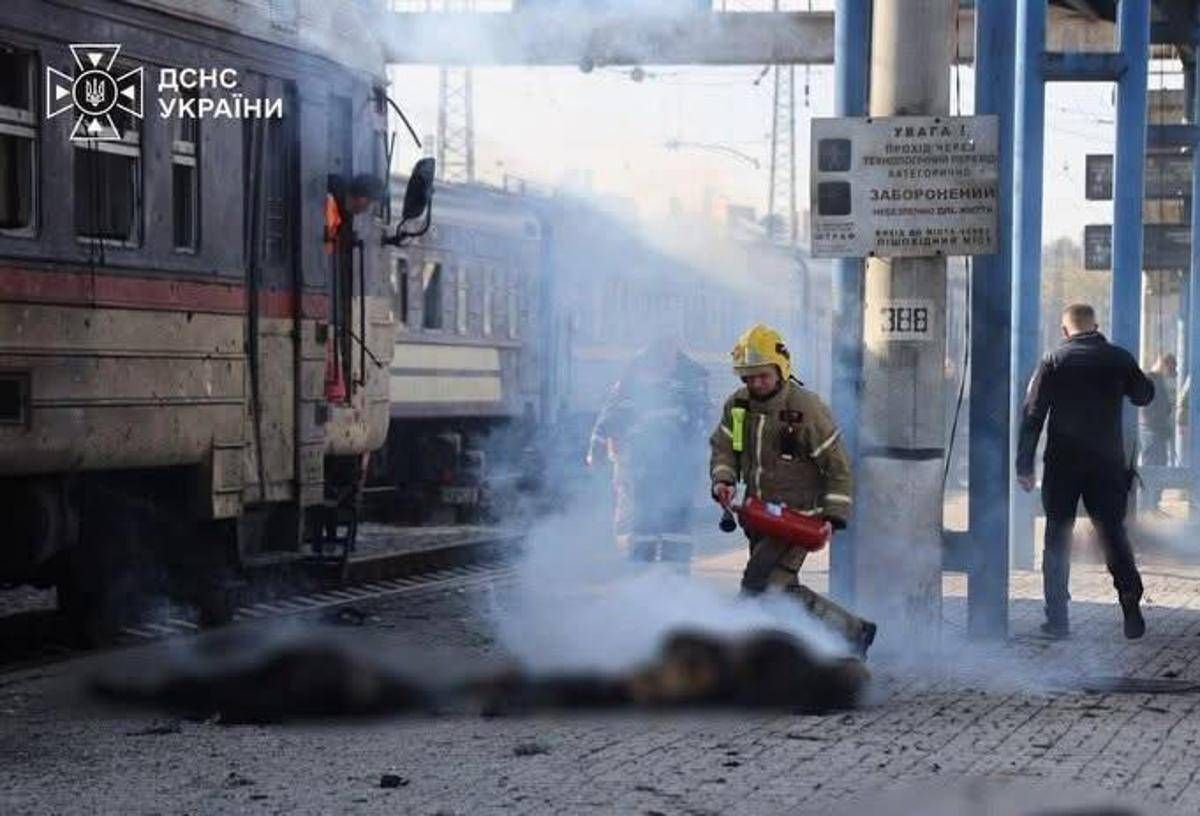
Russian Attacks Kill 15 in Ukraine as Sanctions Rift Deepens
A mass-casualty strike on a railway station in Dnipro and the deaths of two teenage girls in Chernihiv intensified Ukraine’s...
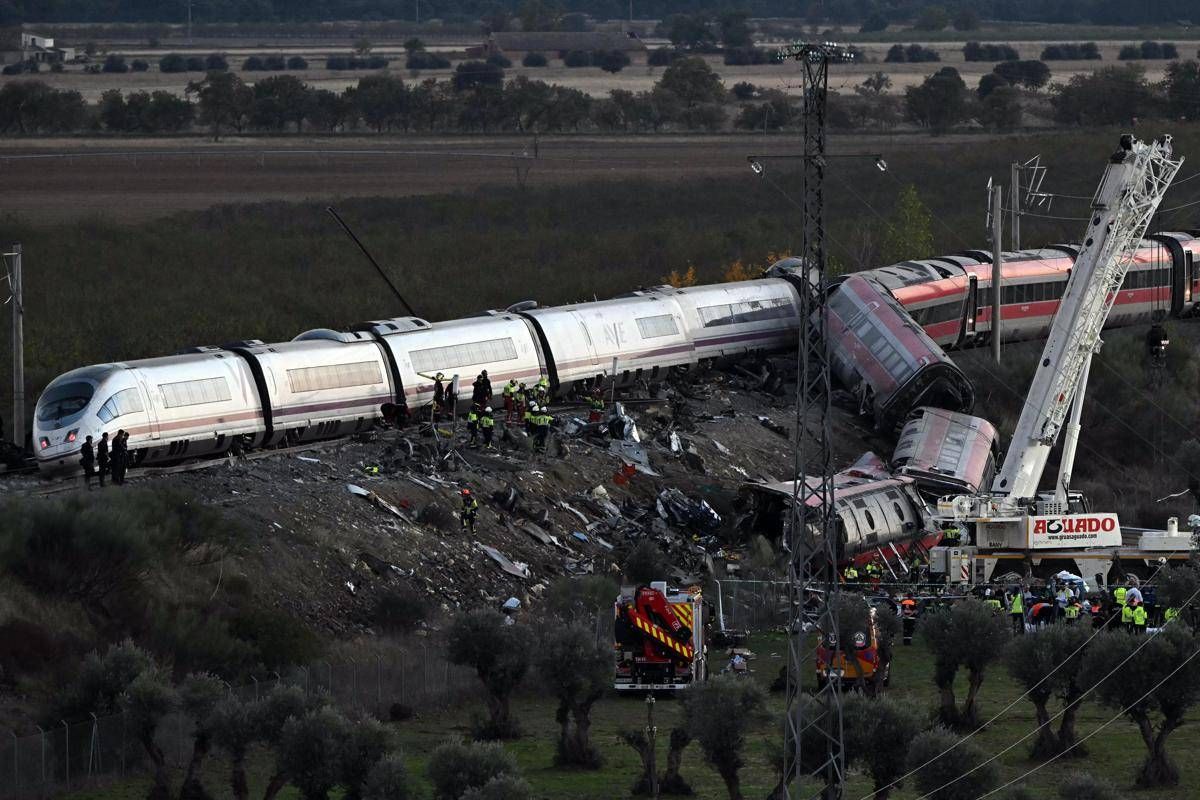
Tragedia ferroviaria Spagna, una dispersa italiana ritrovata: mancano all’appello 2 connazionali
Una nostra connazionale ha contattato il Consolato a Madrid per confermare di stare bene. Cinque italiani sono stati recuperati dai...

Hayden Panettiere Death Ruled Accidental as Police Close Case
Authorities say the actress died from the toxic effects of multiple substances, formally ending a South Carolina investigation that drew...
Reggio Emilia, 76enne ai domiciliari: è accusato di aver ucciso il cugino
La vittima, 74 anni e con una grave disabilità, morì per asfissia il 27 giugno in una residenza sociosanitaria. L’indagato...
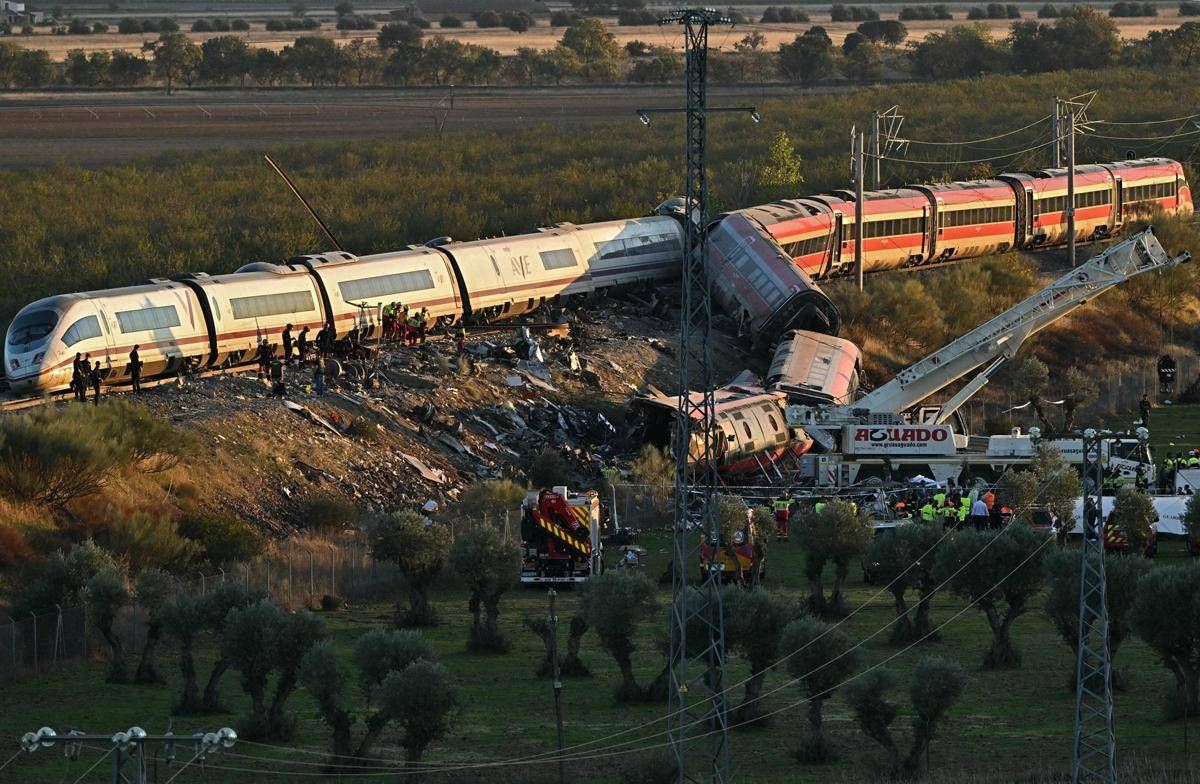
Spain Train Disaster Kills at Least 68 as Probe Turns to Critical Rail Decisions
Spain has entered three days of national mourning after a collision between two passenger trains left dozens dead and raised...
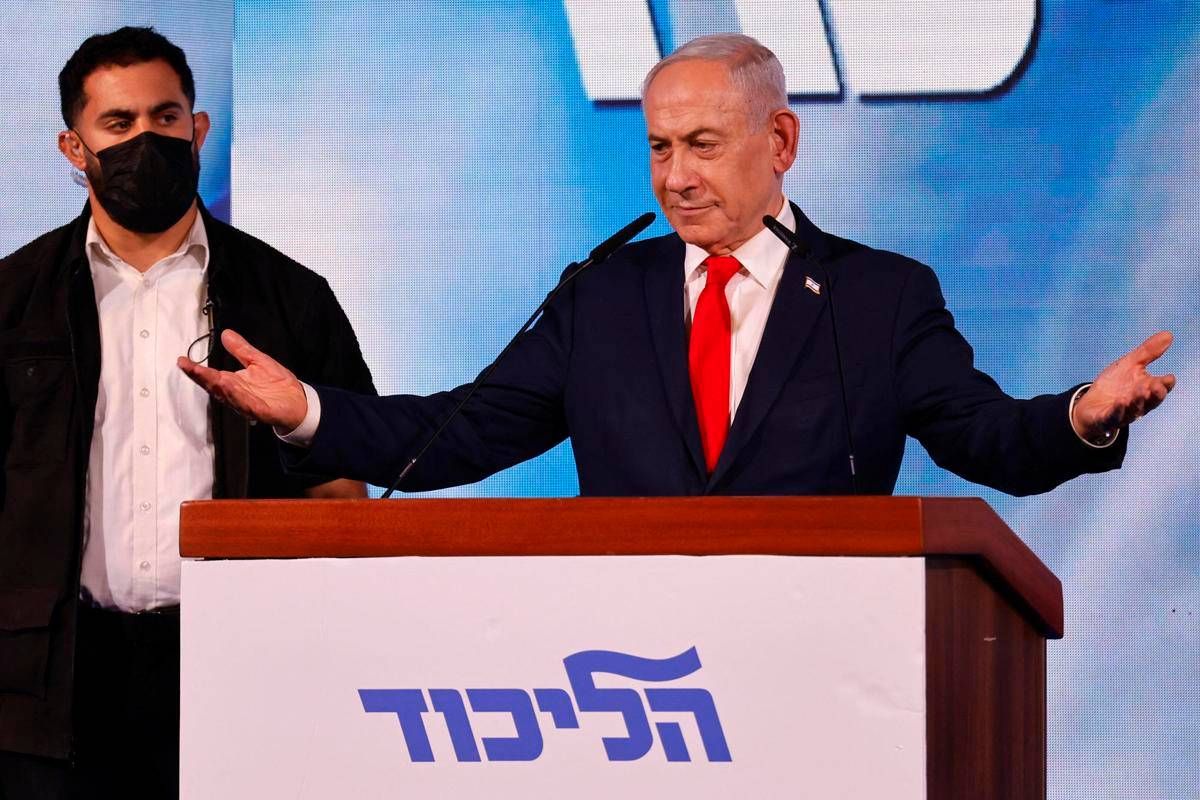
Israel Election Deadlock Puts Netanyahu and Rivals in Coalition Race
Partial results show no path to an immediate governing majority, leaving coalition negotiations as the next battleground and elevating Arab...


Scioperi novembre 2026, trasporti a rischio fino al 23: tutte le date
Il 20 novembre lo sciopero generale della Cgil si sovrappone alla protesta di scuola e pubblico impiego. Coinvolti anche treni,...


Meteo weekend, piogge al Sud e neve in Appennino da domenica
Venti di nord-est fino a 50 km/h e temperature in calo: da venerdì aumentano le nubi sull’Adriatico, mentre domenica le...
Spain Rail Disaster Becomes a Defining Political Test for Pedro Sánchez
A deadly train crash near Urda has abruptly shifted Spain’s election campaign onto the condition of the country’s infrastructure, exposing...

Flavio Bolsonaro Declares Himself Brazil’s “True President,” Launches Exile Campaign From U.S.
The Brazilian senator rejected Luiz Inácio Lula da Silva’s election victory, alleged fraud in the runoff vote and announced plans...


Taglio delle accise sul gasolio, appena 2,44 euro di risparmio a pieno
Lo sconto dura fino al 7 novembre e lascia fuori la benzina. Il Codacons: riduzione tardiva e insufficiente, con i...
You must be logged in to post a comment Login