
International-News
Spain Train Disaster Kills at Least 68 as Probe Turns to Critical Rail Decisions
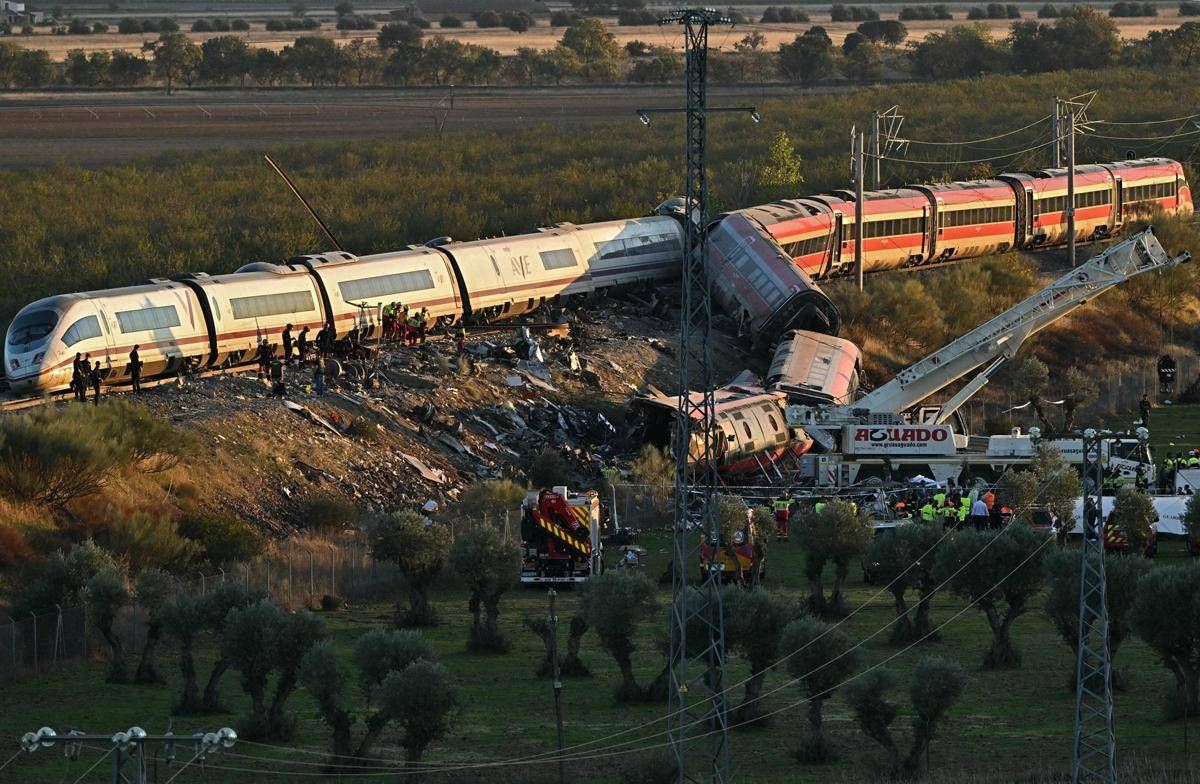
Spain has entered three days of national mourning after a collision between two passenger trains left dozens dead and raised urgent questions about how rail traffic was managed after a train became stranded on the tracks following a system failure
MADRID — Even as rescue teams searched through shattered rail cars for victims and survivors, the central question emerging from one of Europe’s deadliest modern rail accidents was no longer what happened, but why it was allowed to happen.
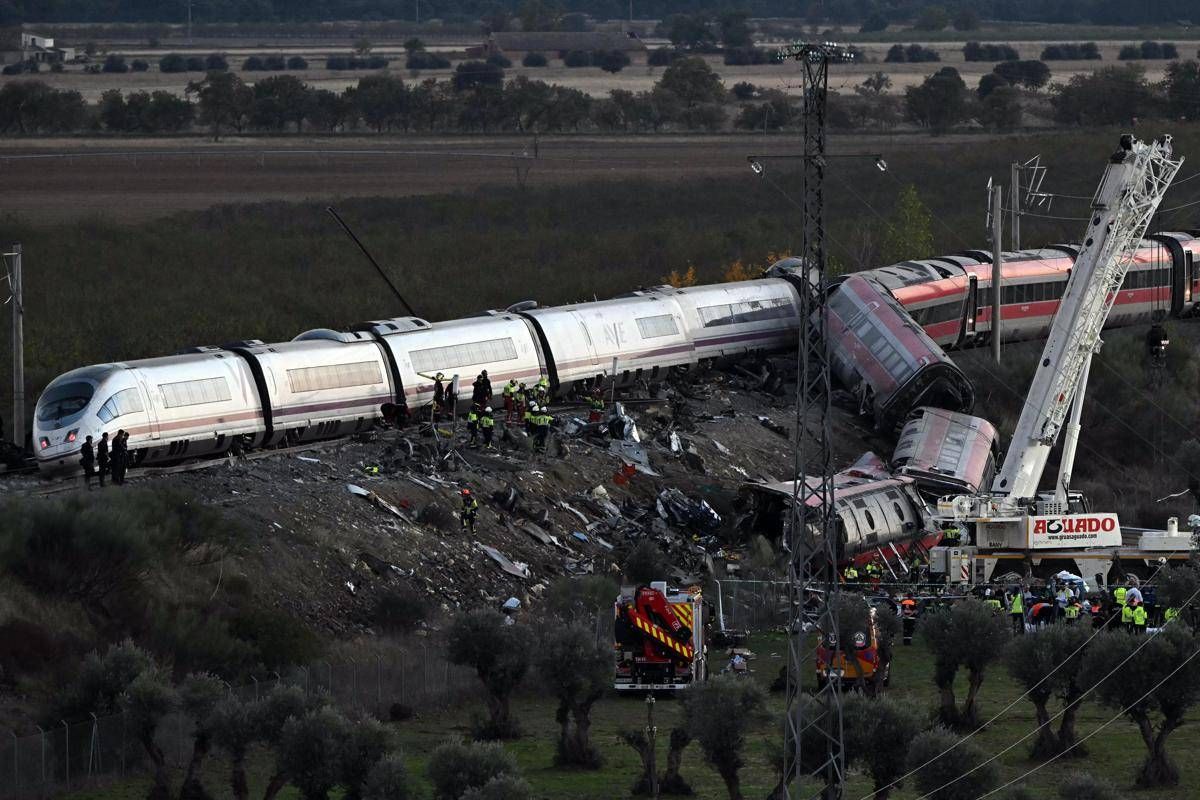
Spain began three days of national mourning after at least 68 people were killed and dozens injured when a train traveling from Madrid to Seville slammed into another passenger train that had become stranded on the tracks. The scale of the impact left twisted wreckage scattered across the crash site, with several carriages sent down an embankment and many victims still awaiting identification.
As hundreds of emergency personnel worked through the night under floodlights, supported by drones and helicopters, investigators increasingly focused on decisions made after a technical failure had already disrupted rail operations.
According to Transport Minister Óscar Puente, the stationary train, operated by private rail company Iryo, had been carrying 147 passengers when a computer malfunction left it immobilized on the line. Under such circumstances, Madrid’s rail control center, which operates around the clock, assumes responsibility for managing traffic. Yet Puente said that an “inexplicable” decision was ultimately taken to resume train movements without imposing speed restrictions.
That statement gained added significance after reports that audio recordings of communications between Madrid rail controllers and train operators appeared to show that a high-speed train had been authorized to proceed despite another train remaining stopped farther ahead on the route.
The train that struck the disabled service was operated by the state-owned company Renfe and was carrying 397 passengers. Iryo said its train was hit from behind by the Renfe service, an impact so violent that multiple cars were thrown off the track and down a nearby embankment.
The emerging details have shifted attention from the mechanical failure itself to the sequence of operational decisions that followed it. What began as a technical breakdown is now the subject of a broader examination into whether safeguards were adequately enforced once normal automated systems were compromised.
Prime Minister Pedro Sánchez acknowledged the scale of the national trauma, declaring that “all Spain is in mourning.”
“Lives have been shattered, families destroyed, the pain is immense,” Sánchez said.
Among those caught up in the disaster were several Italian citizens. Italy’s Foreign Ministry said six Italians had been located following the collision. Four were reported to be in good condition, while a fifth, identified as the brother of one of the missing passengers, was hospitalized. A sixth Italian citizen remains hospitalized in Toledo.
The Foreign Ministry also said three Italians are currently considered missing. According to TgR Rai, the four Italian survivors who were not seriously injured are originally from Sassari, Bergamo, Rome and Cosenza. All are registered with AIRE, Italy’s registry of citizens living abroad.
For investigators, the search for accountability is now running alongside the recovery effort. The key issue is not merely that a train became stranded because of a computer malfunction. It is whether, once that failure occurred, a series of human decisions left another train on a collision course that should never have existed.
(Photo: © AndKronos)

Pensioni, fino a 1.240 euro in meno l’anno con la stretta sulla rivalutazione
La simulazione della Uil pensionati ipotizza un’inflazione al 3% e un nuovo sistema di indicizzazione per fasce di reddito. Le...


L’urologo che ti aiuta con i tuoi problemi
C’è una riluttanza diffusa, soprattutto tra gli uomini, a parlare di disturbi urologici. Sintomi che riguardano l’apparato urinario o riproduttivo...

Cedolare secca, aliquota all’1% per chi affitta agli under 35
La manovra 2027 introduce un’agevolazione per i contratti a canone concordato con inquilini giovani. Per gli altri concordati l’imposta scende...
Sciopero e cortei del 30 ottobre, Piantedosi rafforza i controlli
Il ministro dell’Interno ha riunito prefetti, questori e vertici delle forze di polizia per predisporre i servizi nelle città. Previsti...
November Night Sky Brings Meteor Showers, a Supermoon and a Parade of Planets
A rare convergence of celestial events will transform November into one of the year’s most rewarding months for skywatchers, with...
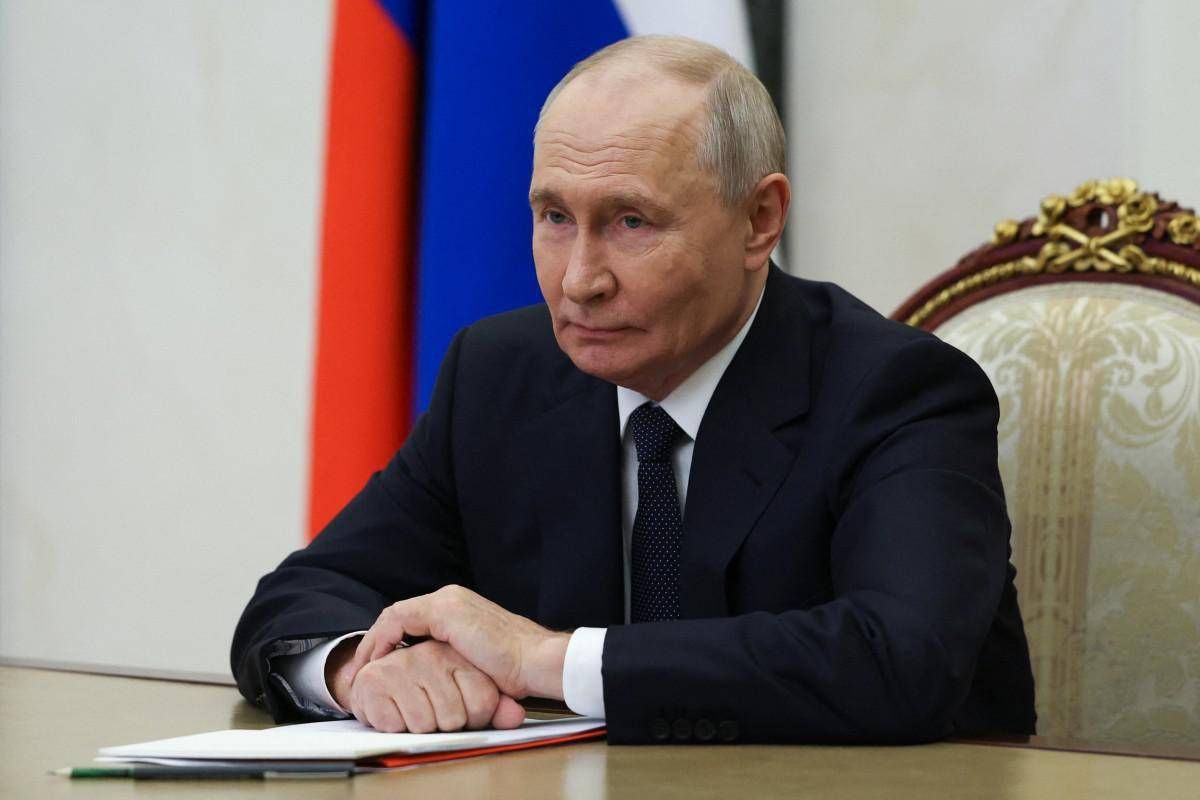
Putin Warns Europe: Russia Is Ready for Conflict but Seeks Better Ties
Speaking after the Russia-Africa summit in Moscow, the Russian president paired one of his starkest warnings to Europe in recent...

Bosnia, elicottero militare italiano precipita: 4 morti
Il bilancio diffuso dai media locali non è uniforme. La missione Eufor conferma vittime e feriti gravi, mentre proseguono gli...
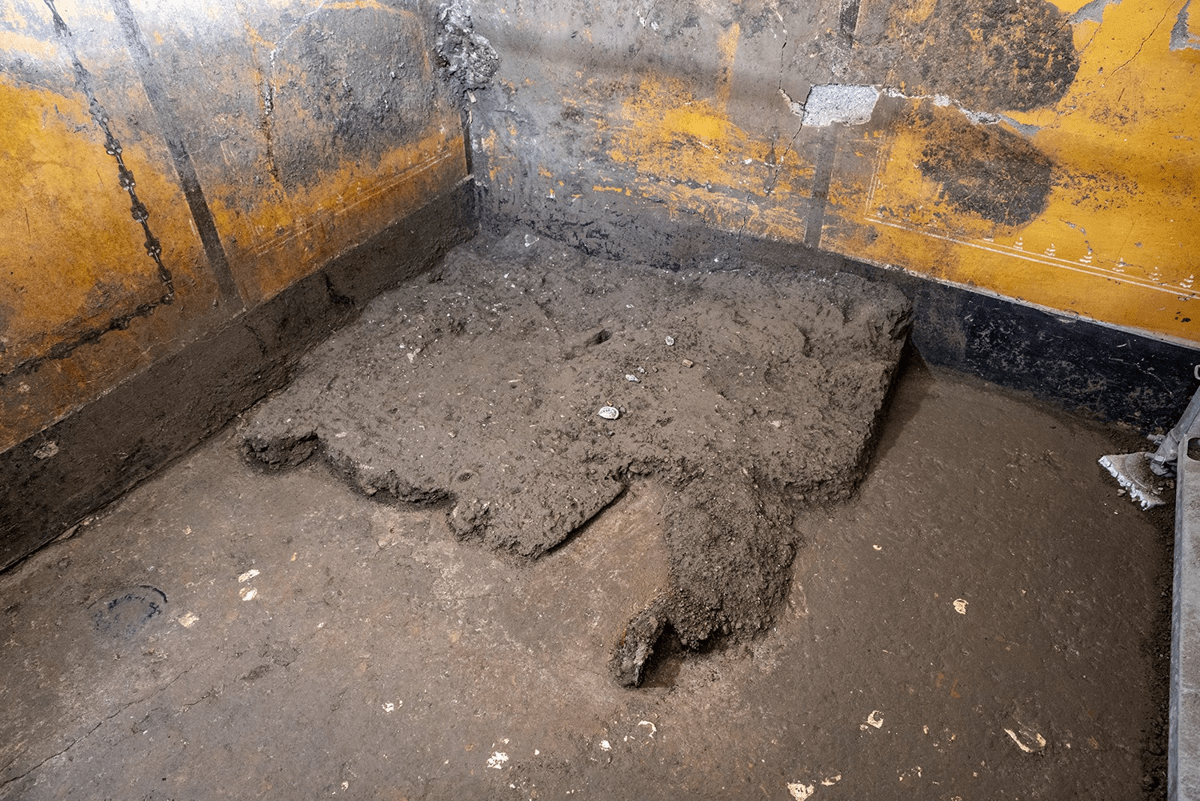
Pompei, riaperto dopo 2.000 anni un armadio: cosa nascondeva
Nella casa IX 11, 7 gli archeologi hanno recuperato cosmetici, monete, utensili e una collana di almeno 24 amuleti, forse...

Hormuz, tre petroliere in fiamme: Teheran accusa le navi
Secondo i Pasdaran, le imbarcazioni avrebbero urtato mine iraniane dopo aver ignorato gli avvertimenti sulla rotta meridionale dello Stretto Tre...
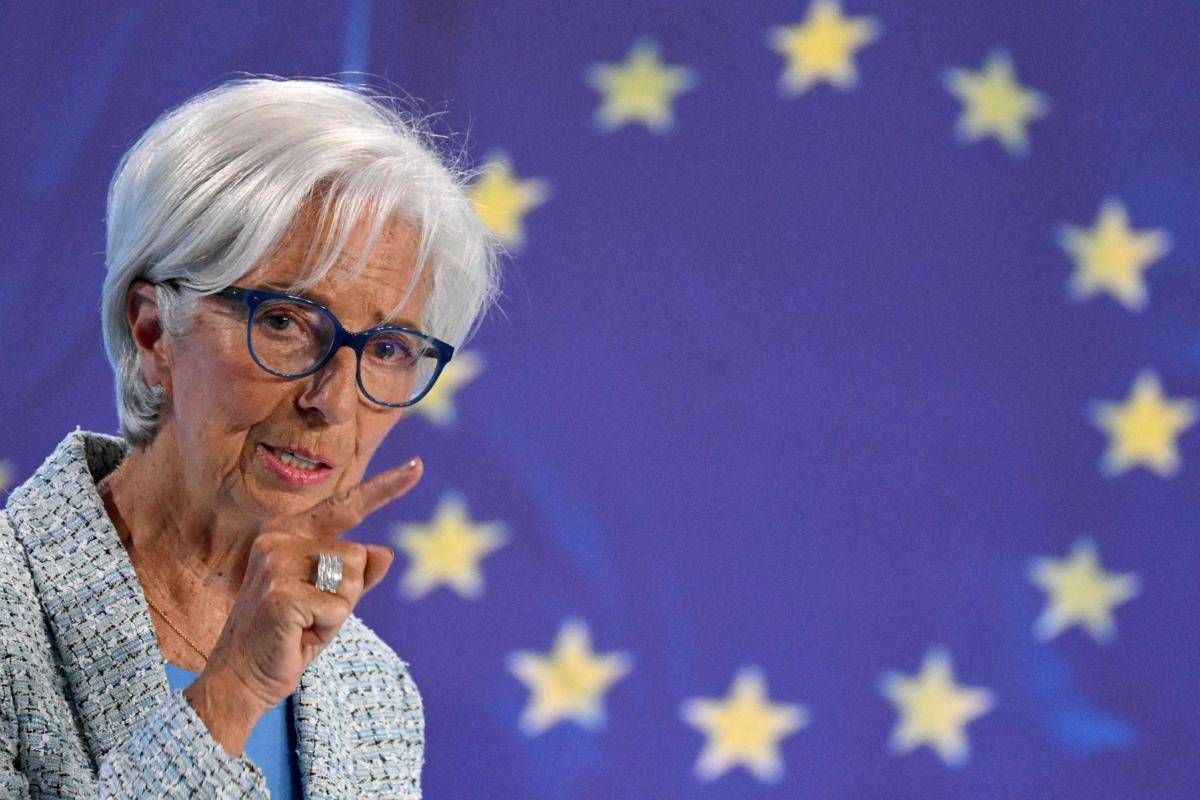
Lagarde Exit Sets Off a Fight Over the Future of the ECB
Christine Lagarde’s decision to leave the European Central Bank on Feb. 7 has opened one of the European Union’s most...

Meloni Defends Trump Ties as She Makes Her Case for Italy’s Strategy
The Italian prime minister argues that her close relationship with President Donald Trump advanced Italy’s national interests, while using the...
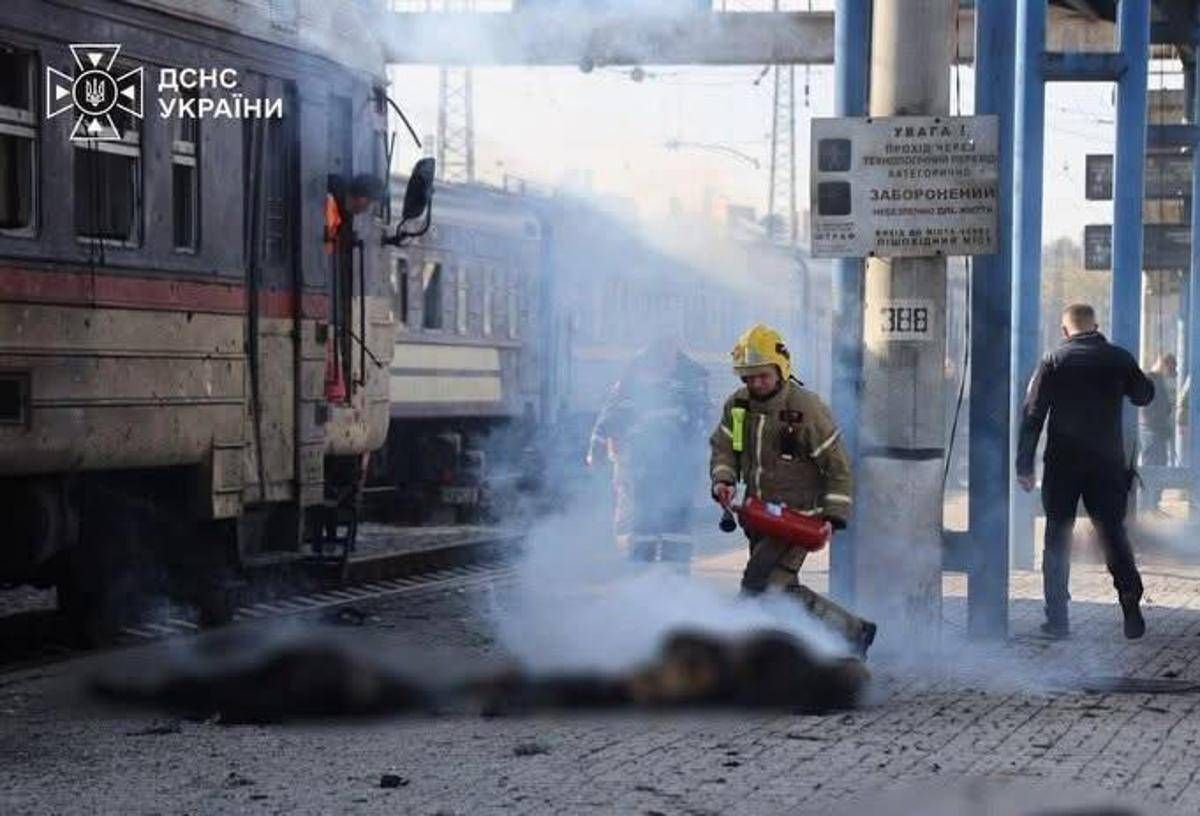
Russian Attacks Kill 15 in Ukraine as Sanctions Rift Deepens
A mass-casualty strike on a railway station in Dnipro and the deaths of two teenage girls in Chernihiv intensified Ukraine’s...
Tragedia ferroviaria Spagna, una dispersa italiana ritrovata: mancano all’appello 2 connazionali
Una nostra connazionale ha contattato il Consolato a Madrid per confermare di stare bene. Cinque italiani sono stati recuperati dai...

Hayden Panettiere Death Ruled Accidental as Police Close Case
Authorities say the actress died from the toxic effects of multiple substances, formally ending a South Carolina investigation that drew...
Reggio Emilia, 76enne ai domiciliari: è accusato di aver ucciso il cugino
La vittima, 74 anni e con una grave disabilità, morì per asfissia il 27 giugno in una residenza sociosanitaria. L’indagato...
Spain Train Disaster Kills at Least 68 as Probe Turns to Critical Rail Decisions
Spain has entered three days of national mourning after a collision between two passenger trains left dozens dead and raised...
You must be logged in to post a comment Login