
International-News
Russian Attacks Kill 15 in Ukraine as Sanctions Rift Deepens
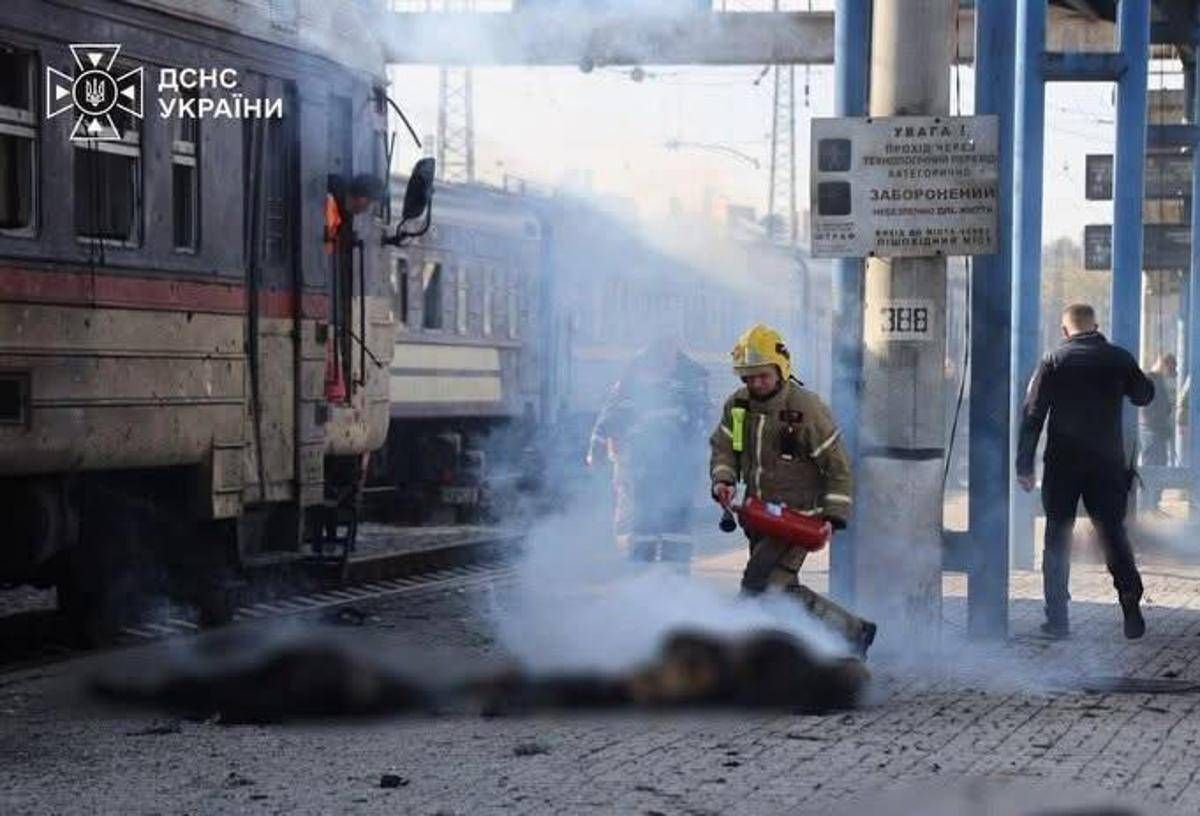
A mass-casualty strike on a railway station in Dnipro and the deaths of two teenage girls in Chernihiv intensified Ukraine’s demand for tougher action against Moscow, even as discussions continue over possible U.S. sanctions relief for a major Russian state investment fund
As Russian attacks killed civilians across Ukraine on Wednesday, a parallel battle unfolded far from the front lines: a growing dispute over whether Moscow should face greater economic isolation or be offered new incentives in pursuit of a diplomatic settlement.
The contrast was stark. In Dnipro, a Russian drone attack on a railway station killed 13 people and wounded at least 10 others, according to Ukrainian authorities. In Chernihiv, another strike killed two 15-year-old girls and injured multiple people. Yet as emergency crews searched through the aftermath, reports emerged that Washington and Moscow were continuing discussions over the possible removal of U.S. sanctions targeting the Russian Direct Investment Fund, Russia’s sovereign wealth fund.
For Kyiv, the timing could hardly be more politically charged.
The deadliest attack struck Dnipro, where drones hit a railway station serving civilian traffic. Local authorities said the assault targeted a platform where a commuter train and a passenger train were present. Mayor Borys Filatov later reported that a passenger train had been hit.
Images from the scene underscored a reality that has become increasingly common throughout nearly five years of war: transportation hubs, city centers and ordinary civilian spaces remain exposed to sudden attack despite their distance from active front lines.
Hours later, authorities in Chernihiv reported another deadly strike in the center of the northern city. The victims included two 15-year-old girls. Fires broke out in shops, while residential buildings, vehicles and commercial properties suffered damage. Viacheslav Chaus, head of the regional military administration, said preliminary information indicated that a Russian S8000 Banderol cruise missile had been used. Rescue operations continued as officials worked to determine the full scale of casualties and destruction.
Ukrainian authorities also reported a separate Russian attack in the Rivne region that killed one man.
President Volodymyr Zelensky responded by linking the day’s attacks to a broader argument he has been making to Western allies. Condemning what he described as a terrorist assault on civilians, Zelensky questioned whether discussions about easing restrictions on Russian interests were sending the wrong signal at a moment when attacks on Ukrainian cities continue.
In a statement following the Dnipro strike, the Ukrainian president argued that sanctions against Moscow and its war machine should be strengthened rather than diluted. He specifically urged the United States, the European Union and the Group of Seven to adopt tougher measures, saying Russia’s conduct demonstrated the need for additional pressure rather than accommodation.
His remarks came as Russian officials confirmed ongoing discussions concerning possible U.S. sanctions relief for the Russian Direct Investment Fund, known as RDIF. Yuri Ushakov, a foreign policy adviser to President Vladimir Putin, told Russian media that the matter has been under discussion for some time. Ushakov said Kirill Dmitriev, the fund’s chief executive and a presidential envoy, has been actively engaged in contacts with American officials.
The RDIF became a major target of Western sanctions after Russia’s full-scale invasion of Ukraine in February 2022. At the time, the Biden administration described the fund as a financial vehicle closely tied to Putin and members of his inner circle. Russian reports on the current discussions follow earlier reporting that the Trump administration had explored the possibility of sanctions relief as part of broader efforts to improve U.S.-Russia relations and encourage negotiations to end the war.
The debate is unfolding against the backdrop of an increasingly expansive air war.
Russia’s Defense Ministry said its air-defense systems intercepted 1,214 Ukrainian drones overnight, according to figures carried by the state news agency Tass. Moscow Mayor Sergey Sobyanin said 613 drones heading toward the Russian capital were intercepted between the evening of Oct. 28 and the morning of Oct. 29, describing one of the largest drone attacks directed at Moscow this year.
Russian authorities reported drone interceptions across a vast area of the country, including the regions of Bryansk, Belgorod, Kursk, Kaluga, Tula, Smolensk, Lipetsk, Voronezh, Tver, Oryol, Ryazan, Vladimir, Samara, Saratov, Penza and Rostov, as well as the republics of Bashkortostan and Udmurtia.
The conflict’s widening geographic reach is also driving security decisions beyond Ukraine and Russia. In Estonia, Defense Minister Martin Herem said the country plans to construct approximately 150 bunkers near the Russian border as part of a broader effort to strengthen military preparedness. According to Estonian broadcaster ERR, roughly 100 will be built on state-owned land in Ida-Virumaa, while the remainder will be located on municipal and private property.
The move reflects concerns shared across NATO’s eastern flank, where officials have increasingly warned of Russian hybrid threats, drone incursions, sabotage operations and airspace violations. More than four years after the invasion that reshaped Europe’s security landscape, governments nearest Russia continue preparing for a confrontation that shows little sign of easing, even as diplomatic discussions over sanctions and negotiations gather momentum.
(Photo: © AndKronos)



Egypt Investigates Roadside Screen After Explicit Video Appears in Giza
Authorities are examining whether a cybersecurity breach or technical failure caused explicit content to appear on a major roadside advertising...

Israeli Election Delivers No Majority, Pushing Coalition Fight Into Spotlight
Final results left both Benjamin Netanyahu’s alliance and the opposition short of the seats needed to govern, shifting the center...

Christa Pike Failed Execution Raises Unprecedented Fight Over Second Death Sentence
The Tennessee inmate who survived a lethal injection was expected to die on Sept. 30. Instead, her survival has created...

Kim Kardashian’s Monet Purchase Began With a Joke From ‘Clueless’
The billionaire entrepreneur says her first major art acquisition was not driven by a collector’s education or years spent in...

Binance Hack Puts $6.3 Billion at Risk as North Korea-Linked Group Suspected
An attack on the world’s largest cryptocurrency exchange has exposed digital assets on a scale never before reported in the...


La mazzata sul Diesel continua: Gasolio a 2,248 euro al litro
Il prezzo medio nazionale resta sopra i 2,20 euro. I dati del Mimit aggiornati al 30 ottobre mostrano quanto sia...
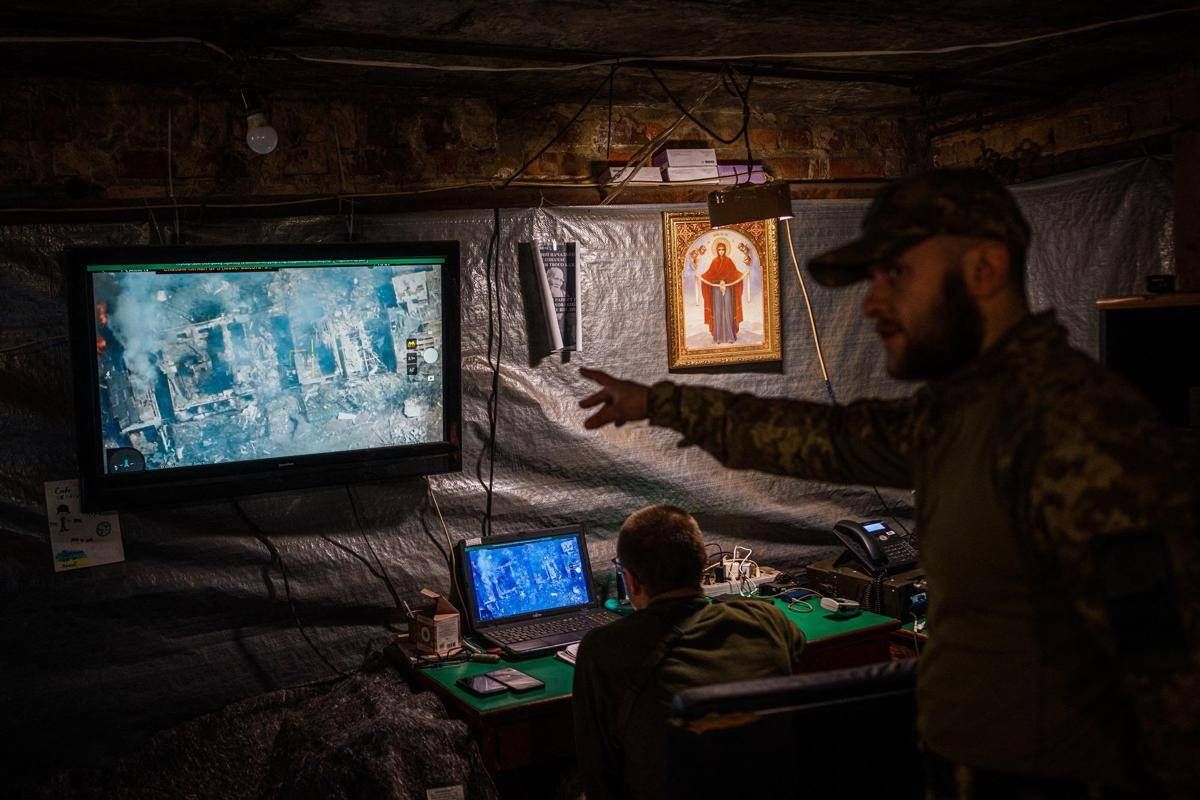
Moscow Drone Barrage Hits New High as Russia Reports Death of Nuclear Plant Worker
Russian officials said Ukraine launched one of the war’s largest drone assaults against the Moscow region, eclipsing the previous night’s...
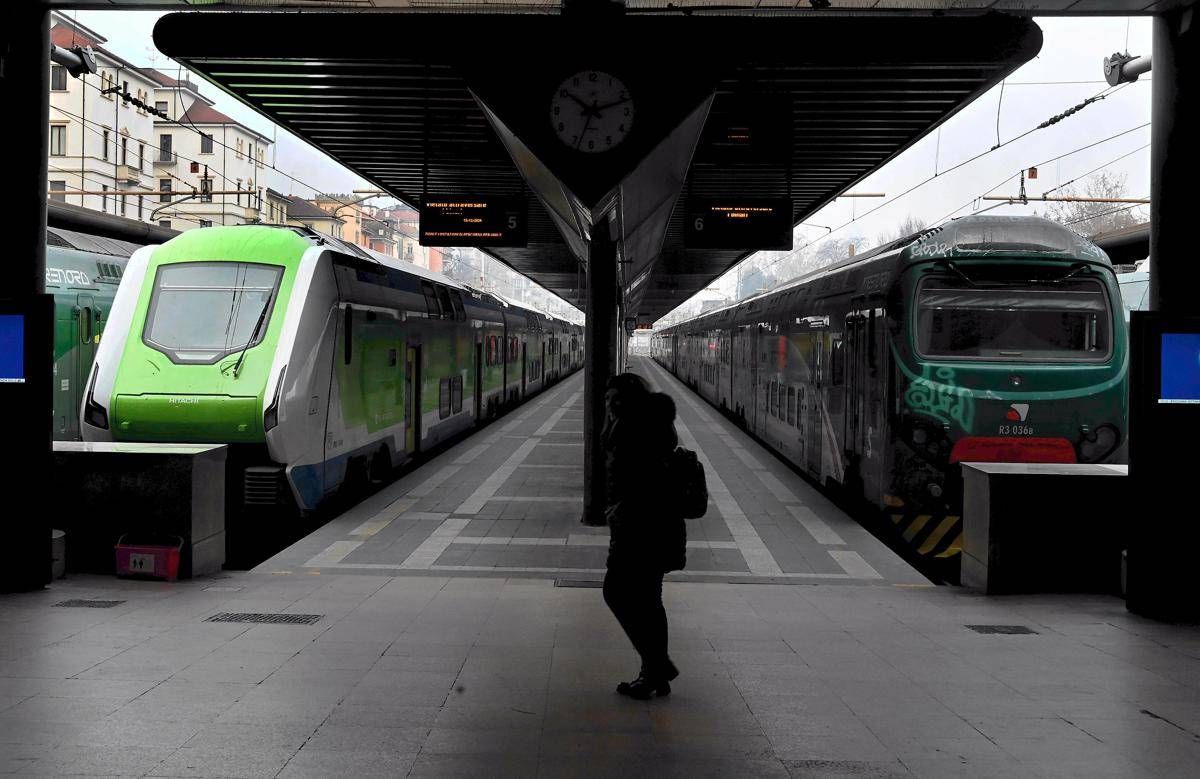
Sciopero 30 ottobre, Usb sfida la precettazione di Salvini: trasporti a rischio
Il sindacato conferma l’astensione dal lavoro nonostante l’ordinanza del ministro. Treni, aerei, bus e metropolitane potrebbero subire disagi, mentre le...


Maltempo sull’Italia, domenica fino a 60 mm di pioggia e neve sull’Appennino
Le precipitazioni più intense interesseranno soprattutto il versante adriatico e il Basso Tirreno. Sui rilievi centrali la neve potrà scendere...

Pensioni, fino a 1.240 euro in meno l’anno con la stretta sulla rivalutazione
La simulazione della Uil pensionati ipotizza un’inflazione al 3% e un nuovo sistema di indicizzazione per fasce di reddito. Le...


L’urologo che ti aiuta con i tuoi problemi
C’è una riluttanza diffusa, soprattutto tra gli uomini, a parlare di disturbi urologici. Sintomi che riguardano l’apparato urinario o riproduttivo...

Cedolare secca, aliquota all’1% per chi affitta agli under 35
La manovra 2027 introduce un’agevolazione per i contratti a canone concordato con inquilini giovani. Per gli altri concordati l’imposta scende...
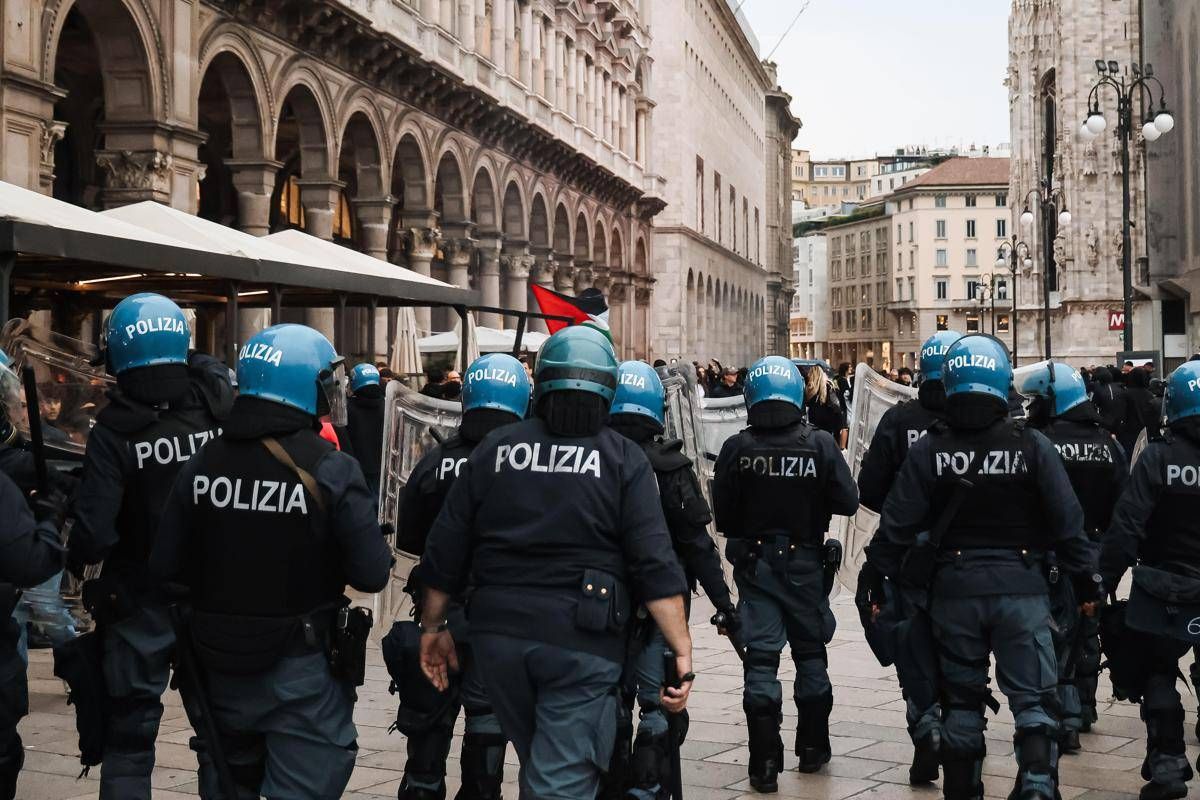
Sciopero e cortei del 30 ottobre, Piantedosi rafforza i controlli
Il ministro dell’Interno ha riunito prefetti, questori e vertici delle forze di polizia per predisporre i servizi nelle città. Previsti...
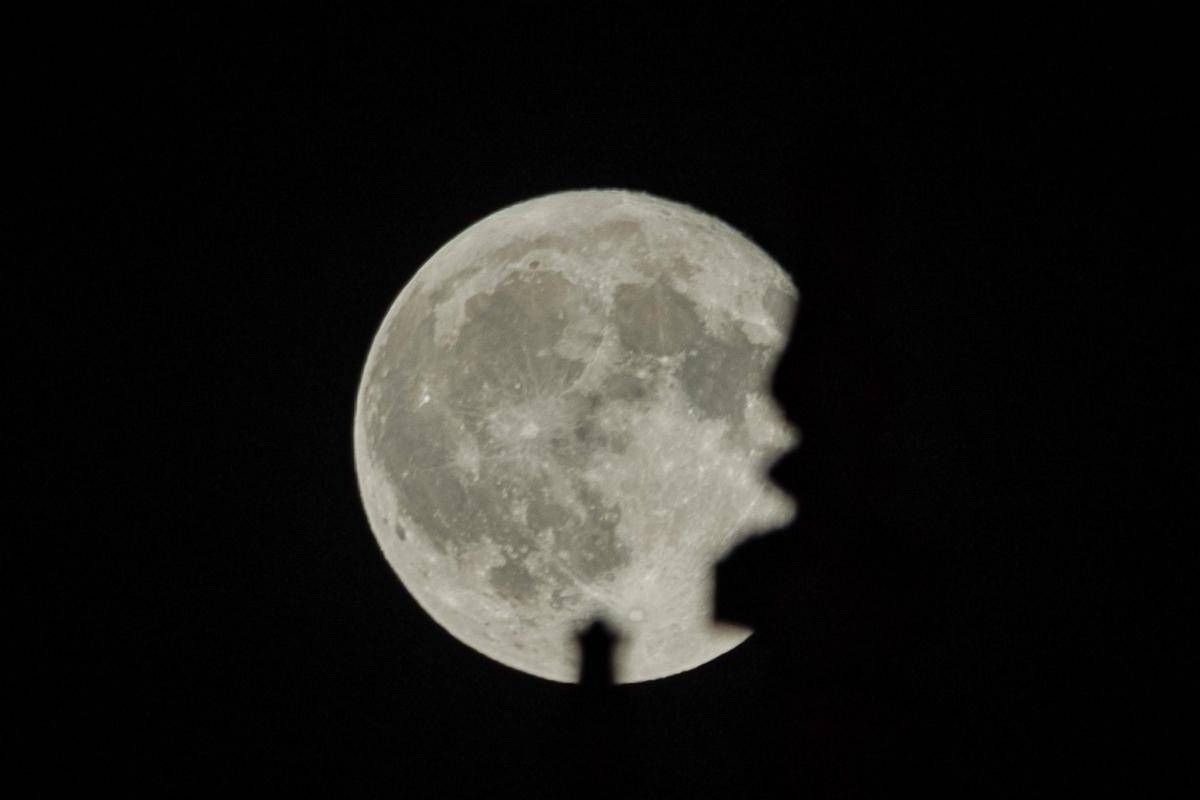
November Night Sky Brings Meteor Showers, a Supermoon and a Parade of Planets
A rare convergence of celestial events will transform November into one of the year’s most rewarding months for skywatchers, with...
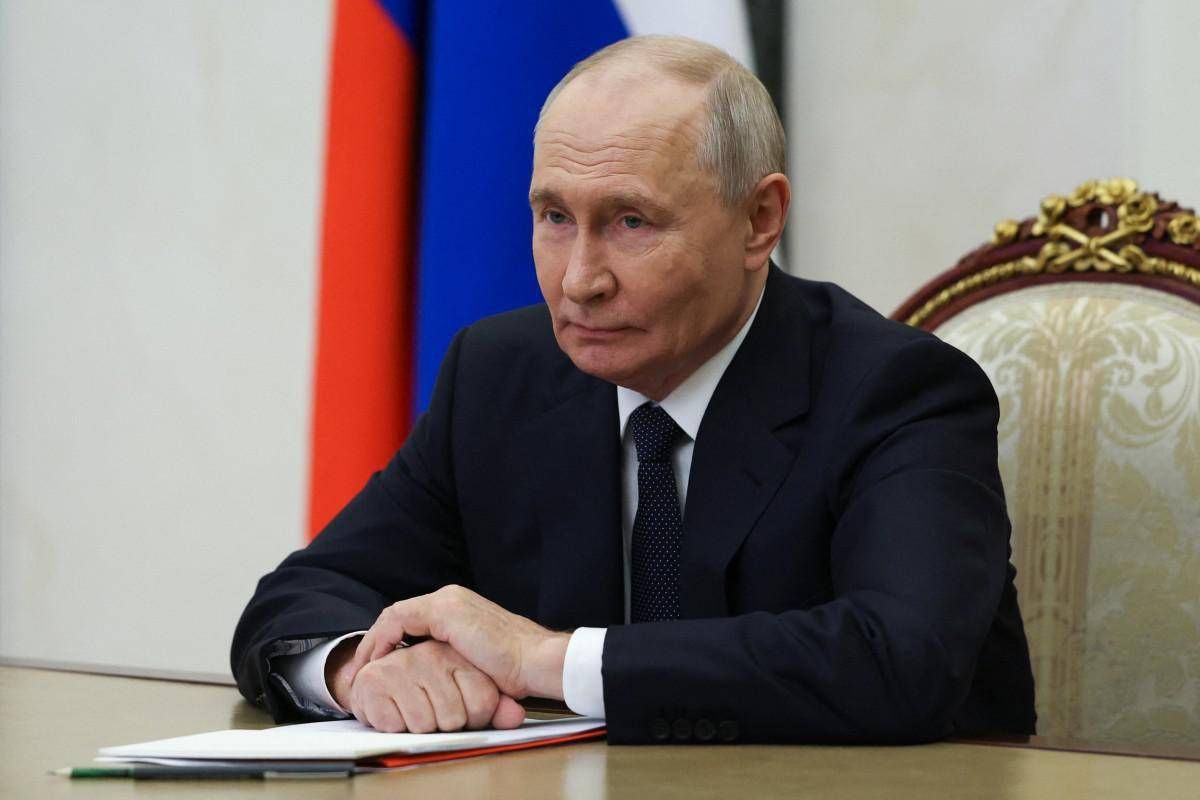
Putin Warns Europe: Russia Is Ready for Conflict but Seeks Better Ties
Speaking after the Russia-Africa summit in Moscow, the Russian president paired one of his starkest warnings to Europe in recent...
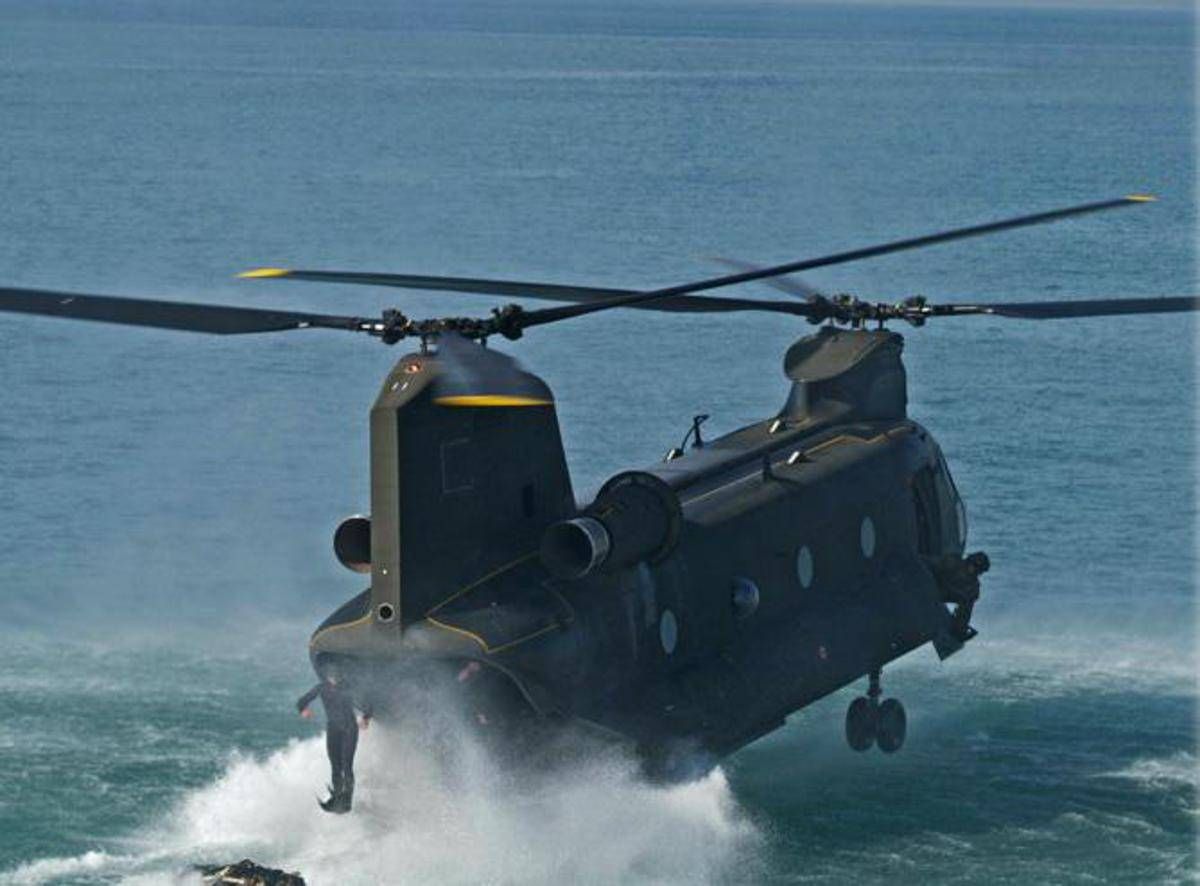
Bosnia, elicottero militare italiano precipita: 4 morti
Il bilancio diffuso dai media locali non è uniforme. La missione Eufor conferma vittime e feriti gravi, mentre proseguono gli...