The Fort Hood killer deserves punishment for the Fort Hood massacre. Broadcasting his execution, however, would have turned justice into...
Read More
International-News
Berlin blames Russia for Leipzig attack and orders consulate closure
Germany says the attempted attack involved sophisticated technology and significant planning, while Moscow promises an “appropriate response.”
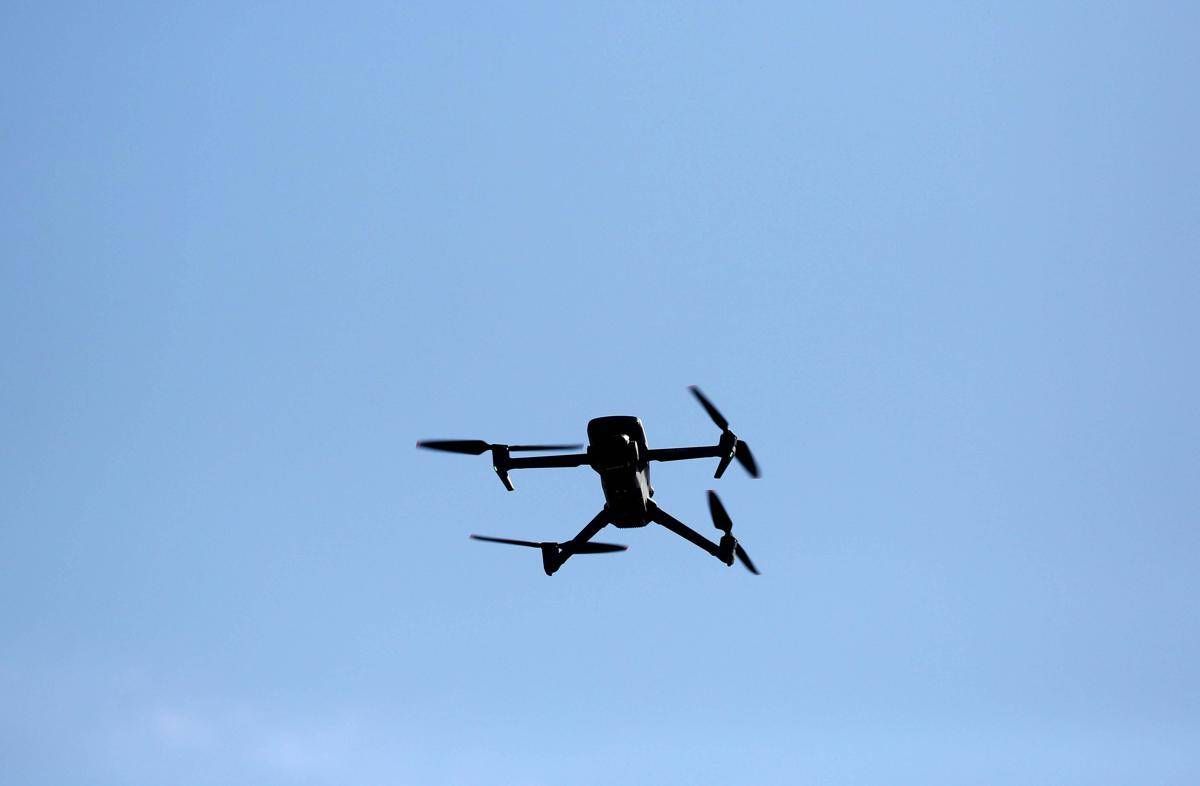
The German government has concluded that Russia was responsible for the hybrid attack at Leipzig airport, Interior Minister Alexander Dobrindt said, referring to the drone incident at Leipzig/Halle airport on August 4. The assessment is based on an analysis of the technology used in the operation and intelligence gathered by German authorities.
According to Dobrindt, police investigations and intelligence assessments point to an attack carried out on behalf of Russia. The technology recovered at the scene, together with the way the various components were integrated, indicated a high level of technical expertise and substantial organizational work behind the planning and execution.
The minister nevertheless said the final stage of the attempted attack appeared to have been handled by lower-level operatives.
“Germany is not at war,” Dobrindt said, “but we are the target of hybrid warfare every day.”
Germany closes Russian consulate in Bonn
Berlin is also taking diplomatic measures against Moscow. Foreign Minister Johann Wadephul announced the closure of Russia’s consulate general in Bonn, described as the last Russian consulate in Germany, as well as the termination of the contract for the Russian House cultural center in Berlin.
According to Wadephul, the Bonn consulate will close on September 18. The measures were agreed with Chancellor Friedrich Merz.
Moscow promises a response
Russia has rejected the German accusations. Foreign Ministry spokeswoman Maria Zakharova said Moscow would provide an “appropriate response” to Berlin’s decisions.
In statements reported by Russian media, Zakharova accused Germany of escalating relations with Moscow on the basis of what she described as an invented and absurd pretext.
Meloni: “The security of our Allies is the security of us all”
Italy has expressed full solidarity with Germany. Prime Minister Giorgia Meloni said on X that the security of Germany and other allies was a shared concern.
Meloni said attempts to intimidate or divide the allies would not succeed and that hybrid actions against one member of the alliance should concern all of them. She also stressed the importance of maintaining close cooperation and a credible deterrence posture to protect citizens.
Rutte: “The evidence is clear”
NATO Secretary General Mark Rutte said he had spoken with German Chancellor Friedrich Merz and confirmed the alliance’s full solidarity with Germany following what he described as the Russian hybrid attack at Leipzig.
Rutte said the evidence was clear and welcomed the measures announced by Berlin. He added that NATO would continue strengthening the deterrence and defense capabilities of its members against threats, including hostile actions such as those seen in Leipzig and elsewhere within the alliance.
He also said Russia’s attempts to intimidate NATO members, undermine their unity and weaken their support for Ukraine would fail.
Von der Leyen: “Hybrid attacks will not go unanswered”
European Commission President Ursula von der Leyen said she had spoken with Merz about the incident and assured him of the European Union’s full solidarity with Germany.
Von der Leyen said the EU would remain united in response to what she described as a serious and escalating Russian attack. She welcomed the measures taken by the German government and said hybrid attacks would receive a clear response.
She also accused Russia of attempting to spread fear and distrust within European societies, adding that the EU would continue supporting Ukraine.
Britain backs Germany
The United Kingdom also expressed solidarity with Germany. Prime Minister Andy Burnham described the incident as a serious and irresponsible act of aggression by Russia and said attempts to weaken the allies’ common resolve and their support for Ukraine would fail.
Burnham reaffirmed Britain’s commitment to supporting Ukraine against the Russian invasion and said Germany’s response demonstrated that attacks of this kind would face a clear reaction.
The explosive drone investigation
The German newspaper Bild had previously reported that evidence from the explosive-laden drone allegedly pointed toward a Russian intelligence agency, citing security sources.
Berlin is expected to coordinate its response with European partners. Possible diplomatic measures include summoning the Russian ambassador to the Foreign Ministry and declaring some Russian embassy personnel persona non grata, potentially requiring them to leave Germany. Further sanctions against Russia are also being discussed in coordination with other EU member states.
The discovery of an explosive-equipped drone at Leipzig-Halle airport occurred in early August. At the time, Dobrindt had described the incident as a professional hybrid threat and said investigators were examining every aspect of the case, from the construction of the device and the drone’s origin to the identity of those responsible.
THE LATEST NEWS
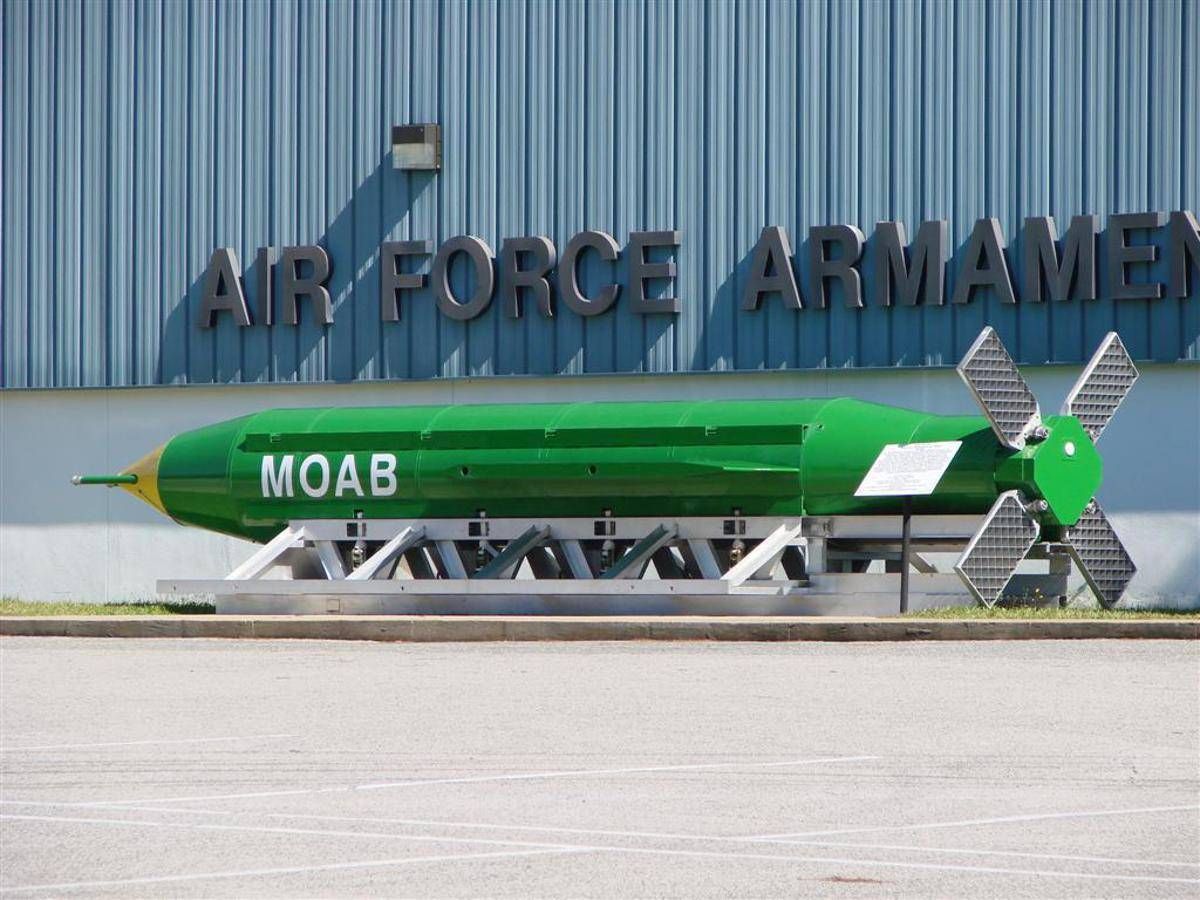
Trump Says Iran War Could End “Very Soon” as Pentagon Weighs MOAB Option
15 October 2026
The president says the conflict would end whenever he decides, while reports indicate U.S. military planners have examined scenarios involving...
Read More
Katie Zacharia’s Lawyer Credentials Questioned After White House Appointment
15 October 2026
Wall Street Journal report finds the newly appointed White House press secretary was never licensed to practice law in the...
Read More

Trump Can’t Avoid Looking Ridiculous: Shares AI Video After Man Is Mauled by Tiger
14 October 2026
The president's latest social media stunt has drawn outrage from the family of a young British man killed by a...
Read More

Iran Woman Sentenced to Death Over Social Media Post, Rights Groups Warn
14 October 2026
Human rights organizations are raising alarm over what they describe as an accelerating use of capital punishment to silence dissent...
Read More

Trump Media Ban Blocked as Judge Restores CNN, Politico and MSNBC Access
14 October 2026
A federal judge found little evidence that national security concerns were behind the White House decision to revoke access credentials...
Read More
(Photo: © AndKronos)