
International-News
Natalie Harp Is Screening Calls to Trump as White House Tightens Access
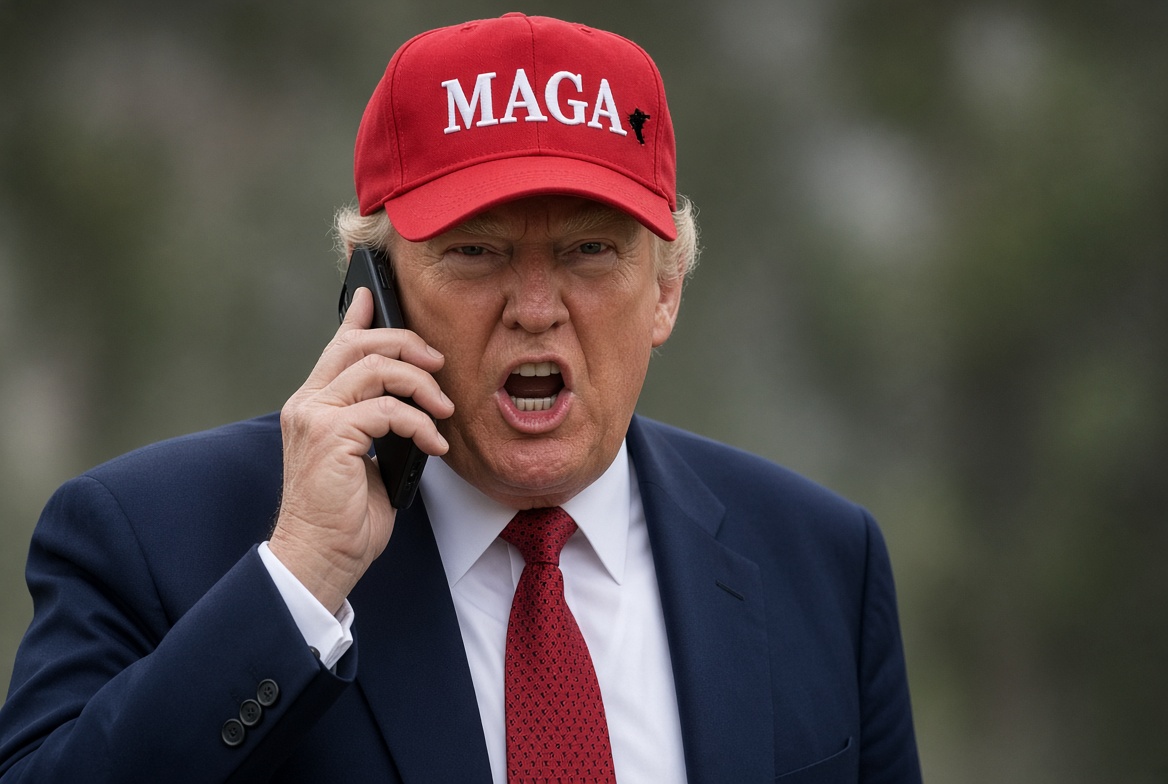
The president’s personal phone line once offered journalists an unusually direct route to the Oval Office. Now, a close aide reportedly decides which callers get through, as Trump retreats into an increasingly narrow circle of advisers
For months, one of the most unusual features of Donald Trump’s presidency was also one of the simplest: journalists could call his personal cellphone and, if he felt like answering, speak directly to the president of the United States.
That informal channel now appears to be closing. Natalie Harp, one of Trump’s closest aides, has reportedly taken control of the phone and begun deciding which journalists are allowed to speak with him — a new layer of screening that comes as the president faces the political fallout from the Republicans’ disastrous midterm performance.
The change marks a departure from a practice the White House had repeatedly presented as evidence of Trump’s accessibility. Reporters could try their luck at almost any hour, particularly early in the morning or during weekends, when the president was playing golf. Whether he answered often depended on his mood. When he was in a good one, calls multiplied. When he was not, few journalists got through.
Now, several reporters say calls to the personal number Trump used for media contacts have been answered by a young woman who first asks who is calling.
The exchange was captured during a live broadcast on election night, when Politico’s Dasha Burns called the president. A female voice answered: “Hello, may I ask who’s speaking?” After a brief pause, she added, “One moment, please.” Trump then came on the line and greeted Burns.
The Independent reported that the voice sounded identical to Harp’s, after comparing it with a recording of her speech at the 2020 Republican National Convention.
An American White House correspondent separately confirmed to Adnkronos that a young woman answered a recent call on a Thursday and put the journalist through only after Trump heard the caller’s name and gave his approval. Adnkronos also tried the number circulating among White House correspondents, without receiving an answer, and sought comment from the White House press office, which did not respond.
The new arrangement appears designed to shield Trump from potentially uncomfortable conversations with reporters at a time when his approval ratings have fallen to historic lows. Harp is reportedly handling the calls apparently at her own discretion.
Harp’s influence reaches beyond the president’s phone
The screening role is only the latest indication of how much influence Harp has acquired inside Trump’s inner circle.
Several media outlets have reported that she repeatedly put the president in contact with far-right activist Laura Loomer, despite objections from senior administration officials. She was also reportedly among those pushing for the September decision to exclude CNN, MSNBC and Politico from the White House.
Her proximity to Trump has increased further in recent weeks. Harp has reportedly moved from the desk she usually occupied outside the Oval Office to the president’s private dining room, where she prints out newspaper articles and documents for him to read.
She has also been photographed alongside Trump during the election campaign and is said to publish material on Truth Social on his behalf. The New York Times has described her as part of the small group of people around whom the president has increasingly isolated himself.
Harp was also reportedly responsible for recording Trump’s lengthy attack on comedian Bill Maher aboard Air Force One last week. The president dictated a 1,300-word tirade after Maher had attended a dinner at the White House and then mocked Trump during the opening monologue of his television show.
A relationship built around Trump’s approval
Harp’s devotion to the president has long attracted attention. Her earlier writings, including several emails, portrayed Trump in strikingly personal terms: as a spiritual guide, a father figure and even a romantic protagonist reminiscent of Mr. Darcy.
That relationship has now placed her in a position of unusual influence over who gets access to the president — including members of the press who once could reach him simply by dialing his personal number.
The timing is politically significant. Democrats have regained control of Congress, and the midterm results delivered a sharp rebuke to the Trump administration. Yet the new gatekeeping system raises a question beyond the president’s relationship with journalists: as Washington’s political balance shifts, will Harp also become the person controlling Trump’s contacts with the Democrats, or will that channel remain open to others?


Measles Outbreak Kills Newborn in Wisconsin, Second U.S. Child to Die
The state has recorded 431 cases across 13 counties in 2026, the highest total in 35 years. Italian infectious disease...


Natalie Harp Is Screening Calls to Trump as White House Tightens Access
The president’s personal phone line once offered journalists an unusually direct route to the Oval Office. Now, a close aide...
Stephen Miller Named White House Chief of Staff as Wiles Exits
Trump announced that his longtime adviser will take over on Nov. 9, as the president faces the fallout from Republican...


Silicon Valley’s AI Billionaires Scramble to Win Democrats Back
After backing Donald Trump and his promise of lighter regulation, tech executives face a political backlash over data centers, rising...
Hegseth Defies Impeachment Threat as Trump Weighs His Pentagon Future
The defense secretary is facing mounting Republican pressure over the Iran war and the midterm defeat. Trump continues to back...

Ex Ilva, a Taranto non è rimasto acceso più nulla: tutto spento area a caldo
L’annuncio del direttore generale di Acciaierie d’Italia al tavolo sulla cassa integrazione. L’azienda chiede di estendere la Cigs fino a...
Paraguay Banking Crisis Pushes President Peña Toward Impeachment
The collapse of Ueno Bank left roughly three million customers temporarily unable to access their money and triggered violent protests....


Bomb Threats Disrupt European Flights as Incel Group Claims Responsibility
Warnings targeting aircraft in Italy, Portugal, France, the Czech Republic and Denmark have triggered emergency landings and security checks. European...

Formula 1 in Brasile, orari e programma: Mercedes a un passo dal titolo
A Interlagos si corre il ventesimo Gran Premio della stagione. La Mercedes può conquistare matematicamente il Mondiale costruttori, mentre Ferrari...

Trump’s Washington Triumph Arch Blocked by Federal Judge
The 76-meter monument cleared a key federal review, but a court has halted construction for two weeks as legal challenges...
Democratic Congress Faces Test as Trump Vows to Fight Its Agenda
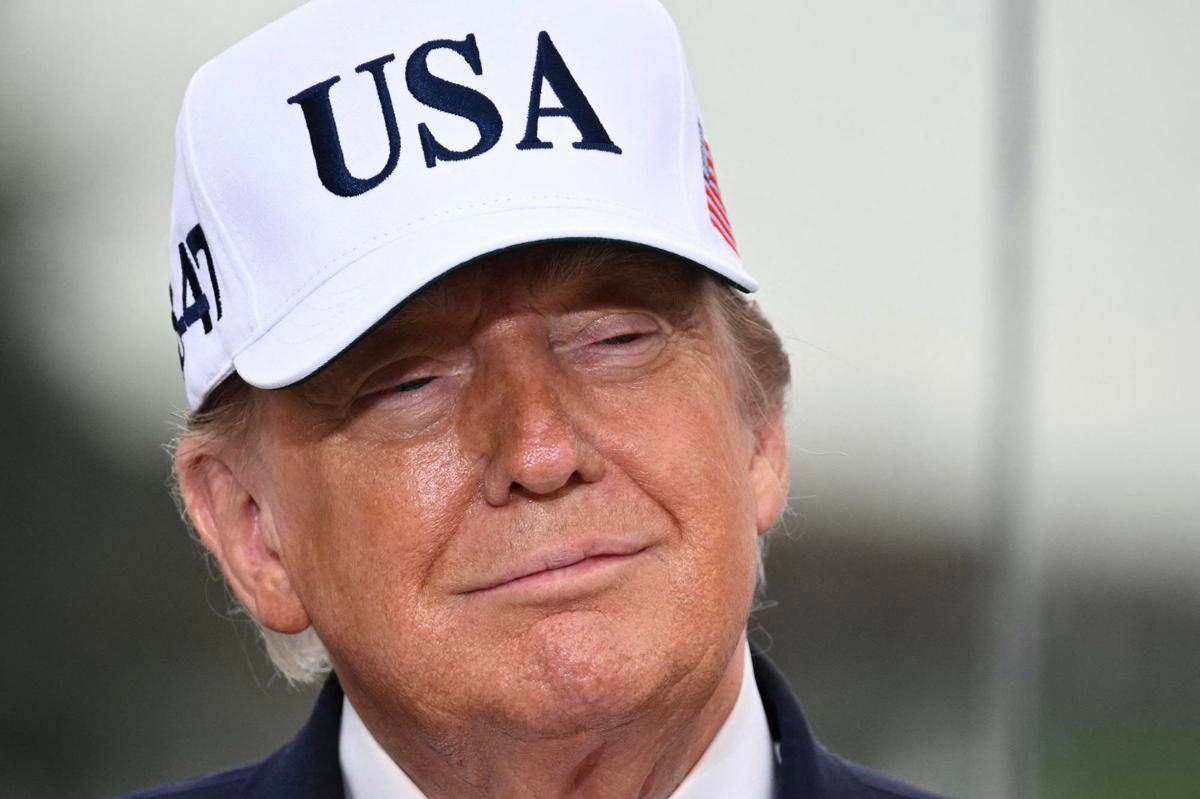
Democrats won the midterms on promises to lower living costs and reverse the president’s economic policies. But Trump’s veto power,...

MotoGP Qatar 2026, orari e dove vedere prove, Sprint e gara in tv
Il Motomondiale arriva a Lusail per il terzultimo appuntamento della stagione, dopo giorni di incertezza legati alla situazione in Medio...
Ucraina, Tusk avverte: «Putin potrebbe intensificare la guerra in inverno»
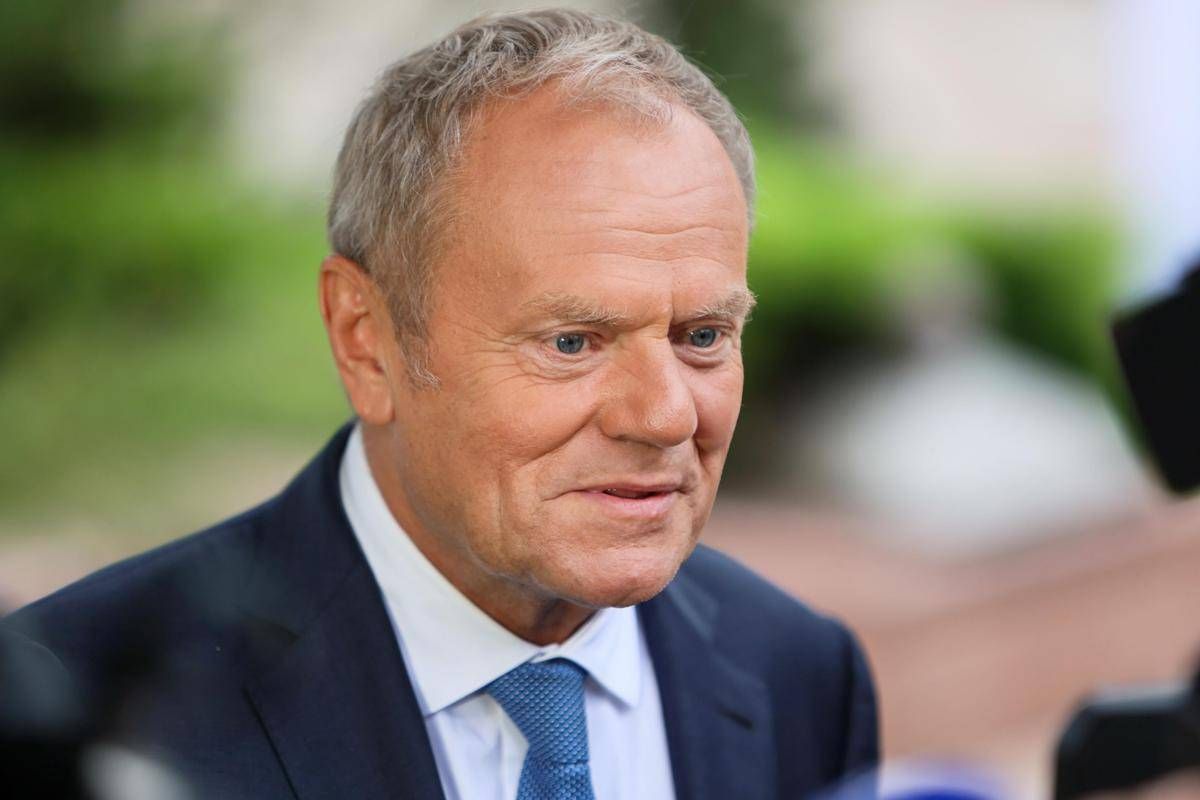
Mentre proseguono gli attacchi russi e i raid ucraini contro obiettivi energetici in territorio russo, il premier polacco invita alla...


Meteo Italia, piogge intense e neve sulle Alpi: fino a 60 mm al Sud
Una perturbazione atlantica attraversa la Penisola con temporali, venti fino a 60 km/h e temperature in calo di 2-4 gradi....
Gavin Newsom Commutes More Than 500 California Death Sentences
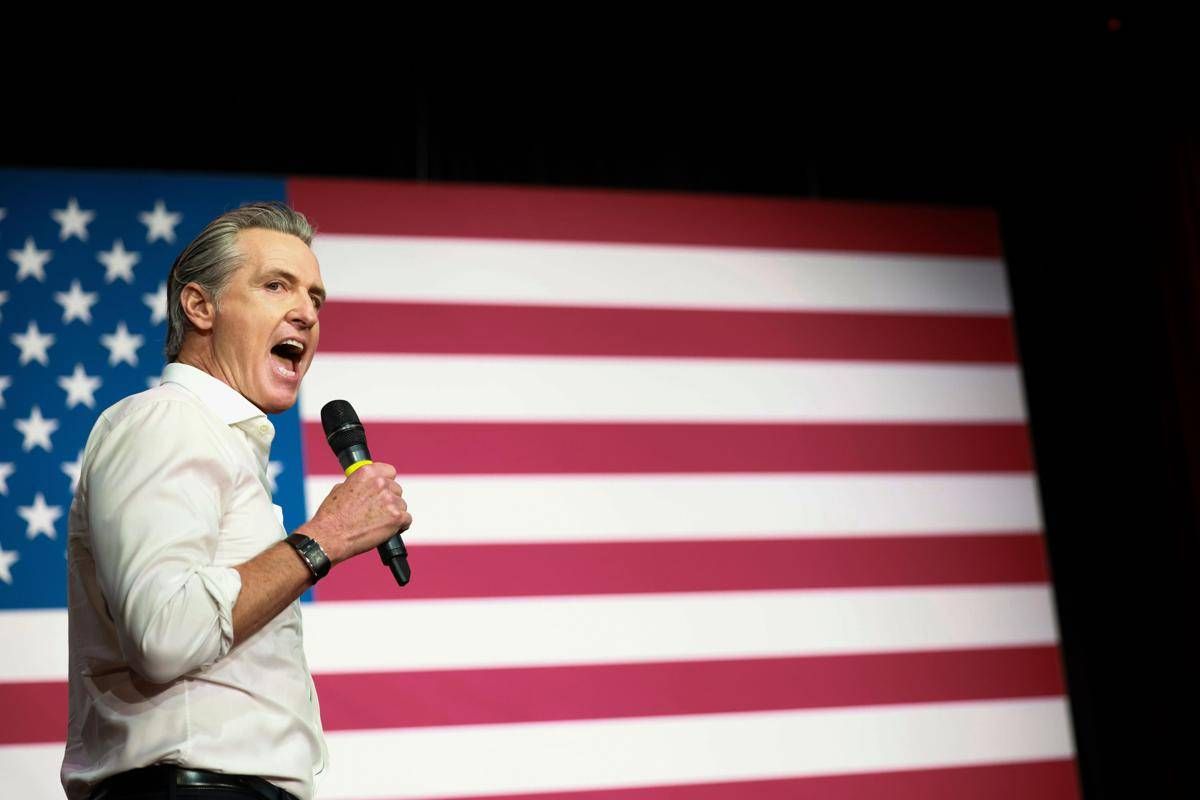
The sweeping decision converts every sentence to life without parole, ensuring that the prisoners cannot be executed under future governors....
Murdoch’s Media Empire Turns on Trump After Republican Midterm Defeat
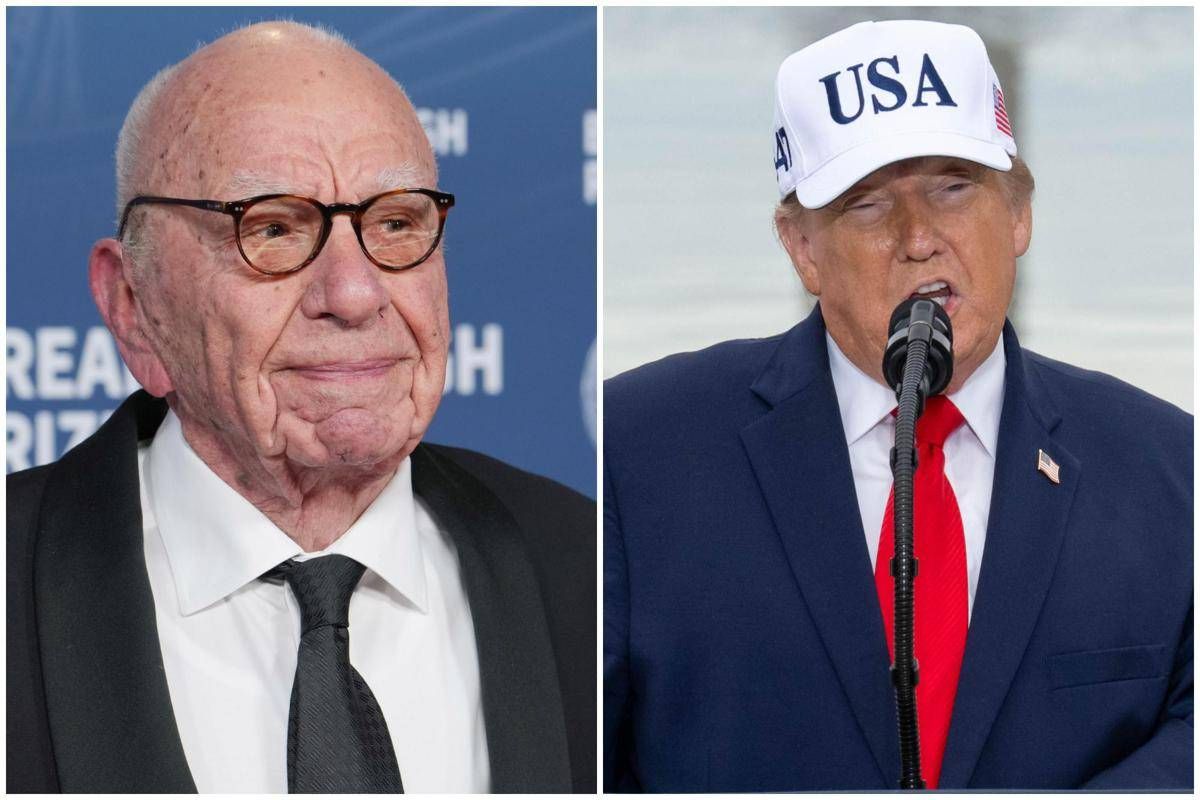
The New York Post, Fox News and The Wall Street Journal are signaling a striking change in tone toward the...
You must be logged in to post a comment Login