A string of public attacks on Western leaders raises concerns as the Italian prime minister becomes the latest target Donald...
Read More
International-News
Trump and Putin Share War Logic as Ukraine Talks Stall
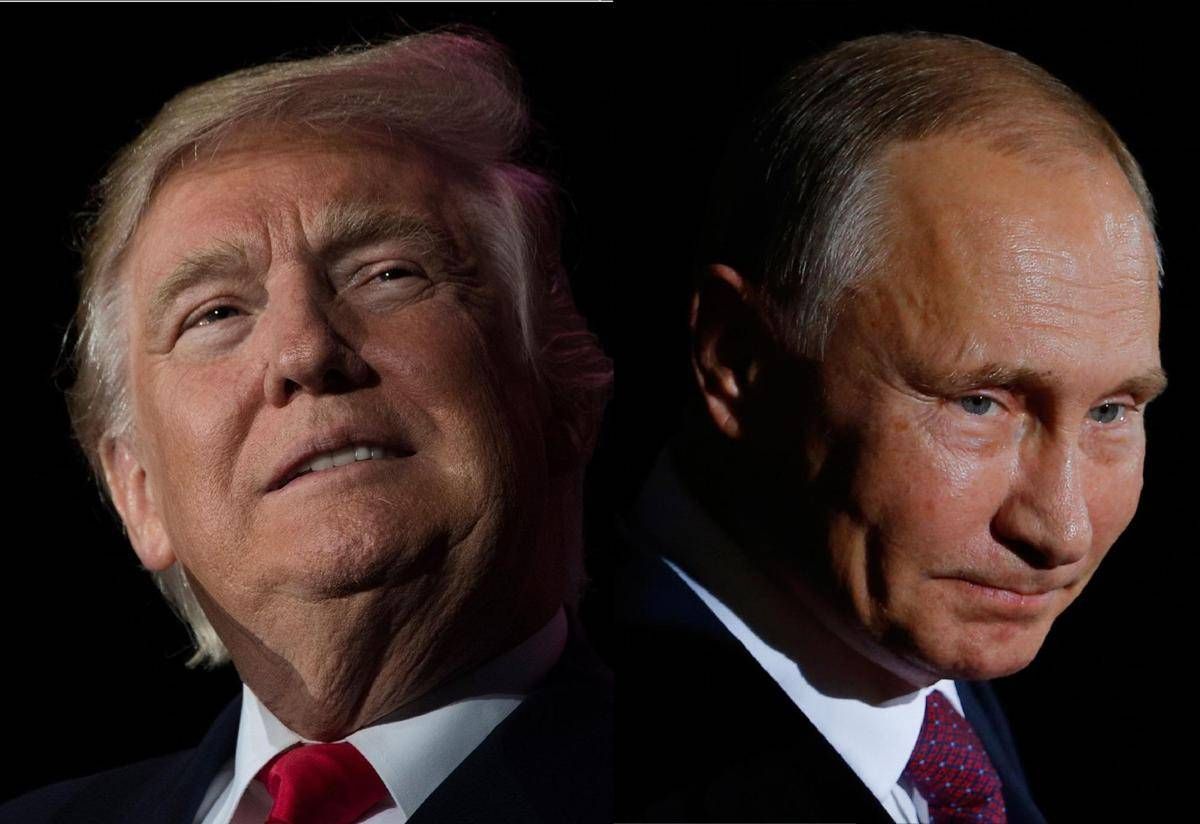
A New York Times analysis draws parallels between Donald Trump and Vladimir Putin, arguing both leaders approach war as a negotiation for outcomes they failed to secure on the battlefield, while the conflict in Ukraine remains stuck in diplomatic deadlock
A New York Times analysis argues that Donald Trump and Vladimir Putin share a comparable approach to warfare, treating military conflict as a continuation of negotiation rather than a path to decisive victory.
The report suggests that both leaders rely on the idea that sustained pressure on adversaries will eventually translate into political capitulation. In practice, however, both the Ukraine and Iran conflicts have evolved into prolonged stalemates, where neither side has been able to impose a decisive outcome.
The analysis highlights a recurring pattern: negotiations are used not to end conflicts quickly, but to secure terms that could not be achieved through military force alone. This dynamic has left diplomatic efforts suspended between escalation and limited engagement.
As the New York Times notes, both leaders operate on the premise that “negotiations aim to secure the capitulation of an enemy that could not be defeated in battle,” reinforcing the idea of diplomacy as an extension of war strategy rather than an alternative to it.
Fiona Hill, former senior director for Europe and Russia at the U.S. National Security Council during the Trump administration, expands on this interpretation in a Brookings Institution paper. She describes both conflicts as examples of strategic overreach, where stronger powers become trapped in costly confrontations with more resilient opponents.
Hill also underscores what she sees as a lack of post-conflict planning. “Like Putin, Trump had no plan for what would happen next,” she wrote, pointing to the absence of a structured exit strategy once escalation begins.
In her assessment, both leaders entered their respective conflicts with a simplified understanding of their adversaries, assuming centralized control systems would collapse under pressure. Instead, those systems proved more adaptable than expected.
On the diplomatic front, Ukrainian President Volodymyr Zelensky said he proposed a meeting with Russian President Vladimir Putin on the sidelines of the G7 summit in Évian, France. According to Zelensky, Moscow has not shown readiness to engage.
Speaking in Kyiv during a visit to the Pechersk Lavra monastery, recently hit in Russian bombardments, Zelensky said Ukraine had communicated its willingness to open direct talks ahead of the summit.
He added that a broader format involving European and U.S. leaders could facilitate negotiations, with the proposal also extended to Russia through diplomatic channels. A Ukrainian presidential source told AFP that the initiative was conveyed through intermediaries and intelligence contacts but received no clear response from Moscow.
From Évian, U.S. President Donald Trump said diplomatic movement was still possible.
“Perhaps we can do something for Ukraine. I believe both Putin and Zelensky are willing,” Trump told reporters ahead of his meeting with French President Emmanuel Macron, adding that Washington’s focus could shift after the agreement with Iran.
THE LATEST NEWS

Video shows drone strike on Moscow refinery explosion
18 Giugno 2026
Video circulating on social media shows an explosion at an oil depot in a refinery in Moscow following a reported...
Read More

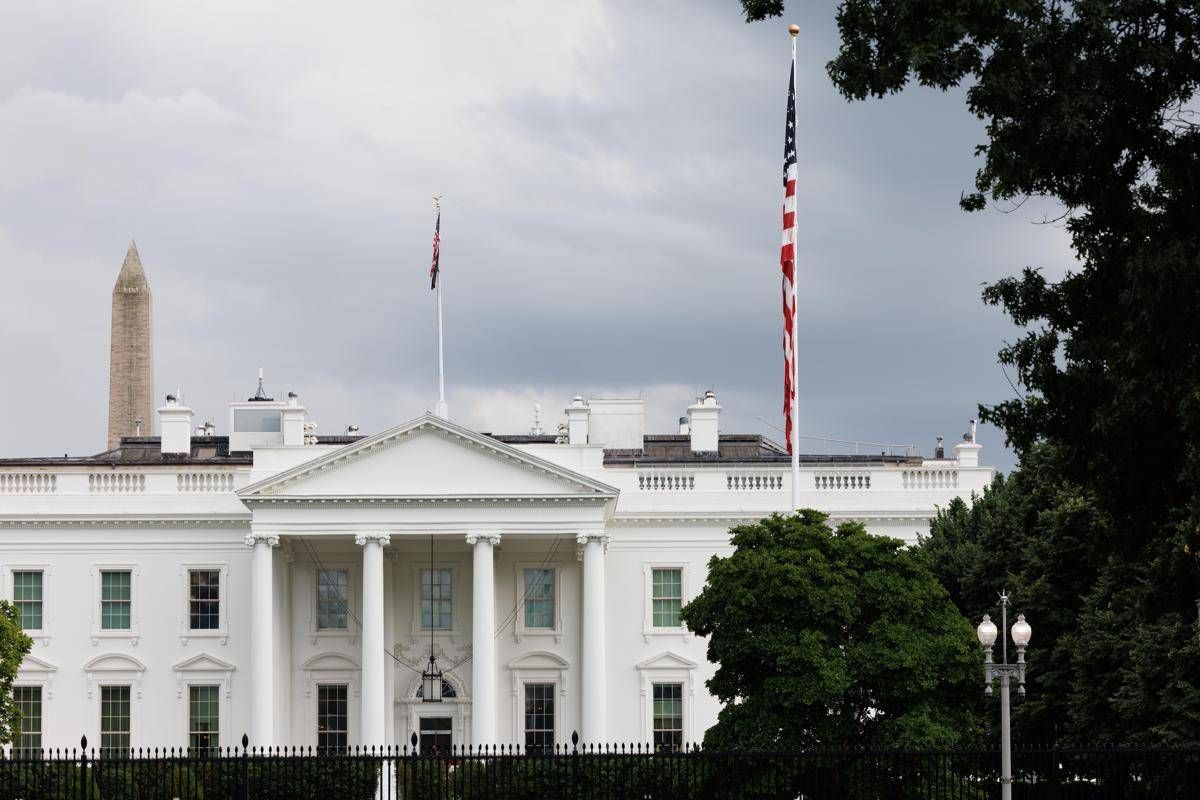
FBI Foils Alleged White House Attack Plot During Trump Freedom 250 Event
16 Giugno 2026
Federal authorities say a multi-phase attack plan was disrupted ahead of June 14 celebrations tied to the U.S. 250th anniversary...
Read More
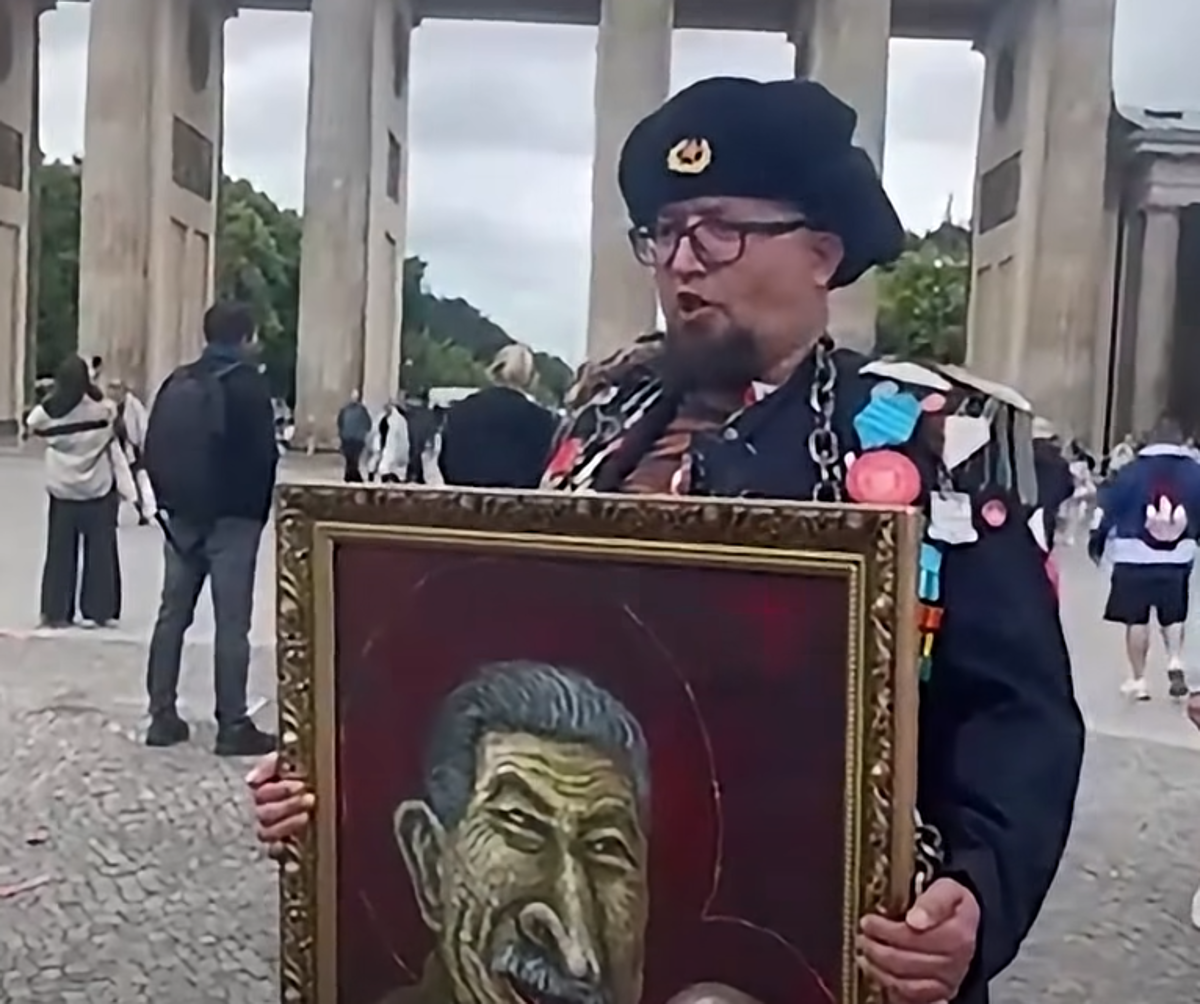
Dissident Russian artist shot dead in Poland, suspect detained
16 Giugno 2026
Russian dissident artist Semyon Skrepetsky has been shot dead in eastern Poland, triggering a police operation and raising questions about...
Read More
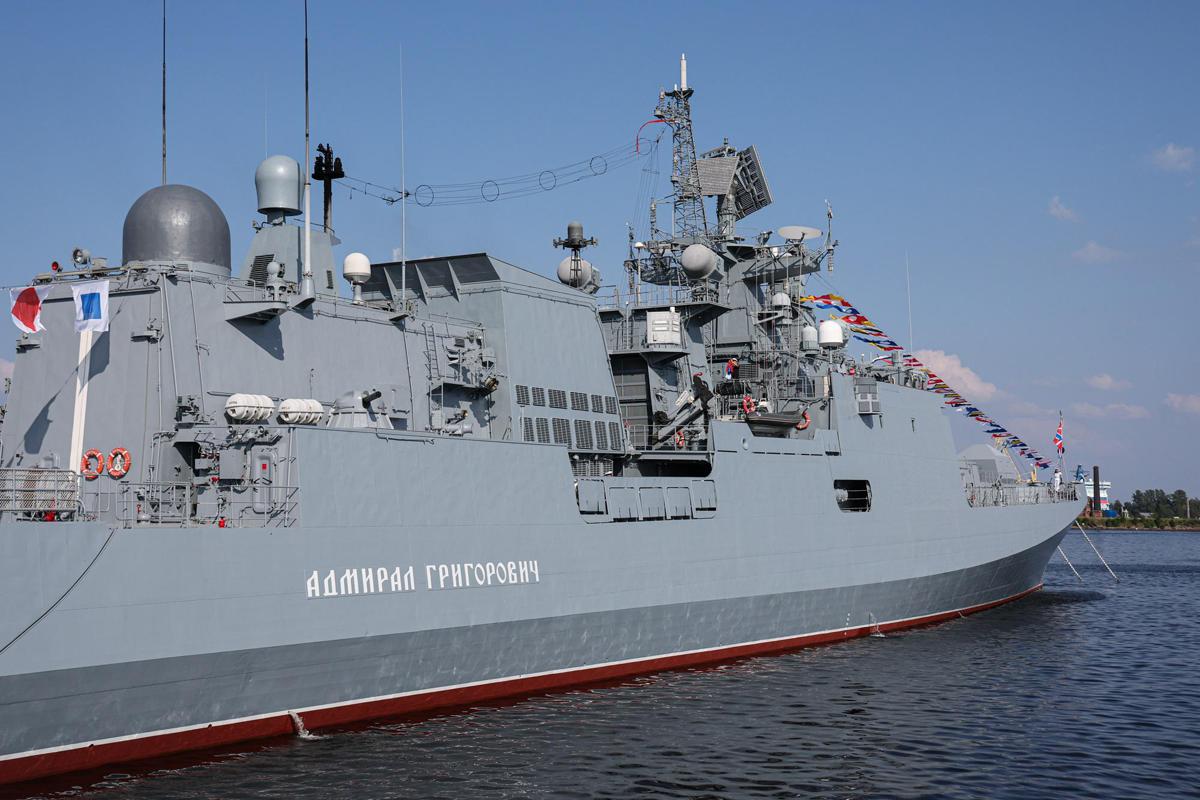
Russian warship fires warning shots near British yacht in the Channel
16 Giugno 2026
Warning shots from a Russian frigate reportedly landed within 500 meters of a British yacht in the English Channel, prompting...
Read More
Trump and Putin Share War Logic as Ukraine Talks Stall
16 Giugno 2026
A New York Times analysis draws parallels between Donald Trump and Vladimir Putin, arguing both leaders approach war as a...
Read More
(Photo: © AndKronos)