
International-News
Iran Military Options Move to the Forefront as Diplomacy Falters
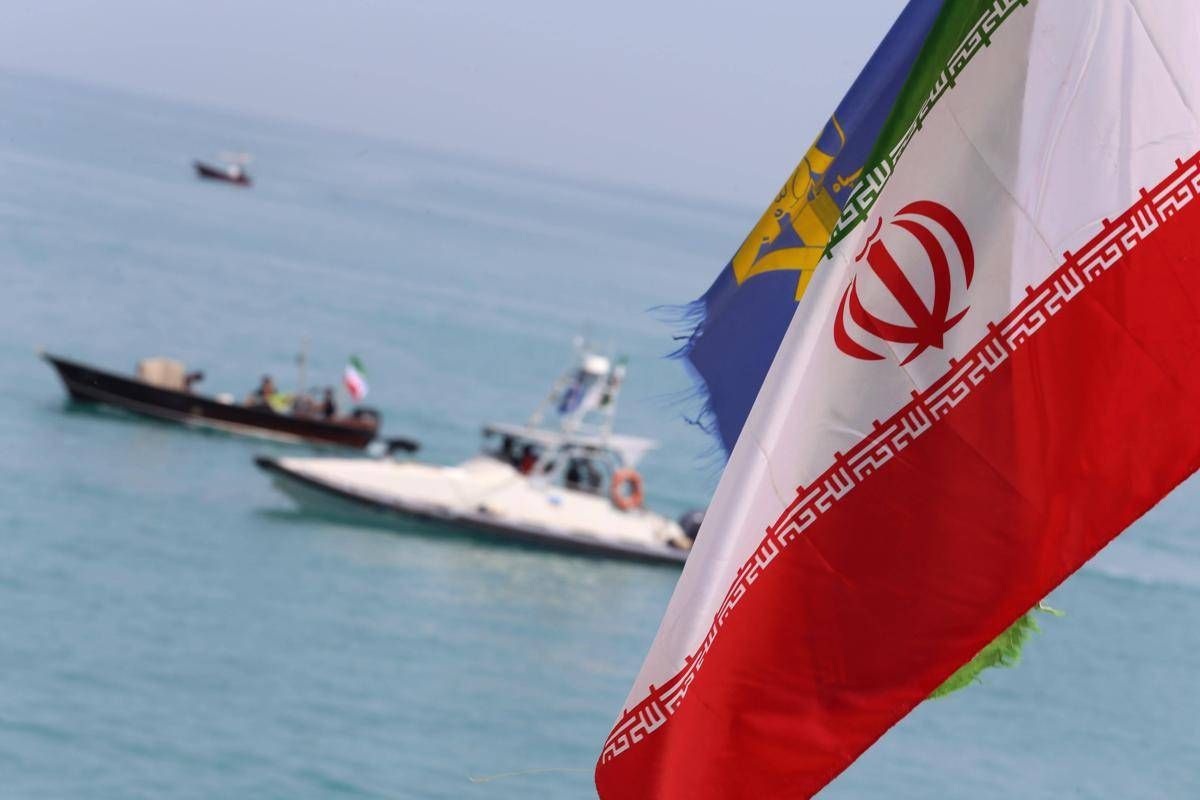
A report that U.S. military planners are prepared for possible action against Iran has exposed a growing divide in Washington over how to confront Tehran, while indirect talks remain deadlocked and Iranian officials warn of severe consequences if conflict eruts
The most consequential development in the standoff between Washington and Tehran is no longer what is happening at the negotiating table, but what may happen if diplomacy ultimately fails.
According to a report by The New York Times, U.S. Central Command has completed plans for a potential attack on Iran that could be executed as early as Nov. 4, following the conclusion of the U.S. midterm elections. The report paints a picture of an administration wrestling with a fundamental strategic question: whether the Islamic Republic can be weakened only through military force or whether economic pressure alone could achieve the same objective.
That debate has become more urgent as diplomatic efforts continue without tangible progress.
Iranian Foreign Ministry spokesman Esmaeil Baghaei said recent contacts between Tehran and Washington ended without an agreement, underscoring the persistent gulf separating the two sides despite ongoing indirect discussions through mediators. Speaking in remarks reported by Al Jazeera and carried by the state news agency IRNA, Baghaei argued that Iran’s past experience with the United States leaves little reason for confidence in Washington’s diplomatic intentions.
The absence of a breakthrough is particularly significant because it coincides with reports that military contingencies are no longer a theoretical exercise. While some officials in Washington reportedly believe only direct military action can seriously damage the Iranian regime, others favor intensifying economic pressure, including measures linked to the Strait of Hormuz, whose strategic importance makes it one of the world’s most critical energy corridors.
Tehran’s public response suggests it is preparing for both tracks simultaneously.
Baghaei said Iran remains committed to pursuing diplomacy whenever doing so serves the country’s interests and legitimate demands, while also insisting that Tehran is fully prepared to defend itself. He warned that any attack would be met with what he described as a “devastating response,” a message aimed at deterring military action even as diplomatic channels remain open.
The parallel signals from Washington and Tehran reveal a crisis entering a more precarious phase. Indirect talks have not collapsed, but neither have they produced results. Military planning reportedly continues in the background, economic pressure remains under consideration, and Iranian officials are openly signaling that any confrontation would carry significant regional consequences.
For now, diplomacy survives. Yet the emerging reality on both sides is that contingency planning, deterrence and warnings of retaliation are increasingly occupying the space where negotiations have so far failed to deliver a resolution.
(Photo: © AndKronos)



Midterm Voters Turn Election Into a Referendum on Trump, NBC Exit Poll Finds
Economic anxiety and frustration over persistent inflation helped shape the electorate, with a striking share of voters casting their ballots...
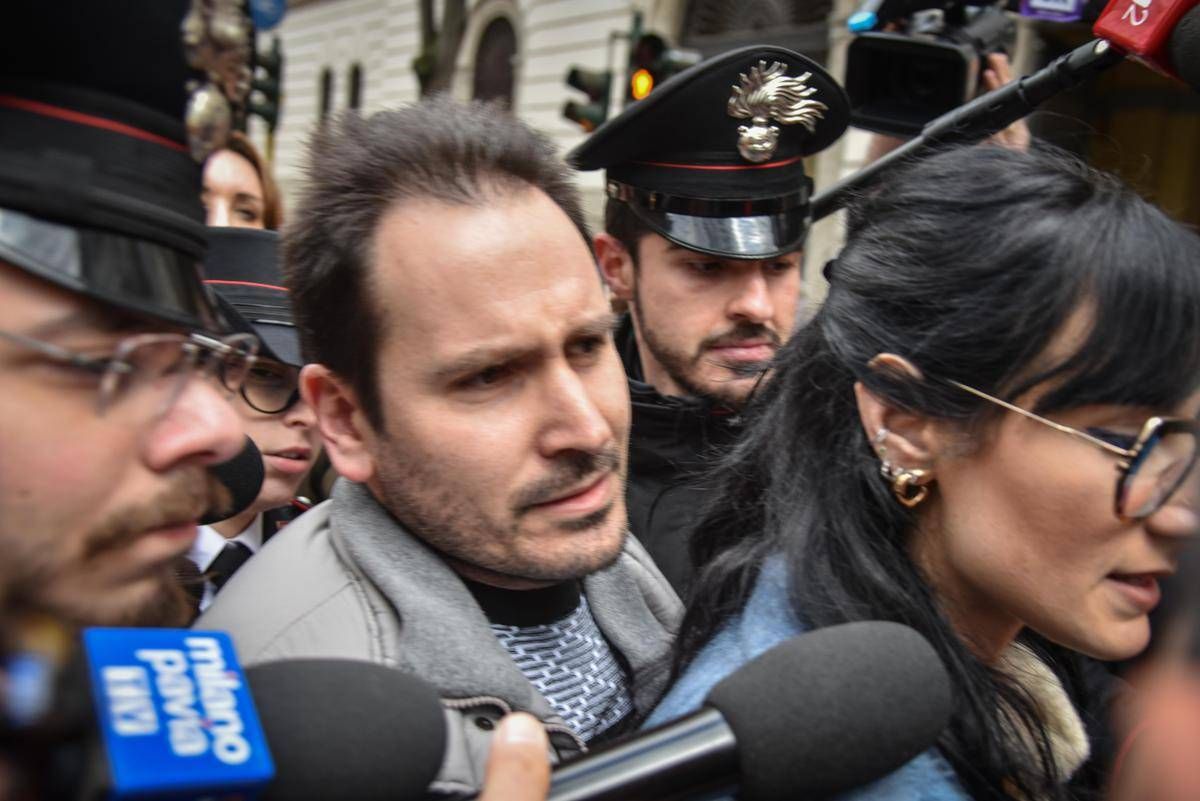
Garlasco, Sempio prepara la prima mossa: la difesa punta sulla Consulta
Gli avvocati contestano la possibilità di celebrare un nuovo processo per l’omicidio di Chiara Poggi mentre Alberto Stasi è ancora...


Wall Street Drifts Into Midterm Night as Investors Await Clarity
A late-session push in technology shares lifted the Nasdaq and helped the broader market finish higher, but investors remained reluctant...

CNN Voter Poll Signals Mounting Backlash Against Trump’s Leadership
A sweeping voter survey conducted alongside the midterm elections paints a bleak picture for the president, with widespread dissatisfaction over...


Westchester Voting Machine Problems Spark Fraud Claims in Key Mike Lawler Contest
Election officials in one of New York’s most closely watched congressional battlegrounds are urging voters not to be discouraged by...


Obama and Harris Make Late Push for Abdul El-Sayed in Michigan Senate Fight
With control of the Senate hanging on a handful of closely contested races, Democrats are deploying two of the party’s...
Iran Military Options Move to the Forefront as Diplomacy Falters
A report that U.S. military planners are prepared for possible action against Iran has exposed a growing divide in Washington...

Delitto di Garlasco, chiesto il processo per Andrea Sempio
La Procura di Pavia contesta l’omicidio aggravato dalla crudeltà e dai motivi abietti per la morte di Chiara Poggi. La...

Caso David Rossi, i carabinieri cercano l’uomo al telefono nella foto
La Commissione d’inchiesta invierà oltre 200 scatti alle procure e affiderà al comando provinciale di Siena l’identificazione della persona immortalata...
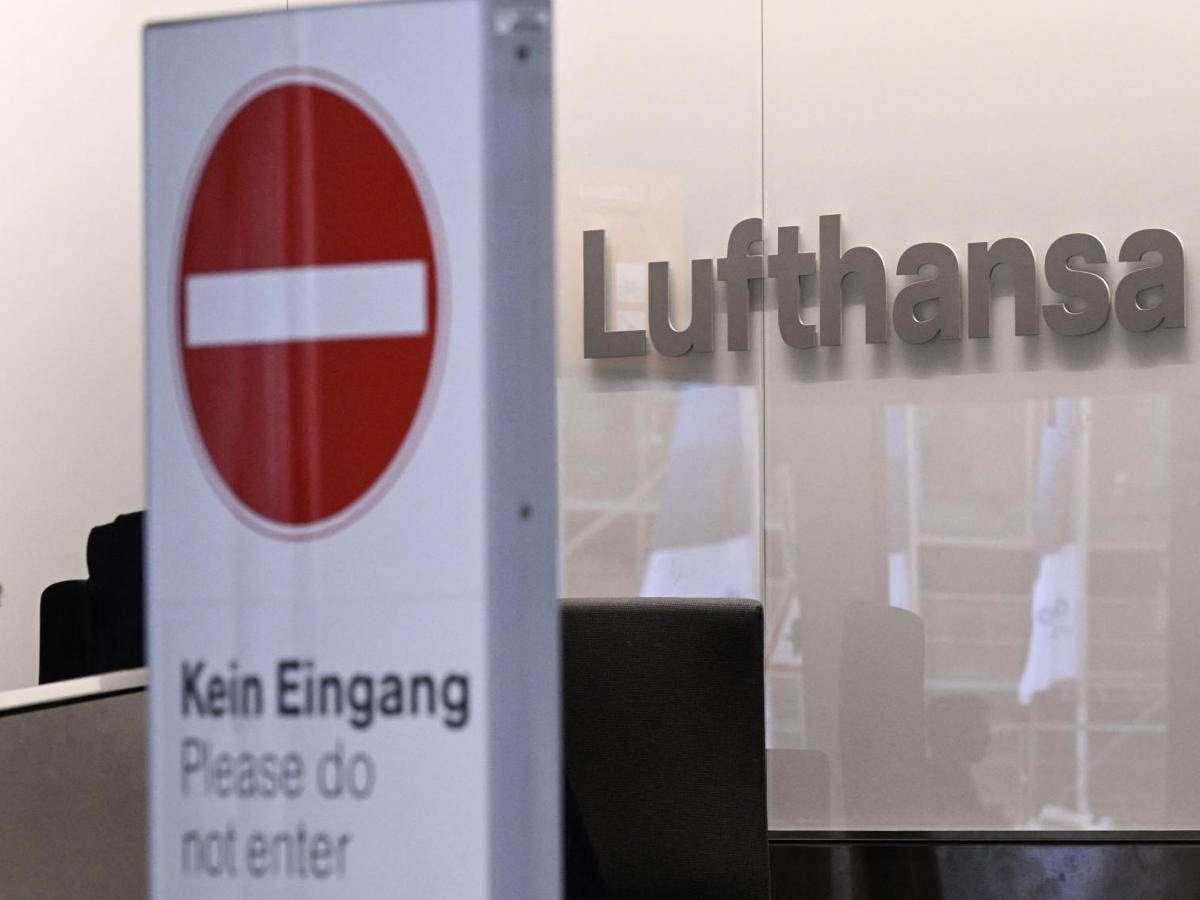
Lufthansa Warns of Double-Digit Fare Hikes as Fuel Shock Hits Europe’s Largest Airline
A surge in fuel costs linked to the Middle East conflict is reshaping the economics of air travel, forcing Lufthansa...
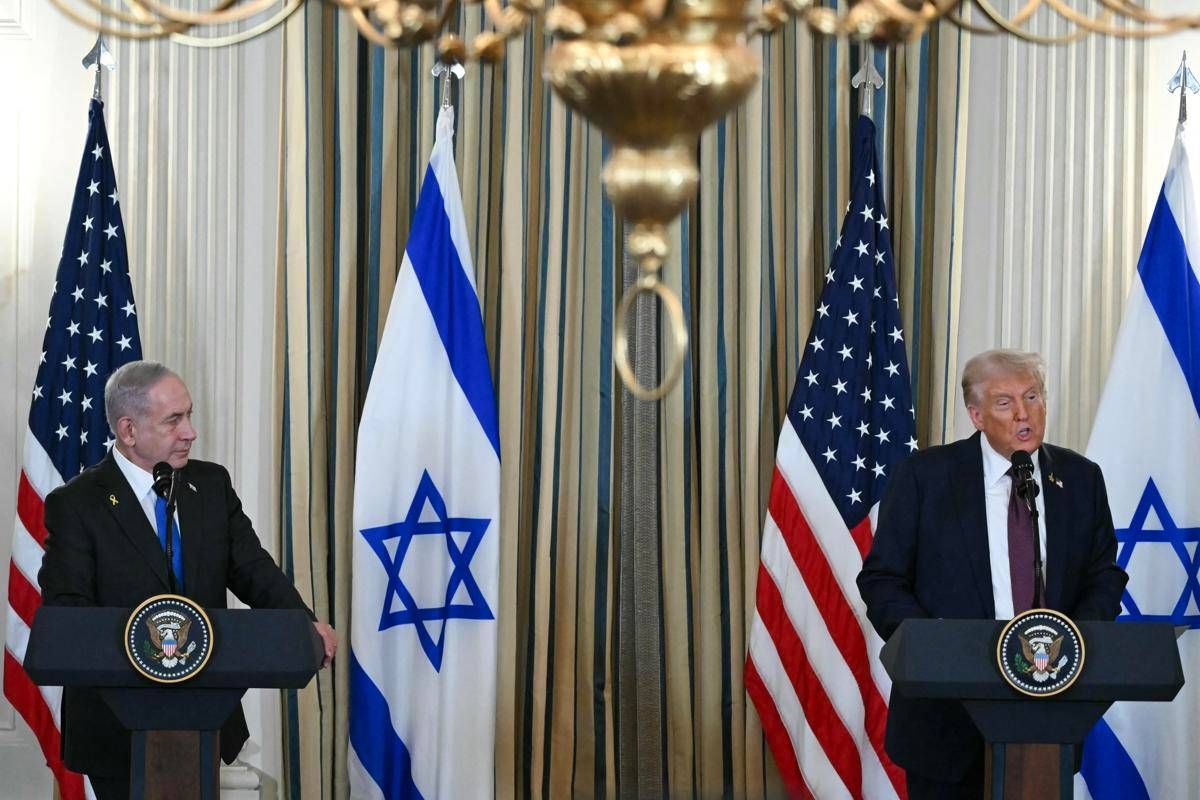
Trump Says U.S. Will End Israel Funding as Opposition Seeks to Oust Netanyahu
The U.S. president says an agreement with Benjamin Netanyahu will bring American funding to Israel to an end by year’s...
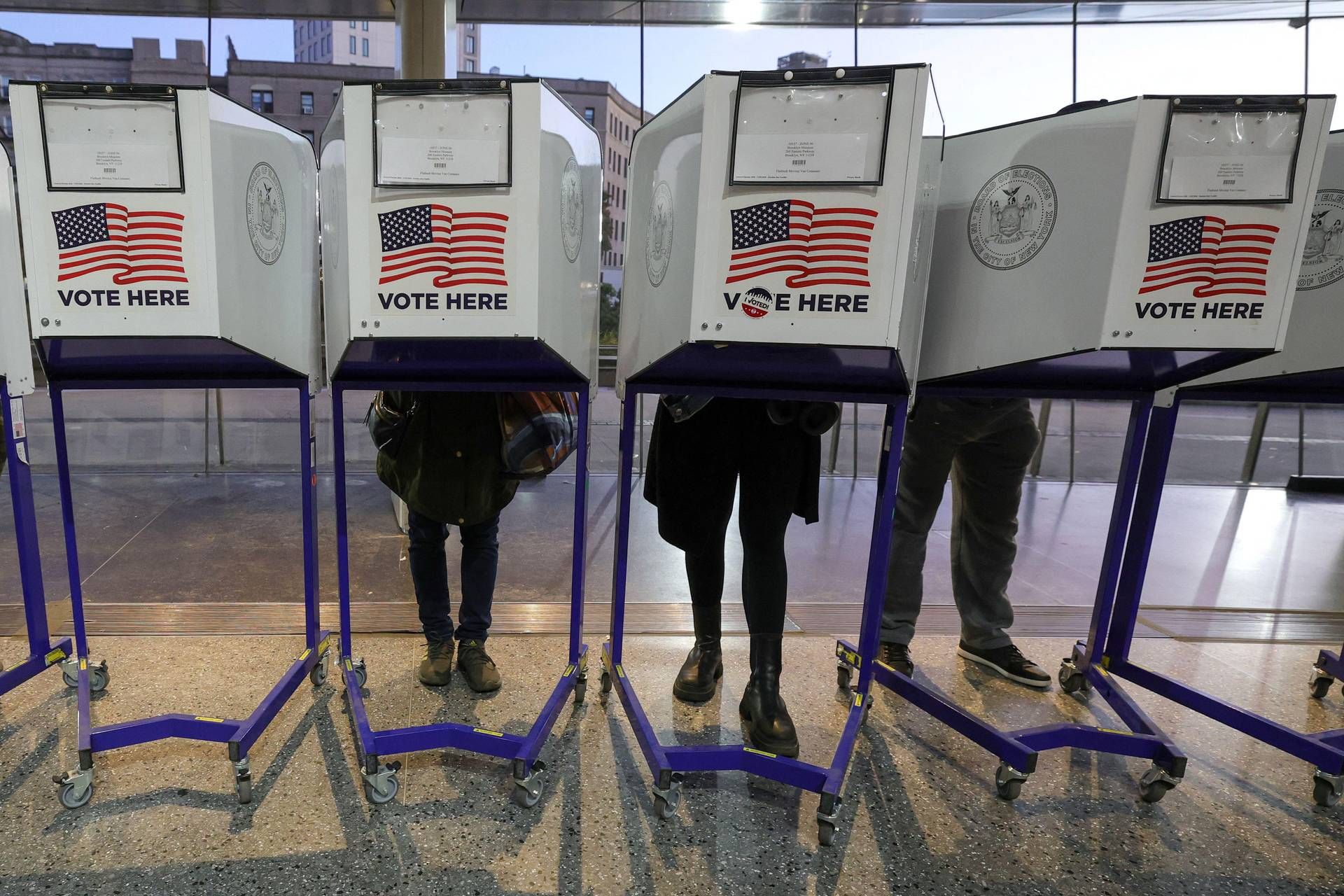
Midterm Elections 2026 Put Trump’s Washington on the Ballot
With control of Congress, dozens of governorships and the trajectory of Donald Trump’s presidency at stake, voters across the United...


Bollette del gas, record storico a ottobre: aumento del 9,1%
Arera fissa a 88,36 euro al MWh il prezzo della materia prima per i clienti vulnerabili. La spesa annua stimata...
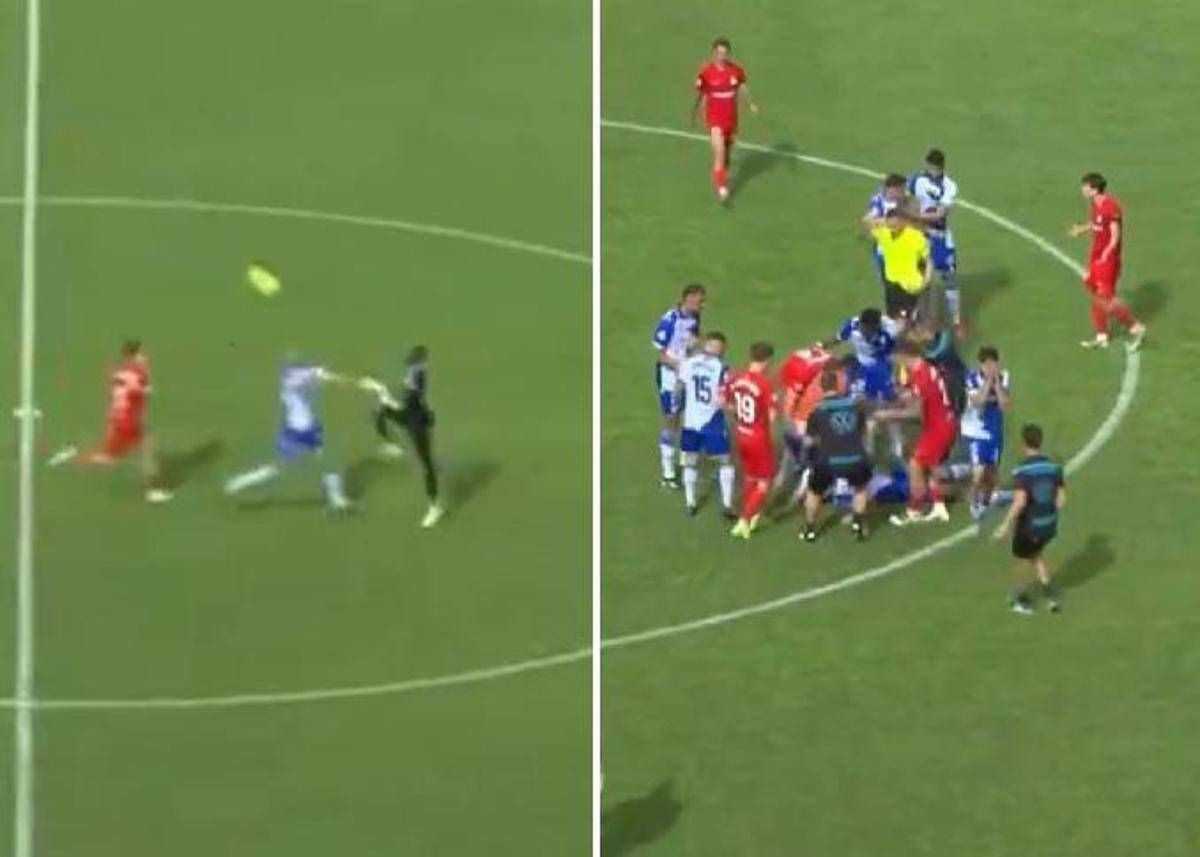
Travolto dal portiere in campo, morto Jesus De Miguel
L’attaccante aveva riportato un arresto cardiocircolatorio dopo il violento impatto al torace. Nelle ore precedenti il Tenerife aveva segnalato un...

Chiari, 21enne uccide la madre a coltellate e si costituisce
Il delitto nella casa di famiglia, in provincia di Brescia. Dopo la fuga, il giovane si è presentato ai carabinieri...
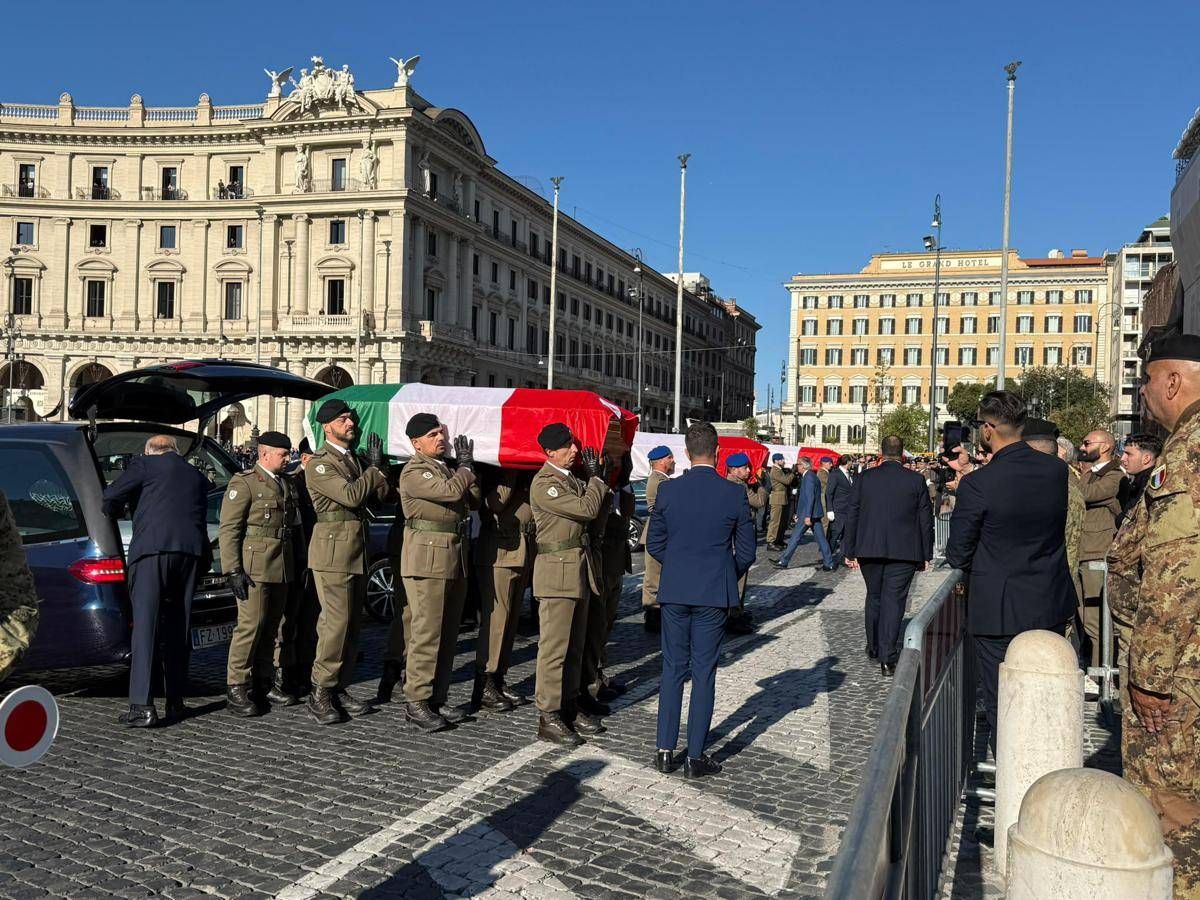
Incidente elicottero in Bosnia, Roma celebra i funerali solenni: Mattarella e Meloni alle esequie
I quattro militari sono morti il 29 ottobre nello schianto dell’elicottero impegnato nella missione internazionale Eufor Althea Quattro feretri avvolti...
You must be logged in to post a comment Login