
International-News
Lufthansa Warns of Double-Digit Fare Hikes as Fuel Shock Hits Europe’s Largest Airline
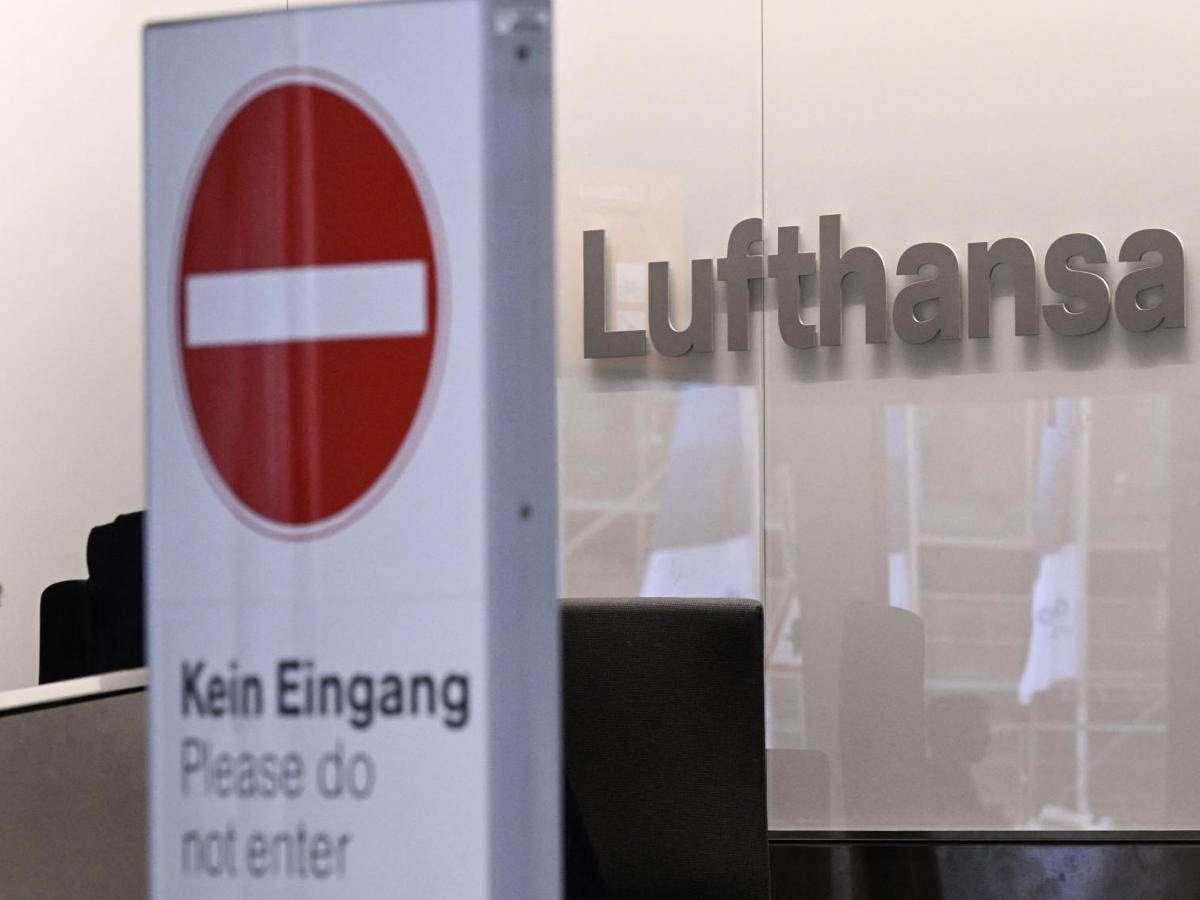
A surge in fuel costs linked to the Middle East conflict is reshaping the economics of air travel, forcing Lufthansa to prepare passengers for significantly higher fares even as demand remains strong and earnings continue to grow
The era of post-pandemic fare normalization appears to be ending.
Europe’s largest airline group by revenue warned Tuesday that travelers should expect substantially higher ticket prices as escalating fuel costs driven by the Middle East conflict ripple through the aviation industry, adding billions of euros to carriers’ expenses and threatening to squeeze profits despite robust demand.
Lufthansa said its fuel bill is now expected to reach €9.3 billion in 2026, roughly €2 billion higher than a year earlier, reflecting the impact of an energy market disrupted by months of geopolitical turmoil. The company’s revised outlook follows similar warnings from other airlines, including Ryanair, as carriers increasingly acknowledge that higher operating costs will ultimately be borne by passengers.
“The increase in kerosene costs will have to be passed on to customers,” Chief Financial Officer Till Streichert told reporters after the group reported quarterly results that exceeded expectations. “Ticket prices will see a double-digit increase next year.”
The warning underscores how a conflict initially viewed through a geopolitical lens is increasingly being felt in household budgets and corporate travel spending. Since February, the near-total closure of the Strait of Hormuz, one of the world’s most important energy corridors, has driven up global oil and gas costs, pushing aviation fuel higher and removing one of the industry’s key advantages as demand recovered.
While Lufthansa has sought to shield itself from market volatility through extensive hedging, management made clear that protection has limits. More than 80% of the group’s fuel needs for 2026 have already been hedged, while over 60% of projected fuel costs for 2027 are likewise covered. Even so, the company expects fuel expenses to rise further next year.
Streichert said the outlook could still improve if geopolitical tensions ease, but current forecasts assume a significantly more expensive operating environment than management anticipated only a few months ago.
The higher fuel burden has already prompted Lufthansa to trim its earnings expectations. The group now forecasts operating profit for 2026 of between €1.7 billion and €2.0 billion, narrowing its previous guidance, which envisioned a possible result as high as €2.2 billion.
Yet the revised outlook was delivered alongside one of the strongest quarterly performances in the company’s recent history.
Net profit rose 30% in the July-through-September period to €1.26 billion, supported by resilient demand for premium travel on routes connecting Europe with Asia and North America. Revenue climbed 9% year over year to €12.2 billion.
One of the quarter’s standout performers was Lufthansa Cargo, whose operating profit tripled amid growing demand for shipments related to the rapid expansion of artificial intelligence infrastructure. Chief Executive Carsten Spohr said deliveries of equipment destined for data centers played a key role in the division’s performance as investment in AI capacity accelerates globally.
Not every business unit shared in the gains. Lufthansa’s core passenger airline saw operating profit decline, weighed down in part by strikes involving both cabin crew and pilots.
Nevertheless, Spohr described the latest quarter as the strongest in the company’s history from a revenue perspective.
“Thanks to higher revenue, consistently strong demand and strict cost discipline, we were able to largely offset the approximately half-billion-euro increase in fuel costs,” he said.
The results highlight a growing divide within the industry. Passenger demand remains strong, premium cabins continue to perform well and airlines are generating healthy revenue. But a sustained energy shock is beginning to reshape pricing strategies across the sector, leaving carriers increasingly reliant on fare increases to protect profitability.
For travelers, the message from Lufthansa is straightforward: demand may be holding up, but the cost of flying is heading higher.
(Photo: © AndKronos)



Midterm Voters Turn Election Into a Referendum on Trump, NBC Exit Poll Finds
Economic anxiety and frustration over persistent inflation helped shape the electorate, with a striking share of voters casting their ballots...

Garlasco, Sempio prepara la prima mossa: la difesa punta sulla Consulta
Gli avvocati contestano la possibilità di celebrare un nuovo processo per l’omicidio di Chiara Poggi mentre Alberto Stasi è ancora...


Wall Street Drifts Into Midterm Night as Investors Await Clarity
A late-session push in technology shares lifted the Nasdaq and helped the broader market finish higher, but investors remained reluctant...


CNN Voter Poll Signals Mounting Backlash Against Trump’s Leadership
A sweeping voter survey conducted alongside the midterm elections paints a bleak picture for the president, with widespread dissatisfaction over...


Westchester Voting Machine Problems Spark Fraud Claims in Key Mike Lawler Contest
Election officials in one of New York’s most closely watched congressional battlegrounds are urging voters not to be discouraged by...


Obama and Harris Make Late Push for Abdul El-Sayed in Michigan Senate Fight
With control of the Senate hanging on a handful of closely contested races, Democrats are deploying two of the party’s...
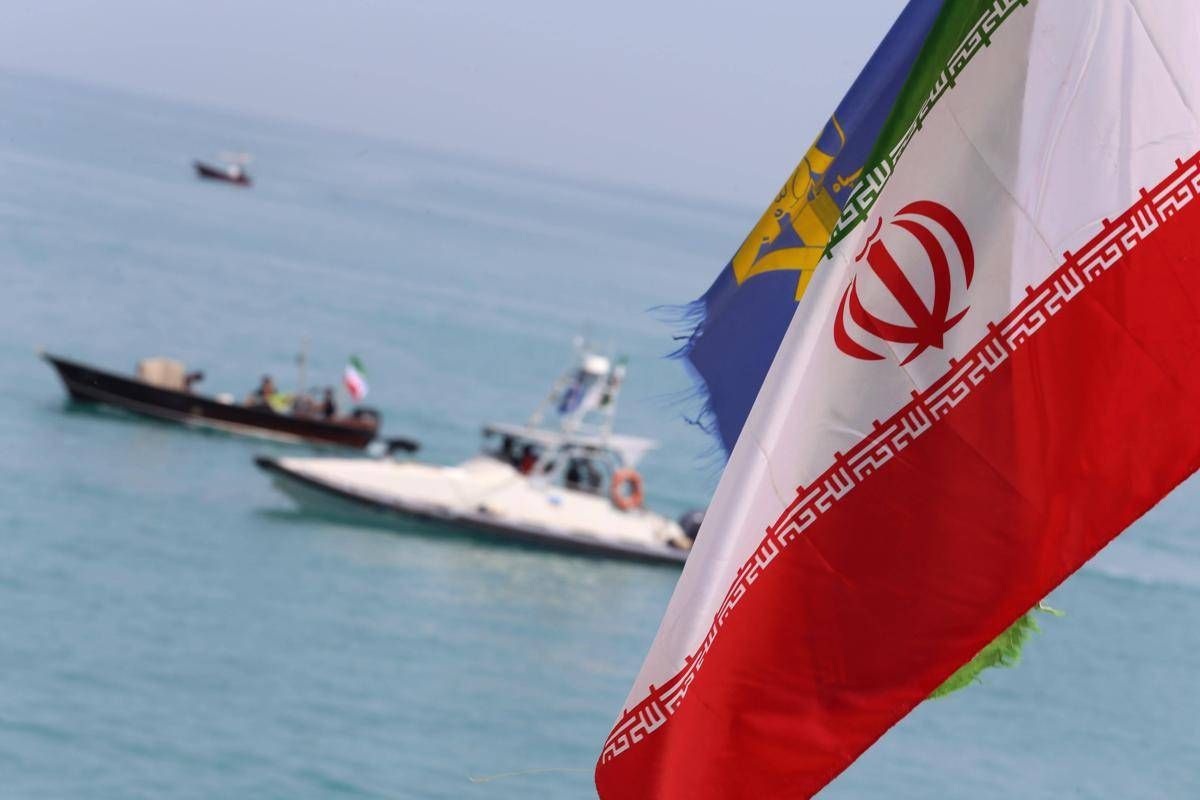
Iran Military Options Move to the Forefront as Diplomacy Falters
A report that U.S. military planners are prepared for possible action against Iran has exposed a growing divide in Washington...

Delitto di Garlasco, chiesto il processo per Andrea Sempio
La Procura di Pavia contesta l’omicidio aggravato dalla crudeltà e dai motivi abietti per la morte di Chiara Poggi. La...

Caso David Rossi, i carabinieri cercano l’uomo al telefono nella foto
La Commissione d’inchiesta invierà oltre 200 scatti alle procure e affiderà al comando provinciale di Siena l’identificazione della persona immortalata...
Lufthansa Warns of Double-Digit Fare Hikes as Fuel Shock Hits Europe’s Largest Airline
A surge in fuel costs linked to the Middle East conflict is reshaping the economics of air travel, forcing Lufthansa...

Trump Says U.S. Will End Israel Funding as Opposition Seeks to Oust Netanyahu
The U.S. president says an agreement with Benjamin Netanyahu will bring American funding to Israel to an end by year’s...
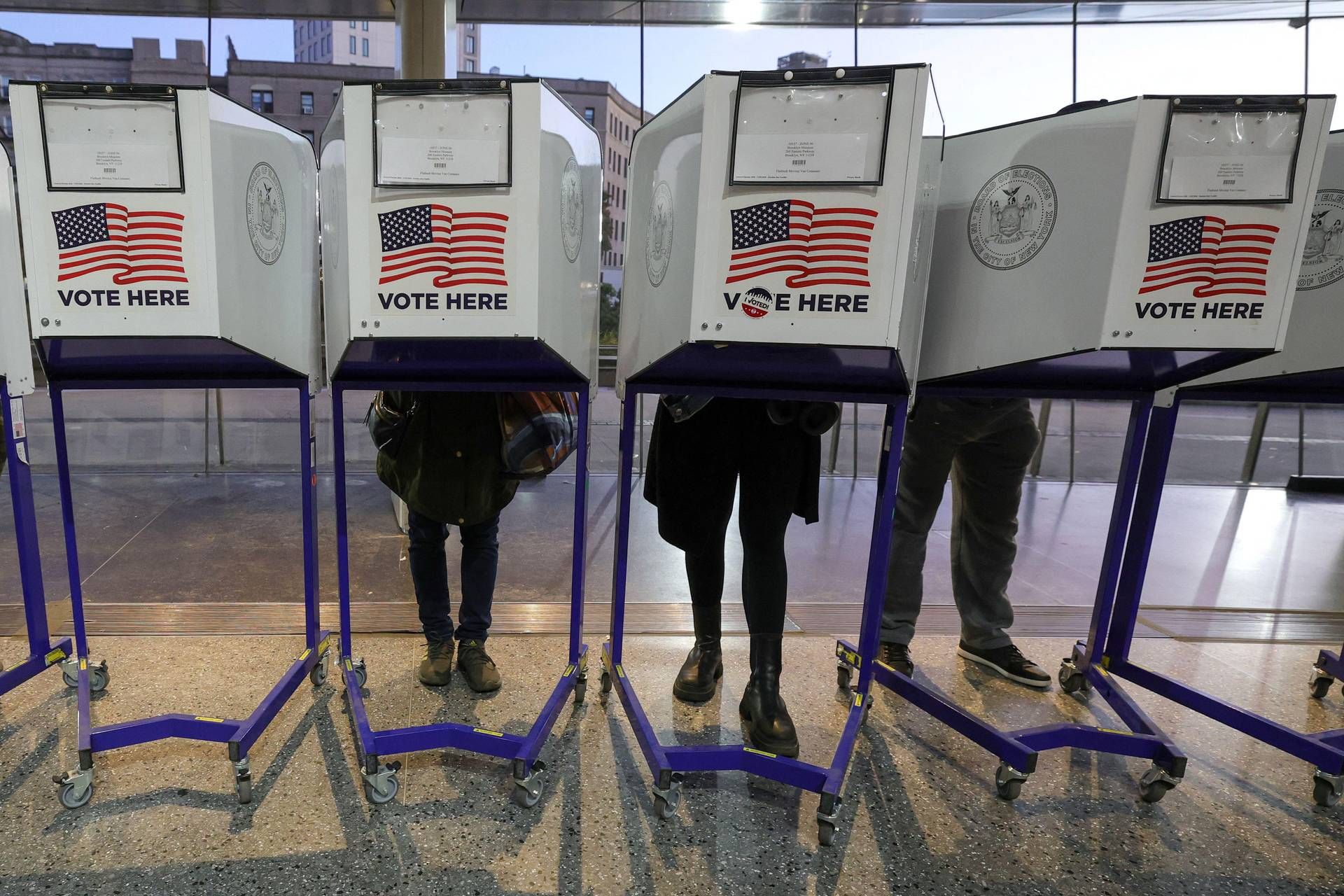
Midterm Elections 2026 Put Trump’s Washington on the Ballot
With control of Congress, dozens of governorships and the trajectory of Donald Trump’s presidency at stake, voters across the United...


Bollette del gas, record storico a ottobre: aumento del 9,1%
Arera fissa a 88,36 euro al MWh il prezzo della materia prima per i clienti vulnerabili. La spesa annua stimata...

Travolto dal portiere in campo, morto Jesus De Miguel
L’attaccante aveva riportato un arresto cardiocircolatorio dopo il violento impatto al torace. Nelle ore precedenti il Tenerife aveva segnalato un...
Chiari, 21enne uccide la madre a coltellate e si costituisce
Il delitto nella casa di famiglia, in provincia di Brescia. Dopo la fuga, il giovane si è presentato ai carabinieri...

Incidente elicottero in Bosnia, Roma celebra i funerali solenni: Mattarella e Meloni alle esequie
I quattro militari sono morti il 29 ottobre nello schianto dell’elicottero impegnato nella missione internazionale Eufor Althea Quattro feretri avvolti...
You must be logged in to post a comment Login