
International-News
Arab Parties Position Themselves as Kingmakers in Bid to Oust Netanyahu
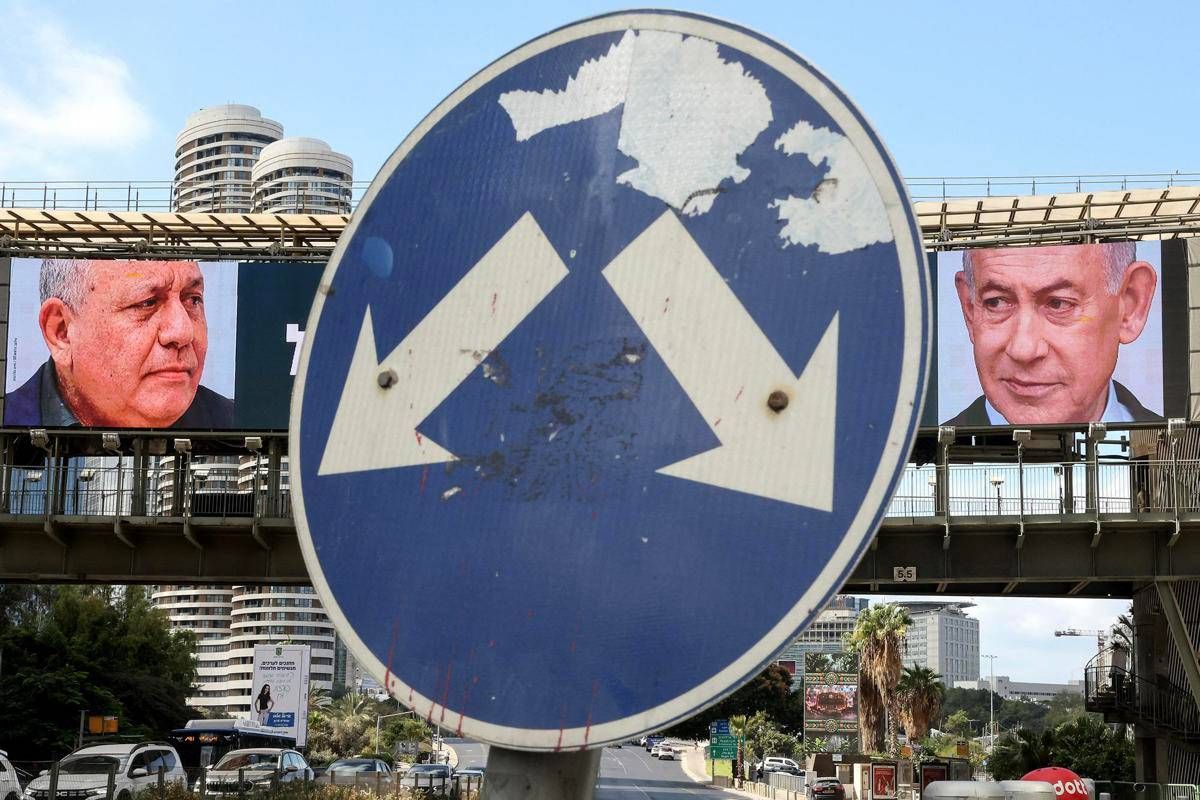
Support from Israel’s Arab political factions could prove decisive in determining whether former military chief Gadi Eisenkot can assemble an alternative governing majority, as President Isaac Herzog begins consultations aimed at ending the country’s latest political stalemate
The battle over who governs Israel is increasingly shifting away from the ballot box and into the hands of Arab lawmakers.
As President Isaac Herzog prepares to begin consultations on forming a new government, two Arab political factions, the Joint List and Ra’am, are expected to support former Israel Defense Forces chief Gadi Eisenkot for prime minister, according to reports cited by Walla. If confirmed, the move would elevate the Arab parties from opposition players to potential kingmakers in the effort to build a coalition capable of replacing Benjamin Netanyahu.
The emerging alignment underscores a central reality of the post-election landscape: no viable alternative government appears possible without some level of Arab parliamentary support. While neither party is expected to join a governing coalition, both could provide the votes necessary to sustain one.
Herzog is scheduled to receive the official election results Wednesday from Central Elections Committee Chairman Noam Solberg before opening consultations with party representatives. The process will determine which political figure receives the mandate to attempt to form a government.
Speaking during a memorial ceremony for Israel’s first president, Chaim Weizmann, Herzog signaled the urgency of the moment. The president said the presidential residence would be open to all parties and lists participating in the consultations, while urging political leaders to seek “creative solutions” that could spare the country another election.
The appeal reflects the continuing difficulty of producing a stable governing majority after years of recurring political deadlock.
For the Joint List, the path appears increasingly clear. Party leader Ahmad Tibi has ruled out entering the government but has indicated a willingness to support it from outside the coalition if specific commitments are made. Rather than obstruct coalition negotiations, he said, the party intends to facilitate the formation of a government.
That support, however, comes with conditions. Tibi has identified efforts to combat crime in Arab communities and the recognition of Bedouin villages among the priorities his party wants addressed before extending parliamentary backing.
The Joint List has also taken steps designed to reassure potential coalition partners about government stability. The party has announced it will not introduce legislation to dissolve the Knesset and will oppose any constructive no-confidence motions brought by Likud against a new administration. Tibi has also voiced support for replacing current Knesset Speaker Amir Ohana.
Taken together, those positions amount to more than tactical parliamentary maneuvering. They signal a readiness by Arab lawmakers to play an active role in shaping the next government while remaining outside its formal structures.
Whether that will be enough to propel Eisenkot into office remains uncertain. The coming consultations will test the willingness of Israel’s fractured political parties to compromise after an election that once again failed to produce a clear governing majority.
What is already becoming clear, however, is that the search for a post-Netanyahu government may depend less on the country’s largest parties than on the support of Arab factions whose influence has suddenly become indispensable to Israel’s political future.
(Photo: © AndKronos)


Moss Landing Shooting Leaves Multiple Dead as California Investigators Search for Answers
Authorities have released few details about the gunfire near Monterey Bay, but the incident has already become the latest in...

Meteo, piogge e neve sull’Appennino: nuovo peggioramento dal 5 novembre
Il calo delle temperature porterà le massime fino a 4-6 gradi sotto i valori recenti. Le precipitazioni interesseranno soprattutto Centro-Sud...

Hamilton Questions Leclerc’s Team Commitment After Ferrari Flashpoint
The seven-time champion says Ferrari lost more than a race in Mexico, arguing that an internal battle with Charles Leclerc...

Bussolengo, accusato di aver ucciso la moglie con l’insulina: non risponde al gip
Nadir Rossi, 35 anni, è detenuto a Verona per l’omicidio premeditato e pluriaggravato di Jessica Dalla Chiara. Respinta la richiesta...


Truffe del pellet, l’inchiesta Adnkronos: così agiscono i siti falsi
Le offerte ingannevoli si moltiplicano con i primi freddi. Prezzi troppo bassi, bonifici a persone fisiche e richieste di pagamento...

Varsavia teme incursioni dalla Russia: rafforzata la sicurezza a Kaliningrad
L’intelligence polacca e le agenzie alleate hanno segnalato possibili tentativi di attraversamento del confine da parte di gruppi armati Gruppi...

Ryanair anticipa la chiusura del check-in bagagli: cosa cambia
Non sarà più possibile consegnare il bagaglio in stiva fino a 40 minuti prima del decollo: il nuovo limite scatterà...
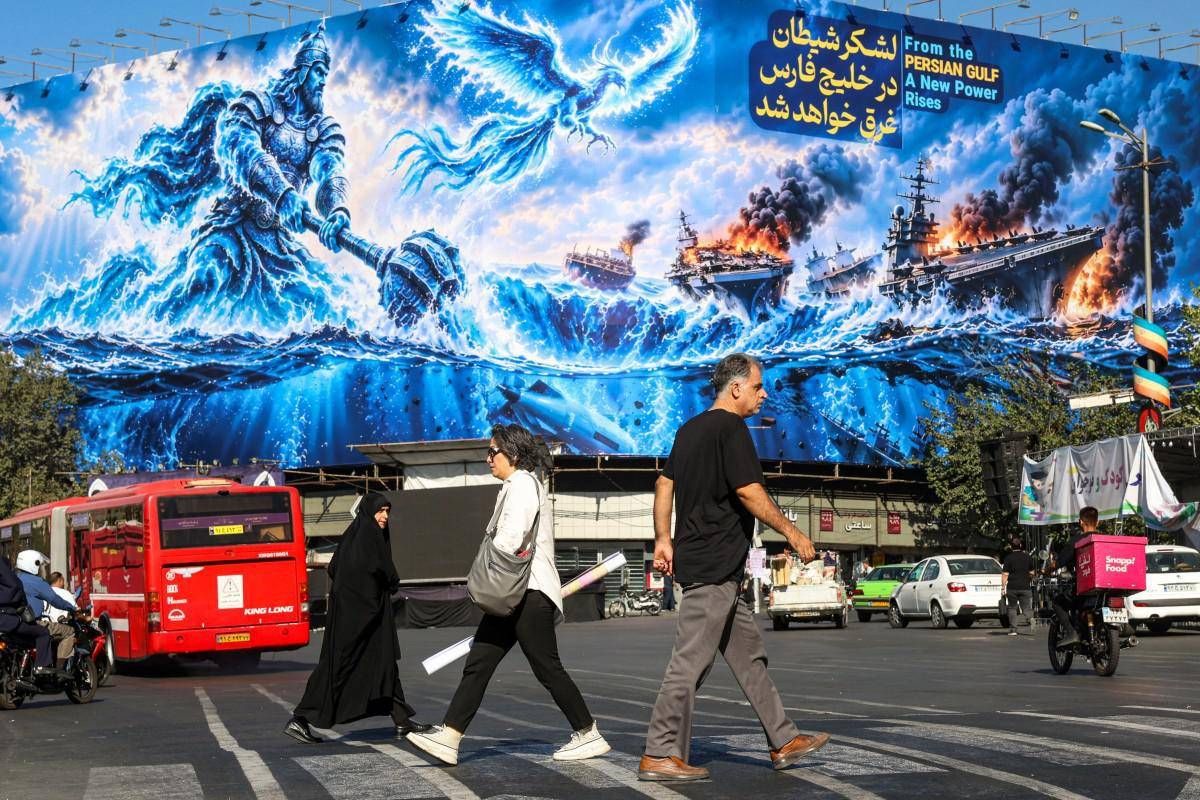
Iran’s Strait of Hormuz Plan Raises the Stakes for U.S. Diplomacy
Tehran says one of the world’s most critical shipping corridors can reopen within 48 hours, but only if Washington first...

Iran, proposta agli Usa: Hormuz riapre in 48 ore se accettano le condizioni
Teheran chiede la revoca delle sanzioni, il ripristino delle esenzioni petrolifere e una riduzione della presenza militare americana nella regione...

Jet Crashes Near Mar-a-Lago, Killing Nine in Seconds-Long Descent VIDEO
A private jet heading to the Bahamas plunged into a South Florida neighborhood after its crew reported severe weather, icing...

Private Jet Crash Near Mar-a-Lago Leaves Nine Dead After Crew’s Final Plea
A Learjet en route from Texas to the Bahamas plunged into a South Florida neighborhood after pilots reported severe weather,...

Calenda annuncia: «Azione correrà da sola alle prossime elezioni»
Esclusa l’adesione alle due coalizioni, il leader punta a costruire una lista centrista capace di incidere sulla formazione del governo...

Kherson, finita la tregua di Oleshky: un drone russo ferisce due civili
La pausa umanitaria, durata sei giorni, si è conclusa il 1° novembre. Colpita un’auto nel quartiere di Korabelny La ripresa...
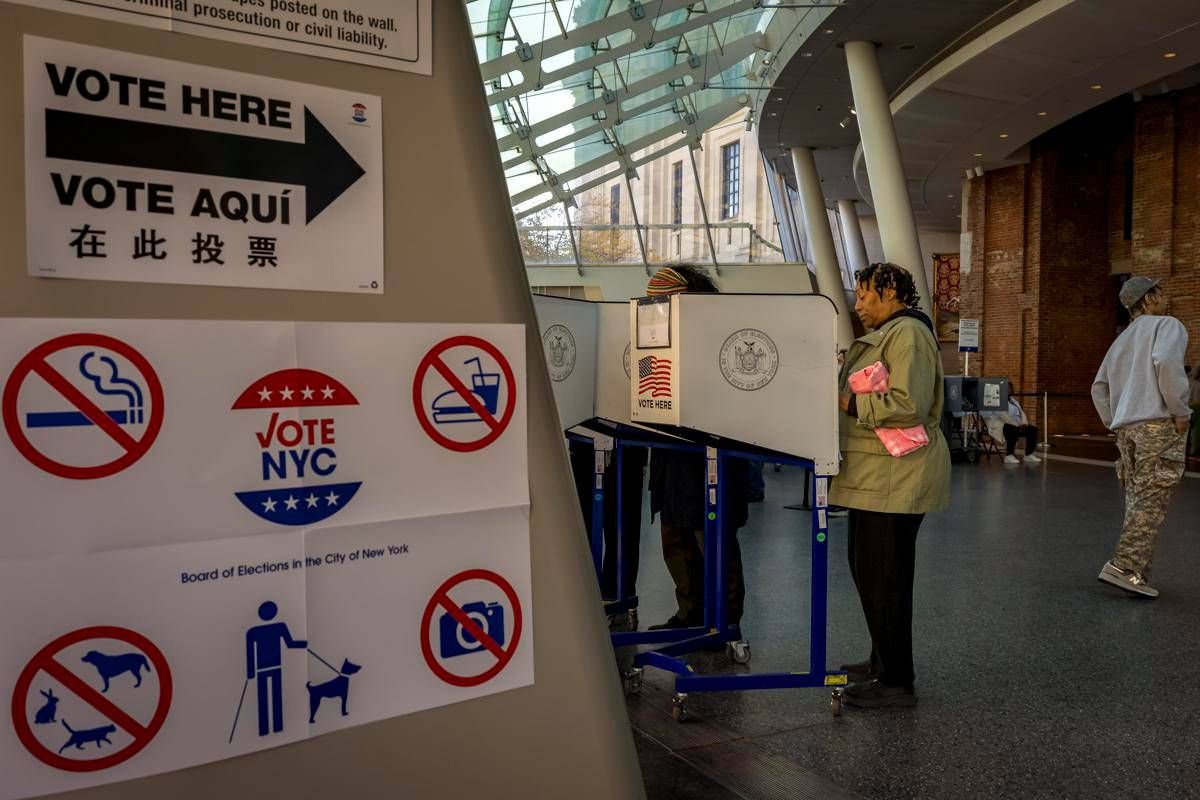
Governors, Not Congress, May Hold the Biggest Prize of the Midterms
Thirty-six states are electing governors, and the results could shape far more than local politics. With Democrats eyeing gains in...
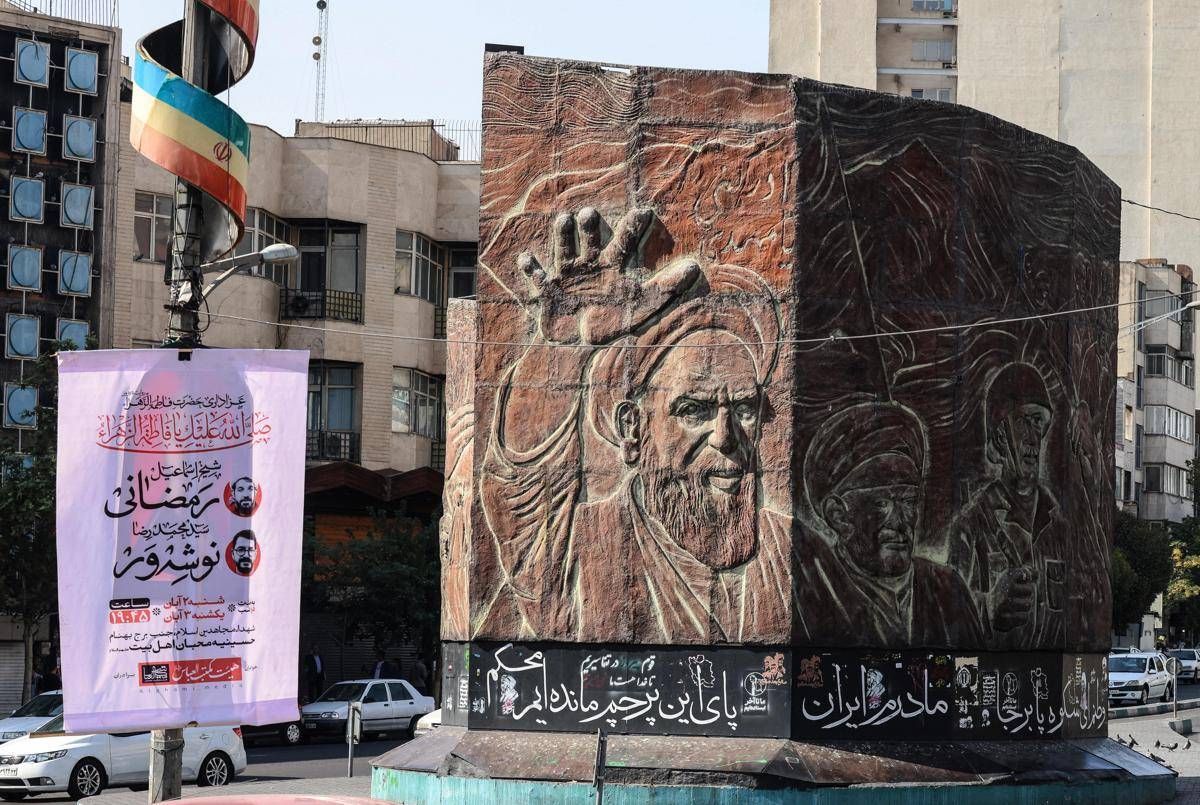
La trattativa tra Iran e Stati Uniti resta appesa alle richieste di Teheran
Nuovi attacchi in Iran, Trump rinvia ogni decisione dopo il voto del 3 novembre e lascia spazio ai negoziati. Netanyahu...

Spagna, identificate 2 italiane tra le vittime dell’incidente ferroviario
Ana Martina Conte Grand e Daniela Milan Parlanti risultavano disperse dopo lo scontro tra i due treni a Urda Il...