The Fort Hood killer deserves punishment for the Fort Hood massacre. Broadcasting his execution, however, would have turned justice into...
Read More
International-News
Argentina escalates Falkland dispute as Milei challenges UK sovereignty

London responds sharply after the Argentine president calls the Sea Lion oil project a threat and pushes new sanctions against companies operating around the islands
Argentina is once again pressing its claim over the Malvinas — the name Buenos Aires uses for the Falkland Islands, whose British sovereignty it has never recognized. President Javier Milei said “favorable winds” are blowing for Argentina’s position on the South Atlantic archipelago, prompting an immediate response from London.
“The Falkland Islands are British and will remain so,” UK Foreign Secretary Ed Miliband wrote on X, stressing that the islanders’ “clear and overwhelming” desire to remain British is protected by international law and the principle of self‑determination. Britain’s defense secretary echoed the message, saying Milei’s remarks “say more about Argentina’s domestic politics than about the Falklands,” and reaffirming that the islands “are British because their people choose to be British.”
The latest flare‑up follows Milei’s televised speech in which he described the Sea Lion offshore oil project — led by Israeli and British companies — as a threat to Argentina’s sovereignty and an attempt to strip natural resources from the Argentine people. He announced legislation to “tighten sanctions and penalties” against companies involved in unauthorized operations around the islands.
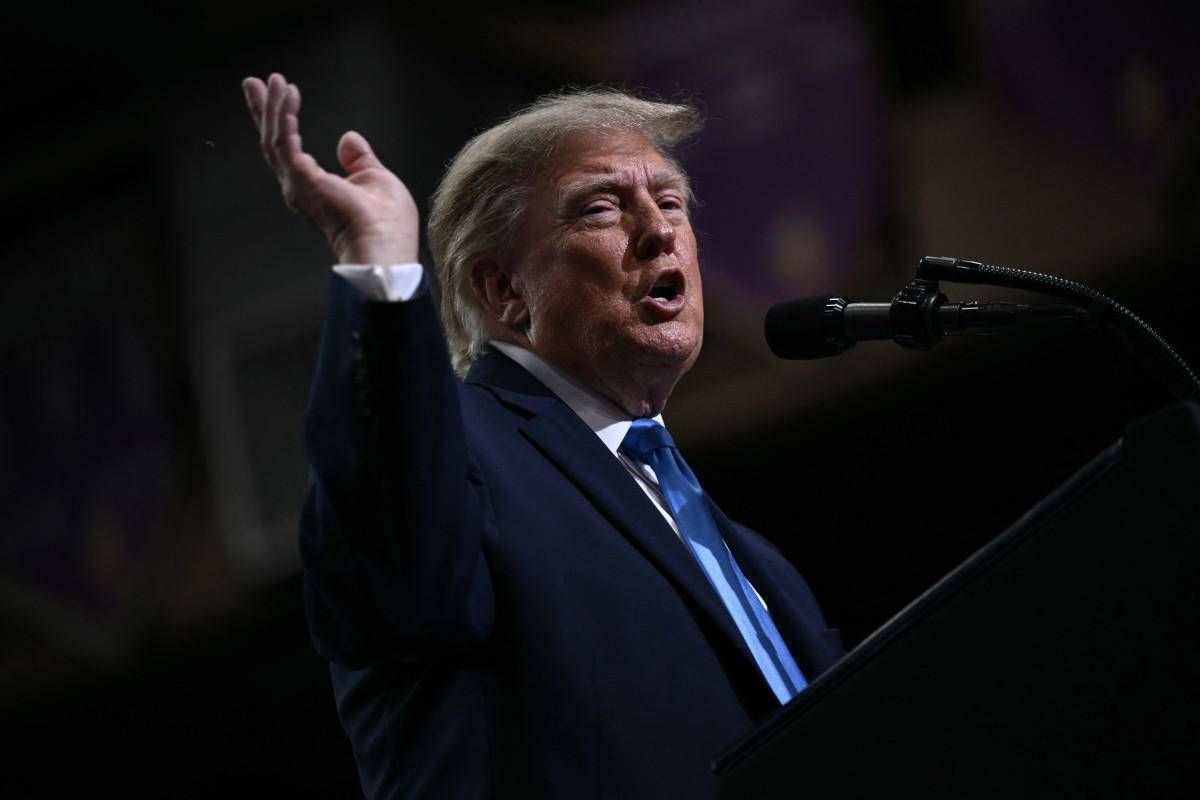
The announcement came just after U.S. President Donald Trump suggested Washington might reconsider its long‑standing neutrality and potentially decline to support the UK in a future conflict over the Falklands, criticizing London for not backing the United States in its war against Iran. The United States, like most Western countries, recognizes that the UK administers the islands but does not take a formal position on sovereignty.
The dispute has been on the UN agenda since 1965, when the General Assembly acknowledged the existence of a sovereignty conflict and urged a peaceful resolution. The issue remains sensitive more than four decades after the 1982 Falklands War, a 74‑day conflict that left 649 Argentines and 255 Britons dead.
In his speech, Milei said he would “ban companies directly or indirectly involved in projects in the Malvinas from operating in Argentina without authorization.” Firms, he warned, “must choose between an illegal gamble in a disputed territory and a profitable, predictable business in a sovereign country. They cannot do both.”
He also signed a decree to expand Argentina’s defense resources, prioritizing the construction of an “integrated naval base” in Tierra del Fuego and strengthening national telecommunications capabilities. “This base will make us the most important logistical hub in the South Atlantic and will be essential for Argentina’s geopolitical projection,” Milei said.
The president announced the creation of a National Security Council tasked with defining a mandatory, cross‑government security policy coordinating foreign affairs, defense, intelligence and the economy. He said he would ask Congress to grant the council the powers needed to respond with economic and diplomatic tools to state and non‑state actors that threaten national security.
“National security is not only the physical defense of our territory,” Milei argued. “It is what guarantees the survival and prosperity of the nation over time.” He said attracting investment, protecting the currency, strengthening the financial system and developing strategic resources are all matters of national security — as is “protecting the South Atlantic.”
Milei welcomed Trump’s recent comments, saying the United States is “evaluating this shift because they know Argentina is a reliable partner aligned with Western values and located in a strategically important position.” He reiterated that “the Malvinas are Argentine by history and by right,” claiming that the UK “occupied the islands in 1883, expelled Argentine authorities and imposed a colonial situation that continues today.” He argued that the islanders, being “a population settled on a usurped territory,” do not have a legitimate right to self‑determination and that any referendum held on the islands “is not valid.”
Today, the Falklands have about 3,600 residents and broad autonomy. The UK controls foreign policy and defense and maintains a military presence, including fighter aircraft. In a 2013 referendum, islanders voted overwhelmingly to remain a British territory.
THE LATEST NEWS

Trump Says Iran War Could End “Very Soon” as Pentagon Weighs MOAB Option
15 October 2026
The president says the conflict would end whenever he decides, while reports indicate U.S. military planners have examined scenarios involving...
Read More
Katie Zacharia’s Lawyer Credentials Questioned After White House Appointment
15 October 2026
Wall Street Journal report finds the newly appointed White House press secretary was never licensed to practice law in the...
Read More

Trump Can’t Avoid Looking Ridiculous: Shares AI Video After Man Is Mauled by Tiger
14 October 2026
The president's latest social media stunt has drawn outrage from the family of a young British man killed by a...
Read More

Iran Woman Sentenced to Death Over Social Media Post, Rights Groups Warn
14 October 2026
Human rights organizations are raising alarm over what they describe as an accelerating use of capital punishment to silence dissent...
Read More

Trump Media Ban Blocked as Judge Restores CNN, Politico and MSNBC Access
14 October 2026
A federal judge found little evidence that national security concerns were behind the White House decision to revoke access credentials...
Read More
(Photo: © AndKronos)