
The Fort Hood killer deserves punishment for the Fort Hood massacre. Broadcasting his execution, however, would have turned justice into...
Read More
International-News
America Doesn’t Need a Public Execution to Prove It Is Civilized
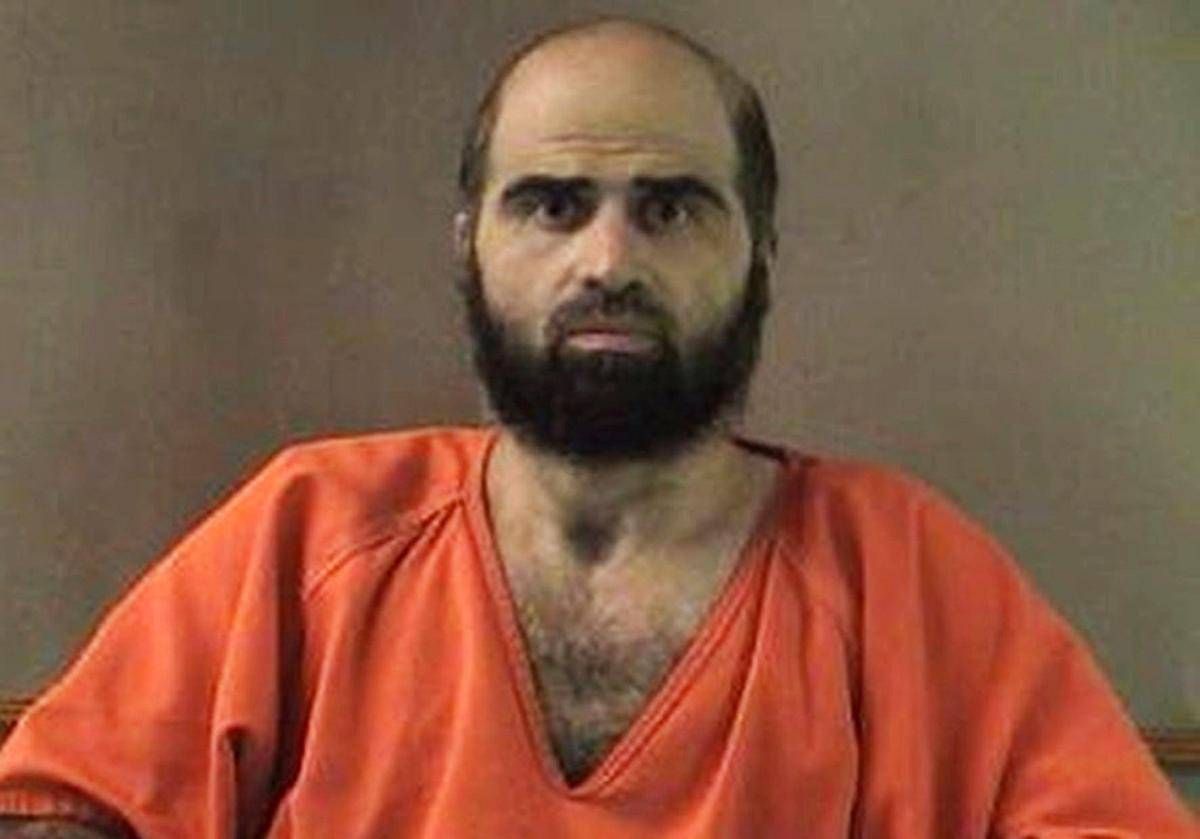
The Fort Hood killer deserves punishment for the Fort Hood massacre. Broadcasting his execution, however, would have turned justice into spectacle and handed extremists exactly the imagery they crave
At least this time, the White House got one thing right.
Not the execution itself. Not the firing squad. Not the chest-thumping rhetoric surrounding it. The right decision was abandoning the grotesque idea of turning the death of Nidal Malik Hasan into a state-sponsored livestream. Donald Trump confirmed that Hasan will still face execution by firing squad on December 3, but the event will not be broadcast to the public.
Let us be clear about who Hasan is. He murdered 13 people and wounded 32 others during the 2009 massacre at Fort Hood. He devastated families, shattered lives, and carried out one of the deadliest terrorist attacks on American soil since September 11. He deserves no sympathy, no rehabilitation narrative, and certainly no historical revisionism.
But civilization is measured not by how a nation treats its best citizens. It is measured by how it handles its worst.
The proposal championed by Defense Secretary Pete Hegseth was not about justice. Justice had already been delivered years ago in a military courtroom. What was being proposed was something different: the transformation of punishment into spectacle. A livestreamed execution would not have demonstrated American strength. It would have advertised American anger.
Supporters argued that broadcasting Hasan’s death could serve as a deterrent. Trump himself said it might have shown the world how America deals with terrorists. Yet deterrence has always been the favorite justification of those eager to make examples of criminals. The problem is that public humiliation and public killing rarely project confidence. More often, they signal a society seeking emotional satisfaction rather than principled justice.
There is a reason modern democracies abandoned public executions. America’s last public execution took place nearly a century ago. The lesson learned was simple: once punishment becomes public entertainment, the dignity of the legal system begins to erode. The focus shifts from the crime to the performance. The condemned becomes the star of a final show.
Yet the livestream was never the only issue. The deeper discomfort lies in the punishment itself. A society may decide that certain crimes deserve the ultimate sanction, but it should not pretend that state killing is a civilized act. The firing squad may be legal. It may even satisfy a public demand for retribution. But legality is not morality. When the state deliberately takes a human life in the name of justice, it enters ethical territory from which no democracy should emerge feeling proud of itself.
That risk was even greater in Hasan’s case. Terrorists thrive on visibility. Some seek notoriety. Others seek martyrdom. Broadcasting the final moments of a convicted jihadist to a global audience could have created exactly the kind of imagery extremists exploit for propaganda purposes. Critics from across the political spectrum raised that concern, helping force a reconsideration of the plan.
The victims’ families are different. If relatives choose to witness the execution in person, that is a profoundly personal matter. Trump said immediate family members would be permitted to attend if they wish. Their presence is about closure. A public livestream would have been about spectacle.
America owes justice to the dead of Fort Hood. It does not owe the world a broadcast of revenge.
A serious nation does not need cameras to prove its resolve. A confident democracy does not turn executions into content. And a civilized country should understand that even when justice is necessary, there is a difference between carrying out a sentence and putting on a show.
For once, Washington remembered the difference.
THE LATEST NEWS
Trump Says Iran War Could End “Very Soon” as Pentagon Weighs MOAB Option
15 October 2026
The president says the conflict would end whenever he decides, while reports indicate U.S. military planners have examined scenarios involving...
Read More
Katie Zacharia’s Lawyer Credentials Questioned After White House Appointment
15 October 2026
Wall Street Journal report finds the newly appointed White House press secretary was never licensed to practice law in the...
Read More

Trump Can’t Avoid Looking Ridiculous: Shares AI Video After Man Is Mauled by Tiger
14 October 2026
The president's latest social media stunt has drawn outrage from the family of a young British man killed by a...
Read More

Iran Woman Sentenced to Death Over Social Media Post, Rights Groups Warn
14 October 2026
Human rights organizations are raising alarm over what they describe as an accelerating use of capital punishment to silence dissent...
Read More

Trump Media Ban Blocked as Judge Restores CNN, Politico and MSNBC Access
14 October 2026
A federal judge found little evidence that national security concerns were behind the White House decision to revoke access credentials...
Read More










You must be logged in to post a comment Login