
International-News
November Night Sky Brings Meteor Showers, a Supermoon and a Parade of Planets
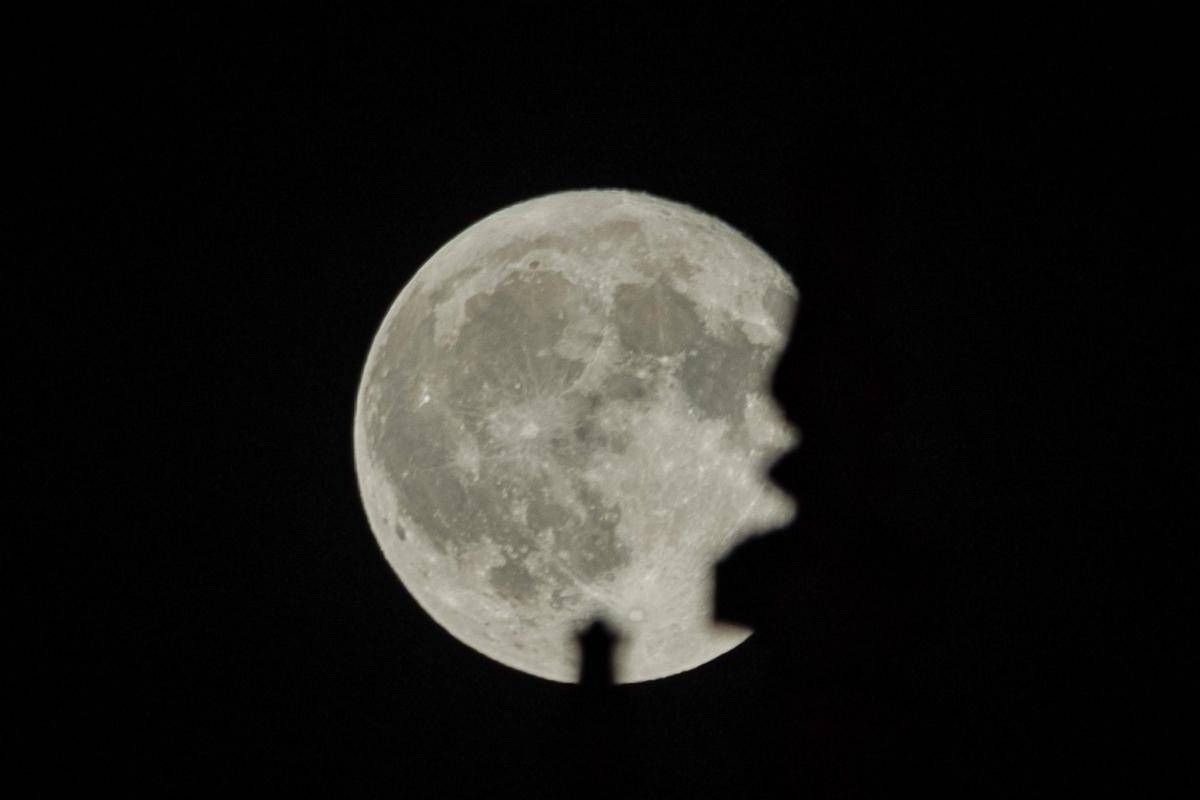
A rare convergence of celestial events will transform November into one of the year’s most rewarding months for skywatchers, with multiple meteor showers, a supermoon, planetary alignments and ideal conditions for observing deep-space objects
The challenge for skywatchers in November will not be finding something worth seeing. It will be deciding where to look first.
Over the course of a single month, the November Night Sky will deliver a succession of events rarely concentrated into such a short period: three meteor shower peaks, a supermoon, close planetary gatherings, favorable conditions for deep-sky observation and a series of alignments unfolding against the backdrop of long autumn nights. The spectacle coincides with the heart of aurora season in northern destinations such as Iceland and Norway, further elevating one of the most active periods of the astronomical calendar.
The first major display arrives almost immediately. Around midnight between Nov. 2 and Nov. 3, the Moon, Mars and Jupiter will rise in a striking formation above the eastern horizon before climbing higher through the hours leading to dawn. The trio will be separated by roughly six degrees, while Regulus, the brightest star in Leo, shines below them, creating one of the month’s most recognizable configurations.
From there, attention shifts to a streak of meteor activity spanning much of November.
The Southern Taurids are expected to peak during the night of Nov. 4-5, followed a week later by the Northern Taurids on Nov. 11-12. Neither shower is known for producing exceptionally high numbers of meteors, typically generating about five per hour, although visibility may be reduced by moonlight.
A more anticipated display follows when the Leonids reach peak activity during the night of Nov. 17-18. Active throughout the month, the shower is expected to be most visible after midnight, when darker skies improve observing conditions and increase the likelihood of spotting brighter meteors crossing the sky.
Not all of November’s highlights come in flashes of light. Some arrive in darkness.
The new moon on Nov. 9 will provide one of the month’s best opportunities for observing distant galaxies and nebulae. With lunar brightness largely absent from the sky, observers will have clearer views of faint deep-space objects that are often washed out during brighter lunar phases.
Later in the month, the spotlight returns to the Moon itself.
On Nov. 24, the Beaver Moon will become the first supermoon since January. The phenomenon occurs when the Moon’s orbit carries it closer than usual to Earth, making it appear larger and brighter than a typical full moon. The most dramatic views are often found near sunrise or sunset, when the Moon sits low on the horizon, appears unusually large and takes on an orange glow.
Meanwhile, the planets will continue to provide their own spectacle.
Between Nov. 14 and Nov. 16, Mars and Jupiter will stand relatively close together in the southern sky, while Mercury and Venus rise above the horizon. Uranus will remain visible throughout the month as it moves across the night sky from east to west.
Mercury reaches greatest western elongation on Nov. 20, placing it farther from the Sun in the sky and making it easier to observe before dawn toward the end of the month. Uranus then reaches opposition between Nov. 25 and Nov. 26, positioning it opposite the Sun and making the planet appear closer and brighter than usual.
Taken individually, any one of these events would warrant attention. Together, they create a month in which nearly every week offers a new celestial attraction, turning November into an extended showcase of the solar system and beyond.
(Photo: © AndKronos)



Weekend di Ognissanti, aria fredda e piogge: temperature fino a -5°C
Il maltempo raggiunge soprattutto il Centro-Sud, con rovesci insistenti fino a martedì e neve sull’Appennino centrale da domenica sera Il...

Cortei del 30 ottobre, 60 perquisizioni in 23 città dopo gli scontri
Digos e Polizia postale indagano su chi avrebbe incitato alla violenza attraverso chat e social. Il bilancio del Coisp: 11...

Lauren Bennett Suicide Ruling Reveals the Hidden Toll Behind a Pop Success Story
The former G.R.L. singer and Party Rock Anthem performer achieved the kind of international fame most artists spend a lifetime...
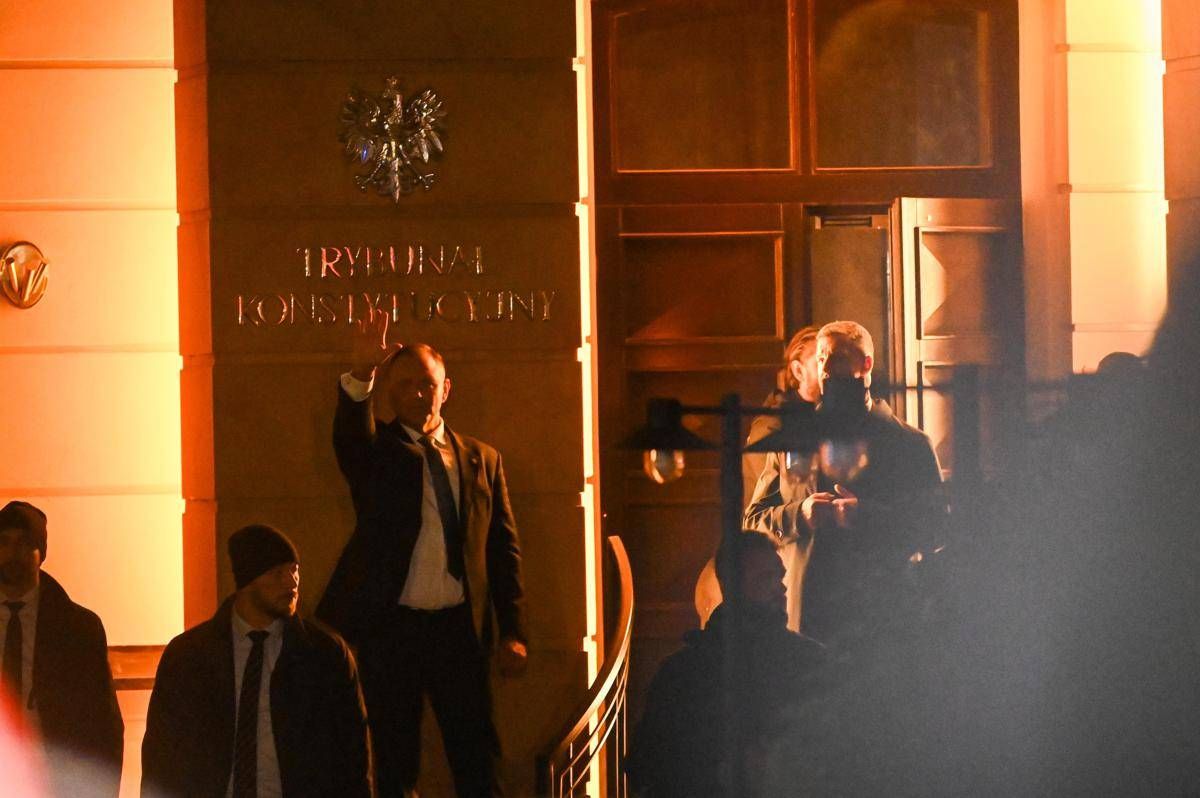
Polonia, scontro sulla Corte Costituzionale: Nawrocki contro Tusk
La sospensione di Bogdan Swieczkowski e del suo vice riaccende il conflitto sulla magistratura, dopo le controverse nomine effettuate dai...

Iran, diplomazia accelera prima delle midterm: resta rischio attacco Usa
Nell’amministrazione Trump emergono posizioni diverse sulla strategia da seguire. Netanyahu spingerebbe per un’operazione congiunta, mentre i Paesi della regione chiedono...


Trump Eyes Nicki Minaj for White House Post After Praising Her Body
With a key communications position suddenly vacant, the president is floating one of his most unconventional personnel ideas yet: a...

Trump valuta la nomina di Nicki Minaj portavoce alla Casa Bianca, dal lato B al lato C?
La rapper, 43 anni, si è avvicinata al presidente negli ultimi mesi, sostenendolo in vista delle elezioni di midterm. E...


Governo, Manovra 2027, tutte le misure: dall’Irpef alle pensioni, cosa cambia
Il testo bollinato dalla Ragioneria dello Stato contiene 157 articoli. Previsti interventi su fisco, famiglie, sanità, lavoro e previdenza, oltre...

MotoGp Malesia, Acosta vince la Sprint: Marquez secondo
Lo spagnolo della Ktm conquista Sepang davanti al connazionale della Ducati. Bezzecchi chiude terzo, mentre il leader del Mondiale allunga...

F1 in Messico, orari e dove vedere le qualifiche in tv e streaming
Si corre a Città del Messico dopo il successo di Antonelli ad Austin. Terze prove libere alle 18.30, sessione decisiva...

Polonia, scontro sulla Corte costituzionale: polizia schierata a Varsavia
Sospeso il presidente del tribunale Bogdan Swieczkowski, ma la Corte contesta la decisione e sostiene che sia ancora in carica....


Pensionati, dal 2027 le notifiche Inps arrivano anche con Send
L’Istituto introdurrà gradualmente la piattaforma digitale di PagoPA per gli atti della Pubblica amministrazione. Previsti canali alternativi per chi non...

Francia, allarme saccheggi per Halloween: 70mila tra polizia e gendarmi
Il ministro dell’Interno Nuñez segnala appelli alla violenza e all’insurrezione. Darmanin chiede ai magistrati una risposta giudiziaria rapida e severa...

MotoGp Malesia Sprint, Alex Marquez in pole: Marc parte secondo
A Sepang la Ducati Gresini apre la prima fila davanti alla Desmosedici del fratello. Acosta è terzo, Bezzecchi quinto La...

F1, Leclerc davanti a tutti nelle libere in Messico: Antonelli è secondo
La Ferrari del monegasco firma il miglior tempo in 1’18″128. Il pilota Mercedes torna in pista dopo il malessere accusato...
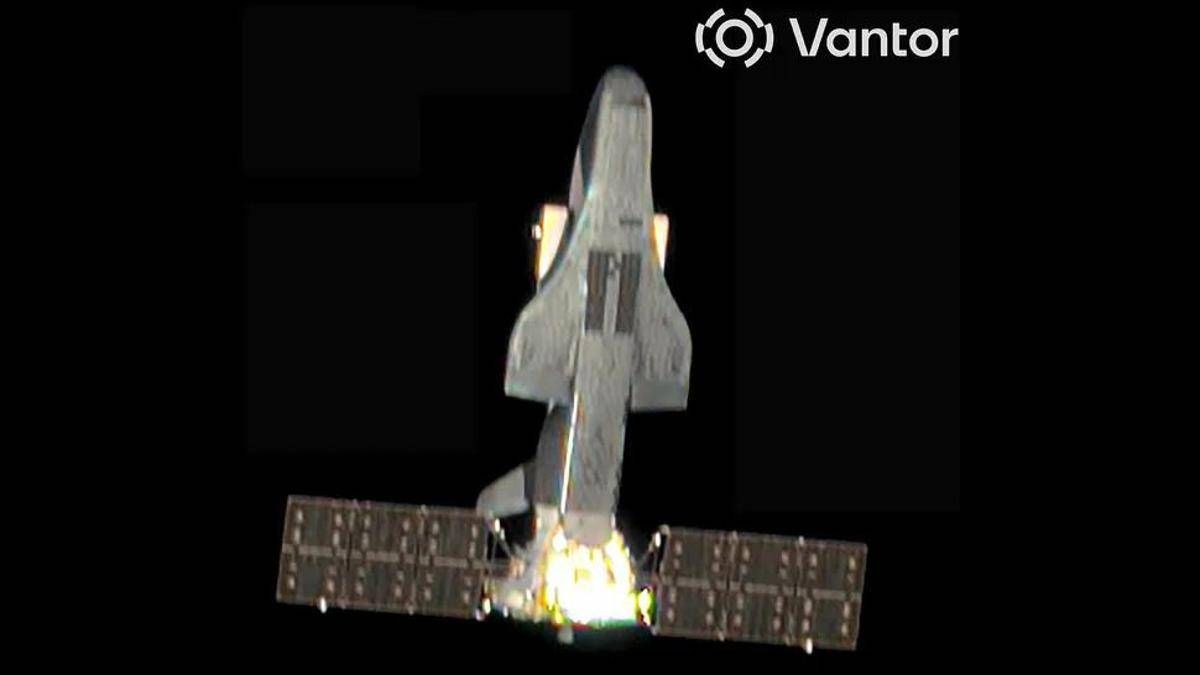
Shenlong Space Plane Photo Reveals a New Front in the U.S.-China Rivalry
A newly released Pentagon intelligence image offers the clearest public view yet of China’s secretive reusable spacecraft, focusing attention on...