
International-News
Pope Leo XIV Becomes the First Pontiff to Enter the Ballot Box
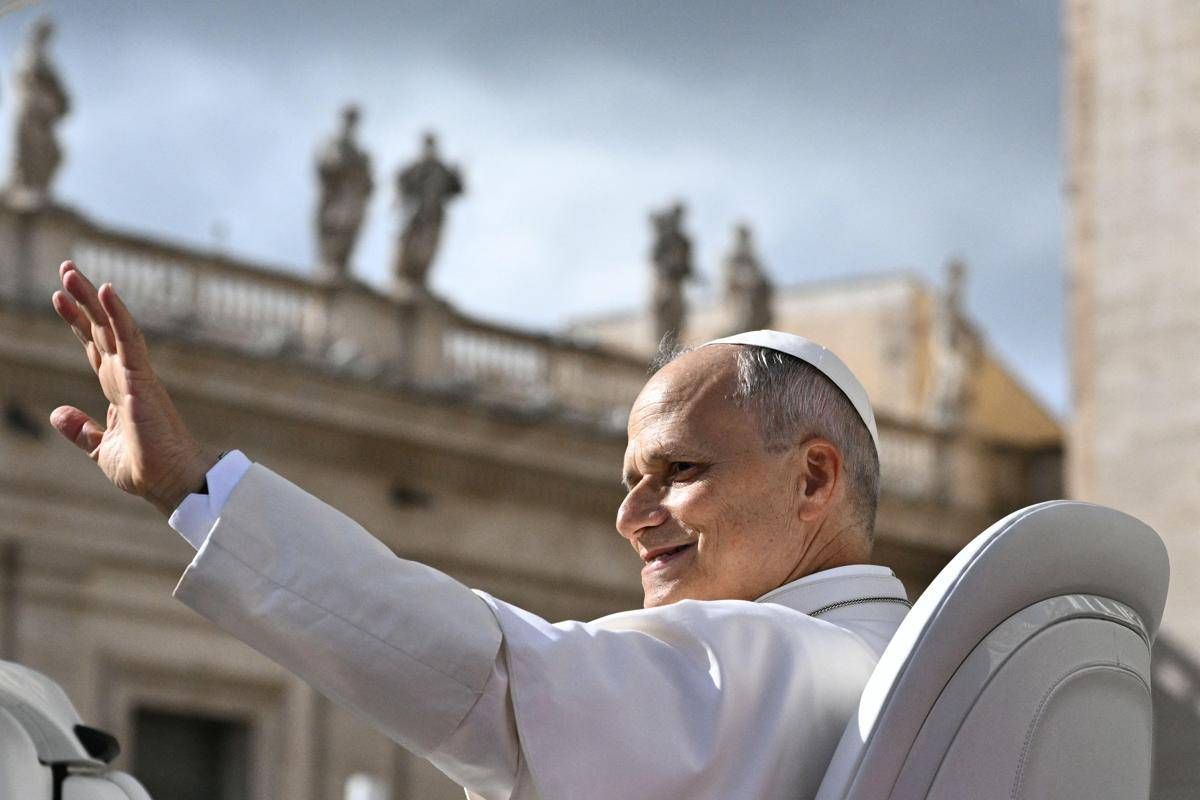
For centuries, popes have shaped political debate from outside electoral contests. By casting a mail-in ballot in the U.S. midterms, the American-born pontiff crossed a line no predecessor is known to have crossed, turning a personal act of citizenship into a historic moment for the modern papacy
ROME — Popes have blessed kings, challenged presidents, influenced elections and helped shape the political history of nations. What they have not done, at least as far as historians can tell, is vote in one.
That changed this week.
Pope Leo XIV, the Chicago-born head of the Catholic Church, has cast a mail-in ballot in the United States midterm elections, becoming what experts believe is the first pontiff ever to participate directly in a democratic election. The vote itself will count no more than any other ballot cast by an American citizen. The symbolism is another matter entirely.
The Vatican confirmed that the Pope mailed his ballot to Illinois, where he remains a registered voter. As an American citizen living abroad, he requested to vote by correspondence, following what the Holy See described as a longstanding personal practice rather than an exceptional gesture linked to the current political climate.
The statement revealed an aspect of Leo’s civic life that predates his election to the papacy. According to the Vatican, he exercised his voting rights whenever possible as a U.S. citizen and maintained the same habit during the years he lived in Peru. The Holy See framed the decision as an expression of the Pope’s belief that participation in democratic life is both a right and a responsibility.
The timing, however, ensures that the vote carries an importance beyond the mechanics of absentee voting.
Americans will head to the polls on Nov. 3 in midterm elections expected to determine the balance of power in Washington during the second half of President Donald Trump’s presidency. Against that backdrop, the discovery that a reigning pope is among the electorate transforms a routine act into an unprecedented intersection of faith, citizenship and democratic politics.
The historical significance is difficult to overstate. CNN cited British historian Michael Walsh, a scholar of papal history, saying he was unaware of any pope ever having voted in a democratic election. If correct, the ballot mailed from Rome represents a first not only for the United States but for the two-thousand-year history of the papacy itself.
The revelation has inevitably revived interest in Leo’s relationship with American politics.
The pontiff has periodically drawn criticism from Trump, particularly over positions the White House viewed as insufficiently supportive of Washington’s military campaign against Iran. More recently, the president has softened his rhetoric and has highlighted the fact that the Pope’s brother, Louis Prevost, is associated with pro-MAGA political views.
Yet the newly disclosed voting record suggests a figure considerably more difficult to place within conventional American political categories.
Election records show that Leo, born Robert Prevost in Chicago, has participated in both Republican and Democratic primaries over the years. He also voted in the 2024 presidential election. The pattern points less to party loyalty than to a consistent commitment to civic participation, a characteristic now echoed in the Vatican’s explanation of his decision to vote in the current midterms.
There is a certain historical irony in the episode.
For centuries, the papacy has occupied a singular position in global affairs, exercising moral influence while remaining formally separate from the electoral systems that determine political power in democratic states. Leo’s ballot does not change that role. Nor does it signal the Vatican’s endorsement of any party, candidate or agenda.
But it does mark a moment without precedent: the head of the Roman Catholic Church stepping briefly from the sidelines of democracy into the ranks of its voters.
In a political season defined by polarization, the most remarkable ballot in America may have arrived from Rome.
(Photo: © AndKronos)

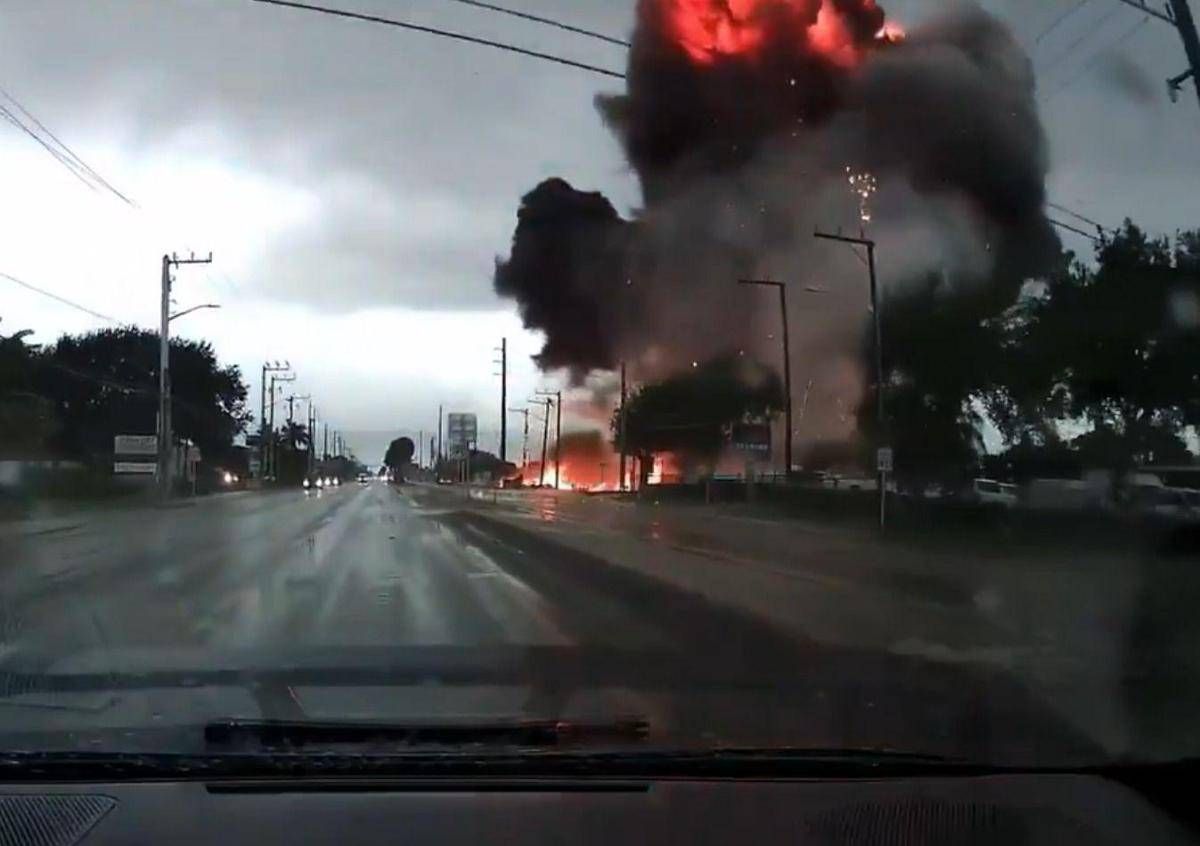
Jet Crashes Near Mar-a-Lago, Killing Nine in Seconds-Long Descent VIDEO
A private jet heading to the Bahamas plunged into a South Florida neighborhood after its crew reported severe weather, icing...

Private Jet Crash Near Mar-a-Lago Leaves Nine Dead After Crew’s Final Plea
A Learjet en route from Texas to the Bahamas plunged into a South Florida neighborhood after pilots reported severe weather,...

Calenda annuncia: «Azione correrà da sola alle prossime elezioni»
Esclusa l’adesione alle due coalizioni, il leader punta a costruire una lista centrista capace di incidere sulla formazione del governo...
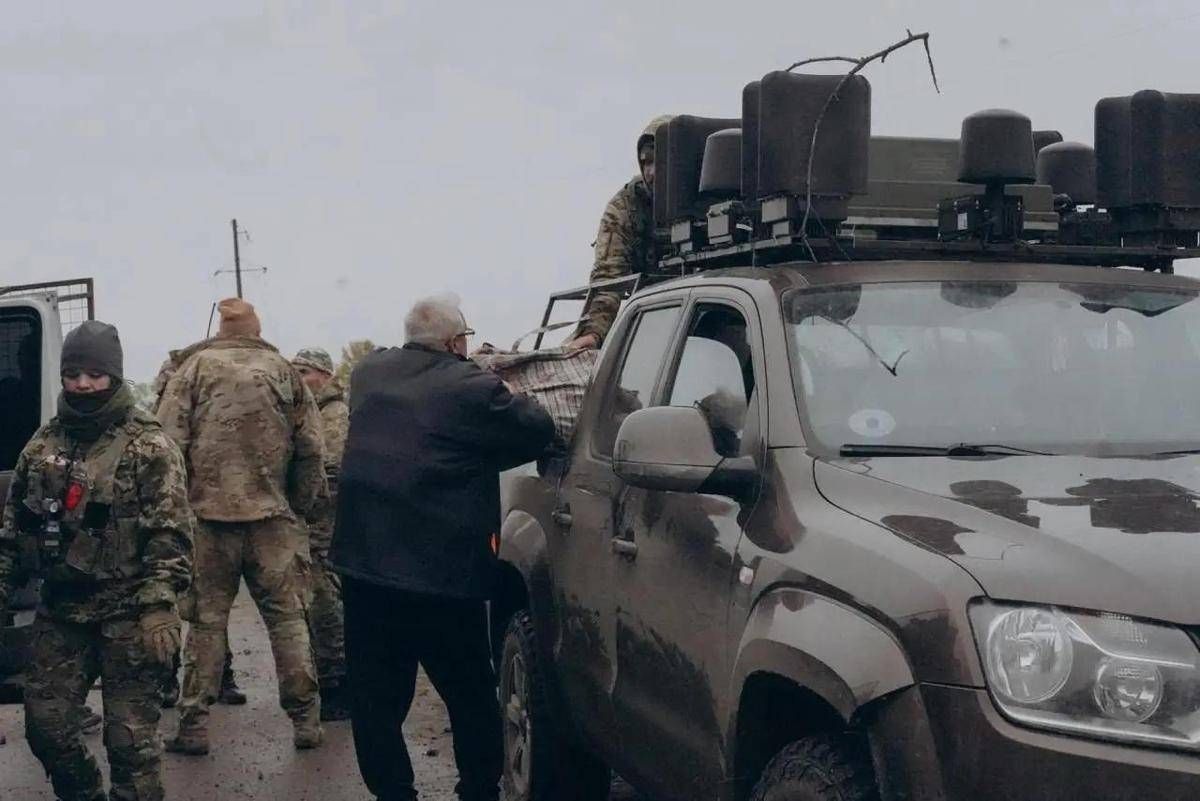
Kherson, finita la tregua di Oleshky: un drone russo ferisce due civili
La pausa umanitaria, durata sei giorni, si è conclusa il 1° novembre. Colpita un’auto nel quartiere di Korabelny La ripresa...
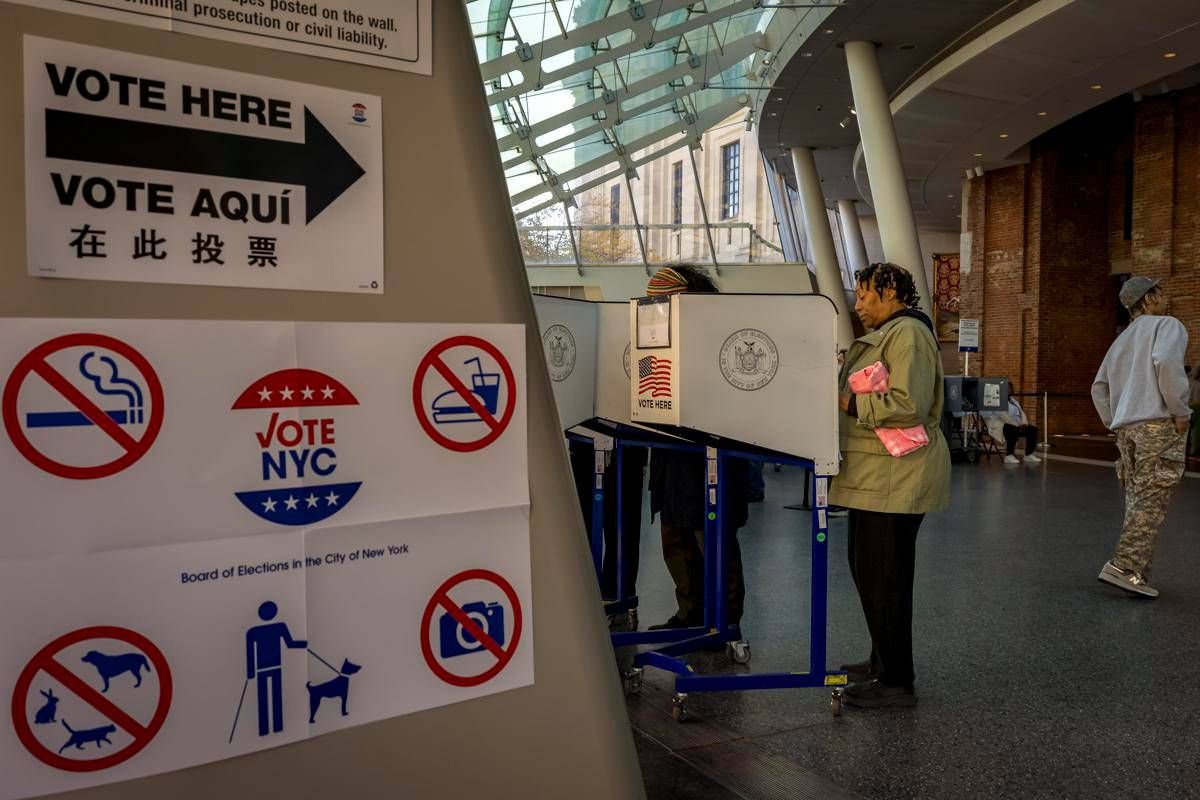
Governors, Not Congress, May Hold the Biggest Prize of the Midterms
Thirty-six states are electing governors, and the results could shape far more than local politics. With Democrats eyeing gains in...
La trattativa tra Iran e Stati Uniti resta appesa alle richieste di Teheran
Nuovi attacchi in Iran, Trump rinvia ogni decisione dopo il voto del 3 novembre e lascia spazio ai negoziati. Netanyahu...
Spagna, identificate 2 italiane tra le vittime dell’incidente ferroviario
Ana Martina Conte Grand e Daniela Milan Parlanti risultavano disperse dopo lo scontro tra i due treni a Urda Il...
Juan Atkins, Architect of Detroit Techno and Electronic Music Pioneer, Dies at 64
From the industrial landscape of Detroit emerged a sound that would transform dance music worldwide. Juan Atkins, widely regarded as...
Trieste, due giovani migranti morti in un incendio al Porto Vecchio
Le vittime, un uomo e una donna, erano al primo piano del magazzino 18. Il solaio ha ceduto mentre le...


Criminalità giovanile, 644 arresti in due settimane: 69 sono minorenni
L’operazione della Polizia ha coinvolto tutte le province italiane. Identificati oltre 236mila ragazzi e sequestrati più di 244 chili di...
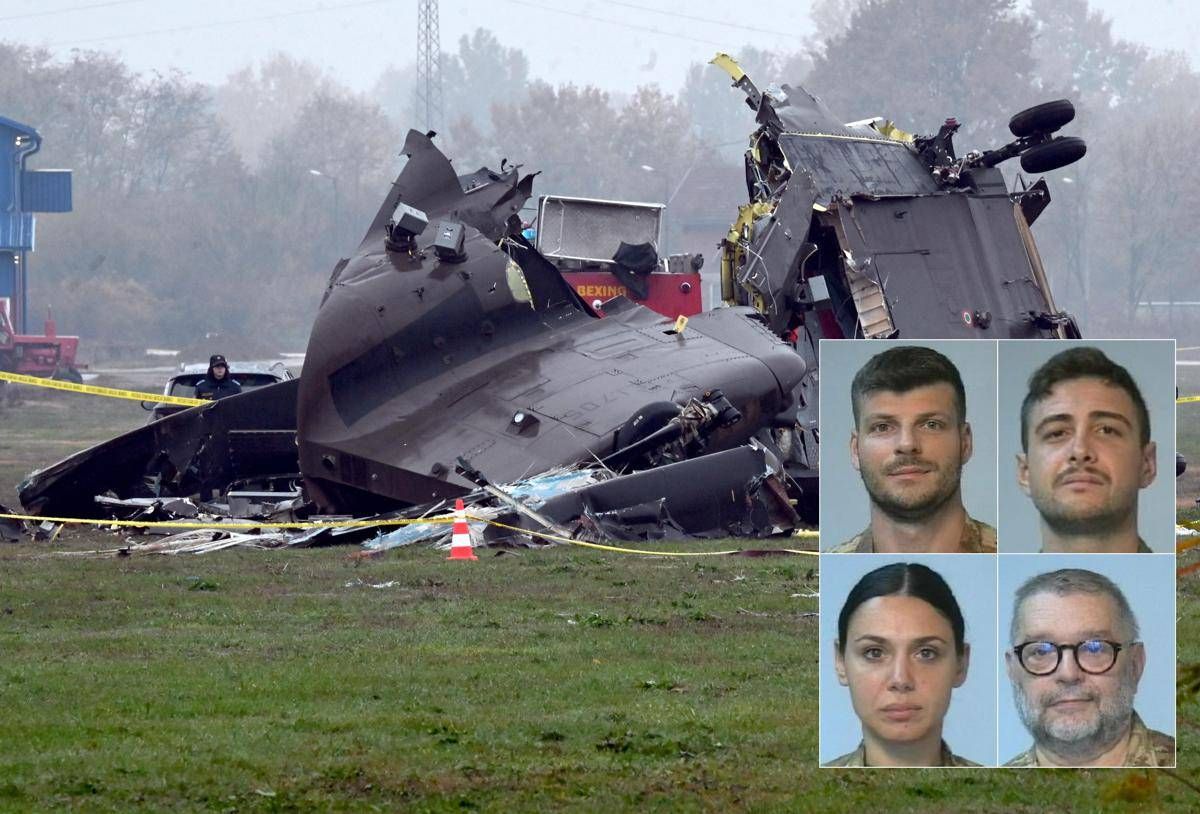
Quattro militari morti in Bosnia, le salme oggi in Italia: funerali martedì
I feretri arriveranno a Ciampino intorno alle 12. Meloni e Crosetto saranno presenti per accogliere i caduti dell’incidente del CH-47...


Roma, due persone trovate morte in casa dopo un incendio
Un uomo e una donna sono stati scoperti dai vigili del fuoco in un appartamento di via Spinoza, invaso dal...


Bora e Grecale fino a 70 km/h, mare agitato e neve sugli Appennini
Il vortice ciclonico sulle regioni meridionali porta un peggioramento al Centro-Sud, con precipitazioni localmente temporalesche e grandine Il termometro scende...
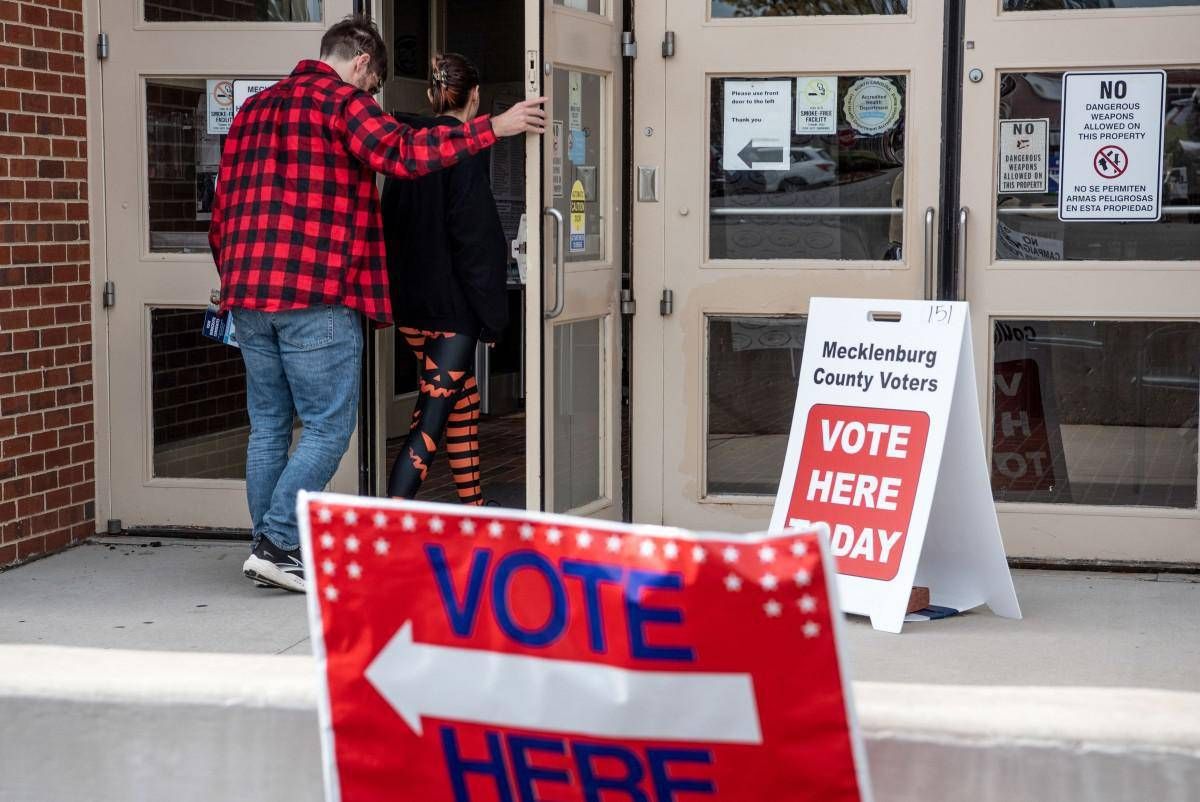
America’s Midterm Elections Keep Humbling Presidents. Trump Is Betting He Can Break the Pattern
Facing unfavorable polls and lukewarm enthusiasm within parts of his coalition, Donald Trump is asking Republicans to rally as if...

Ucraina, Rubio frena sulla pace: «Accordo difficile nei prossimi mesi»
Secondo fonti diplomatiche citate da Radio Free Europe, il segretario di Stato americano avrebbe espresso forti dubbi sulla possibilità di...
Palm Beach Plane Crash Kills Nine Aboard Learjet 60 Bound for Bahamas
Federal investigators are examining the sudden loss of altitude that preceded the crash of a private jet in a residential...