International-News
Lauren Bennett Suicide Ruling Reveals the Hidden Toll Behind a Pop Success Story
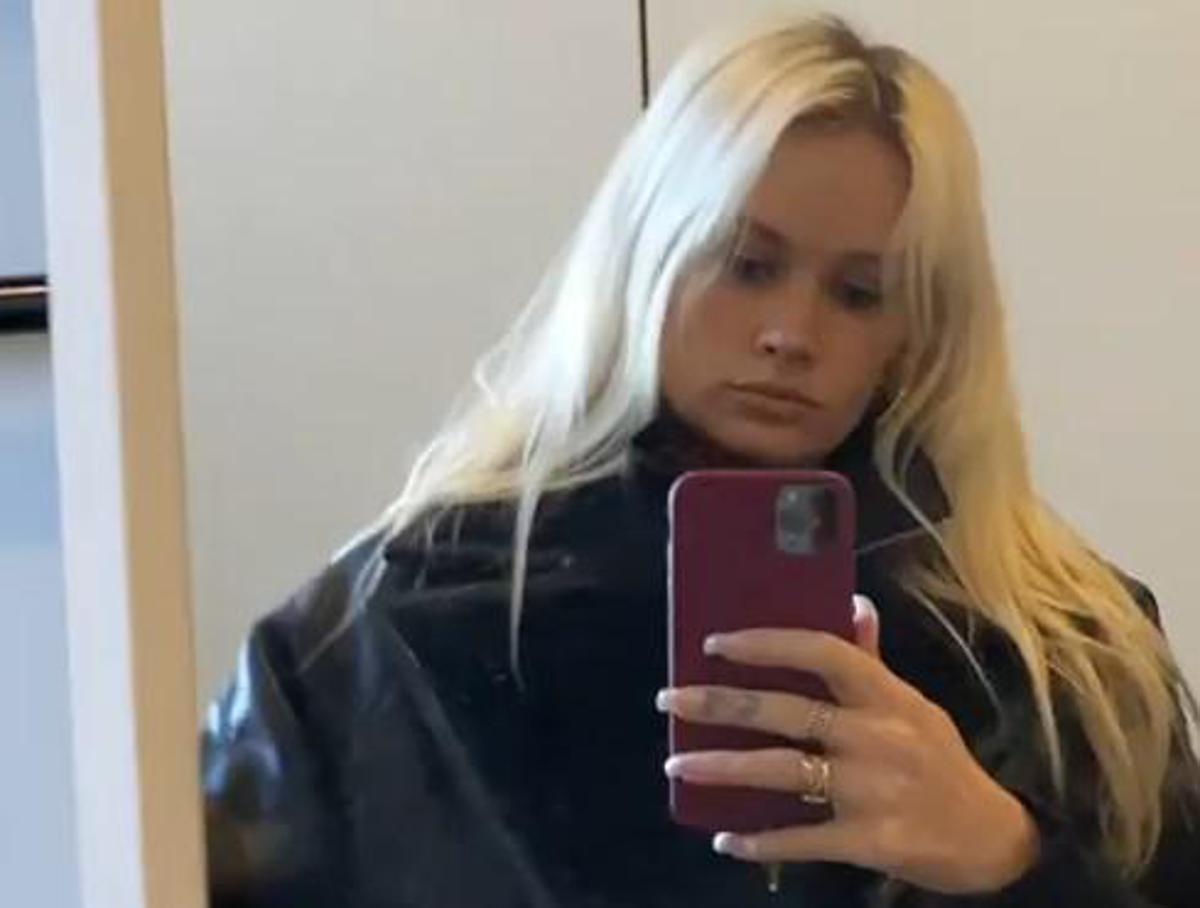
The former G.R.L. singer and Party Rock Anthem performer achieved the kind of international fame most artists spend a lifetime chasing. A coroner’s inquest has now revealed the severe mental health struggles, medical setbacks and growing despair that marked her final months
LONDON — For millions of music fans, Lauren Bennett will always be frozen in a moment of pop-cultural euphoria: a rising British singer who appeared in LMFAO’s Party Rock Anthem, one of the defining global hits of the 2010s, and later found success as a member of the girl group G.R.L. The picture that emerged from a coroner’s court in Kent this week was starkly different. It was the story of a woman battling profound psychological distress, increasingly fearful that she would never recover.
The 36-year-old singer died by suicide, according to findings delivered during an inquest into her death after she was found dead on May 29.
The ruling closes a tragic chapter that, according to evidence presented in court, unfolded against a backdrop of deteriorating mental health, unsuccessful treatment experiences and a genetic condition linked to anxiety, depression and mood instability.
Bennett had been diagnosed with Fragile X syndrome, the inquest heard. In the months before her death, her mental health worsened significantly. Evidence presented during the hearing showed she had spent several days without sleep earlier in the year before being hospitalized for mental health treatment. Although she was under the care of specialist services, the court heard that her condition continued to decline.
Assistant Coroner Jyoti Gill said Bennett experienced a period of “significant psychological distress” following that hospitalization.
The details of her final day emerged through testimony from her husband, dancer and choreographer Kenny Wormald. On the morning she disappeared, Bennett told him she was going for a walk. As the hours passed without her return and attempts to contact her failed, concern quickly escalated.
Wormald and the singer’s father, Richard Bennett, began searching for her. Using location data from her phone through Apple’s Find My iPhone service, they tracked her to a rural area. There, Wormald found his wife’s body.
What made the loss even more difficult to comprehend, he told the court in a statement, was the absence of any obvious warning. The couple discussed everything openly, he said, and he had seen no indication that Bennett intended to take her own life.
Yet investigators discovered multiple pages of farewell letters inside her home.
The court also heard evidence suggesting Bennett had become increasingly discouraged by her struggle to improve. She reportedly reacted badly to some medications and feared that her condition might never get better. Toxicology tests found no alcohol or illegal drugs in her system at the time of her death.
Those details stood in sharp contrast to the life remembered by her family and colleagues.
In a statement read to the court, her father described his daughter as someone who had lived an “extraordinary life.” Bennett secured her first recording contract at just 17 and moved alone to the United States while still a teenager to pursue a music career, a gamble that ultimately placed her on some of pop music’s biggest stages.
Her profile grew internationally through G.R.L. and through her appearance in LMFAO’s Party Rock Anthem. Released in 2011, the song spent six consecutive weeks atop the Billboard Hot 100 and later earned recognition from Billboard as one of the most successful singles in chart history. The video, in which Bennett appeared, has been viewed more than 2.5 billion times on YouTube.
When news of her death became public in July, Bennett’s former G.R.L. bandmates announced it in an emotional Instagram message.
“Our hearts are broken and we can’t even put into words what she meant to us,” they wrote.
The shock reverberated beyond the group. Aria Crescendo, who previously performed with Bennett in the Paradiso Girls before both artists pursued different paths, told the BBC that friends were still struggling to understand the loss.
“She was extremely talented, beautiful and very funny,” Crescendo said. “We’re still in shock about what happened.”
The inquest ultimately exposed the painful reality behind a success story that, from the outside, appeared almost storybook. A teenager who crossed an ocean to chase a dream achieved global recognition, chart success and a place in one of the most recognizable music videos ever made. The court’s findings revealed that, behind those achievements, she was fighting a private battle that became unbearable.
(Photo: © AndKronos)