International-News
G20 Divisions Deepen as Rubio Warns of Threats to Global Economic Order
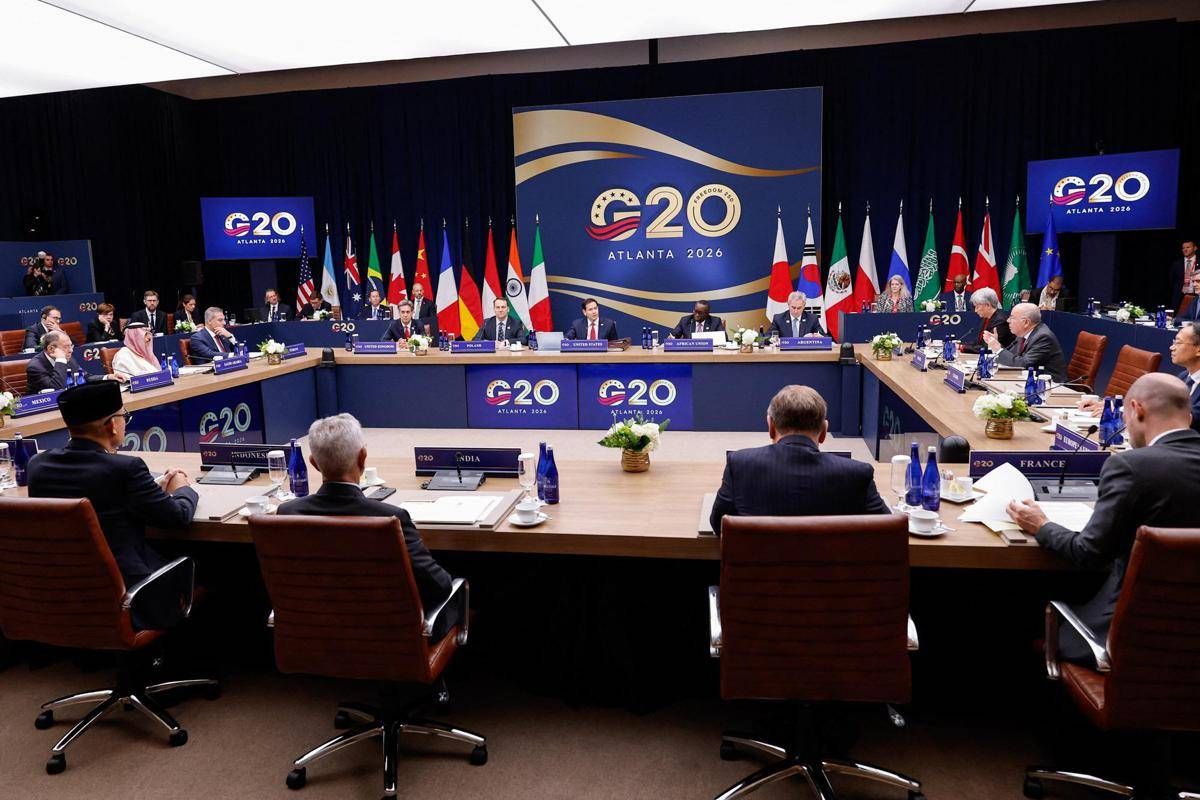
A growing clash over Russia’s place on the world stage overshadowed high-level economic discussions in Atlanta, where a canceled leaders’ photo laid bare the diplomatic fractures complicating efforts to address global instability
ATLANTA — The image the foreign ministers never took became the defining statement of the G20 gathering.
As diplomats assembled in Atlanta to discuss mounting pressures on the global economy, a dispute over Russian Foreign Minister Sergei Lavrov escalated to the point that organizers abandoned the summit’s traditional family photograph, exposing the political fault lines that continue to separate Russia from many Western governments more than four years after the war in Ukraine reshaped international relations.
The episode unfolded against the backdrop of an unusually stark warning from U.S. Secretary of State Marco Rubio, who opened the ministerial meeting by arguing that the international system faces a pivotal test. The world, he said, is confronting interconnected economic and geopolitical crises that threaten the foundations of the global economic order, creating new strains on energy and food supplies while forcing governments to make consequential choices about the future.
“We are at a critical moment,” Rubio said, describing the current period as a moment of choice not only for the United States but for the broader international community. Despite the challenges, he argued that meaningful outcomes remain achievable.
Yet the divisions Rubio alluded to quickly became visible inside the summit itself.
According to Polish Foreign Minister Radoslaw Sikorski, several European representatives refused to appear in a group photograph alongside Lavrov, leading to the cancellation of the customary image. Sikorski said he was not alone in objecting and used the controversy to renew criticism of Moscow’s conduct in Ukraine, declaring that it was time to end what he called a “bloody war.”
The disagreement was significant enough to derail efforts to find a compromise. Some European diplomats proposed taking two separate photographs, one including Lavrov and another without him. Instead, Rubio opted to scrap the photo entirely. Officials did not disclose the identities of all those who objected.
For Moscow, the incident became further evidence of what it describes as Western hostility.
Russian Foreign Ministry spokeswoman Maria Zakharova ridiculed the controversy, calling it one of the most embarrassing episodes in modern diplomacy. She criticized German Foreign Minister Johann Wadephul, who was reported among those unwilling to participate in the photograph, and mocked Western officials for objecting to being seen alongside Lavrov.
Zakharova also targeted Sikorski, dismissing his criticism and arguing that Poland is not a member of the G20. In comments posted on Telegram, she portrayed the dispute as a reflection of Western diplomatic decline rather than Russian isolation.
Behind the symbolic fight over a photograph lies a broader confrontation over sanctions, trade and the future shape of the global economy.
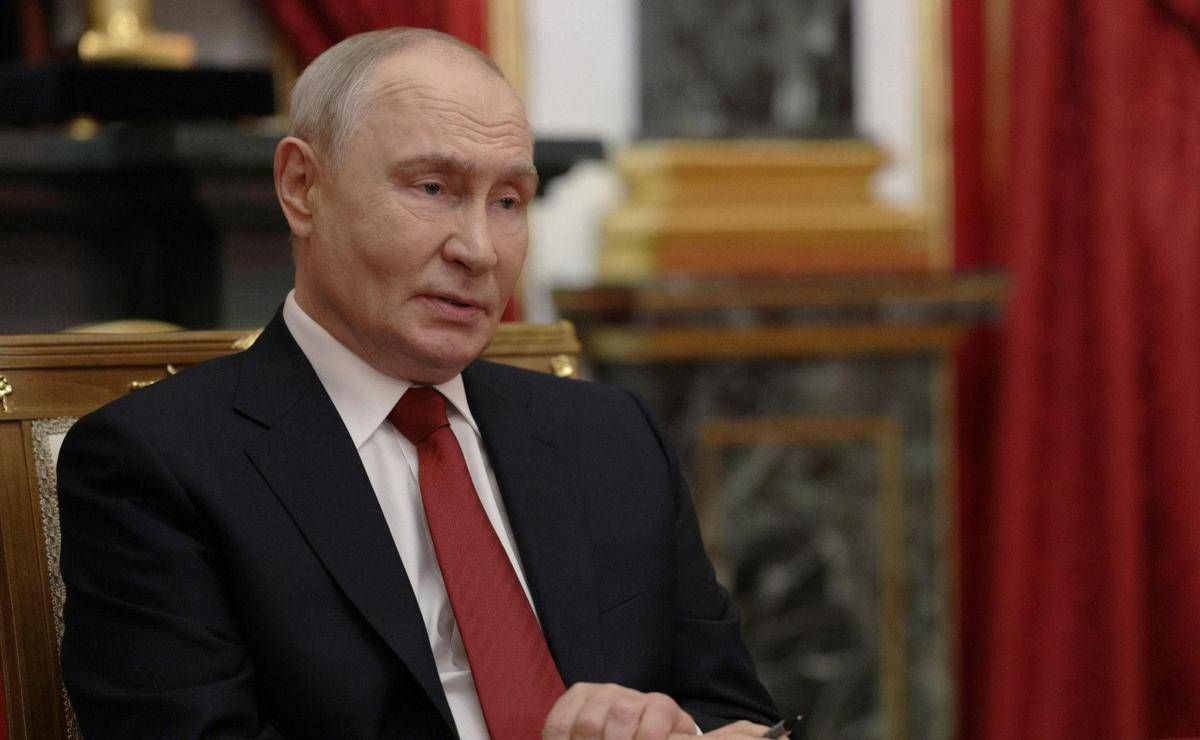
Lavrov arrived in Atlanta seeking support for the removal of sanctions imposed on Moscow and preparing to challenge what Russia characterizes as the use of economic coercion by rival powers. According to the Russian Foreign Ministry, he is expected to argue that sanctions, trade wars and disruptions to supply chains have become political weapons that undermine international economic cooperation.
Russian officials say they will advocate for an open global economy while opposing what they describe as unfair competition and neo-colonial practices employed by Western countries.
Moscow also complained that preparations for Lavrov’s trip were complicated by what it called bureaucratic obstacles imposed by U.S. authorities, including issues involving accreditation procedures and visas for Russian representatives. The Foreign Ministry urged continued efforts to remove restrictions affecting Russian diplomats traveling to the United States.
The diplomatic confrontation comes as Washington and Moscow navigate a controversial sanctions arrangement announced earlier this month. President Donald Trump and Russian President Vladimir Putin reached an agreement that eases sanctions on Russia in exchange for additional Russian diesel reaching world markets. The measure was presented as an effort to help reduce fuel prices for American consumers ahead of the Nov. 3 midterm elections, but it triggered criticism from Ukraine and several allied governments.
Moscow announced this week that three tankers carrying Russian diesel were already bound for the United States and that a fourth vessel was expected to depart shortly afterward.
The next major gathering of G20 leaders is scheduled for Dec. 14 and 15 in Miami. But before those meetings begin, Atlanta has already delivered a clear reminder that the deepest challenge facing the group may not be economic coordination. It is the widening political divide that continues to shape every discussion around the table.
(Photo: © AndKronos)