
International-News
Trump Signals Iran Strike Option as Nuclear Site Emerges as Key Target
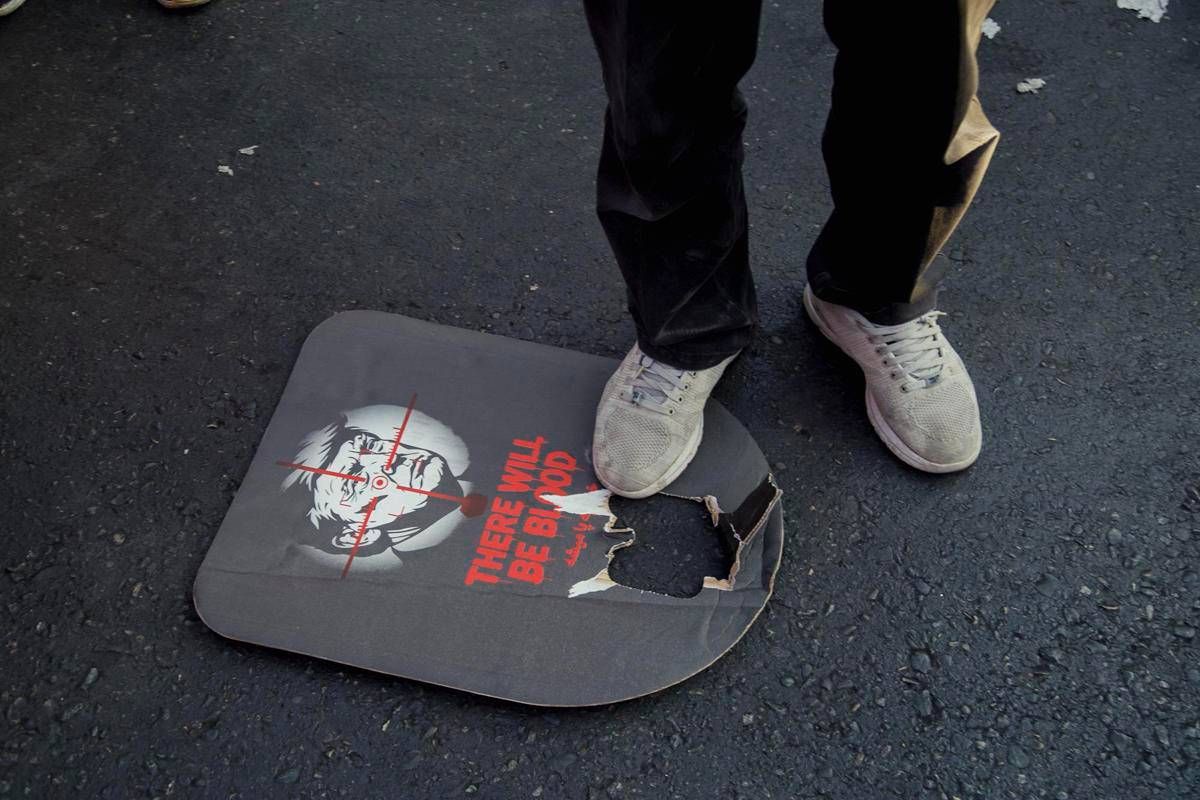
As regional mediators push to revive U.S.-Iran talks, the president raises the prospect of new military action, identifies a suspected underground nuclear facility and draws defiant warnings from Tehran
The prospect of another confrontation between Washington and Tehran moved back to the forefront this week after President Donald Trump openly pointed to a suspected underground nuclear facility in Iran as a potential military target, even as diplomatic channels remain active and regional mediators work to prevent a new crisis.
Speaking with reporters at his Florida residence, Trump refused to clarify whether he has decided on a new military operation against Iran. Instead, he underscored the uncertainty that continues to surround U.S. policy, pairing claims that Iran’s nuclear program has already been crippled with warnings that additional targets could still be struck.
“If I were going to do it, would I tell you?” Trump said.
The most consequential part of his remarks was not the ambiguity over future military action but the fact that he publicly identified Pickaxe Mountain, a presumed underground nuclear complex long viewed as one of Iran’s most sensitive facilities. “You’d probably look at Pickaxe Mountain, and that has to be dealt with,” Trump said, adding that remaining objectives could be hit “in 10 minutes.”
The comments suggest that, despite repeated claims that U.S. operations have already devastated Iran’s military and nuclear capabilities, key concerns remain inside the administration about infrastructure believed to have survived previous attacks. Trump nevertheless insisted that Washington is under no immediate pressure to resume military operations, arguing that most of Iran’s relevant capabilities have already been destroyed.
The president’s remarks came after what The Wall Street Journal reported was a telephone conversation with Israeli Prime Minister Benjamin Netanyahu, a call that took place as speculation intensifies over whether the White House could revisit military options after the Nov. 3 midterm elections.
At the same time, diplomatic efforts have not stopped. Qatar and Pakistan continue to facilitate contacts aimed at restoring direct negotiations between Washington and Tehran and reducing the risk of a broader regional escalation.
Trump said he still believes Iran wants an agreement but questioned whether its leadership can be trusted to honor one.
“The talks are going well, but they’re not very reliable,” he said. “They make a deal and then they back away from it.”
Tehran answered with a barrage of warnings of its own.
Mohsen Rezaei, secretary of Iran’s Supreme National Security Council, argued that failing to retaliate against the United States would send a dangerous message to the rest of the world.
“If we do not punish Trump and the United States, other countries tomorrow will think attacking Iran carries no consequences,” Rezaei said during an interview with a local broadcaster.
He warned that any future conflict would be met with a decisive response and threatened what he described as “devastating” retaliation. In some of the most aggressive rhetoric to emerge from Tehran in recent months, Rezaei declared that Iran would “break America’s horns” and strip it of its ability to defend itself.
According to Rezaei, recent discussions involving Iranian officials and representatives from countries across the region focused on future arrangements and opposition to Israel. He said officials from Saudi Arabia, Turkey and Pakistan had warned of concerns that Israel could seek to expand its military campaign beyond existing fronts and into other Muslim countries.
Iranian military officials also sought to project confidence about the country’s ability to withstand a prolonged confrontation.
Mohammad Akraminia, a spokesman for the Iranian Army, said state television had been told that a future war could last longer than the previous conflict and that Trump would not be able to dictate either its duration or the conditions under which it ends.
While Tehran escalated its rhetoric, the Trump administration sought to project a more measured message regarding the likelihood of immediate military action.
Speaking to reporters on the sidelines of the G20 summit in Atlanta, Secretary of State Marco Rubio said no decision had been made on a new operation against Iran.
“The president has made no decision. The president prefers a different approach,” Rubio said.
Rubio stressed that had the White House intended to use force, it likely would have acted “weeks or even months ago.” Still, he emphasized that military options remain available and that the United States retains the ability to conduct further strikes if necessary.
“If we need to conduct another military operation, we would have the capability to do it,” he said.
The secretary of state also accused Iran of threatening energy infrastructure throughout the region if it fails to achieve its objectives, rejecting such behavior as outside accepted international norms and reaffirming U.S. military superiority.
Compounding Tehran’s disputes with Washington, Iranian authorities also opened a new front with the United Kingdom. The Iranian Foreign Ministry designated Britain’s intelligence service, MI6, as a “hostile group” and classified both the Royal Navy and the Royal Air Force as terrorist organizations.
Tehran said the move was a response to what it described as hostile and unlawful British actions over the past year, including military and logistical support provided to the United States and Israel during the war with Iran through access to bases and other infrastructure. Iranian officials also cited London’s July 13 decision to designate the Islamic Revolutionary Guard Corps as an entity responsible for threats to British national security.
The exchange leaves diplomacy alive but increasingly overshadowed by deterrence, threats and preparations for worst-case scenarios. Even as negotiators continue searching for a path back to direct talks, both Washington and Tehran are signaling that the next phase of the standoff may be determined as much by military leverage as by diplomatic bargaining.
(Photo: © AndKronos)

Liam Fitzgerald’s Death Exposes the Fragile Reality Behind Social Media Fame
The fitness influencer spent years building a digital identity centered on discipline, ambition and self-transformation. His sudden death at 29...

Delitto di San Zeno, la svolta dopo una notte di indagini: c’è un fermato
Il corpo di Buonfiglio era stato trovato vicino alla sua automobile nel parcheggio del ristorante La Torretta. La polizia sta...
Trump Signals Iran Strike Option as Nuclear Site Emerges as Key Target
As regional mediators push to revive U.S.-Iran talks, the president raises the prospect of new military action, identifies a suspected...
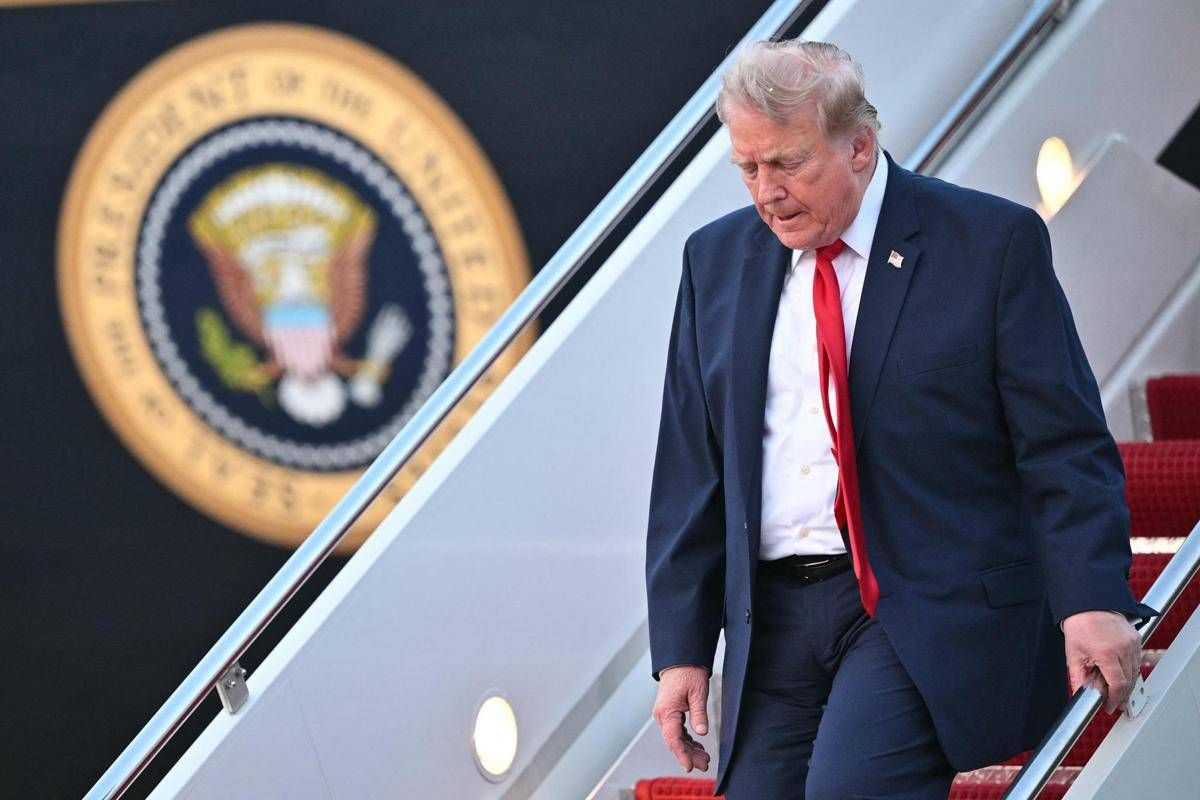
Iran-Usa, la tensione sale verso le midterm: nel mirino Pickaxe Mountain
Trump minaccia nuovi attacchi in Iran: «Bastano 10 minuti». Rezaei minaccia gli Usa: «Spezzeremo le corna dell’America». Teheran designa MI6,...

Erba, arrestato l’ex marito per l’omicidio di Patrizia Monteleone
Carmine Civitillo, 76 anni, è accusato di aver ucciso la donna, gravemente disabile, gettandola nella piscina della propria abitazione il...
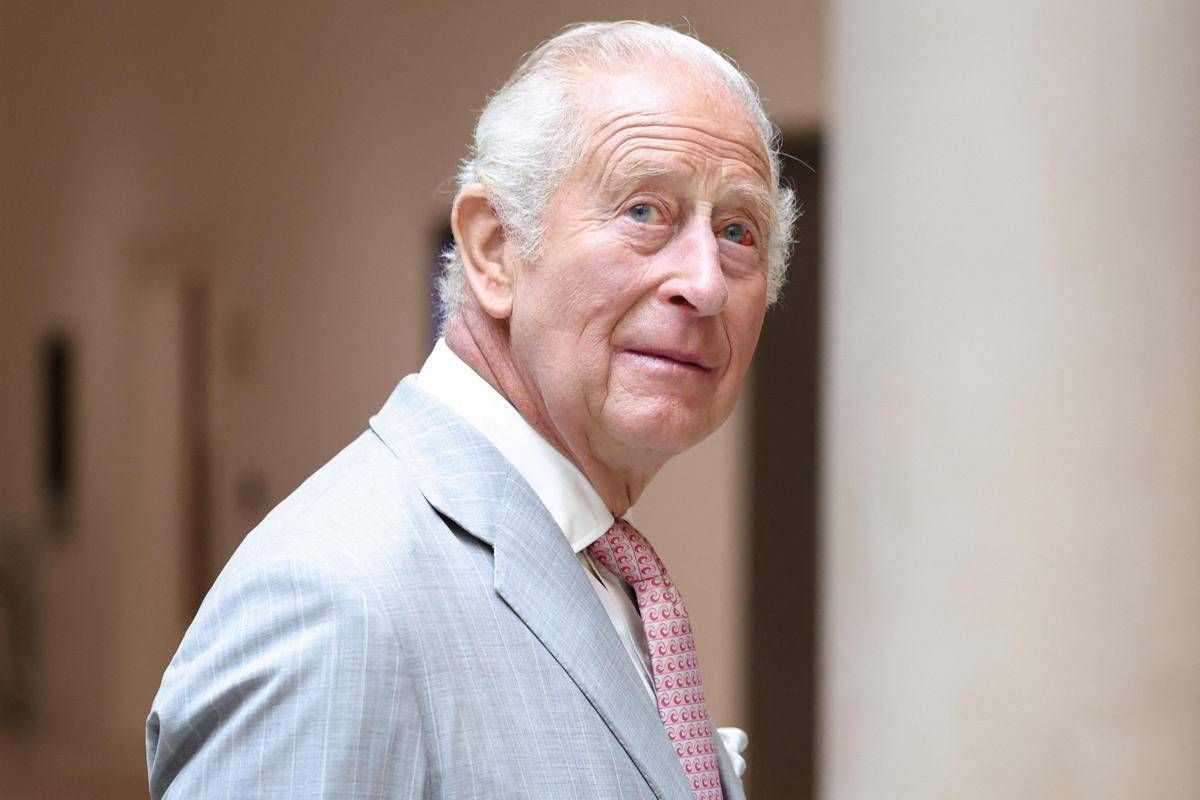
King Charles Faces Defining Test Over Slavery Legacy at Commonwealth Summit
A growing call for Britain to confront its role in the transatlantic slave trade is colliding with a significant shift...

MotoGp, Marc Marquez vince in Malesia: il decimo titolo è vicino
Lo spagnolo domina a Sepang davanti ad Acosta e Alex Marquez. Sale a 399 punti e porta a 44 il...
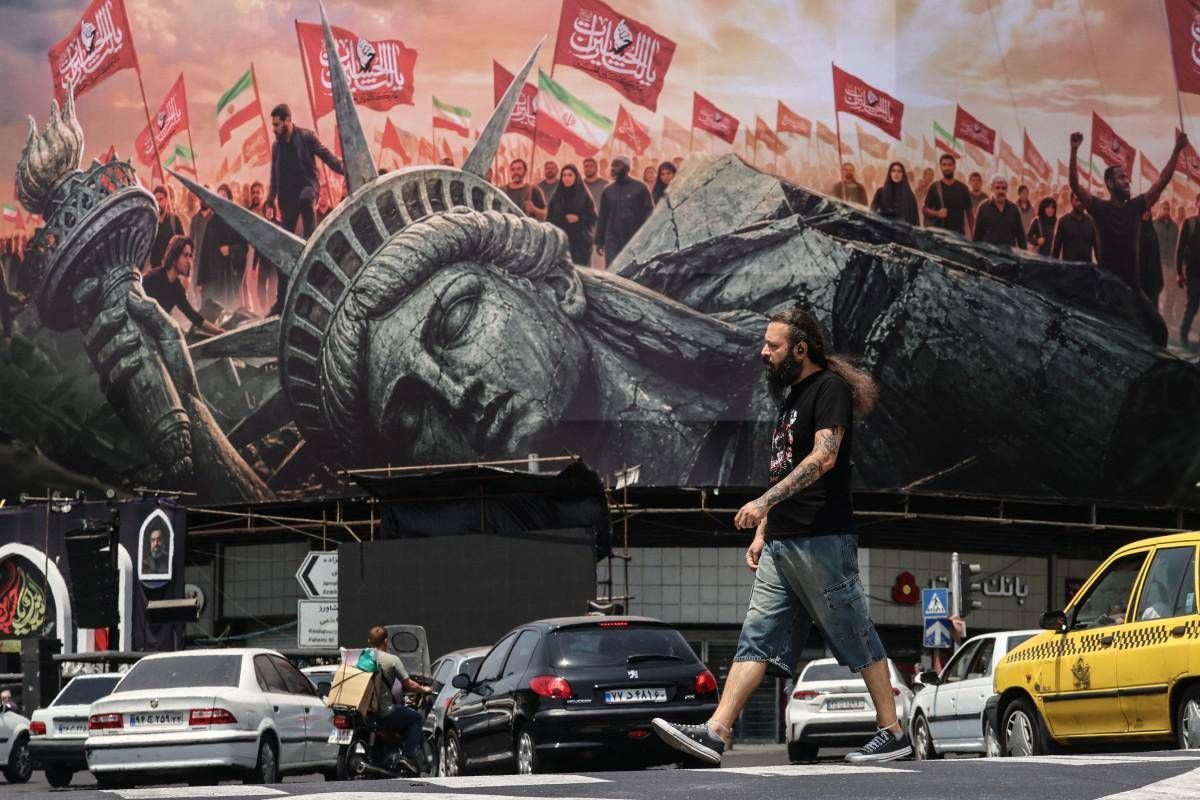
Hormuz e nucleare, Teheran detta le condizioni per trattare con Washington
L’Iran considera positiva l’offerta di dialogo arrivata da Jd Vance, ma esclude per ora incontri diretti. Mojtaba Khamenei ordina di...

Castro dei Volsci, 48enne ucciso a coltellate vicino alla stazione
L’aggressione è avvenuta intorno alle 21, nei pressi di un bar. I carabinieri hanno fermato una persona vista poco prima...
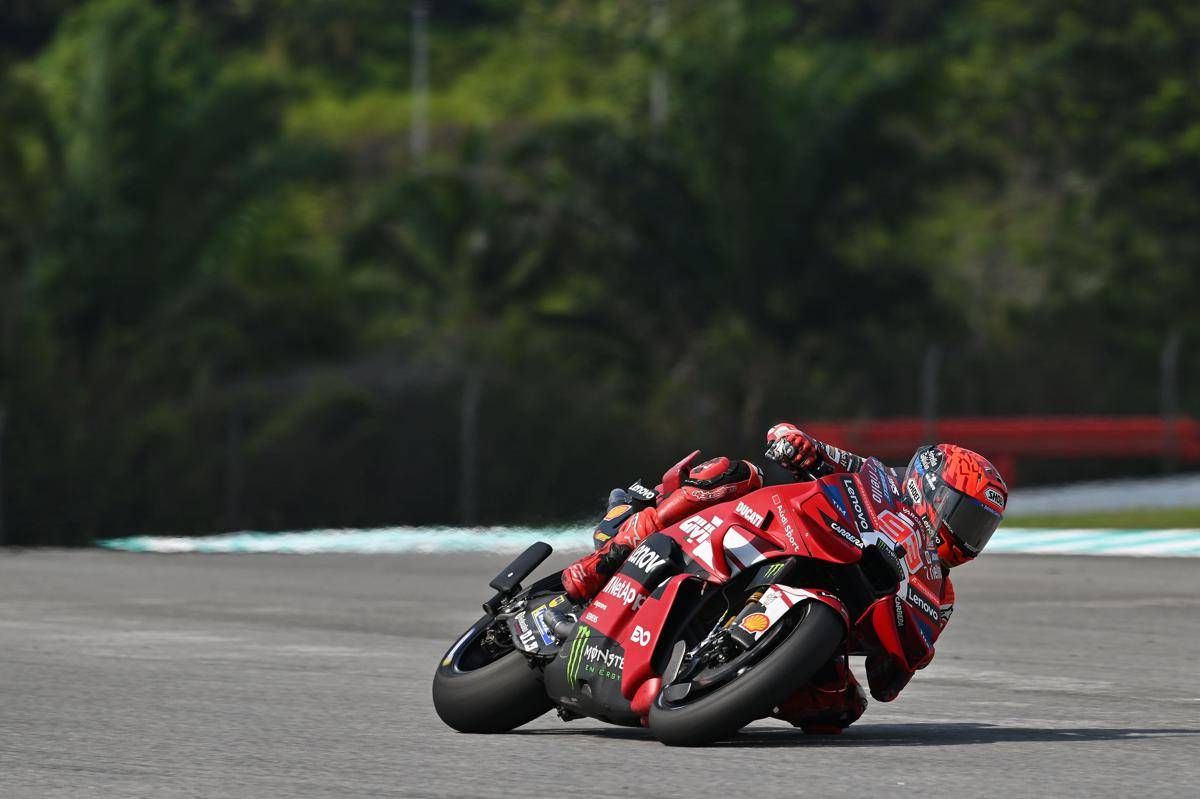
Motogp, Acosta cerca il bis in Malesia: gara lunga dove vederla
Dopo aver vinto la Sprint, il pilota Ktm punta a ripetersi nel Gran Premio. Davanti a lui i fratelli Marquez,...
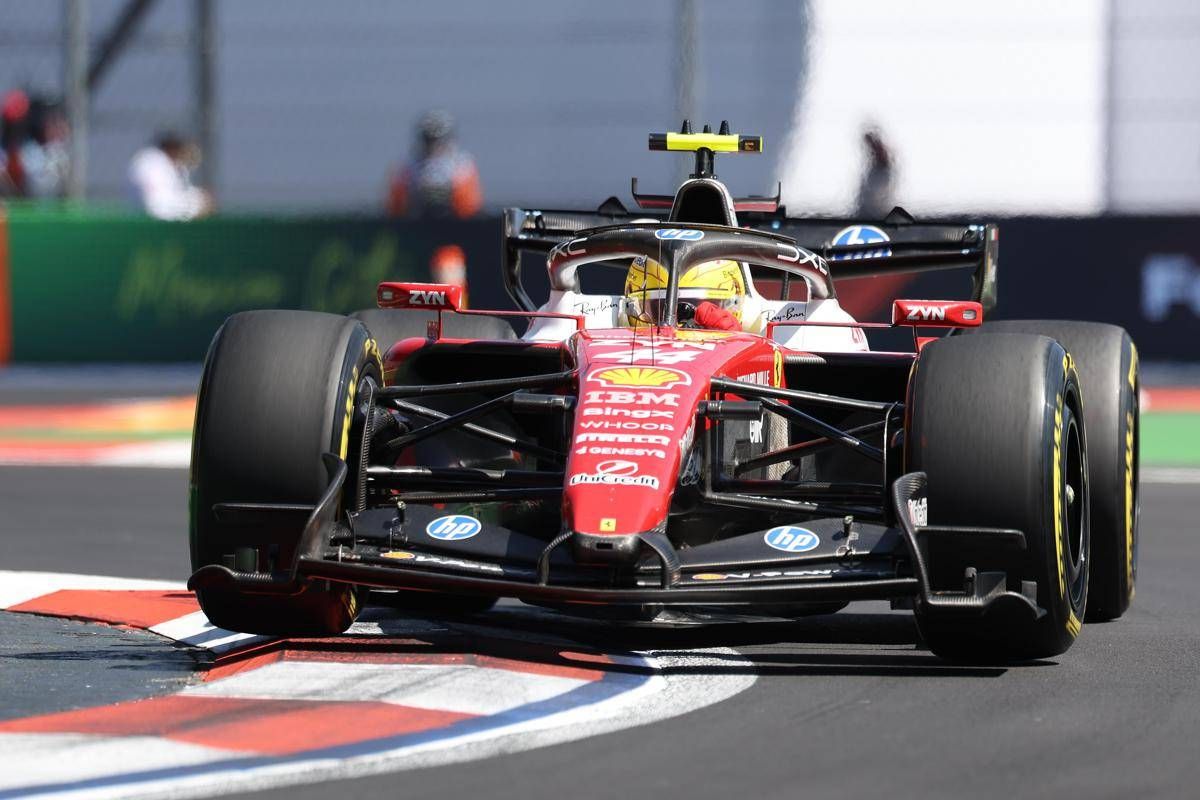
F1, Hamilton in pole in Messico: prima volta con la Ferrari
Il britannico conquista la prima posizione in griglia con il Cavallino dopo tre anni e tre mesi. Leclerc è terzo,...


Moscow Terror Alert Prompts Closure of Tsaritsyno Park After U.S. Warning
Russian authorities moved to secure one of Moscow’s largest public venues after the United States warned of a possible planned...
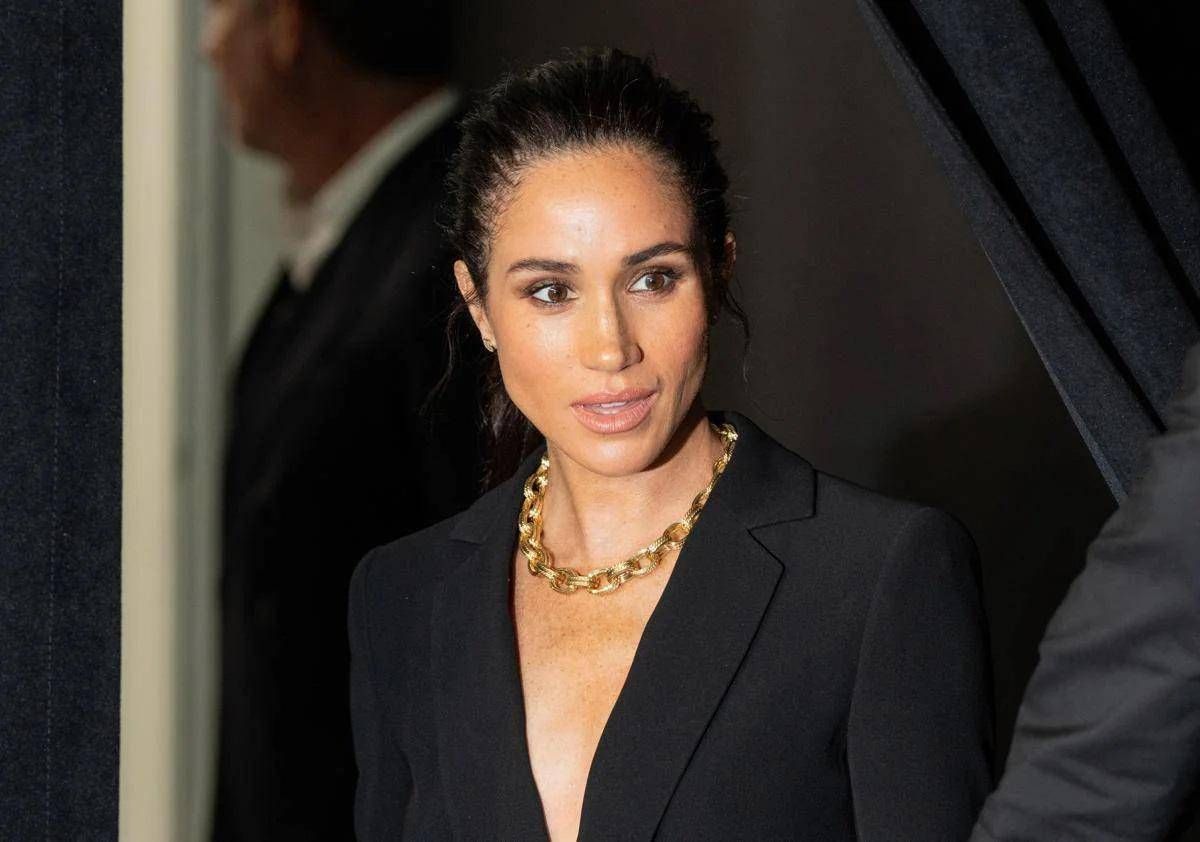
Thomas Markle Report Casts New Spotlight on Sussex Family Rift
A Daily Mail investigation claims illicit material was discovered inside a storage unit allegedly rented by Meghan Markle’s father, adding...
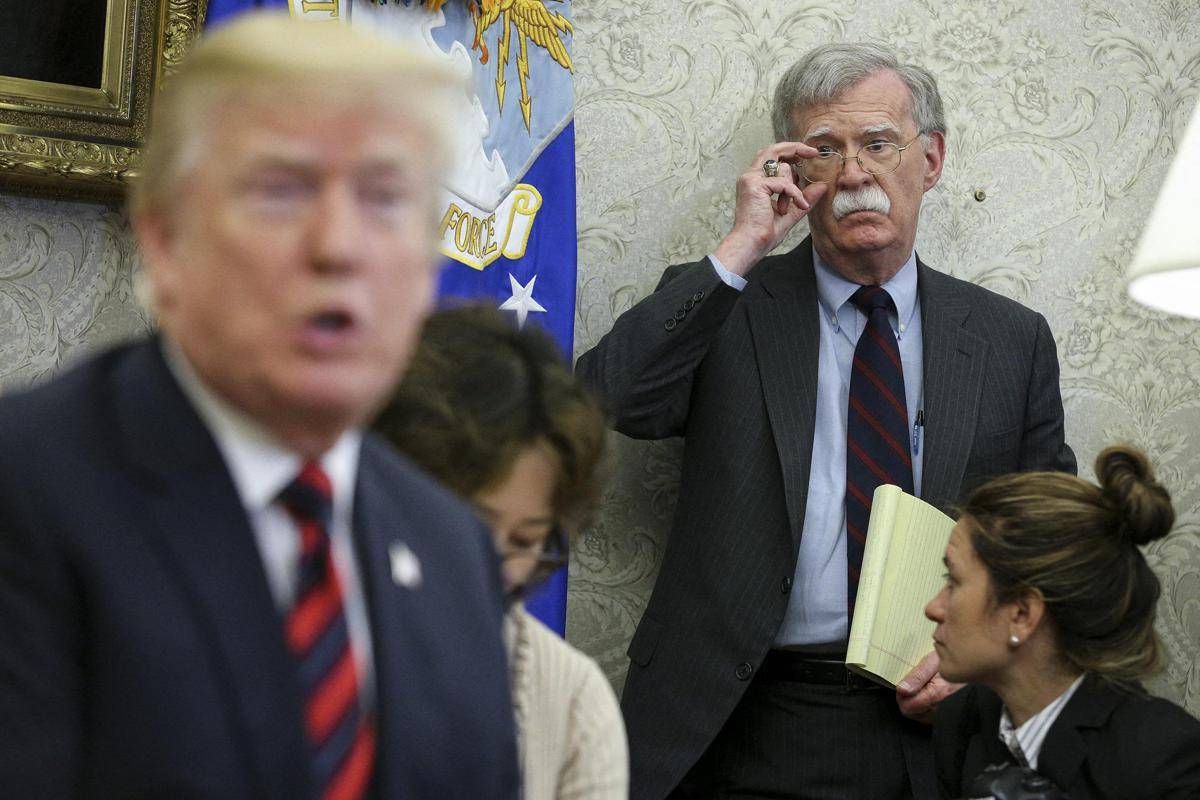
Midterms Are a Referendum on Trump, Bolton Warns
In an interview with Italian news agency Adnkronos, former National Security Adviser John Bolton argues that inflation, rising living costs...
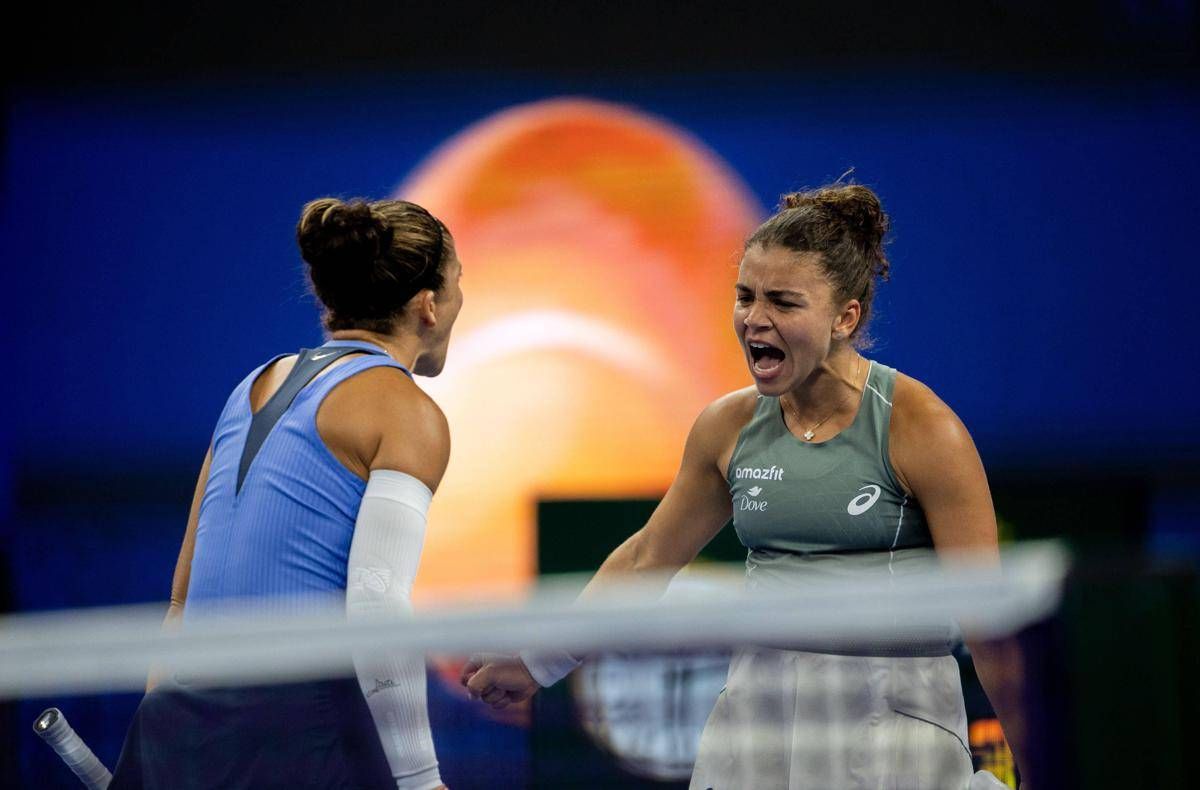
Errani e Paolini in finale a Tokyo: conquistate anche le Wta Finals
La coppia azzurra supera Mihalikova e Nicholls in due set e si assicura un posto nell’appuntamento di fine stagione riservato...


Weekend di Ognissanti, aria fredda e piogge: temperature fino a -5°C
Il maltempo raggiunge soprattutto il Centro-Sud, con rovesci insistenti fino a martedì e neve sull’Appennino centrale da domenica sera Il...
You must be logged in to post a comment Login