
International-News
Liam Fitzgerald’s Death Exposes the Fragile Reality Behind Social Media Fame
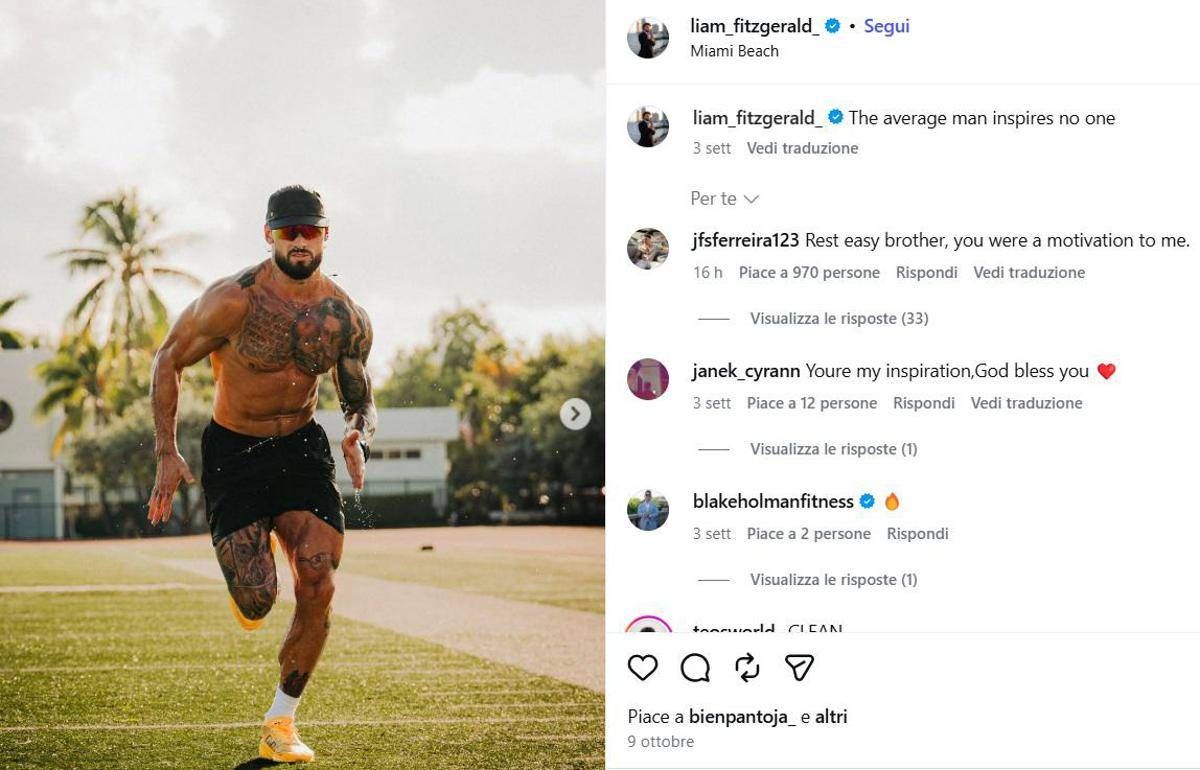
The fitness influencer spent years building a digital identity centered on discipline, ambition and self-transformation. His sudden death at 29 has left a million followers confronting the distance between the polished world of online success and the unpredictability of real life
For years, Liam Fitzgerald sold a modern version of the American dream.
Not the traditional one built through corporate offices or corner offices, but the digital-era equivalent: a sculpted physique, a growing personal brand, financial independence, a loyal audience and the freedom to document it all online. His social media feeds offered followers a steady stream of fitness advice, lifestyle content and entrepreneurial ambition, helping him build an audience that eventually surpassed one million Instagram followers.
Now, those same platforms have become a memorial.
Fitzgerald, a fitness coach, influencer and content creator, died on Oct. 30 after suffering severe injuries in a motorcycle crash. He was 29. The news was announced Saturday by his girlfriend, Jamie Lyn Rinaldi, in an Instagram statement that quickly drew thousands of messages from followers, friends and fellow creators.
“It is with the heaviest heart that I share the devastating news of Liam’s passing following a motorcycle accident,” Rinaldi wrote, adding that he died around 2 a.m. after sustaining catastrophic injuries. Despite efforts to save him, she said, doctors were unable to prevent the outcome that those closest to him feared.
Few public details about the accident have been released, and no additional information has been provided regarding the circumstances surrounding the crash.
What followers knew far better was the life Fitzgerald chose to share.
Born in Evansville, Wisconsin, he spent part of his childhood in Washington state before moving to Arizona as a teenager and later relocating to Miami, where he built both his business and online presence. There, he developed a career as a personal trainer and fitness consultant while expanding into the broader creator economy, offering training programs and producing content focused on fitness, lifestyle, fashion and personal finance.
His success reflected a larger shift in American culture. Influencers are no longer simply internet personalities. Increasingly, they function as brands, businesses and motivational figures, cultivating communities that follow not just what they do, but how they live. Fitzgerald understood that dynamic and built his public image around the idea of constant forward progress.
In a February 2026 interview with Inked magazine, he described his goal in straightforward terms.
“I want to help people achieve their goals, whether that’s fitness or building a brand,” he said.
That philosophy became the foundation of his online identity. Followers watched workouts, career updates, travels and personal milestones unfold in real time. They followed a life that appeared to be accelerating.
Motorcycles were also part of that story.
Fitzgerald frequently posted photos and videos featuring rides and motorcycle content alongside fitness updates, making the hobby a familiar element of the lifestyle he presented online. After news of his death emerged, several tributes referenced that passion while reflecting on the risks associated with riding.
Among those paying tribute was fitness model JT Reinhard, who recalled his own serious motorcycle accident earlier this year and urged caution on the road. Content creator Austin Georgas remembered Fitzgerald as a positive presence whose energy left a lasting mark on the people around him.
But the most revealing response came not from fellow influencers, but from ordinary followers.
Across Instagram, messages accumulated beneath old photographs, workout clips and motivational posts. Some thanked him for helping them lose weight. Others credited him with inspiring business ventures, healthier habits or renewed confidence. Many had never met him. Yet the reactions highlighted a defining feature of modern internet culture: the ability of creators to become meaningful parts of strangers’ daily lives.
The posts that once chronicled ambition and self-improvement are now being revisited for a different reason.
They have become a record of a young creator who built a community around the idea that personal transformation is always possible, and whose sudden death has reminded that community of something no algorithm can control: how quickly a future can disappear.
(Photo: © AndKronos)


Moss Landing Shooting Leaves Multiple Dead as California Investigators Search for Answers
Authorities have released few details about the gunfire near Monterey Bay, but the incident has already become the latest in...


Meteo, piogge e neve sull’Appennino: nuovo peggioramento dal 5 novembre
Il calo delle temperature porterà le massime fino a 4-6 gradi sotto i valori recenti. Le precipitazioni interesseranno soprattutto Centro-Sud...

Hamilton Questions Leclerc’s Team Commitment After Ferrari Flashpoint
The seven-time champion says Ferrari lost more than a race in Mexico, arguing that an internal battle with Charles Leclerc...
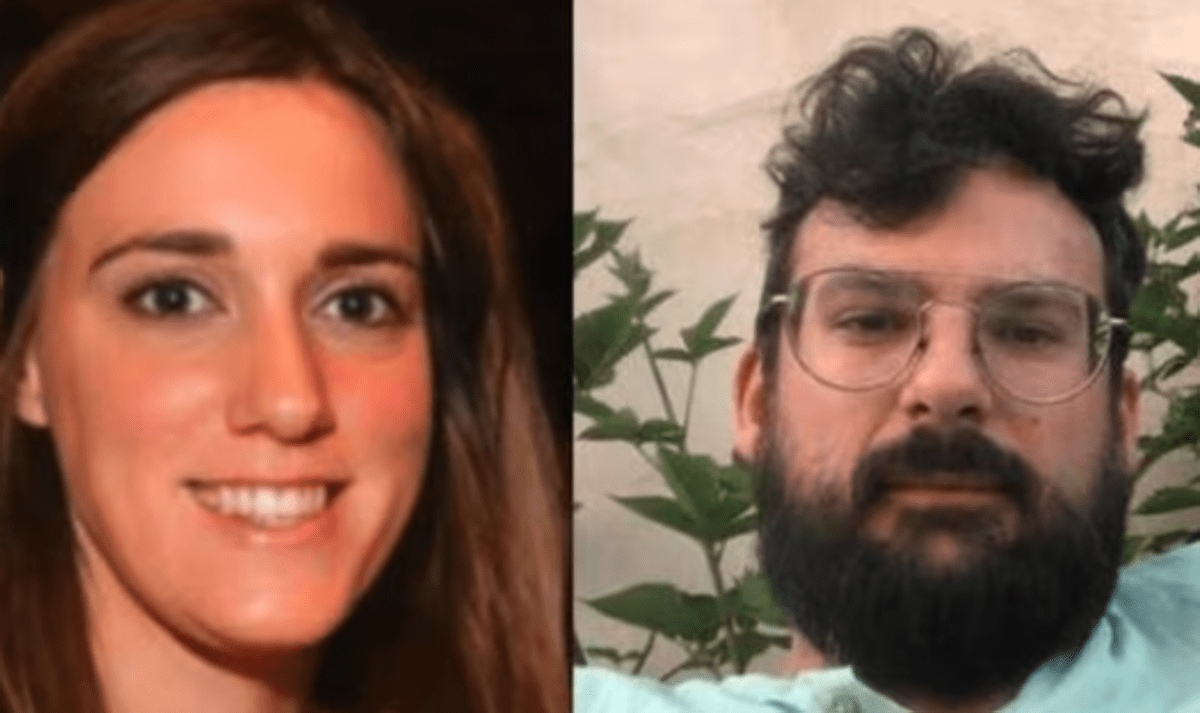
Bussolengo, accusato di aver ucciso la moglie con l’insulina: non risponde al gip
Nadir Rossi, 35 anni, è detenuto a Verona per l’omicidio premeditato e pluriaggravato di Jessica Dalla Chiara. Respinta la richiesta...


Truffe del pellet, l’inchiesta Adnkronos: così agiscono i siti falsi
Le offerte ingannevoli si moltiplicano con i primi freddi. Prezzi troppo bassi, bonifici a persone fisiche e richieste di pagamento...
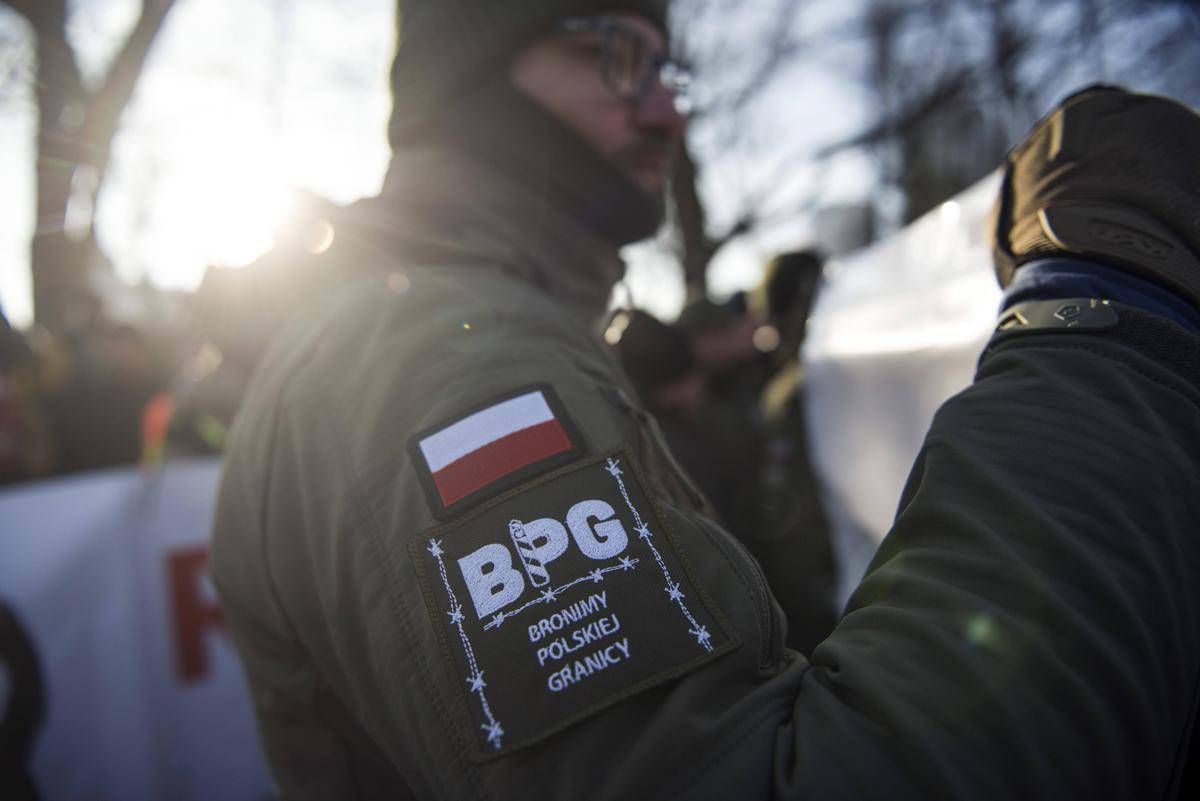
Varsavia teme incursioni dalla Russia: rafforzata la sicurezza a Kaliningrad
L’intelligence polacca e le agenzie alleate hanno segnalato possibili tentativi di attraversamento del confine da parte di gruppi armati Gruppi...

Ryanair anticipa la chiusura del check-in bagagli: cosa cambia
Non sarà più possibile consegnare il bagaglio in stiva fino a 40 minuti prima del decollo: il nuovo limite scatterà...

Iran’s Strait of Hormuz Plan Raises the Stakes for U.S. Diplomacy
Tehran says one of the world’s most critical shipping corridors can reopen within 48 hours, but only if Washington first...
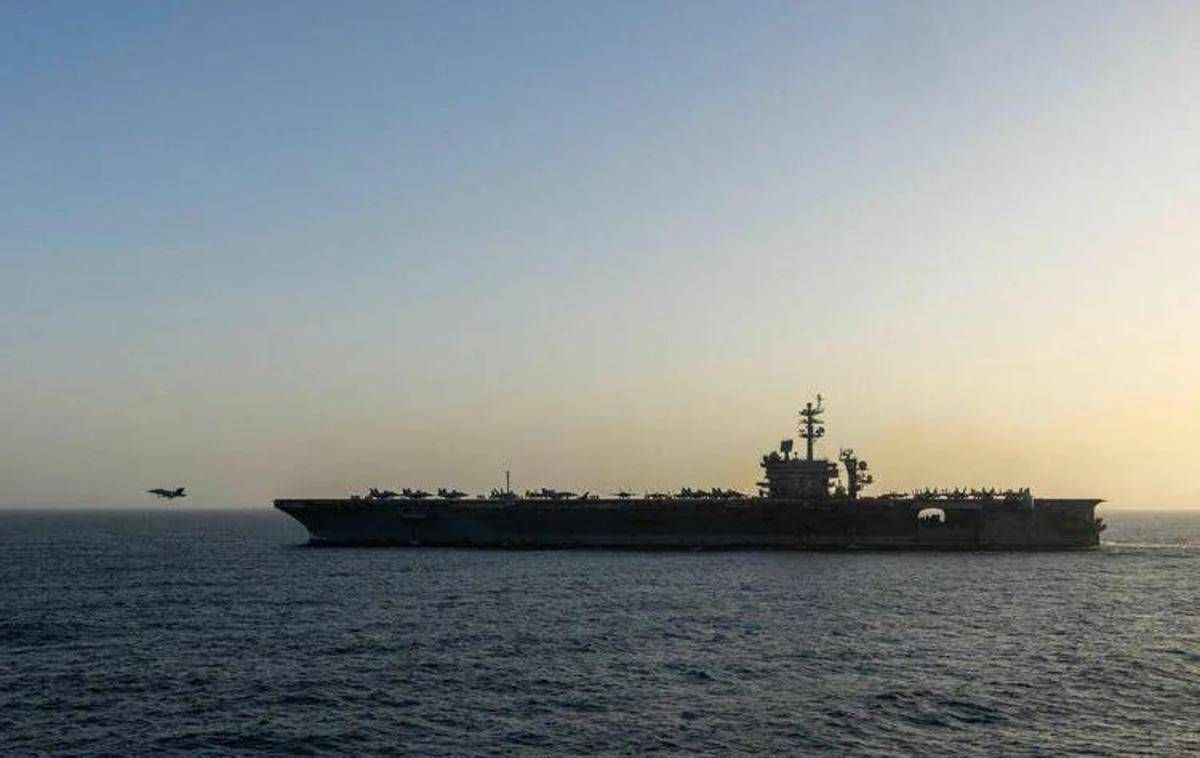
Iran, proposta agli Usa: Hormuz riapre in 48 ore se accettano le condizioni
Teheran chiede la revoca delle sanzioni, il ripristino delle esenzioni petrolifere e una riduzione della presenza militare americana nella regione...
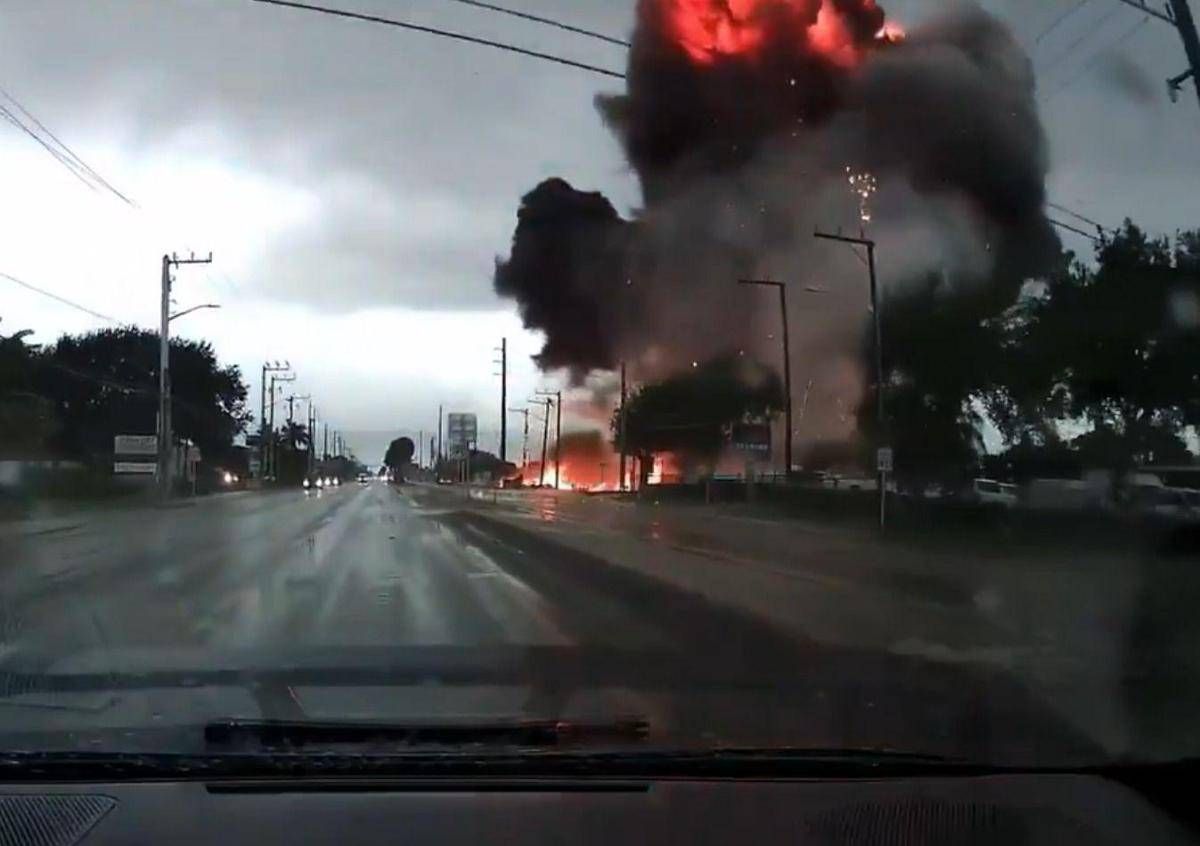
Jet Crashes Near Mar-a-Lago, Killing Nine in Seconds-Long Descent VIDEO
A private jet heading to the Bahamas plunged into a South Florida neighborhood after its crew reported severe weather, icing...
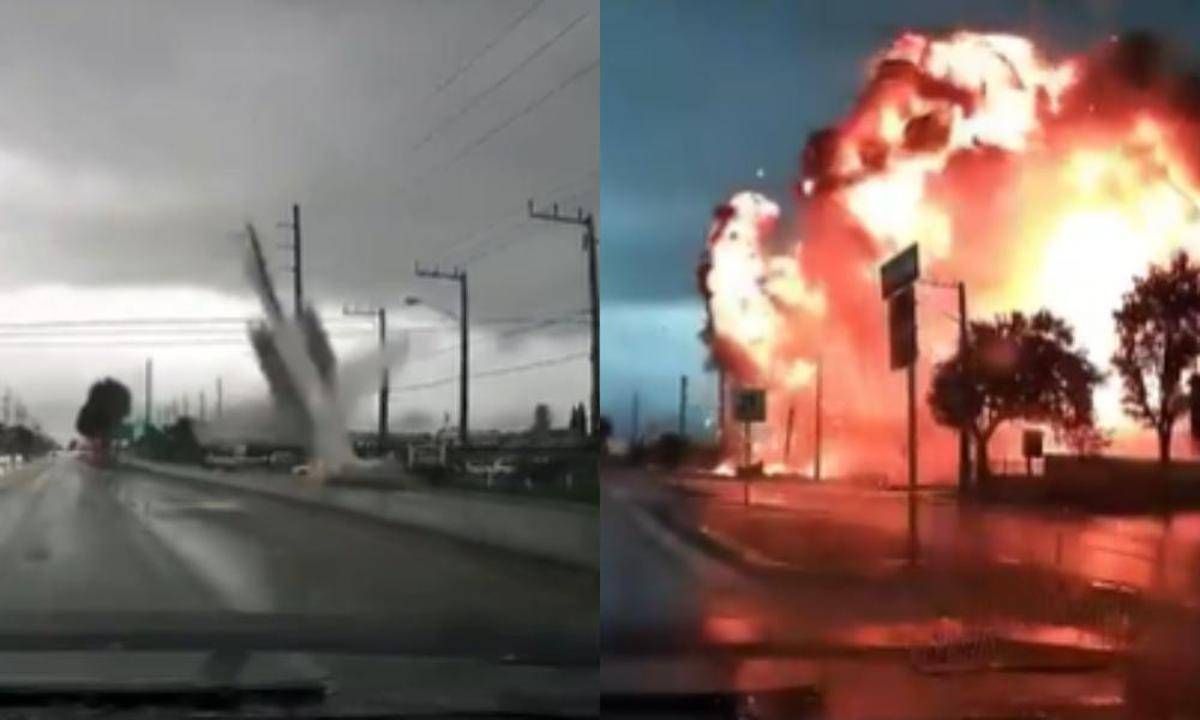
Private Jet Crash Near Mar-a-Lago Leaves Nine Dead After Crew’s Final Plea
A Learjet en route from Texas to the Bahamas plunged into a South Florida neighborhood after pilots reported severe weather,...
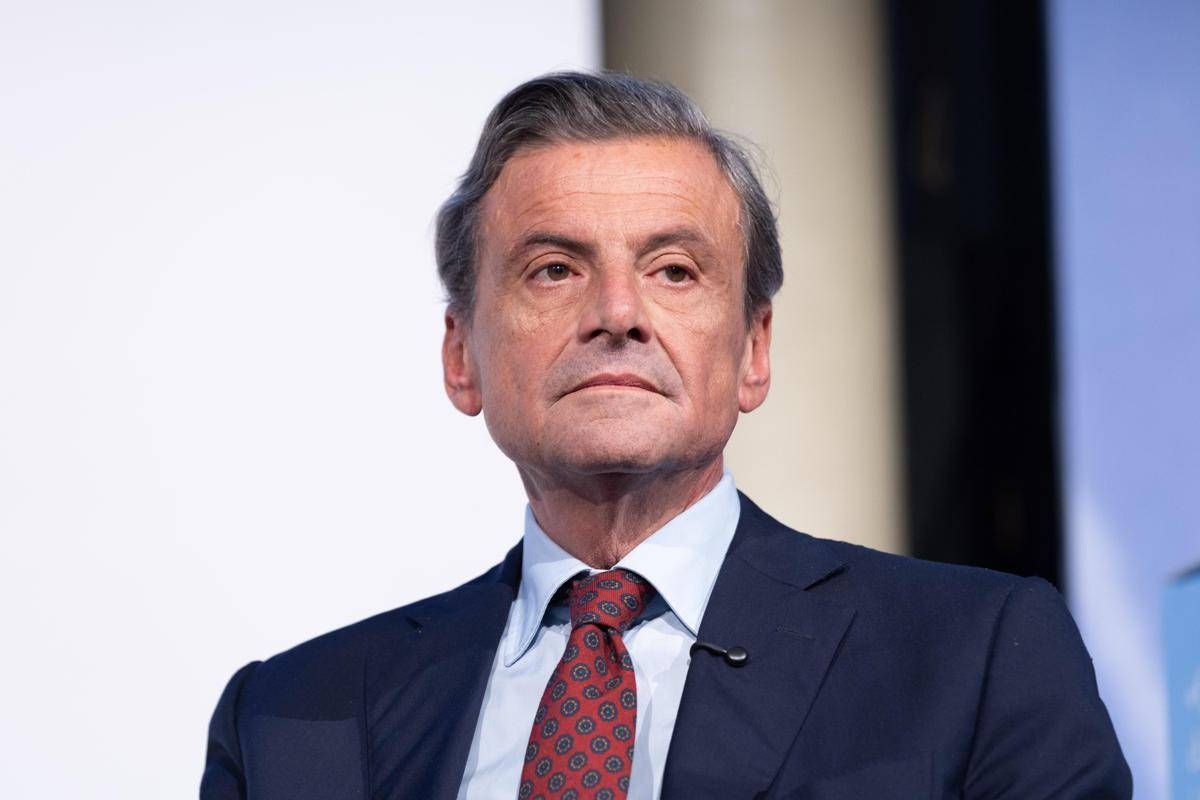
Calenda annuncia: «Azione correrà da sola alle prossime elezioni»
Esclusa l’adesione alle due coalizioni, il leader punta a costruire una lista centrista capace di incidere sulla formazione del governo...
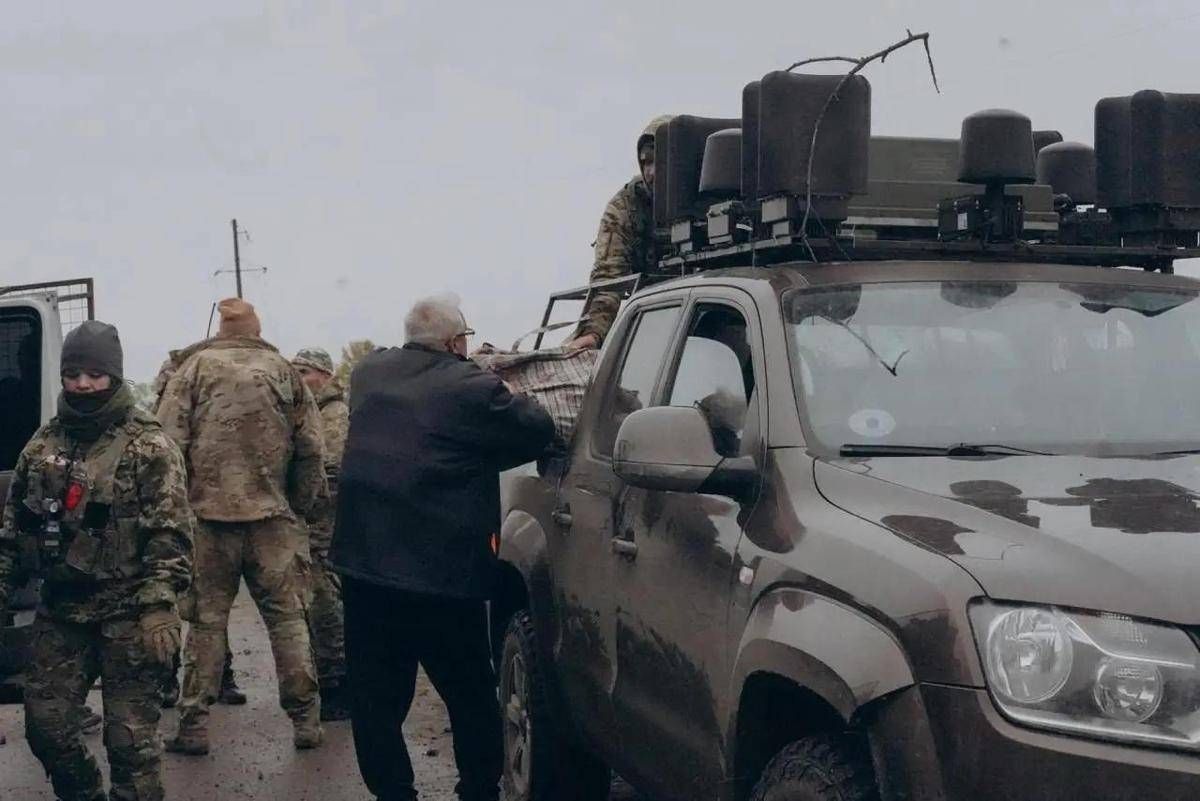
Kherson, finita la tregua di Oleshky: un drone russo ferisce due civili
La pausa umanitaria, durata sei giorni, si è conclusa il 1° novembre. Colpita un’auto nel quartiere di Korabelny La ripresa...

Governors, Not Congress, May Hold the Biggest Prize of the Midterms
Thirty-six states are electing governors, and the results could shape far more than local politics. With Democrats eyeing gains in...
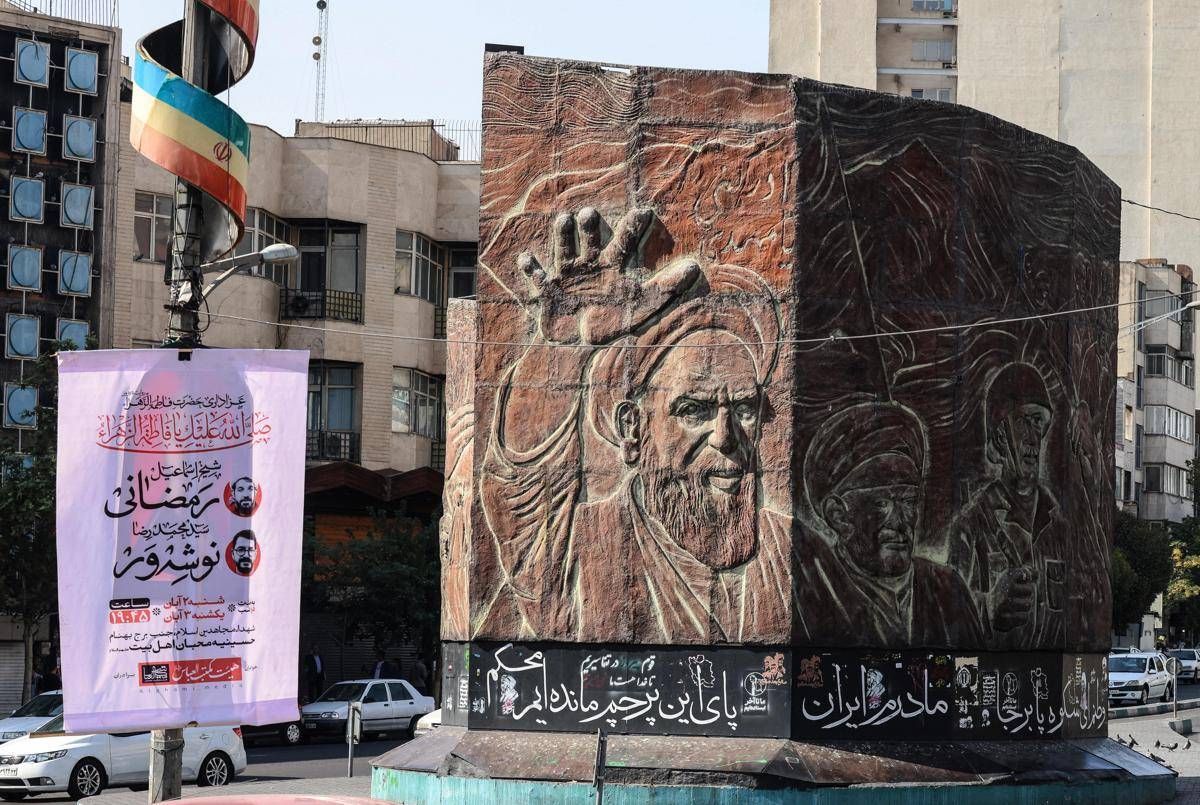
La trattativa tra Iran e Stati Uniti resta appesa alle richieste di Teheran
Nuovi attacchi in Iran, Trump rinvia ogni decisione dopo il voto del 3 novembre e lascia spazio ai negoziati. Netanyahu...
Spagna, identificate 2 italiane tra le vittime dell’incidente ferroviario
Ana Martina Conte Grand e Daniela Milan Parlanti risultavano disperse dopo lo scontro tra i due treni a Urda Il...