International-News
King Charles Faces Defining Test Over Slavery Legacy at Commonwealth Summit
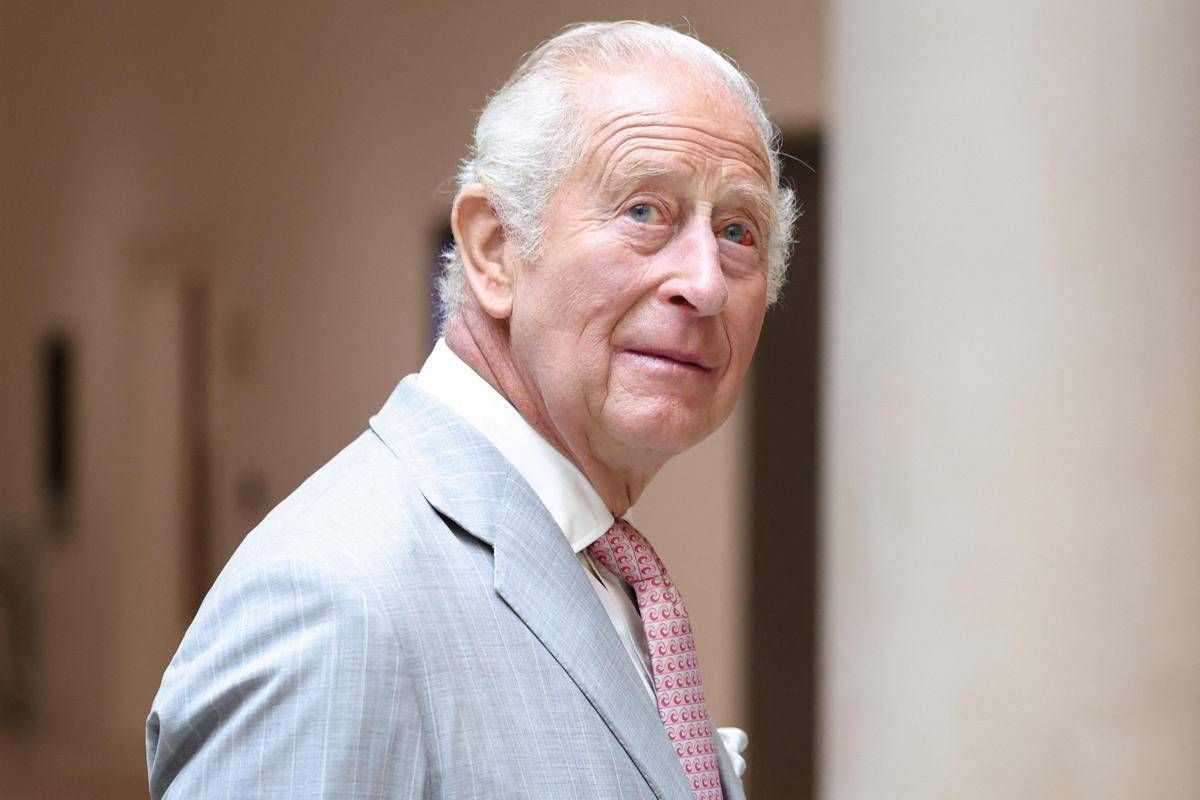
A growing call for Britain to confront its role in the transatlantic slave trade is colliding with a significant shift in government rhetoric, placing King Charles III at the center of one of the most sensitive debates facing the Commonwealth
ST. JOHN’S, Antigua and Barbuda — The most consequential issue hanging over this week’s Commonwealth summit is not trade, climate policy or international development. It is the unresolved question of how Britain should confront the legacy of slavery.
As leaders from across the 56-member Commonwealth gather in Antigua and Barbuda, pressure is building on the United Kingdom to move beyond expressions of regret and address longstanding demands for formal recognition of the suffering inflicted through the transatlantic slave trade. Into that debate steps King Charles III, who is expected to deliver a closely watched address that Buckingham Palace says will confront some of the most shameful chapters of Britain’s past with “unflinching honesty” and “sincere sorrow.”
The speech arrives at a moment when the political landscape has shifted. Prime Minister Andy Burnham has opened the door to discussions about a formal state apology, a position that would have been difficult to imagine from previous British governments. While Burnham rejected financial reparations, arguing that contemporary Britons should not bear monetary responsibility for crimes committed centuries ago, his willingness to engage with calls for an apology has elevated expectations ahead of the summit.
For many Caribbean nations, the distinction between acknowledgment and accountability has become increasingly important. Demands for reparatory justice have echoed across the region for years, fueled by arguments that the economic and social consequences of slavery continue to shape former colonies long after emancipation. What leaders and activists are seeking now is not merely another statement of regret, but a clearer reckoning with Britain’s historical role.
That places the monarch in a delicate position.
Buckingham Palace has made clear that Charles will not venture into matters that fall within the government’s policymaking authority. As constitutional monarch, he is expected to remain above political disputes, particularly on questions involving official apologies or reparations. Palace officials have stressed that his role at the gathering is as Head of the Commonwealth, where his focus will be on strengthening cooperation among member nations and encouraging collective responses to global challenges.
Yet the monarchy cannot entirely escape the wider debate. Charles has gone further than many of his predecessors in publicly acknowledging the suffering associated with slavery and colonialism. During his visit to the Caribbean, he has already encountered renewed scrutiny of Britain’s historical record, underscoring how the issue continues to influence relations between London and several Commonwealth countries.
The result is a summit shaped as much by history as by diplomacy. Commonwealth leaders face immediate challenges ranging from economic development to geopolitical uncertainty, but the conversation surrounding slavery has emerged as a test of the organization’s evolving relationship with its colonial past.
Whether the King’s words satisfy those pressing for deeper recognition remains uncertain. What is already clear is that the discussion has moved beyond the margins of Commonwealth politics and into the center of Britain’s relationship with many of its closest international partners.
By the time leaders leave Antigua and Barbuda, the debate over apologies, responsibility and historical justice is unlikely to be resolved. But both the British government and the Crown will have offered their clearest indication yet of how they intend to navigate an issue that continues to resonate across generations and continents.
(Photo: © AndKronos)