International-News
Midterms Are a Referendum on Trump, Bolton Warns
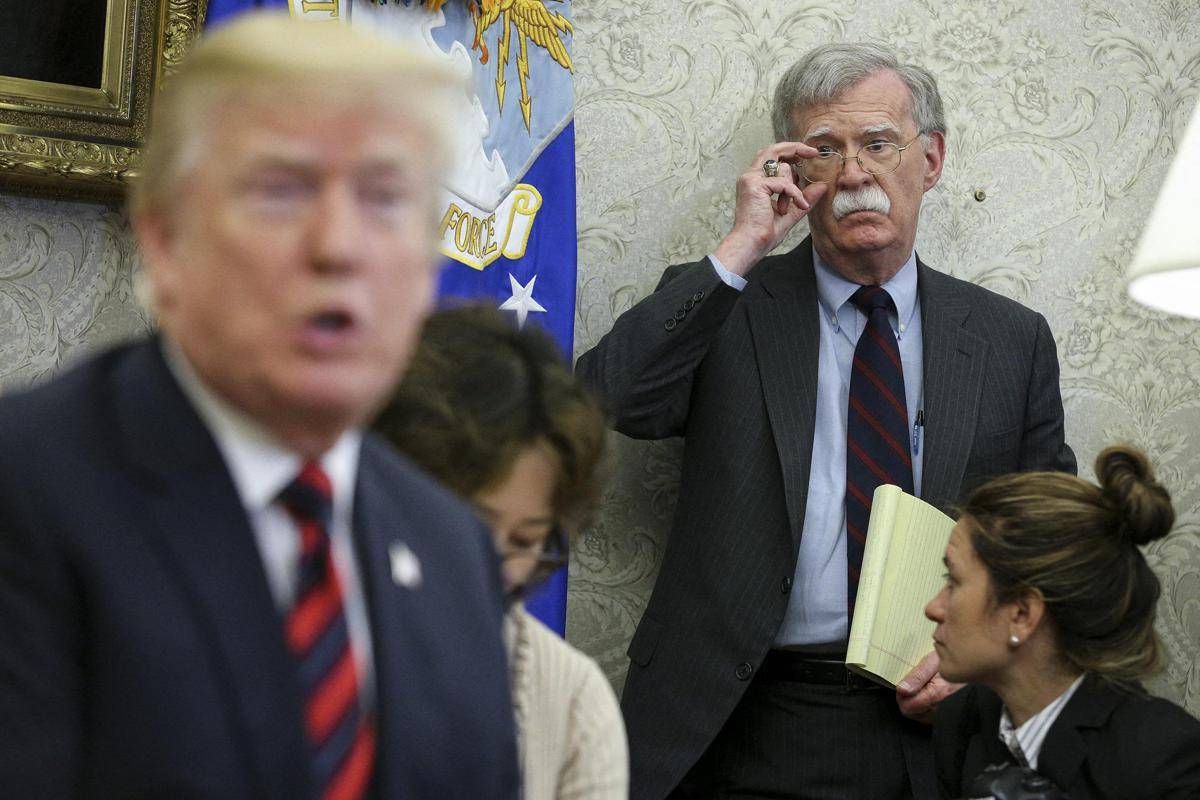
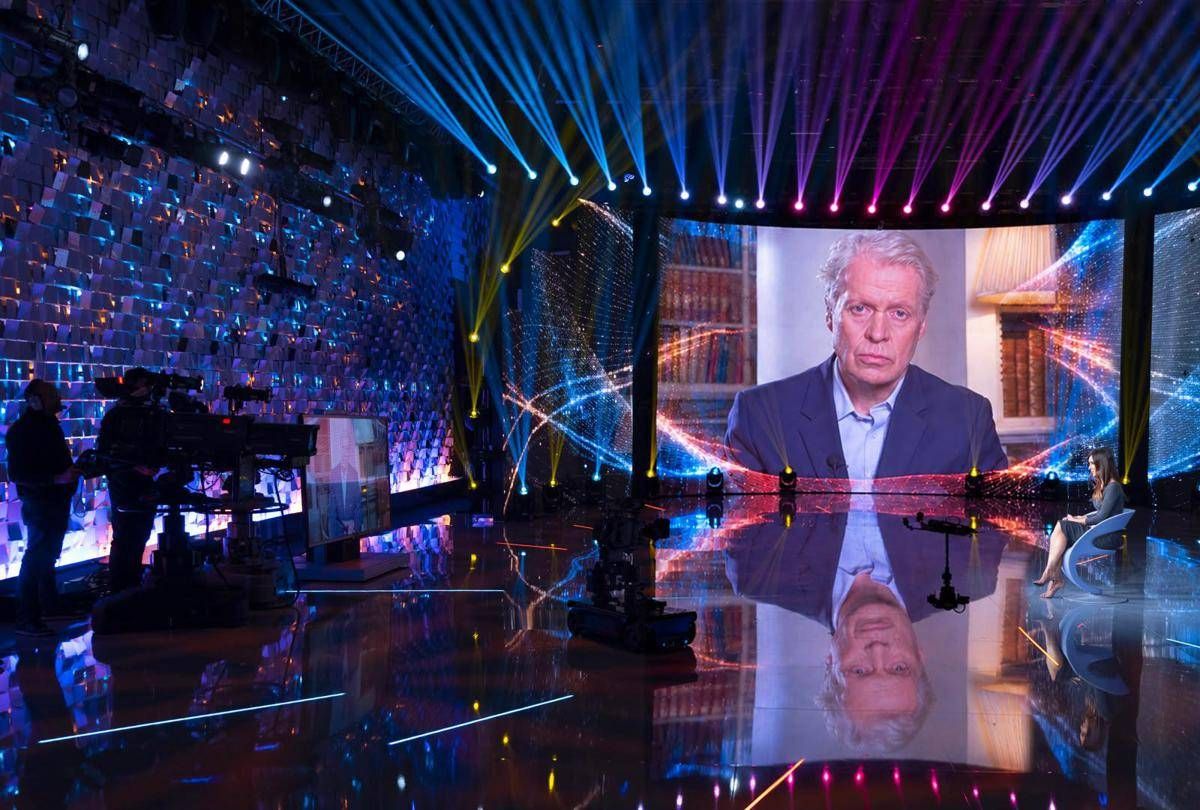
In an interview with Italian news agency Adnkronos, former National Security Adviser John Bolton argues that inflation, rising living costs and voter frustration have turned the Nov. 3 midterm elections into a direct judgment on Donald Trump. He also warns that Vladimir Putin sees the president as an easy negotiating target and says a Democratic Congress would have limited ability to constrain him on foreign policy
The central question hanging over the Nov. 3 midterm elections is no longer which party will control Congress. According to former National Security Adviser John Bolton, it is whether American voters still believe Donald Trump can deliver what helped return him to power in the first place: a stronger economy.
Bolton’s assessment is blunt. Republicans are not simply defending House and Senate seats. They are defending Trump’s presidency.
“Trump himself is on the ballot,” Bolton said in an interview with Italian news agency Adnkronos.
That observation serves as the foundation for Bolton’s broader reading of the political landscape. While midterm elections typically revolve around hundreds of local contests and regional concerns, he believes voters have transformed this year’s vote into a national verdict on Trump, his economic stewardship and his conduct in office.
If current polling proves accurate and Republicans lose the House, the Senate or both, Bolton sees little ambiguity in the message. Such a result would represent a rejection not merely of Republican candidates but of the president who has come to dominate the party.
The reasons, he argues, are overwhelmingly economic.
Voters who supported Trump expected relief from financial pressure, lower costs and greater economic stability. Instead, concerns about inflation, household budgets and job security remain widespread. The issue, Bolton says, is what Democrats describe as affordability, a broad anxiety that has eclipsed many of the ideological battles typically associated with national campaigns.
Even foreign crises ultimately get filtered through that economic lens.
A conflict abroad may help drive energy prices higher, Bolton noted, but voters are not casting ballots based on geopolitical calculations. They are responding to higher costs in their daily lives.
“They are not voting against the war,” he said. “They are voting against the consequences.”
Bolton believes that frustration extends beyond Democratic voters. Many independents remain wary of Trump, while some Republicans have never fully embraced his behavior or governing style. Because Trump is not personally running, those voters may express their dissatisfaction by voting against Republican candidates.
The former adviser predicts that a Democratic victory in one or both chambers would usher in a period of relentless scrutiny for the administration. Committees would launch investigations, conduct hearings and revisit decisions stretching across both Trump’s current presidency and his first term.
For the White House, it would be politically painful.
For Trump personally, Bolton expects a familiar response.
The president, he said, tends to divide the world into winners and losers. If Republicans suffer setbacks, Bolton does not believe Trump will view the outcome as a personal rebuke. Instead, he is likely to blame weak candidates, flawed campaigns or party failures rather than his own leadership.
Still, Bolton expects the consequences to be significant. A more hostile Congress would create years of confrontation, damaging headlines and sustained political pressure.
What it would not necessarily create, he argues, is meaningful restraint over foreign policy.
Bolton contends that the constitutional powers of the presidency leave Congress with relatively limited tools to stop a determined president in international affairs. Lawmakers can investigate, criticize and hold hearings. Fundamentally changing policy is far harder.
That concern surfaces most clearly in Bolton’s assessment of Russia and Ukraine.
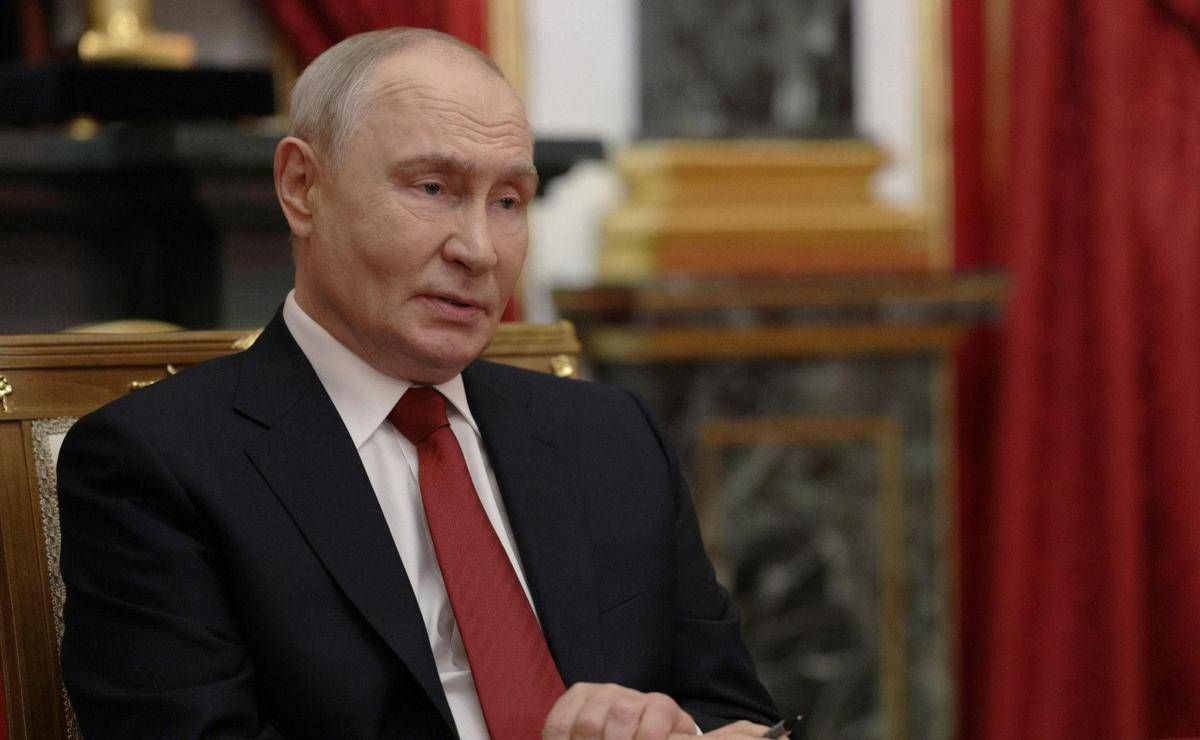
Asked about Trump’s relationship with Russian President Vladimir Putin, Bolton offered one of his starkest warnings. In his view, Trump places too much emphasis on personal relationships between world leaders and too little on enduring strategic interests.
“Putin sees Trump as a very easy target,” Bolton said.
The risk, according to Bolton, is that any major negotiation conducted primarily between Trump and Putin could produce an outcome favorable to Moscow and unfavorable to Kyiv. Congressional opposition would likely emerge from both parties, he said, but he remains skeptical that lawmakers could ultimately stop such a deal.
Bolton also argued that Russia continues to pursue influence operations across Europe through tactics designed to weaken confidence in democratic institutions. He pointed to election interference, cyber operations and disinformation efforts as part of a long-running strategy. While he said he has no direct evidence that Moscow is currently financing radical groups involved in anti-government protests, he suggested such behavior would fit a pattern seen repeatedly over decades.
His explanation for the often unpredictable relationship between Trump and Italian Prime Minister Giorgia Meloni was far less ideological than personal.
Bolton argued that Trump reacts strongly to public criticism and pays less attention to strategic alignment than many foreign observers assume. He believes criticism from Meloni over Trump’s comments regarding the Pope strained relations not because of a broader policy disagreement, but because Trump dislikes being challenged publicly.
That, Bolton said, reflects a larger truth about how the president makes decisions.
“He doesn’t have ideas. He has reactions.”
For Bolton, that observation helps explain nearly every major foreign-policy question facing the administration, from Europe to Russia to the Middle East.
It also explains why he is reluctant to predict Trump’s next move regarding Iran.
Bolton said the president has already instructed military planners to prepare options for potential action. Whether those plans evolve into a new military campaign, a diplomatic initiative or something in between remains impossible to know.
Not because the political conditions are unclear, Bolton suggested, but because the president himself may not yet know what course he intends to take.
As for what happens after Election Day, Bolton’s answer is strikingly simple.
Trump will decide when the moment arrives.
And, he suggested, that decision may depend less on strategic doctrine than on instinct.
(Photo: © AndKronos)