
International-News
U.S. Strike on Iran Forces Beijing to Weigh Strategic Options

As American and Israeli operations escalate, China faces critical decisions regarding its energy supplies and global influence
The recent U.S.-Israel strike on Iran has shifted the global strategic landscape, placing Beijing in a delicate position over its energy supplies and geopolitical ambitions. As the Middle East conflict escalates, the stakes extend beyond Tehran, Washington, and Tel Aviv, directly implicating the Dragon’s role on the world stage.
For China, the situation is a complex calculus. Remaining silent or allowing the operation to unfold without intervention risks a reduction in its strategic influence. Losing access to Iranian oil, following already strained Venezuelan supplies, would force Beijing to rely increasingly on Russian energy, a move fraught with risk and insufficient to meet demand.
Supporting Tehran openly, on the other hand, carries the potential for military escalation and additional sanctions, complicating the Chinese leadership’s already cautious foreign policy.
The dynamics are further complicated by Moscow. While Russia and Iran align against Western powers—currently the United States and Israel—they also compete when selling sanctioned oil, creating a market environment where China, as the dominant buyer, can dictate prices. This dual leverage reinforces Beijing’s strategic position but also magnifies its exposure to the unfolding conflict.
With missiles striking across the Persian Gulf and the Strait of Hormuz effectively closed, the region has become a complex strategic puzzle. The Dragon’s measured silence for now contrasts sharply with the overt military action by the United States and Israel, but analysts warn that Beijing’s next moves could decisively shape both Middle Eastern stability and the broader global order.
The U.S.-Israel strike on Iran thus forces China to carefully balance energy access, economic leverage, and regional influence, illustrating the far-reaching consequences of the operation beyond the immediate battlefield.
THE LATEST NEWS
[recent_post_slider design=”design-07″ show_author=”false” slider_height=”390″ lazyload=”progressive” limit=”6″ category=”11728″]
(With source: © AndKronos)



Reggio Emilia, tentata violenza sessuale nei bagni di un centro commerciale: arrestato 22enne
L’uomo, già sottoposto al divieto di dimora in città per una tentata rapina, è stato identificato dalla Squadra Mobile dopo...

Sgarbi, migliora la respirazione dopo il ricovero: al via la riabilitazione
Il 74enne è ancora sottoposto a tracheostomia, ma i medici hanno disposto il trasferimento dalla Terapia intensiva al reparto di...
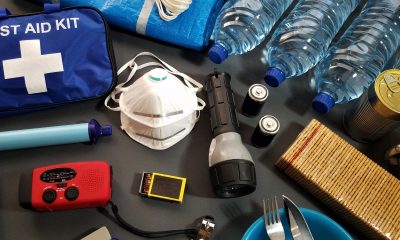

UK Emergency Preparedness Campaign Triggers Run on Survival Supplies
After the British government urged households to prepare for potential national emergencies, retailers selling emergency gear saw demand surge almost...

Marano, bambino di 5 anni afferrato davanti casa: la madre lo salva e dà l’allarme
La donna si è precipitata in strada dopo aver visto uno sconosciuto trattenere il figlio. I carabinieri hanno identificato un...
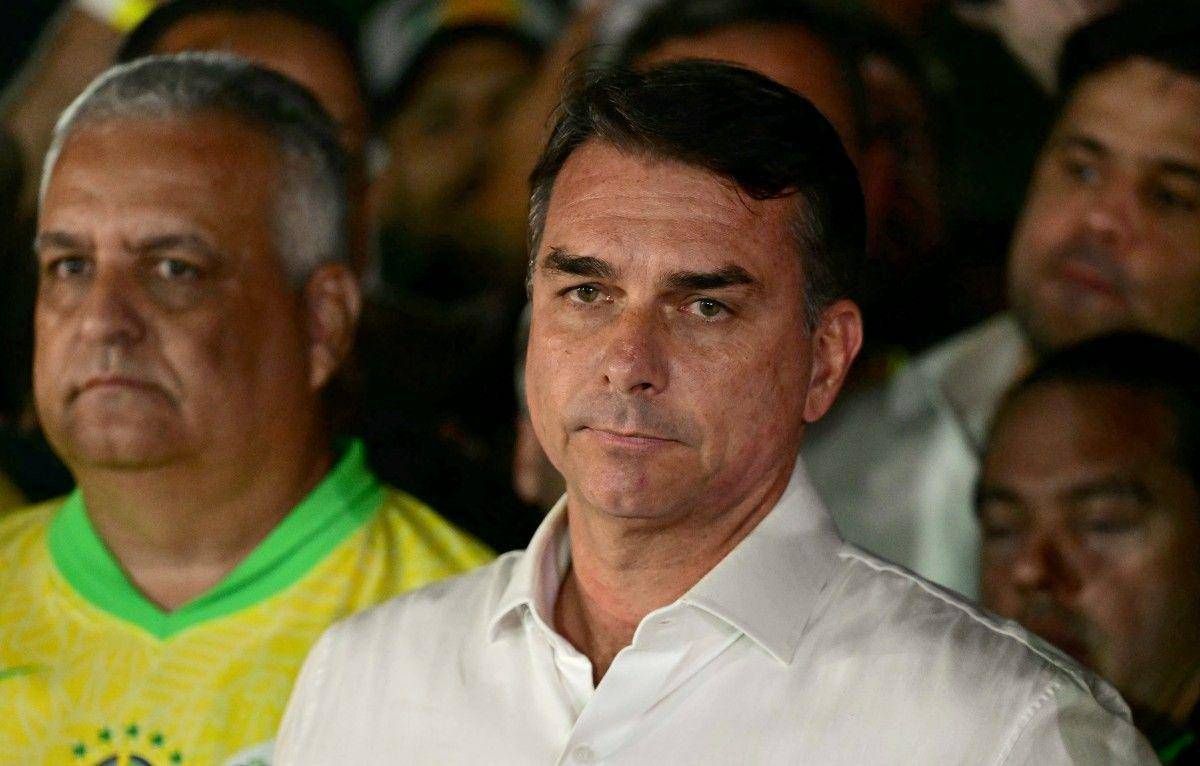
Brasile, il partito di Bolsonaro riconosce la vittoria di Lula
Flavio Bolsonaro rinuncia a chiedere l’annullamento del voto, ma annuncia un ricorso per invalidare la candidatura del presidente rieletto. Il...
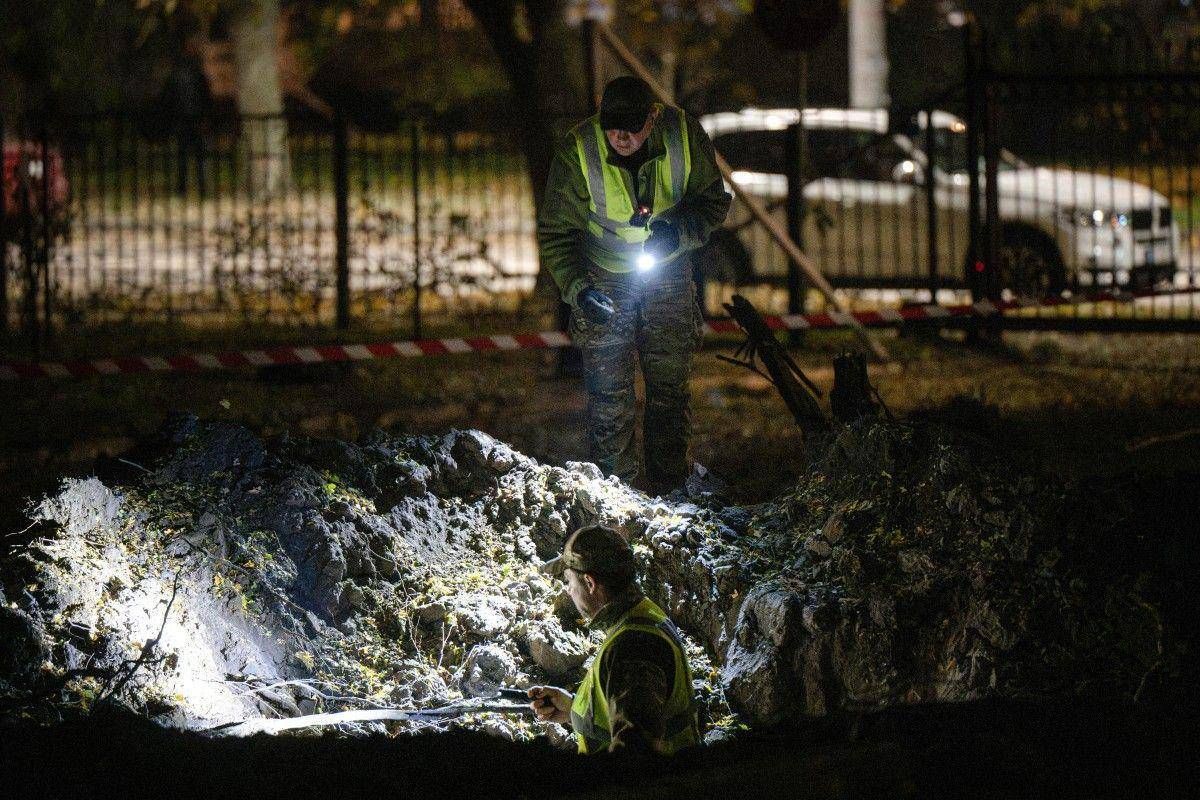
Oleshky, cessate il fuoco dal 27 ottobre: nuovi attacchi russi a Kiev
Oleshky, cessate il fuoco dal 27 ottobre per un’operazione umanitaria. Intanto gli attacchi russi provocano morti e feriti a Kiev...
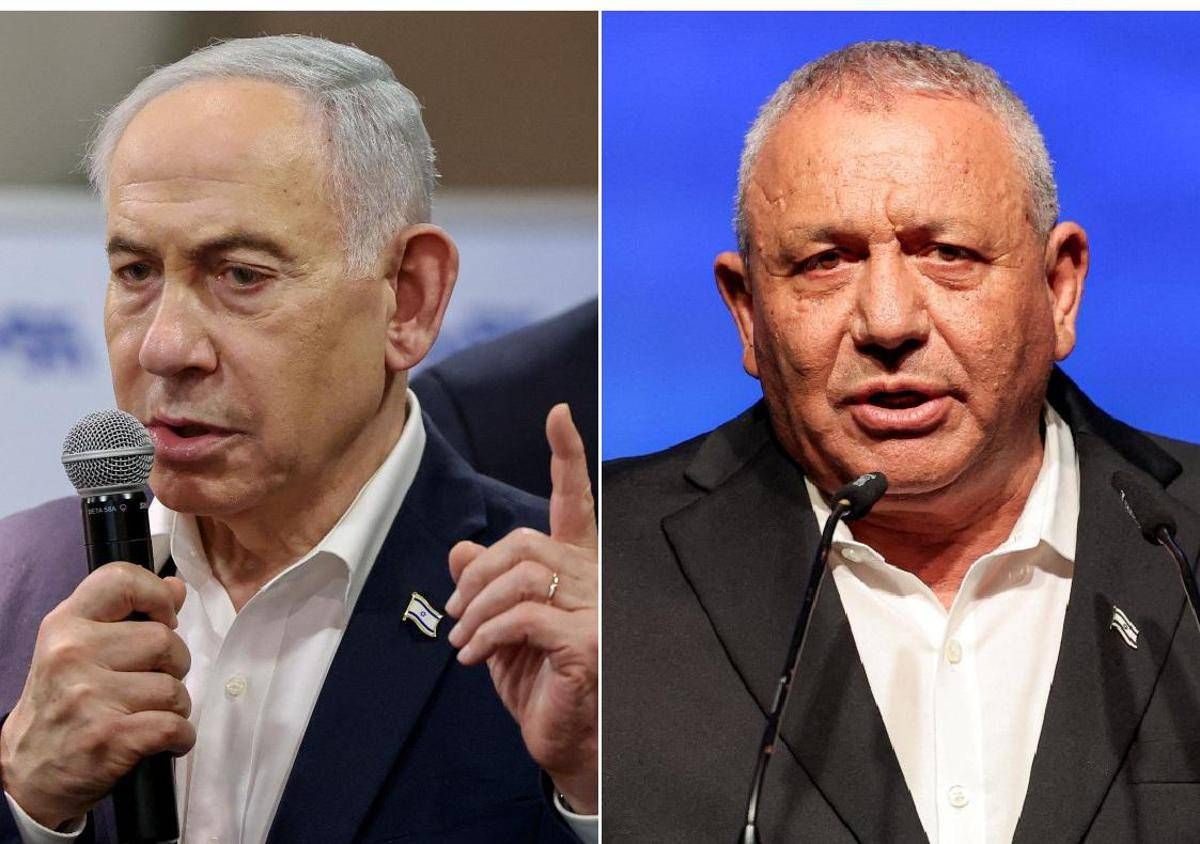
Israele al voto, Netanyahu si gioca il futuro: Likud sfidato da Eisenkot
Oltre 7,3 milioni di elettori sono chiamati a rinnovare i 120 seggi della Knesset. Gli ultimi sondaggi indicano una corsa...


Treni, voli e scuole: venerdì 30 ottobre l’Italia si ferma per lo sciopero
La mobilitazione proclamata da Usb contesta il carovita, l’economia di guerra e le condizioni di lavoro. Per i treni l’agitazione...
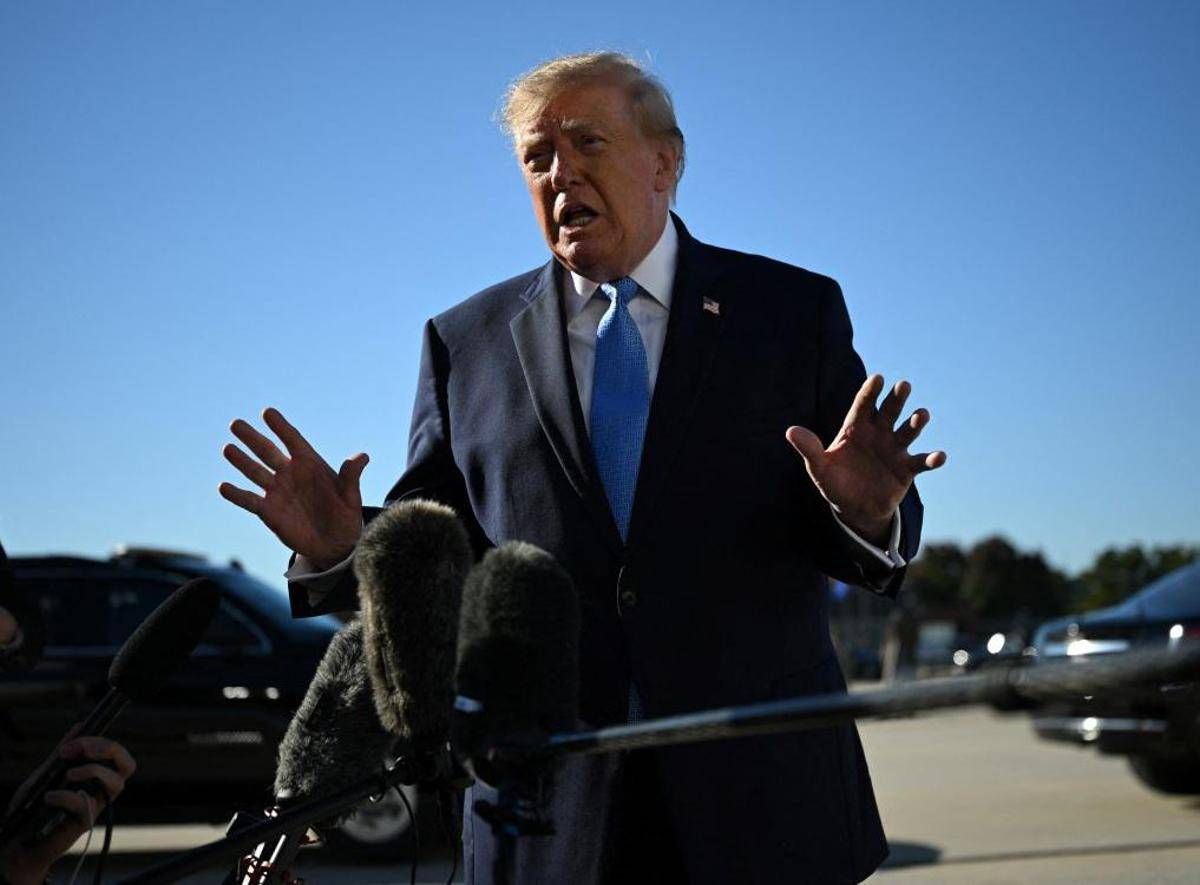
Trump Puts a $1 Million Bounty on Election Fraud Claims
As the 2026 midterms draw closer, Donald Trump is offering a seven-figure reward to anyone whose allegations of election fraud...

Tortoreto, bimbo di 10 mesi non respira: il padre lo salva guidato dal 118
Il piccolo era poco cosciente e aveva gravi difficoltà respiratorie. L’operatore Mario Quaranta ha spiegato al genitore come eseguire le...
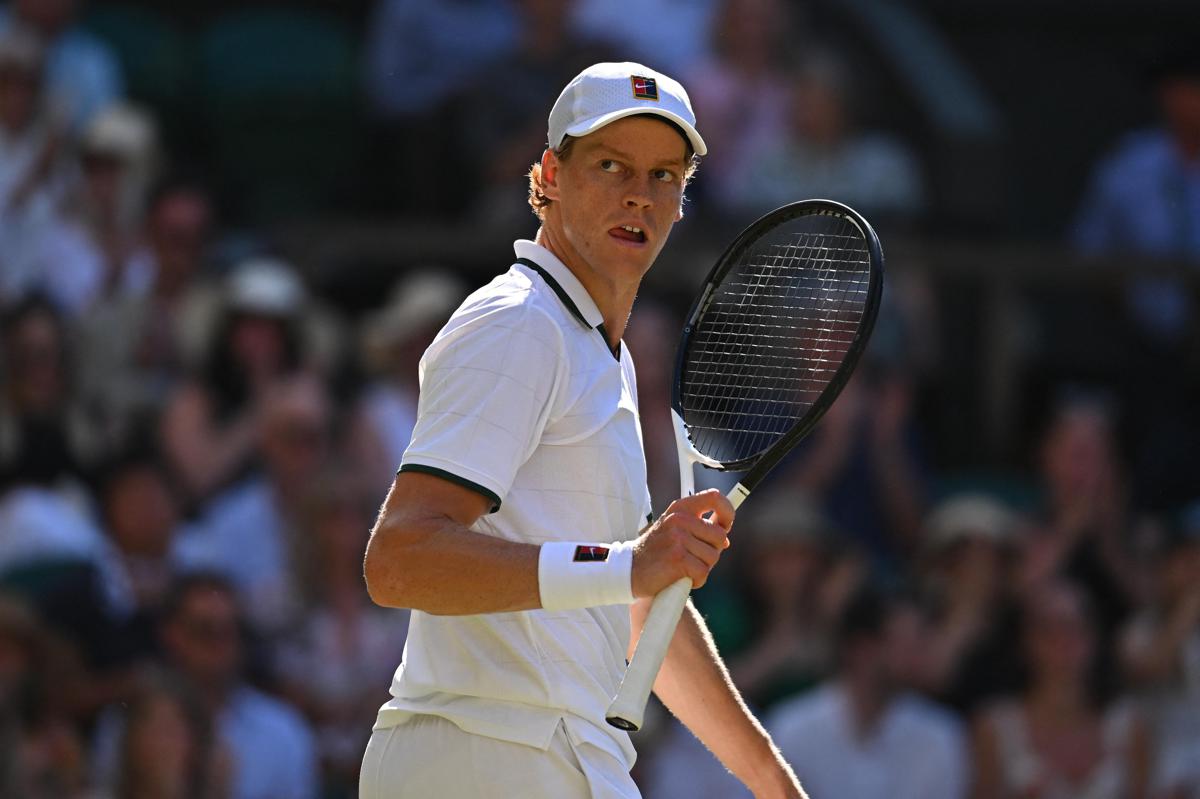
Jannik Sinner torna in campo a dicembre: giocherà il Six Kings Slam
L’azzurro ha annunciato a sorpresa la partecipazione all’esibizione di Riad, in programma dal 27 al 30 dicembre. Resta da chiarire...
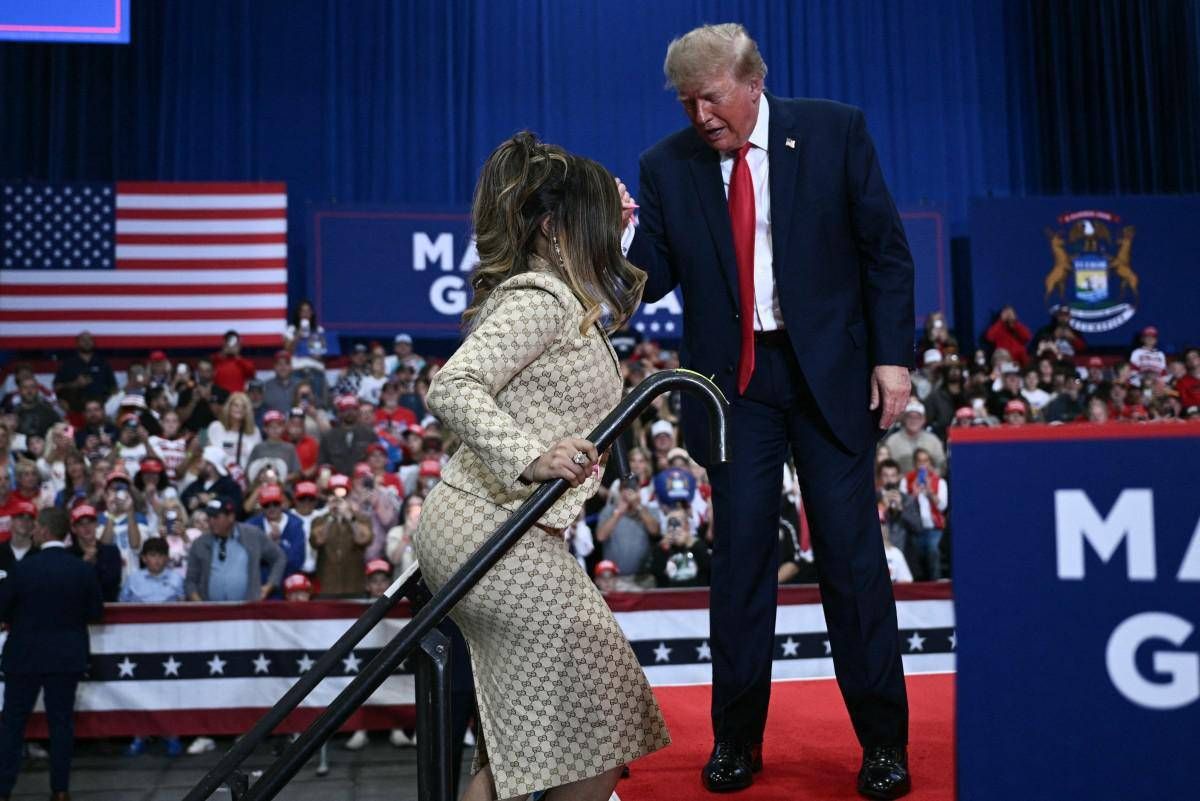
From Resume to Rear View: How Trump Turned a White House Rumor Into a Conversation About Nicki Minaj’s Body
The qualifications for a White House press secretary are supposed to be obvious: communication skills, policy knowledge and the ability...

Papa Leone XIV, confermato il viaggio in America Latina dopo l’intervento
Il Pontefice sarà in Uruguay, Argentina e Perù dal 6 al 17 novembre. Il medico personale esclude controindicazioni alla partenza...
Mondiali di sollevamento pesi 2030 in Russia, l’Ucraina annuncia ricorso
Il ministro dello Sport Matviy Bidny contesta la decisione della Federazione internazionale e si rivolgerà anche al Comitato Olimpico Internazionale....
Trump Attacks Norway After Second Nobel Rejection
The president’s latest outburst targets a close NATO ally, the independent Nobel Committee and even Norwegian immigrants, after the 2026...

Kimi Antonelli a due punti dal Mondiale: l’Italia sogna dopo 73 anni
In Messico il pilota Mercedes può diventare campione del mondo anche senza conquistare punti, se né George Russell né Lewis...