
International-News
Trump claims victory as Strait of Hormuz reopens, but doubts persist
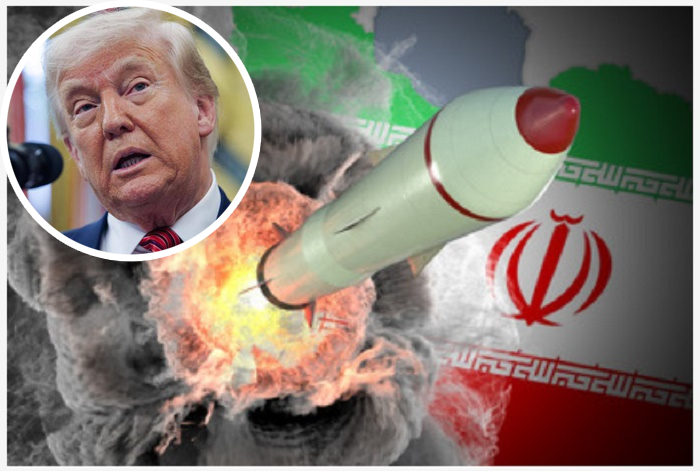
Washington hails a diplomatic success after months of conflict with Iran, yet analysts warn the outcome may simply restore the pre-war status quo
Donald Trump has framed the end of the war with Iran as a diplomatic and strategic victory, pointing to the reopening of the Strait of Hormuz and the normalization of global energy routes as tangible proof of success. The White House has presented the agreement as a stabilizing force for the Middle East and a safeguard for international trade.
Yet analysts caution against embracing that narrative too quickly. According to assessments cited by The Washington Post, the outcome celebrated by the administration appears, on closer inspection, to resemble a return to the conditions of February 27—the day before the United States and Israel launched their attack on Iran—rather than a breakthrough aligned with the war’s original objectives.
The conflict had been framed, in part, as a response to internal unrest in Iran, with the stated aim of supporting protesters challenging the regime. Following the killing of Iran’s supreme leader Ali Khamenei, Trump publicly encouraged Iranians to reclaim their country. No such uprising materialized. Instead, over nearly four months, Iran’s leadership demonstrated its resilience: absorbing sustained military pressure, closing the Strait of Hormuz, disrupting global energy markets, and deepening a political rift between Trump and Israeli Prime Minister Benjamin Netanyahu.
That divide became increasingly visible, culminating in public remarks in which Trump openly criticized his Israeli counterpart. The shift in Washington’s approach has been equally pronounced. Where the administration once spoke of regime change, it now emphasizes negotiation. Trump himself underscored the pivot, stating that regime change had never been a priority and describing the current Iranian leadership as the “most rational” interlocutors the United States has dealt with.
The administration has also asserted that Iran agreed not to pursue nuclear weapons as part of the deal ending hostilities. Iranian officials, however, have indicated that the most sensitive aspects of nuclear negotiations remain unresolved and contingent upon the lifting of the U.S. naval blockade.
With key details of the agreement still undisclosed, experts argue that it is premature to assess its long-term significance. Negotiators must still address critical issues, including a potential moratorium on further nuclear fuel enrichment and the fate of Iran’s existing stockpile of enriched uranium, which expanded after the U.S. withdrawal from the 2018 nuclear accord.
Dan Shapiro, who worked on Iran policy during the Biden administration and served as U.S. ambassador to Israel when the 2015 nuclear deal was negotiated, warned that Tehran has a track record of prolonging talks to extract concessions. He suggested that a final agreement may not materialize—and, if it does, could prove less advantageous than one achieved through pre-war diplomacy.
For now, Shapiro argued, the most concrete outcome remains the reopening of the Strait of Hormuz, a development that underscores how Iran has transformed a theoretical lever of pressure into a powerful tool capable of imposing real costs on the global economy.
CNN analysts echoed the cautious tone, noting that while any agreement ending a conflict with significant human and economic costs is inherently positive, the lack of transparency surrounding the deal raises fundamental questions. Among them: whether the reopening of the Strait merely signals a return to the pre-war status quo; whether Washington is any closer to a stronger nuclear agreement than the one abandoned in 2018; and whether a war that caused widespread disruption and casualties has produced results sufficient to justify its cost.
For now, those questions remain unanswered, leaving the broader strategic impact of the agreement uncertain.
THE LATEST NEWS
[recent_post_slider design=”design-07″ show_author=”false” slider_height=”390″ lazyload=”progressive” limit=”6″ category=”11728″]
(Photo: © AndKronos)


MotoGP, cancellato il GP d’Australia: decisivo il maltempo a Phillip Island
La gara, inizialmente rinviata alle 5 italiane per pioggia e scarsa visibilità, è stata annullata per i rischi legati ai...
Brasile al voto, Lula e Bolsonaro testa a testa: cosa dicono i sondaggi
Il ballottaggio si apre con un margine minimo tra i due candidati. Datafolha registra una parità al 50%, mentre le...


Riscaldamento, le mosse per spendere meno
Secondo uno studio Enea, ripristinare le misure adottate durante la crisi energetica del 2022 potrebbe ridurre il consumo di gas...

Ostia senza internet, connessione in tilt anche ad Acilia e Infernetto
Dalle prime ore di domenica 25 ottobre numerose segnalazioni sui gruppi Facebook. Il disservizio sembra coinvolgere utenze domestiche di diversi...

F1, GP Stati Uniti 2026: Antonelli in pole, griglia e orari tv
A Austin il leader del Mondiale parte davanti a Max Verstappen. Gara alle 21, in diretta su Sky e in...
Musk accusa Kiev: «Ha usato Starlink per uccidere con i droni»
Il patron di SpaceX sostiene che l’esercito ucraino abbia violato le condizioni del servizio satellitare. Zelensky aveva denunciato rallentamenti della...
MotoGP Australia, Marquez in pole: griglia di partenza e orari tv
Il GP di Phillip Island scatta domenica 25 ottobre alle 4 ora italiana. Diretta esclusiva su Sky, differita in chiaro...
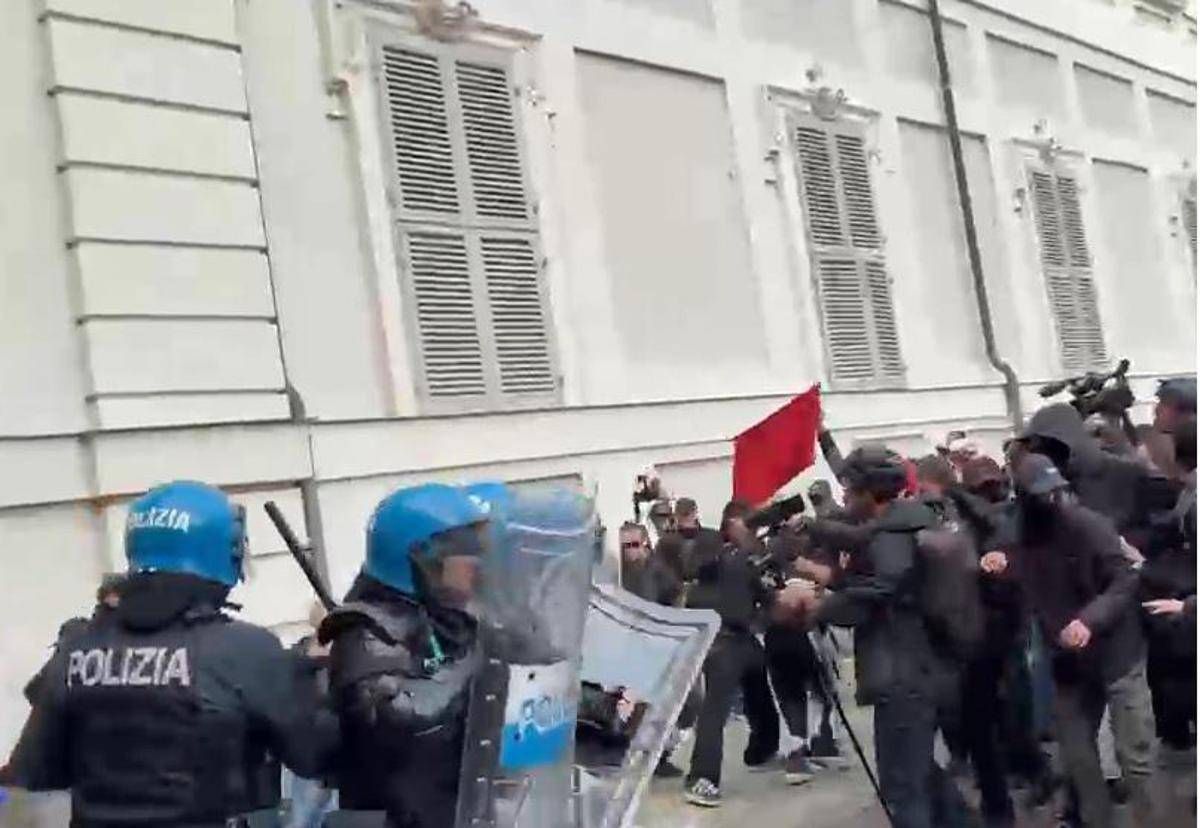
Torino, scontri al corteo contro il riarmo: cariche e lancio di oggetti
I manifestanti hanno tentato più volte di superare i blocchi delle forze dell’ordine nel centro città. Nuovi momenti di tensione...

Cassano allo Jonio, agguato al boss Damiano Pepe: uccisa la moglie
L’uomo, 64 anni, è rimasto gravemente ferito ed è ricoverato all’ospedale di Cosenza. I sicari hanno aperto il fuoco contro...


Ora solare, lancette indietro stanotte: risparmi e novità per il 2027
Nella notte tra sabato 24 e domenica 25 ottobre si torna all’ora solare. Intanto, alla Camera si valuta il superamento...
Movimento 17 ottobre, indagato Youssef Siher: perquisito a Milano
Il trentenne, giornalista freelance e attivista pro Pal originario di Brescia, è indagato per istigazione a delinquere. Piantedosi lo indica...
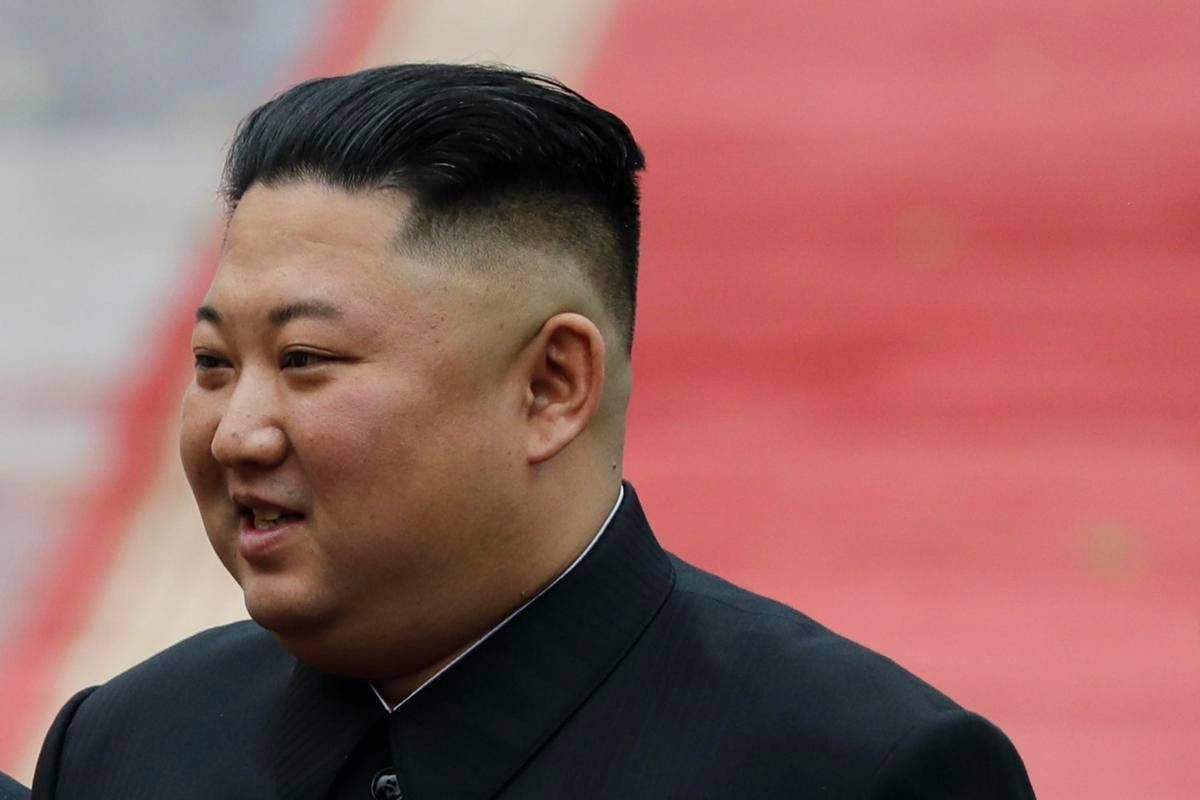
Kim Jong-un riappare in Cina dopo le voci sulla sua possibile morte
Il leader nordcoreano è arrivato a Dandong attraversando il nuovo ponte sul fiume Yalu. La notizia è stata riferita da...
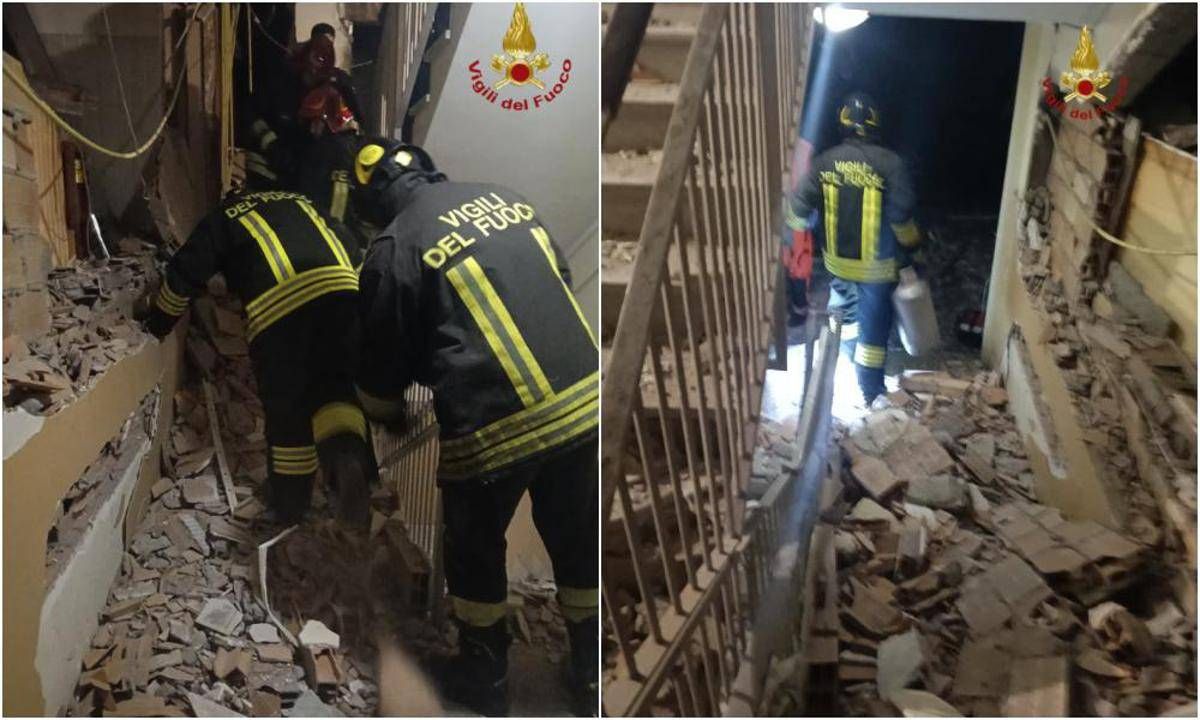
Ostia, esplosione in una palazzina di cinque piani: evacuate 11 famiglie
L’incidente è avvenuto ieri sera, intorno alle 21.40, in via dei Velieri. Una persona è rimasta ferita Undici famiglie sono...
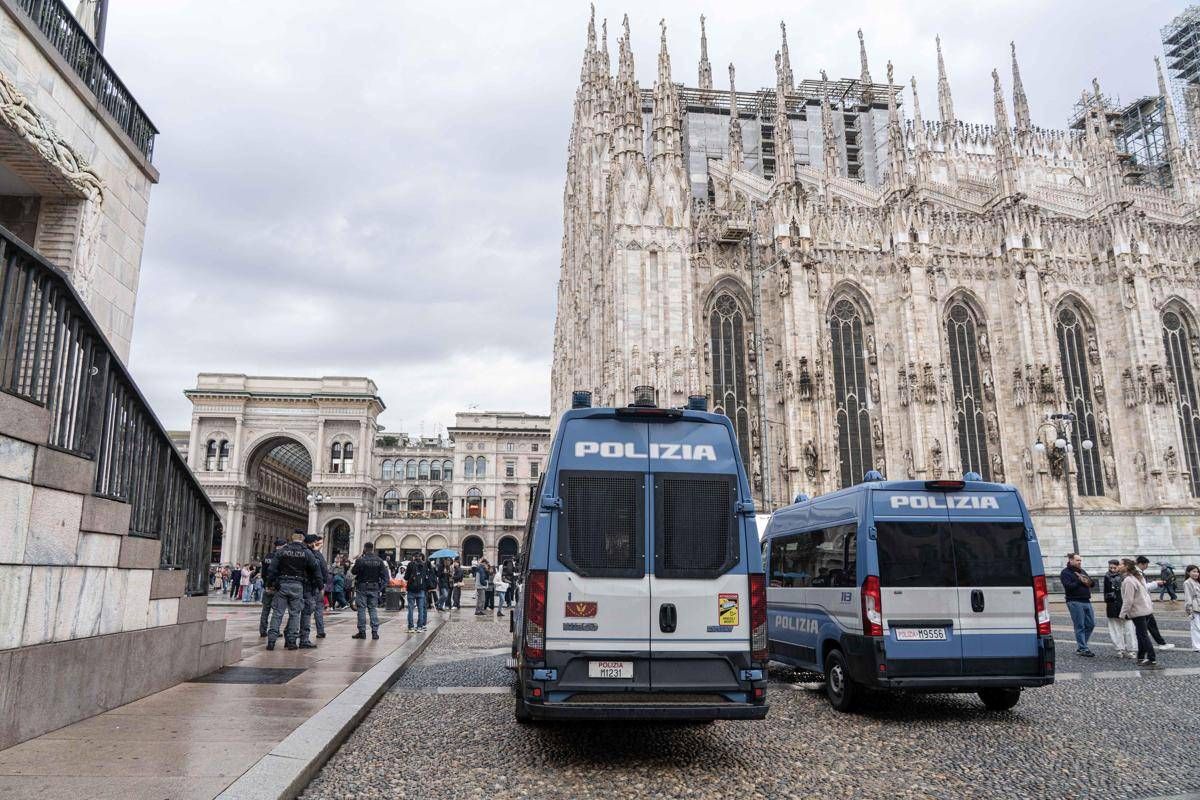
Manifestazioni del 24 ottobre, allerta sicurezza in tutta Italia: 100 perquisiti
Circa cento persone, tra cui 51 minorenni, sono state perquisite in 18 città dopo i disordini del fine settimana scorso....
Mondiale MotoGp, Marquez allunga in vetta dopo il successo australiano
Il pilota Ducati sale a 365 punti, mentre Alex Marquez chiude secondo la Sprint. Il duello per la testa della...
UPDATE Ukraine Confirms Oleshky Ceasefire as Humanitarian Corridor Set to Open in Russian-Occupied Town
Kyiv formally backs the localized truce announced by the White House, paving the way for civilian evacuations and aid deliveries...