At a campaign rally in Dalton, Georgia, the president offered a rare personal admission about cosmetics before turning the moment...
Read More
International-News
Princess Diana’s Secret Nighttime Missions in London Revealed by Former Royal Aide
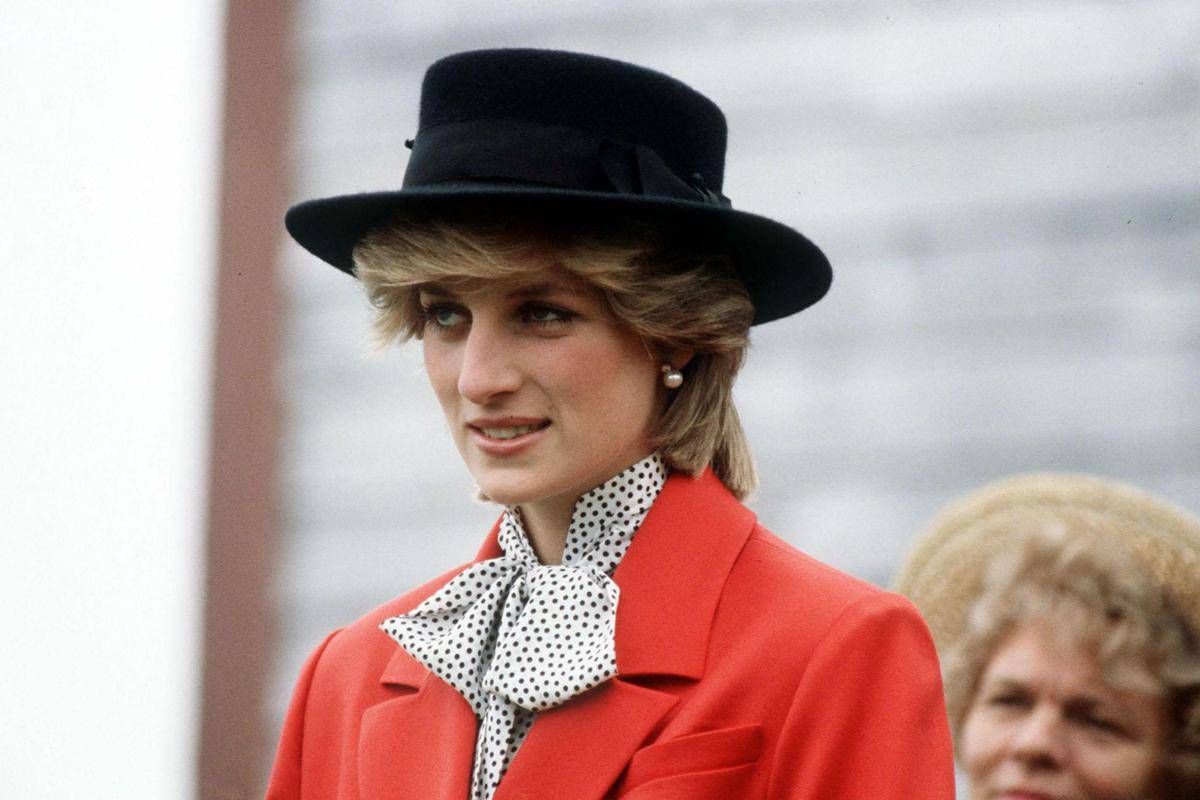
Former royal press secretary Dickie Arbiter says Princess Diana regularly slipped away from Kensington Palace at night to check on London’s homeless population and hand money to sex workers, driven by a mix of compassion, loneliness and boredom
For much of the world, Princess Diana was the most photographed woman on the planet. According to former royal press secretary Dickie Arbiter, however, some of her most personal acts took place far from cameras, security escorts and public attention.
In comments to the Daily Mail tied to the release of his upcoming book, On Duty with the Royals: The Inside Story of the Modern Monarchy, Arbiter said Diana would sometimes leave Kensington Palace alone at night and drive through London to visit areas where homeless people gathered and where sex workers operated.
The former aide, who spent 12 years working as a royal press secretary, said those unscheduled excursions reflected both Diana’s concern for vulnerable people and the isolation she experienced behind palace walls.
Despite her global fame, Arbiter described the Princess of Wales as “very lonely” during her years at Kensington Palace. Social visits were often complicated by strict security requirements. Friends who wished to see her had to navigate extensive procedures, including providing personal information, vehicle registration details and precise arrival and departure times.
“All she had was a phone to call friends,” Arbiter said. “Her friends were reluctant to go through security. She had to give security their names, addresses, car registrations and arrival and departure times. It was as exhausting as running a marathon.”
He said Diana commonly entertained guests at lunch rather than in the evening, leaving her searching for ways to fill long nights.
According to Arbiter, she occasionally persuaded her bodyguard that she intended to remain at home and encouraged him to take the evening off. Afterward, she would quietly leave the palace and head toward the Paddington area.
Her purpose extended beyond charitable donations, he said. Diana wanted to see for herself how marginalized people were coping.
“She would drive around Paddington,” Arbiter recalled. “Not just to give money to prostitutes, but also to go and see how the homeless were getting on. It was something she felt she had to do and something she did out of necessity, but also out of boredom.”
Elsewhere in the interview, Arbiter turned his attention to Swan Song: Diana, My Sister, the recent memoir by Diana’s brother, Earl Spencer. He dismissed the book as “boring” and argued that it lacked factual accuracy.
Arbiter, who worked closely with then-Prince Charles and Diana beginning in 1988, including throughout their separation and divorce, said he did not recognize Spencer’s harsh portrayal of the future king.
Having overseen media operations following Diana’s death in 1997, Arbiter insisted the image of Charles presented in the memoir bears little resemblance to the man he observed firsthand during that period.
“There are things in Spencer’s memoir that made me think, ‘Where did he get that from?’” Arbiter said. “I wonder why people can’t let Diana rest in peace. We’ve been hearing the same things for nearly 30 years. There’s nothing new to say.”
He also rejected suggestions that Charles reacted positively to Diana’s death.
“I saw him a few hours after Diana died,” Arbiter said. “When he came off that plane, I don’t think I had ever seen him so distraught, even after the death of his great-uncle, Lord Mountbatten. He was devastated. For Spencer to suggest he was like someone who had won the lottery is complete fantasy. It is a world apart.”
Arbiter maintained that such characterizations are fundamentally at odds with both his professional experience and his direct observations of Charles during one of the most difficult moments in the royal family’s modern history.
THE LATEST NEWS
UK Storm Shadow Support for Ukraine Aims to Boost Pressure on U.S. Aid
16 October 2026
A British defense analyst says London’s latest military assistance package is unlikely to alter the battlefield in the short term...
Read More

White House Spokeswoman Katie Zacharia May Exit Role Days After Appointment
16 October 2026
Just five days into her tenure, Katie Zacharia is facing mounting pressure after allegations she falsely claimed to be a...
Read More
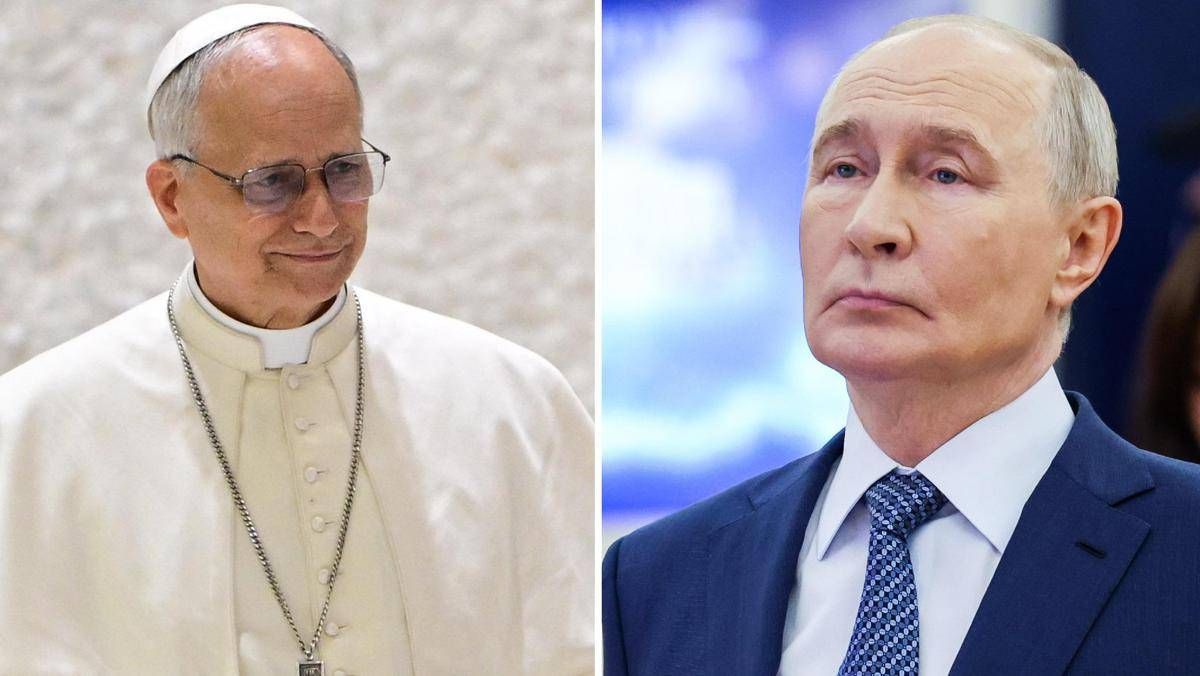
Pope Leo XIV Urges Oleshky Humanitarian Truce in Call With Putin
16 October 2026
Speaking from Rome’s Gemelli Hospital while recovering from lung cancer surgery, the pontiff pressed for humanitarian access to the embattled...
Read More
Russian Defector Who Aided Ukrainian Strikes Joins Anti-Putin Unit
16 October 2026
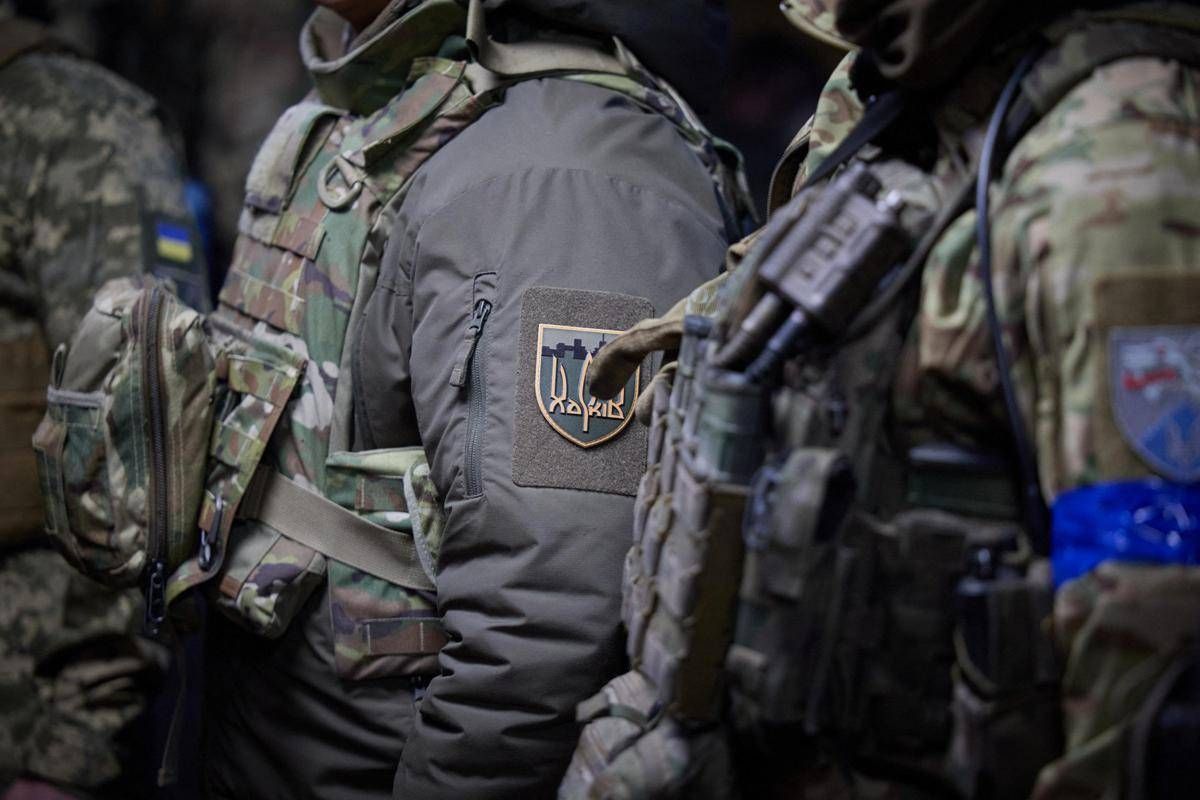
After helping Ukrainian forces target Russian positions responsible for more than 300 casualties, former communications officer Lev Stupnikov crossed the...
Read More
Princess Diana’s Secret Nighttime Missions in London Revealed by Former Royal Aide
16 October 2026
Former royal press secretary Dickie Arbiter says Princess Diana regularly slipped away from Kensington Palace at night to check on...
Read More
(Photo: © AndKronos)