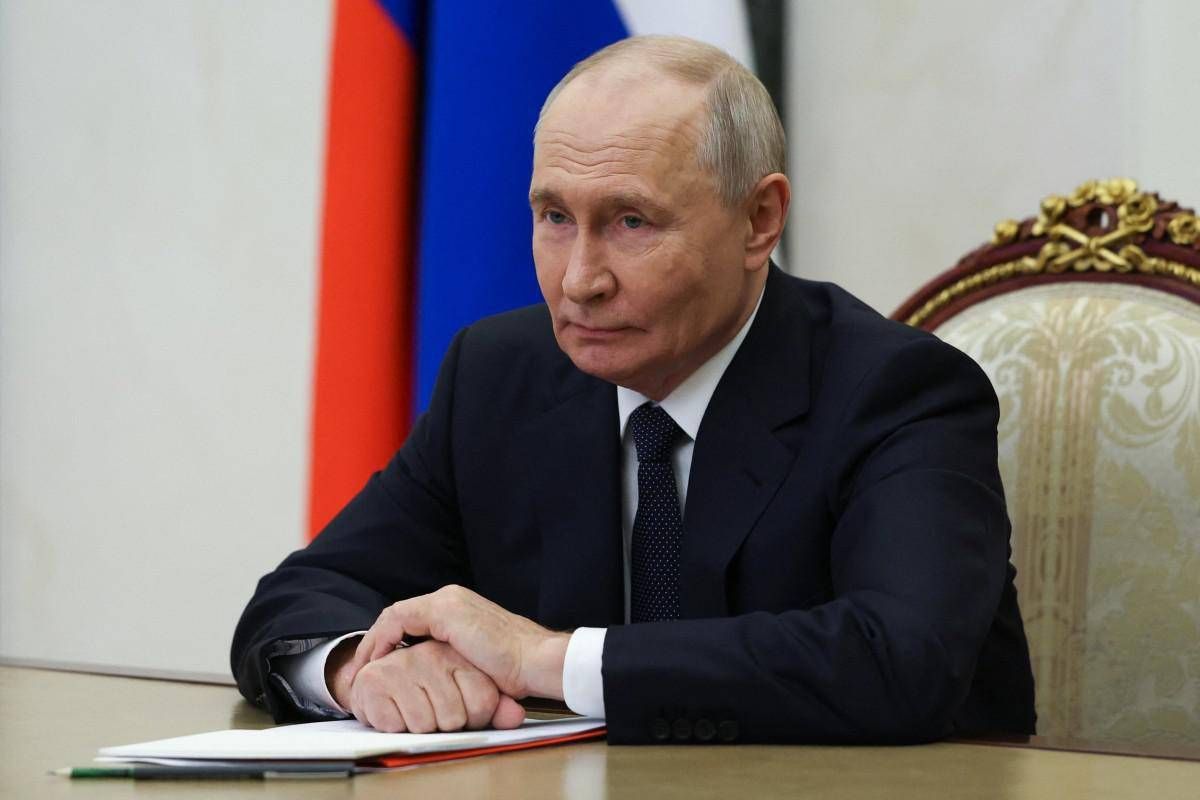
Flight-tracking data showed Russian government aircraft circling over the capital and diverting to St. Petersburg as airport operations were suspended...
Read More
International-News
BBC faces criticism over media coverage bias in Gaza and Iran
Diplomatic and political figures highlight the uneven reporting of Gaza conflict and Iranian protests
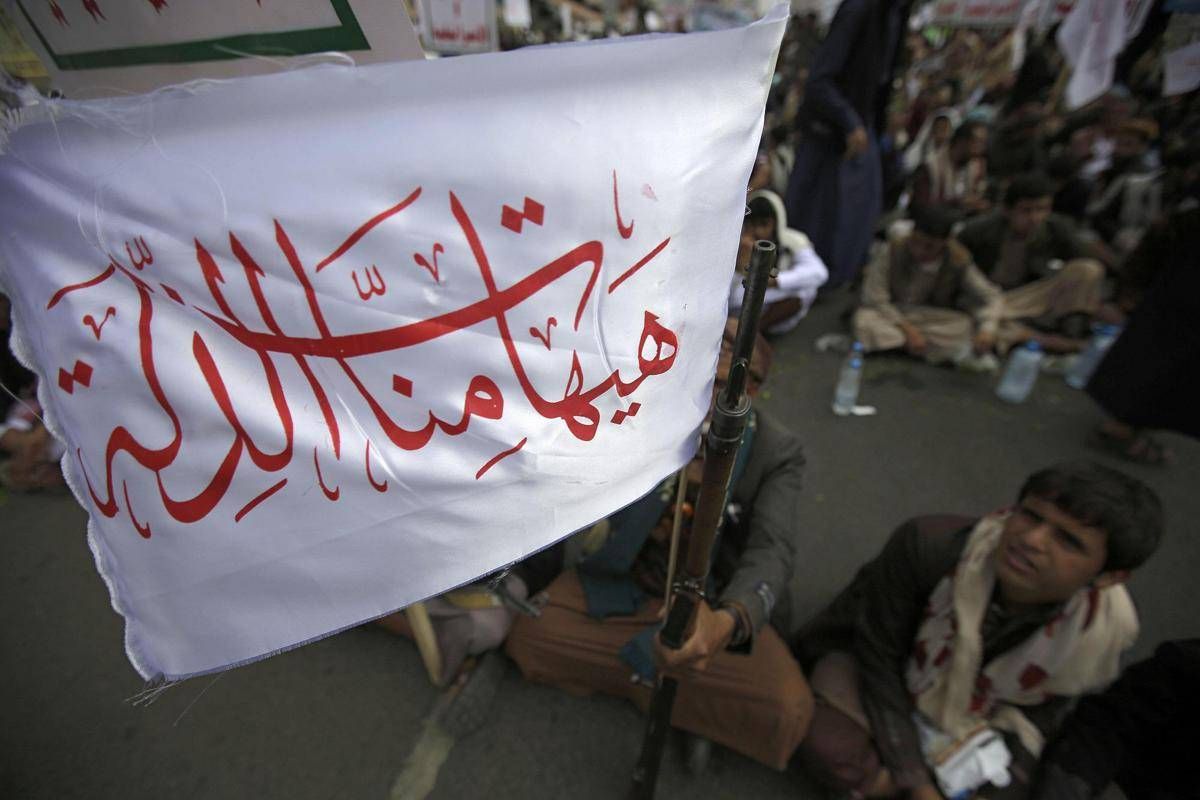
In recent days, the BBC and other international outlets have been criticised for media coverage bias, accused by diplomats, politicians, and media analysts of applying different verification standards between the Gaza conflict and ongoing anti-government protests in Iran.
The dispute centres on the limited visibility given to protests erupting in Iranian cities in recent weeks, compared with the approaches adopted for Gaza over the past two years, revealing a clear media coverage bias in international reporting.
The controversy, highlighted by publications such as The Telegraph and journalist Eve Barlow, focuses on the differing thresholds of “authoritativeness” applied to field sources in the two scenarios, both marked by the absence of independent Western reporters. This selective approach has amplified perceptions of media coverage bias, with institutional sources from Hamas treated as newsworthy while Iranian civilian testimony is filtered or withheld.
During coverage of the Israel–Hamas conflict, major outlets regularly cited the Gaza Ministry of Health—operated by Hamas—as a primary source for casualty figures and reports. Coverage frequently relied on local journalists embedded with Hamas security forces, official Palestinian communications, and video material from the field. Despite partiality, this reporting was broadcast continuously, illustrating a media coverage bias that critics argue is inconsistent with the BBC’s treatment of Iran.
In contrast, editorial teams in London have cited verification difficulties as a reason for delaying or restricting publication of footage from Iranian protests. John Simpson, the BBC’s World Affairs Editor, defended this approach, stating that absolute factual certainty was required before broadcasting—further evidence of media coverage bias according to detractors.
The controversy gained diplomatic attention when the Israeli Embassy in London formally criticised the BBC for its “near-total silence” on Iran, contrasting it with intensive coverage of Gaza. Conservative MP Tom Tugendhat also condemned the broadcaster, asserting that media coverage bias led to an underestimation of the political significance of Iranian protests.
The BBC has rejected claims of bias, noting that its standards require verification of social media content, a process complicated by Tehran’s information lockdown. In recent hours, footage from protests appeared on the BBC homepage, with disclaimers noting that “peaceful protests” were not dispersed by security forces, while videos from Tehran streets reportedly show clashes and security personnel firing on unarmed demonstrators.
THE LATEST NEWS
Christa Pike Returns to Prison After Surviving Execution Attempt
10 October 2026
Christa Pike returns to prison after surviving a lethal injection attempt, leaving Tennessee officials facing unprecedented uncertainty over whether her...
Read More

Erie Shooting Leaves Eight Dead, Including Two Children, in Pennsylvania
10 October 2026
Authorities in northwestern Pennsylvania are investigating a mass killing that left eight people dead, including two children, after a gunman...
Read More

Hurricane Isaias Strengthens as Gulf Coast Braces for Landfall
9 October 2026
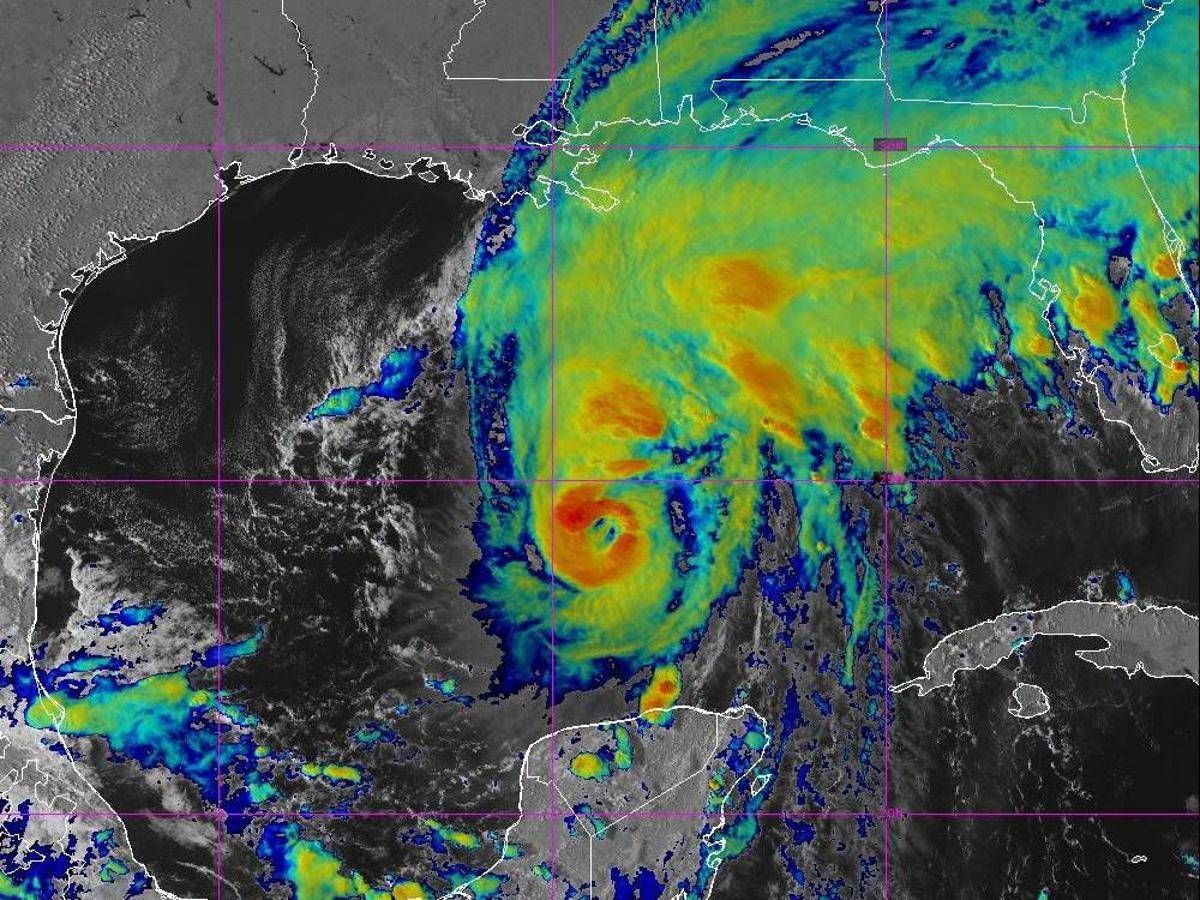
Evacuation orders are in effect in parts of the Southeast, with storm surge, torrential rain and possible tornadoes threatening coastal...
Read More
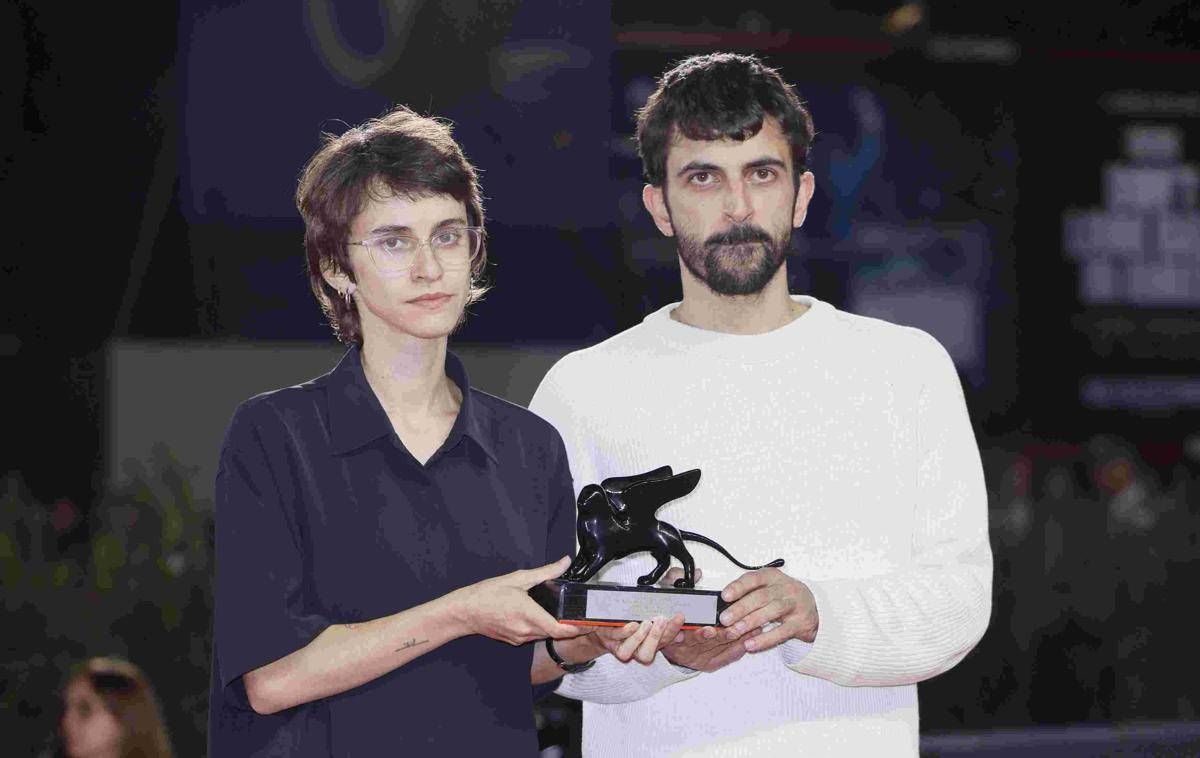
Naza: How a Gaza War Documentary Became a Global Political Flashpoint
9 October 2026
The documentary has grossed nearly €4 million in Italy, drawing fierce criticism from Netanyahu’s government and renewed scrutiny of the...
Read More
U.S. to Broadcast Nidal Hasan’s Firing-Squad Execution Live
9 October 2026
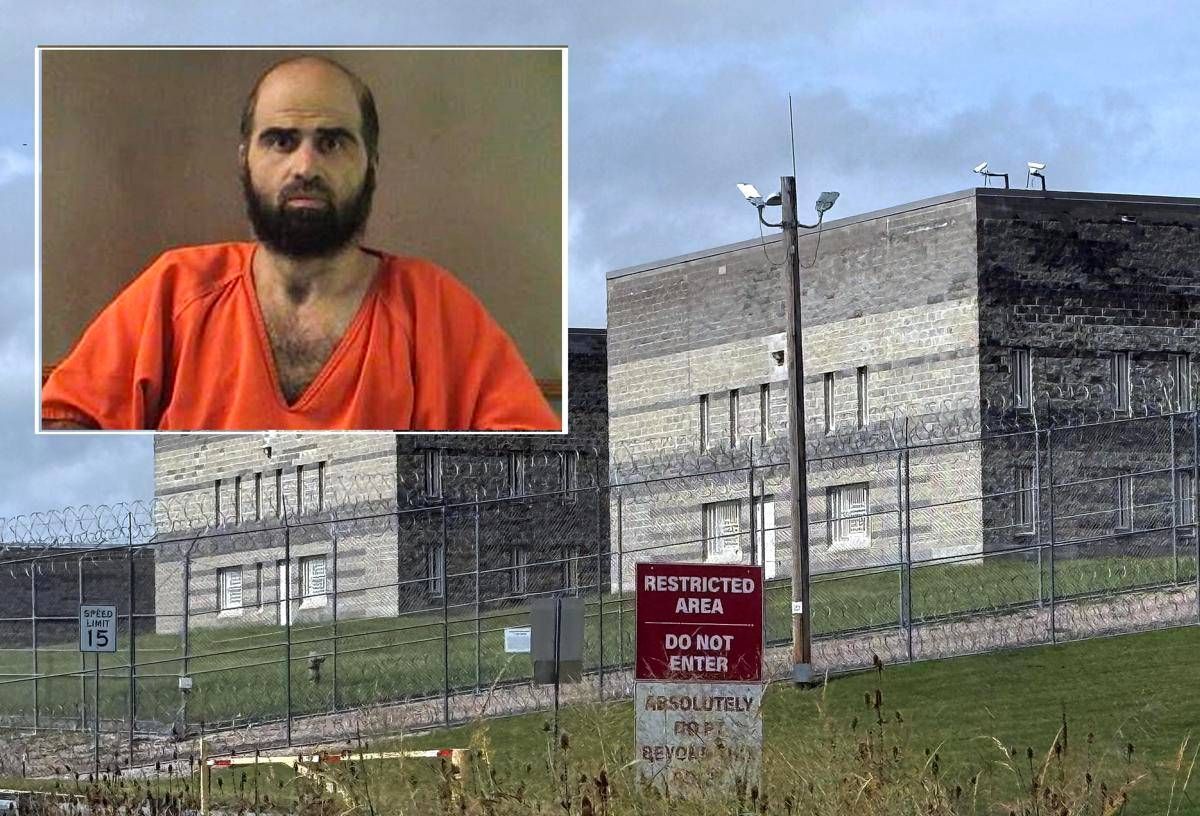
The Fort Hood mass shooter is scheduled to be executed on December 3. Defense Secretary Pete Hegseth says the public...
Read More
(Photo: © AndKronos)