
International-News
Democrats Win Congress in 2026 Midterms, Delivering a Stunning Rebuke to Trump
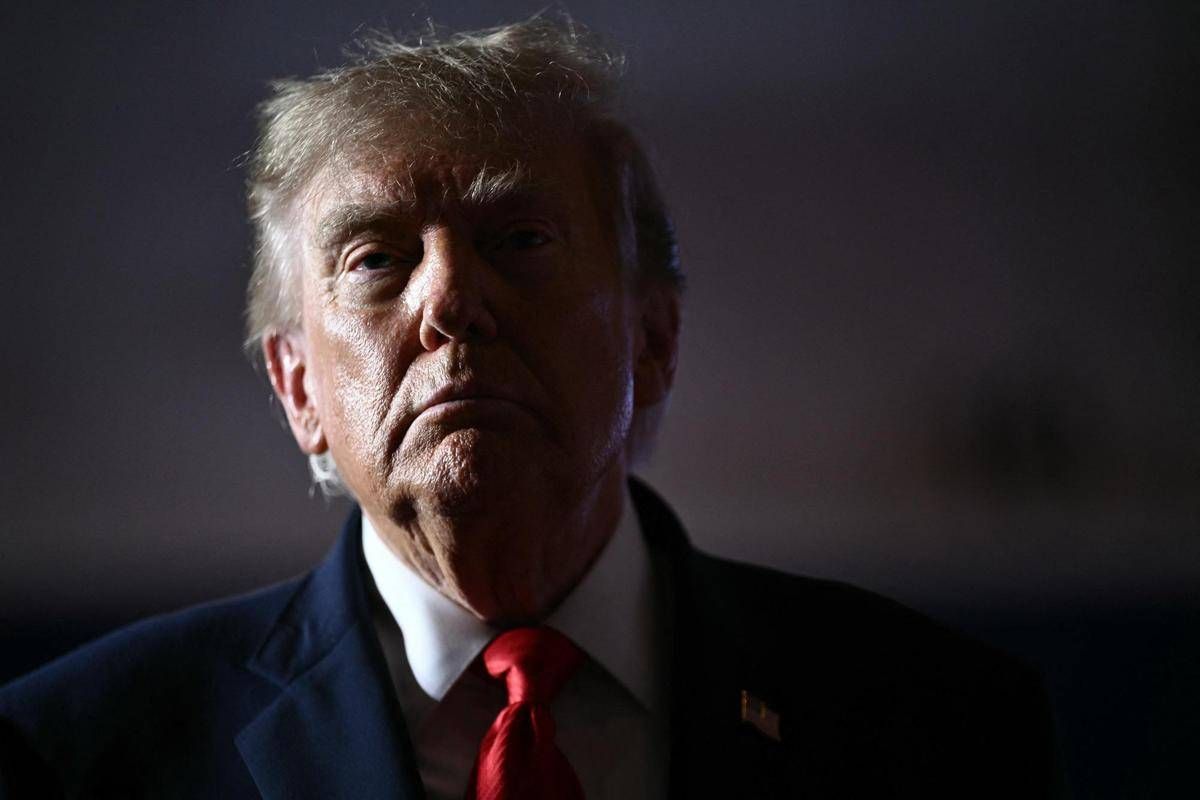
Democrats capture both the House and Senate, opening the way for aggressive congressional oversight of the administration. Trump alternates promises of cooperation with warnings that he could use his veto power to block their agenda
Donald Trump’s hold over Washington has been dealt a decisive blow. Democrats have won control of both chambers of Congress in the 2026 midterm elections, overturning Republican majorities in the House and Senate and turning the vote into a broad verdict on the president’s record. The result gives the opposition control of the legislative agenda and the authority to intensify scrutiny of the administration.
In the House, Democrats are on course to secure more than 240 of the chamber’s 435 seats once the count is complete. Hakeem Jeffries, who would become the first African American speaker, is positioned to lead an expansive program of congressional oversight and investigations into the Trump administration.
The Senate map tells the story of an even more striking Democratic breakthrough. The party prevailed in states that had remained Republican territory for decades, beginning with Roy Cooper’s victory in North Carolina. In South Carolina, Annie Andrews ended 28 years of uninterrupted Republican dominance by defeating Darline Graham, sister of Senator Lindsey Graham, who died in July.
Further gains followed across the country. James Talarico defeated Republican Ken Paxton in Texas by nearly 20 points, while Adam Hamilton won in Kansas, where Democrats had not secured the seat in 94 years. In Ohio, Sherrod Brown beat Republican Jon Husted. Josh Turek’s victory in Iowa and Troy Jackson’s in Maine helped secure the Senate majority. Abdul El-Sayed, the Democratic Senate candidate in Michigan, also claimed victory.
Trump responded by refusing to accept personal responsibility for the Republican collapse, while acknowledging that the result had surprised him. He argued that the outcome would have been different had his own name appeared on the ballot. “If I had been on the ballot, we would have had a landslide victory,” he said, adding that he had urged voters to treat the election as though he were running. Many, however, had not supported the candidates he endorsed.
The president also pointed to the crowds at his campaign rallies, saying he had expected their enthusiasm to translate into stronger support for Republican candidates. “I’m a little surprised. I thought it would be better,” he said.
One explanation he offered touched on a politically sensitive issue: the cost of his policy toward Iran. Trump said voters might support his approach but be unwilling to absorb its immediate consequences, particularly higher gasoline prices. He described the increase as a short-term cost in exchange for a long-term benefit, adding that he understood the public’s reluctance, even if he disagreed with it.
His response to the Democratic victory has since shifted between conciliation and confrontation. In an interview with The New York Times, Trump said he was “absolutely willing to accept these results” and expressed confidence that his administration could reach agreements with the opposition. Speaking to Fox News, he praised the Democrats’ campaign and identified immigration as an area where the two parties might cooperate.
The prospect of a working relationship, however, remains uncertain. In an interview with CBS, Trump invoked his “enormous powers” and specifically threatened to use the presidential veto to block Democratic legislation. He later struck a more conciliatory note in comments to Politico, saying he did not want to spend the next two years vetoing every measure and that he was prepared to work with Democrats.
Then came a reminder of the alternative. On Truth Social, Trump posted a photograph of a red MAGA-style hat bearing one word: “VETO.”
(Photo: © AndKronos)

Democrats Win Congress in 2026 Midterms, Delivering a Stunning Rebuke to Trump
Democrats capture both the House and Senate, opening the way for aggressive congressional oversight of the administration. Trump alternates promises...
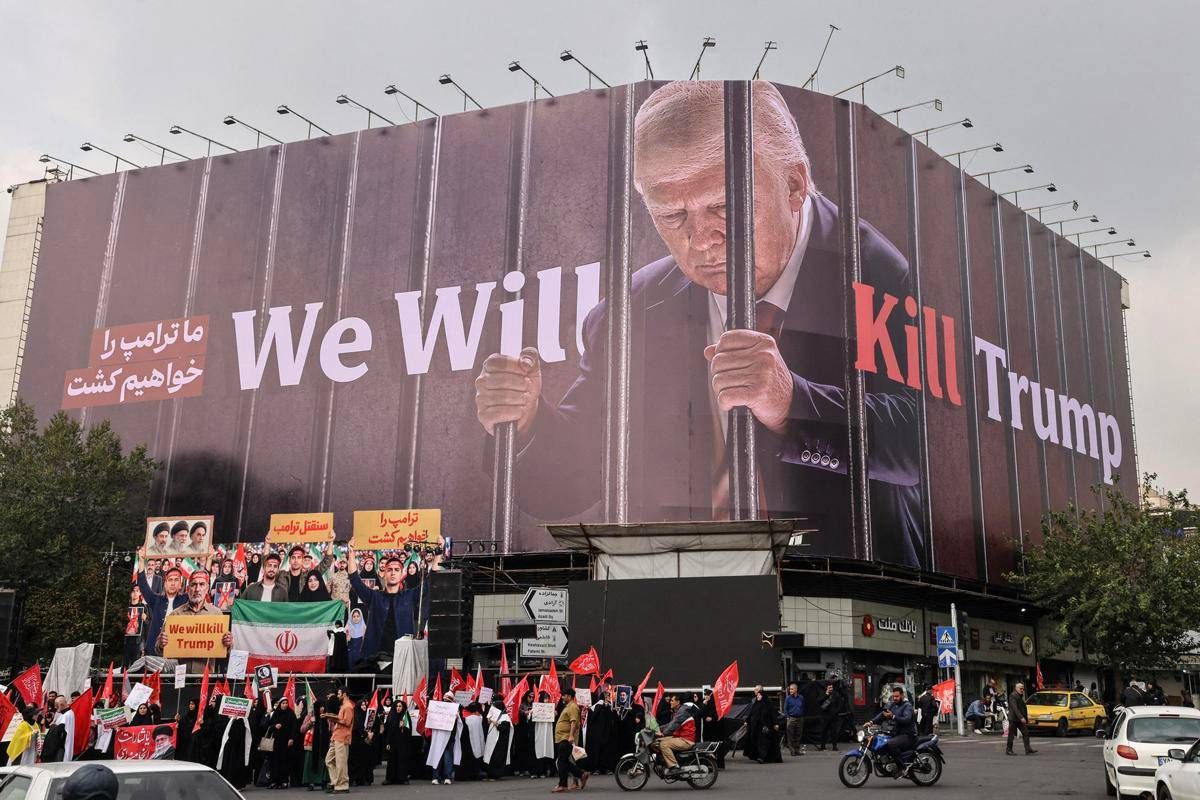
Trump torna a minacciare l’Iran: «Molti vogliono un colpo pesante»
Dopo la sconfitta alle elezioni di midterm, il presidente americano non esclude nuove operazioni militari contro Teheran. Per ora può...

Israele, solita storia: Ben Gvir denuncia elezioni rubate e chiede arresti
Il ministro della Sicurezza nazionale invoca l’arresto dei leader dei partiti arabi e lo stop alla certificazione dei risultati elettorali,...

Titolo: Alluvione di Firenze, 60 anni fa la città sommersa dall’Arno
Il 4 novembre 1966 la piena devastò Firenze e gran parte della Toscana, provocando vittime e danni enormi al patrimonio...
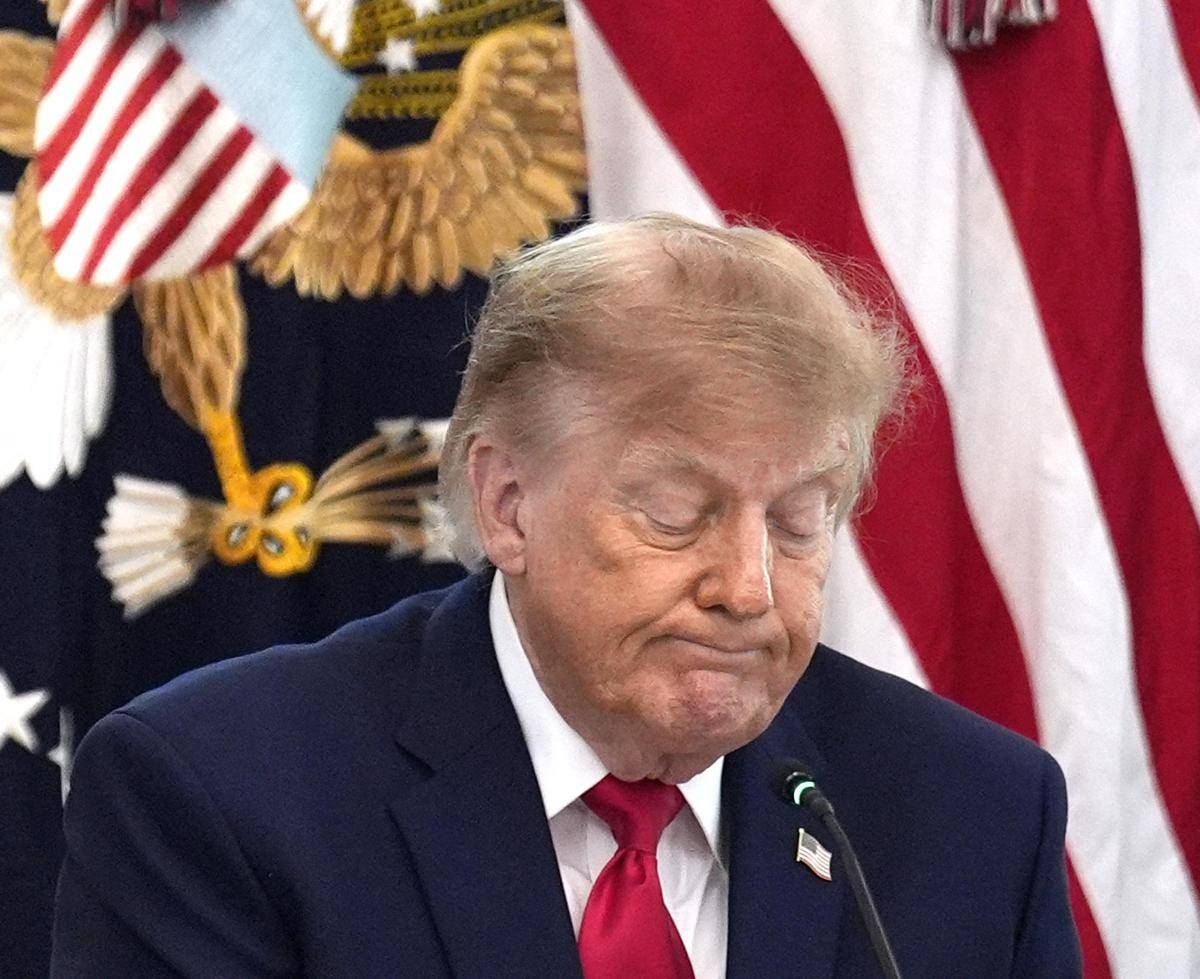
Dai feudi repubblicani al Congresso, i giornali Usa celebrano l’onda blu
Il Washington Post parla di democratici al comando, mentre il New York Post evidenzia la riconquista del Senato dopo le...
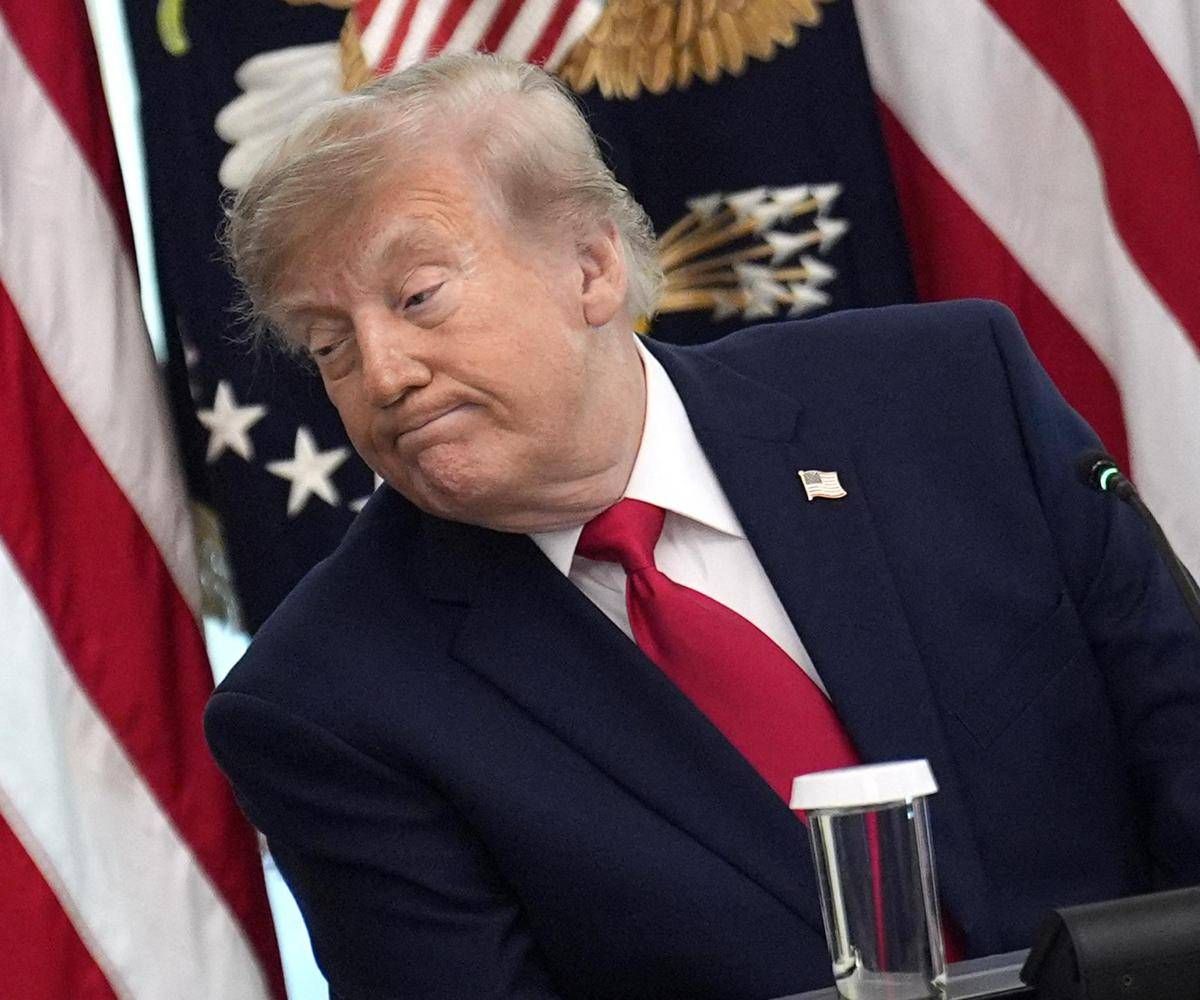
Midterm 2026, i democratici conquistano il Congresso: Trump sconfitto
La maggioranza passa ai dem sia alla Camera sia al Senato. Hakeem Jeffries potrà guidare il controllo parlamentare sull’amministrazione repubblicana....

Midterm Voters Turn Election Into a Referendum on Trump, NBC Exit Poll Finds
Economic anxiety and frustration over persistent inflation helped shape the electorate, with a striking share of voters casting their ballots...
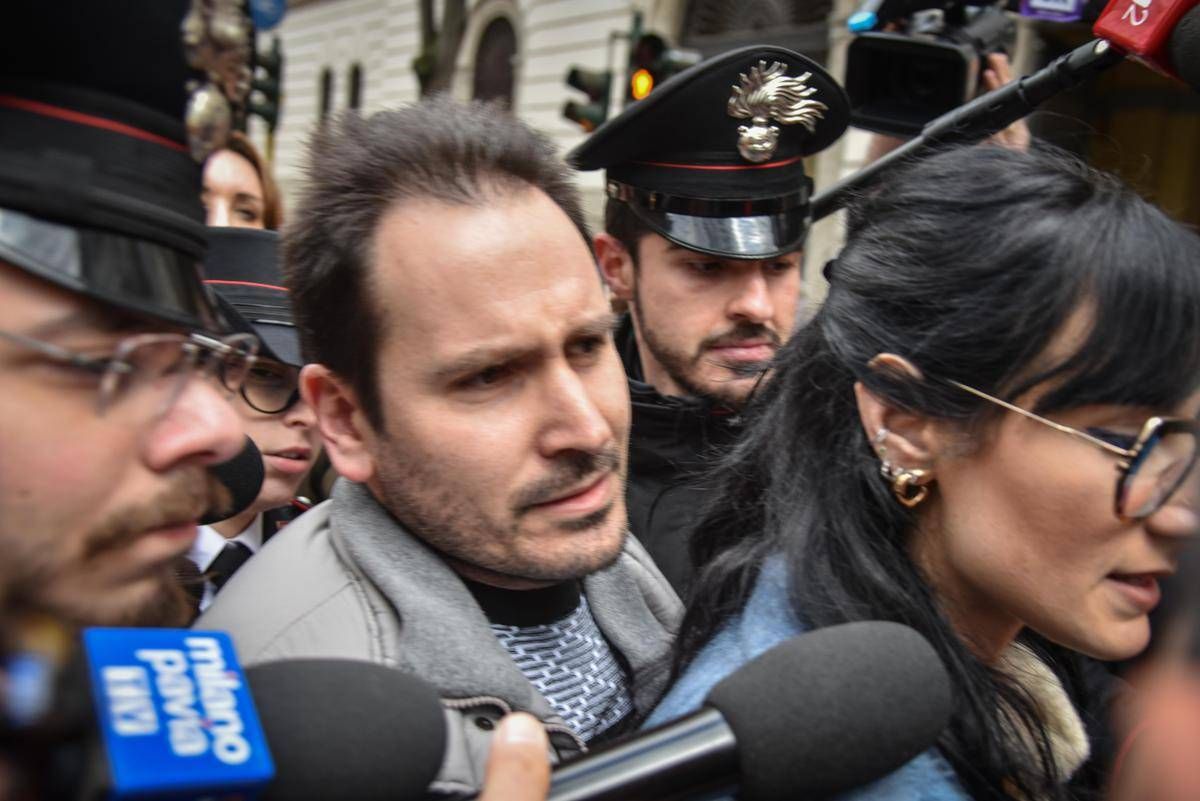
Garlasco, Sempio prepara la prima mossa: la difesa punta sulla Consulta
Gli avvocati contestano la possibilità di celebrare un nuovo processo per l’omicidio di Chiara Poggi mentre Alberto Stasi è ancora...

Wall Street Drifts Into Midterm Night as Investors Await Clarity
A late-session push in technology shares lifted the Nasdaq and helped the broader market finish higher, but investors remained reluctant...

CNN Voter Poll Signals Mounting Backlash Against Trump’s Leadership
A sweeping voter survey conducted alongside the midterm elections paints a bleak picture for the president, with widespread dissatisfaction over...

Westchester Voting Machine Problems Spark Fraud Claims in Key Mike Lawler Contest
Election officials in one of New York’s most closely watched congressional battlegrounds are urging voters not to be discouraged by...
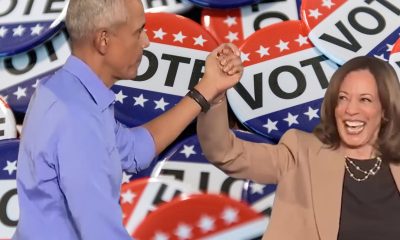

Obama and Harris Make Late Push for Abdul El-Sayed in Michigan Senate Fight
With control of the Senate hanging on a handful of closely contested races, Democrats are deploying two of the party’s...

Iran Military Options Move to the Forefront as Diplomacy Falters
A report that U.S. military planners are prepared for possible action against Iran has exposed a growing divide in Washington...

Delitto di Garlasco, chiesto il processo per Andrea Sempio
La Procura di Pavia contesta l’omicidio aggravato dalla crudeltà e dai motivi abietti per la morte di Chiara Poggi. La...

Caso David Rossi, i carabinieri cercano l’uomo al telefono nella foto
La Commissione d’inchiesta invierà oltre 200 scatti alle procure e affiderà al comando provinciale di Siena l’identificazione della persona immortalata...
Lufthansa Warns of Double-Digit Fare Hikes as Fuel Shock Hits Europe’s Largest Airline
A surge in fuel costs linked to the Middle East conflict is reshaping the economics of air travel, forcing Lufthansa...
You must be logged in to post a comment Login