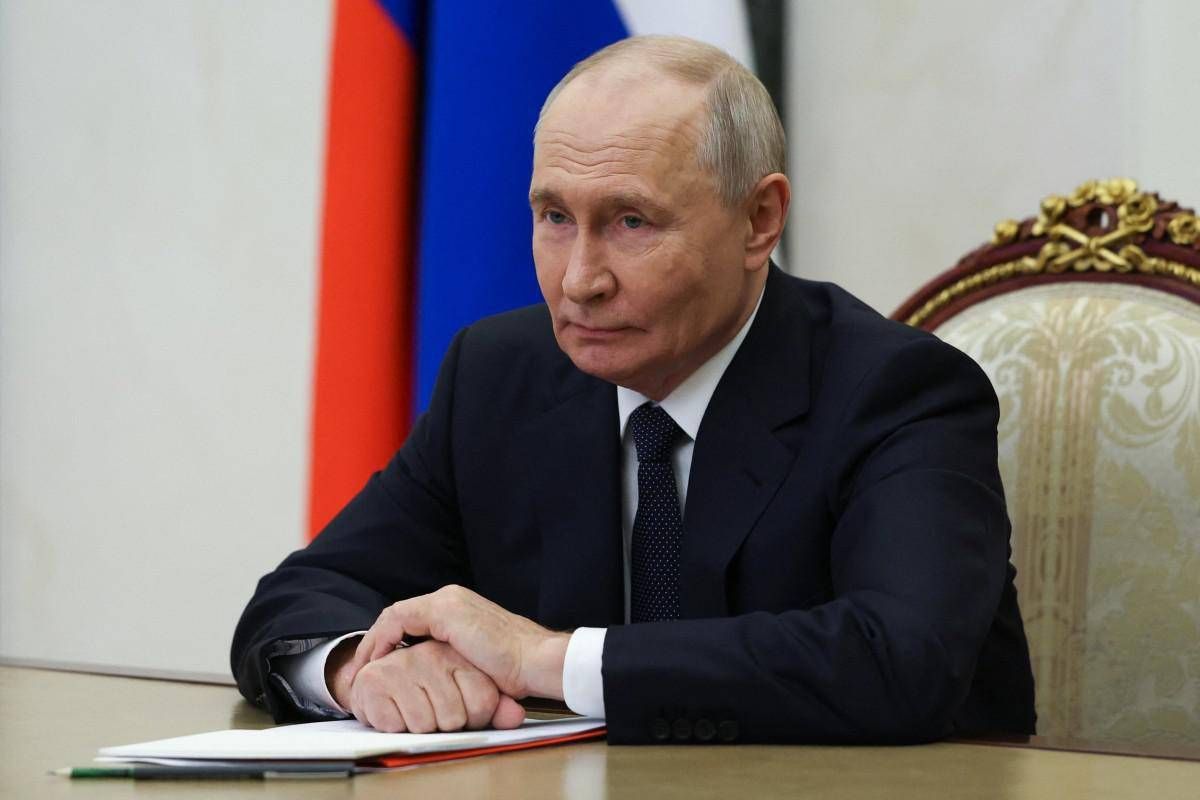
Flight-tracking data showed Russian government aircraft circling over the capital and diverting to St. Petersburg as airport operations were suspended...
Read More
International-News
Diana’s Brother Claims Charles Said She Would Be Forgotten
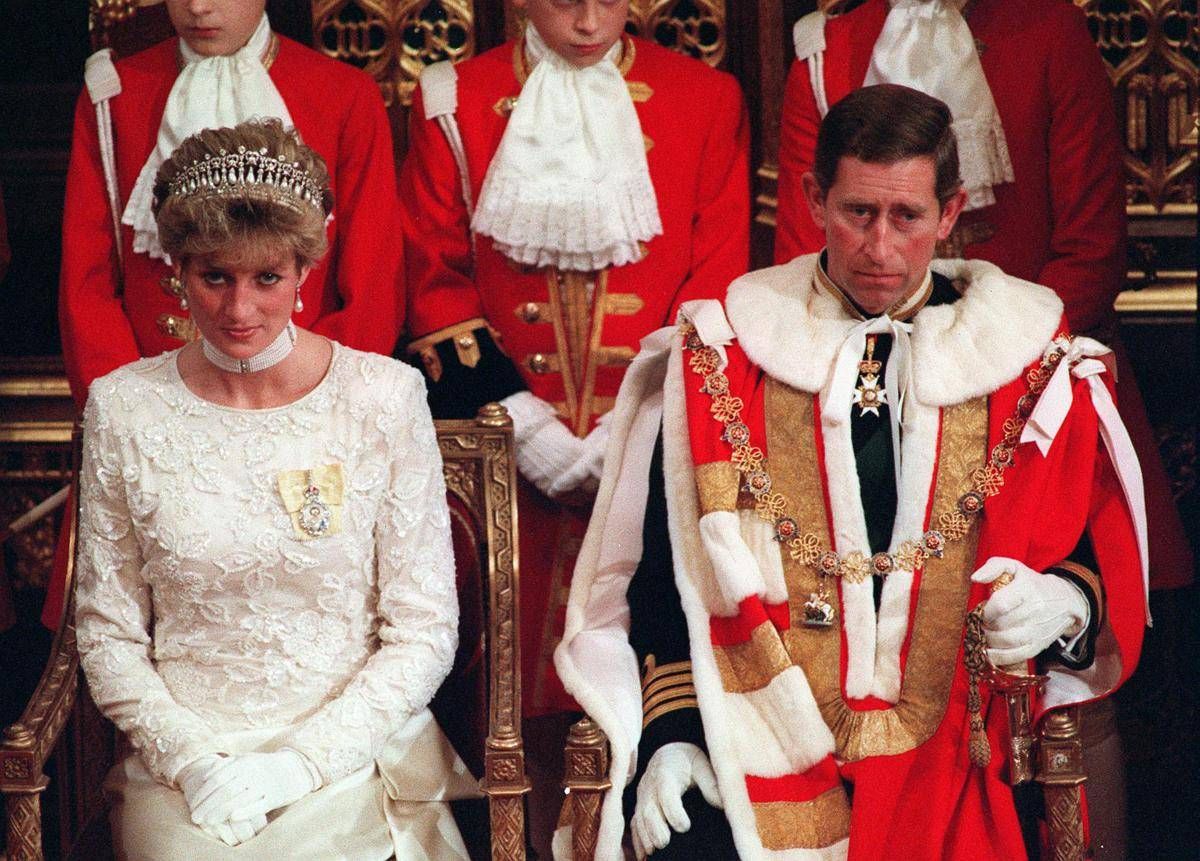
Buckingham Palace has issued an unusually pointed response to Charles Spencer’s account of a private phone call in the days after the princess died
Buckingham Palace and Charles Spencer have become the focus of an unusual public exchange over the events that followed Princess Diana’s death in 1997. In his forthcoming memoir, Swan Song: Diana, My Sister, Diana’s brother claims that the then-Prince Charles reacted with anger during a private phone call and told him that the world would soon forget his former wife. Buckingham Palace has pushed back against the account, pointing to the possibility that grief may have affected Spencer’s memory of what happened.
The episode described by Spencer concerns the emotionally charged days between Diana’s death and her funeral. The princess was killed at the age of 36 in a car crash in Paris on August 31, 1997. In an excerpt from the memoir, Spencer recalls a conversation with Charles, now King Charles III, over whether Diana’s sons, William and Harry, then 15 and 12 respectively, should walk behind their mother’s coffin during the funeral procession.
Spencer writes that he opposed the decision, arguing that Diana would not have wanted her sons to endure such an ordeal. According to his account, the discussion with Charles quickly became heated. Spencer says the then-Prince of Wales launched into what he described as a “stream of anger,” before expressing what he regarded as his long-suppressed contempt for Diana and his frustration at the extraordinary public reaction to her death.
It was during that exchange, Spencer claims, that Charles told him: “Rest assured, we’ll forget her soon enough.”
The remark, as recounted by Spencer, left him stunned. He presents the exchange as evidence of the deep tensions surrounding Diana’s death and the decisions being made within the royal family in the days before her funeral.
The funeral took place on September 6, 1997, with William and Harry walking behind their mother’s coffin through London alongside their father, their uncle Charles Spencer and other members of the royal family. The decision to have the two boys take part in the procession was controversial at the time, given their ages and the circumstances of Diana’s death.
Buckingham Palace has now directly challenged Spencer’s account, although it has not offered a point-by-point response to the allegations. In an unusually pointed statement, the Palace said that the King was mindful that grief over the loss of a sibling can affect reason, judgment and memory, even many years after the event.
The response effectively places the reliability of Spencer’s recollection at the center of the dispute. The Palace has maintained that it does not normally comment on books, making the decision to issue a statement on the memoir particularly notable.
The exchange concerns one of the most painful episodes in the history of the British royal family. Diana died after the car carrying her and Dodi Al Fayed crashed in the Alma tunnel in Paris while being pursued by paparazzi. Her death triggered an extraordinary wave of public grief in Britain and around the world and placed the monarchy under intense scrutiny.
Diana had divorced Charles in 1996, following years of marital difficulties. After her death, she was widely celebrated as the “people’s princess,” while the circumstances surrounding her funeral and the royal family’s response to the public mourning became an enduring part of the story of her legacy.
THE LATEST NEWS
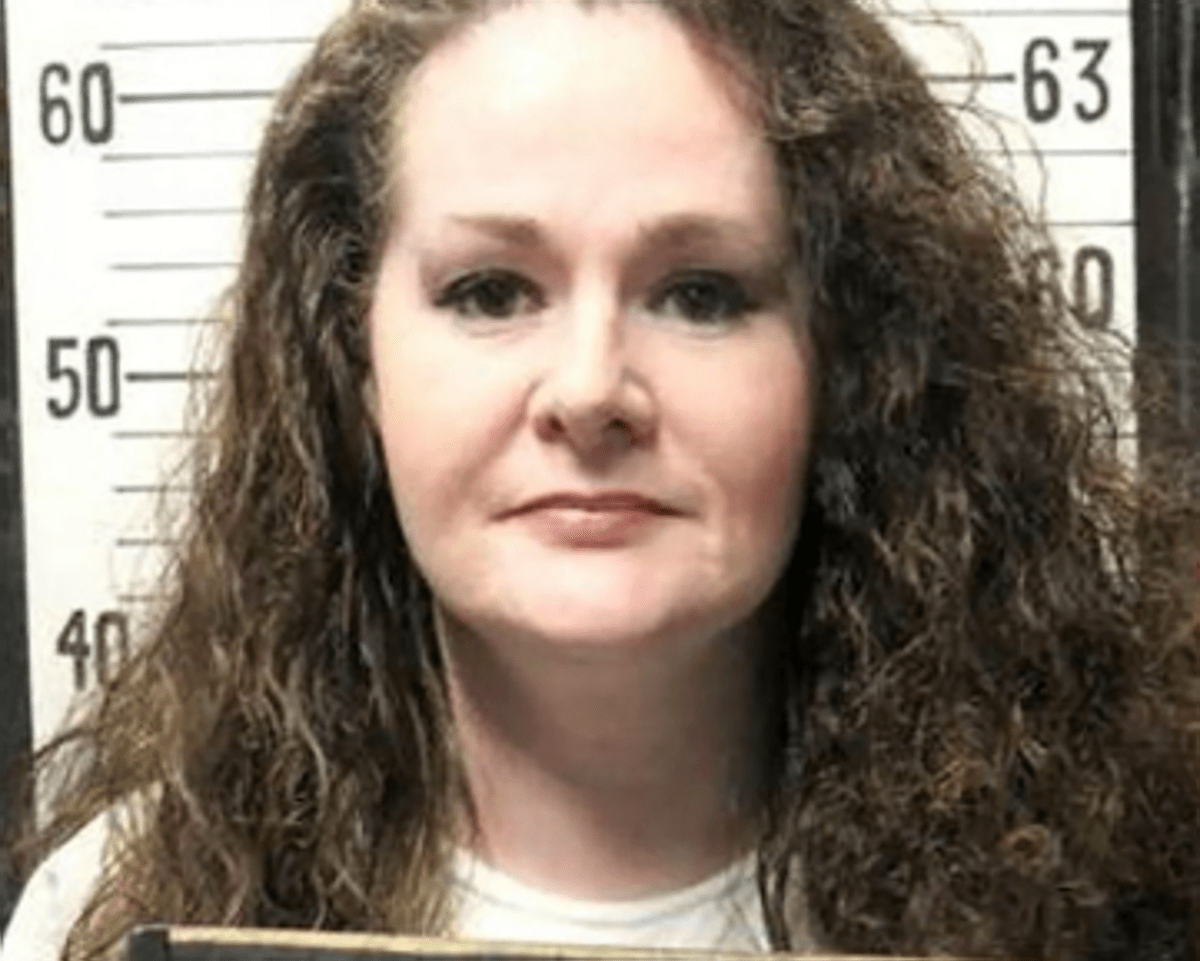
Christa Pike Returns to Prison After Surviving Execution Attempt
10 October 2026
Christa Pike returns to prison after surviving a lethal injection attempt, leaving Tennessee officials facing unprecedented uncertainty over whether her...
Read More
Erie Shooting Leaves Eight Dead, Including Two Children, in Pennsylvania
10 October 2026
Authorities in northwestern Pennsylvania are investigating a mass killing that left eight people dead, including two children, after a gunman...
Read More

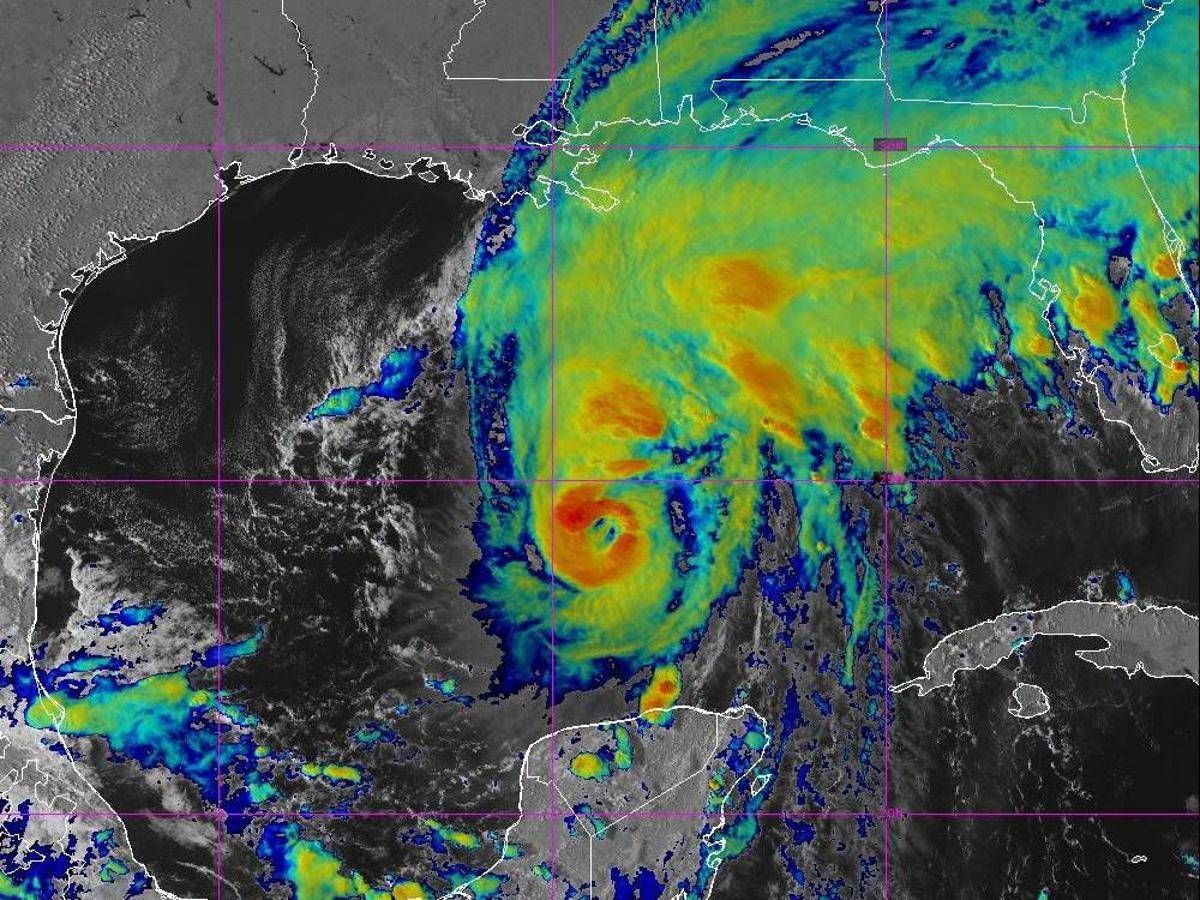
Hurricane Isaias Strengthens as Gulf Coast Braces for Landfall
9 October 2026
Evacuation orders are in effect in parts of the Southeast, with storm surge, torrential rain and possible tornadoes threatening coastal...
Read More
Naza: How a Gaza War Documentary Became a Global Political Flashpoint
9 October 2026
The documentary has grossed nearly €4 million in Italy, drawing fierce criticism from Netanyahu’s government and renewed scrutiny of the...
Read More

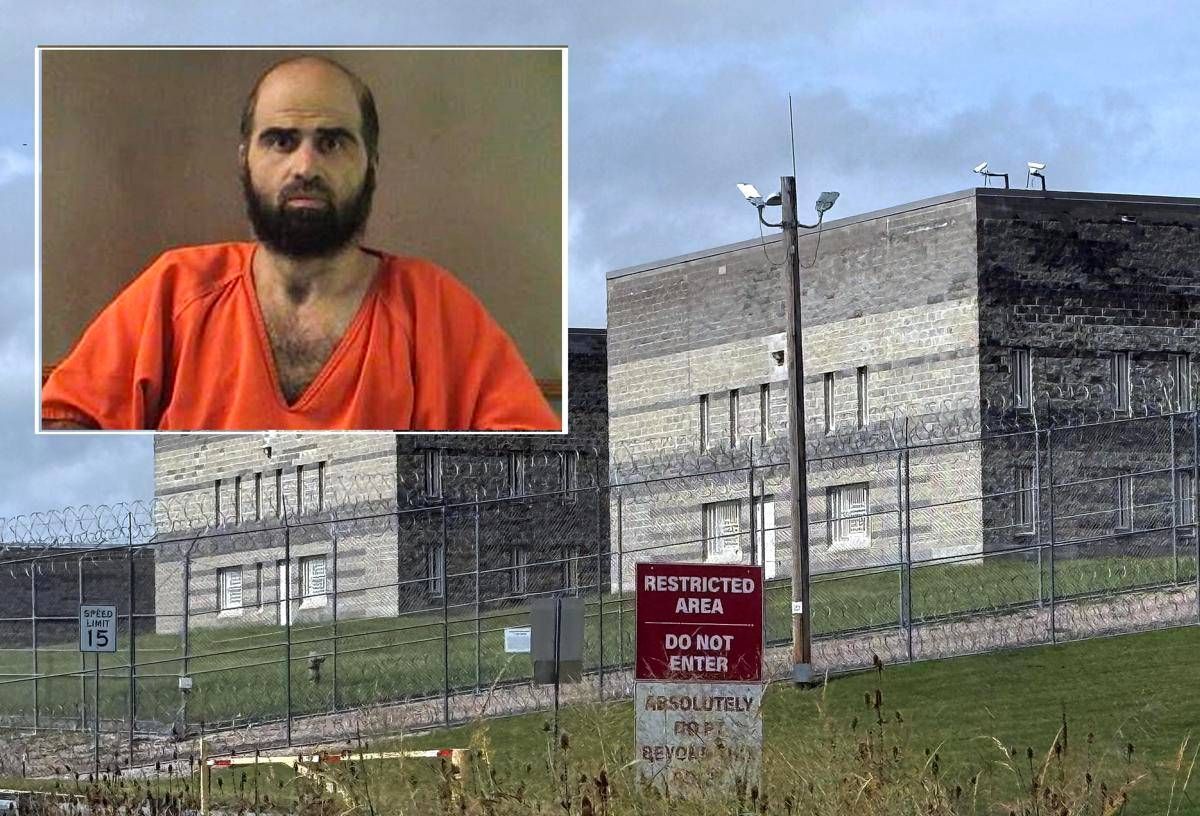
U.S. to Broadcast Nidal Hasan’s Firing-Squad Execution Live
9 October 2026
The Fort Hood mass shooter is scheduled to be executed on December 3. Defense Secretary Pete Hegseth says the public...
Read More
(Photo: © AndKronos)