Flight-tracking data showed Russian government aircraft circling over the capital and diverting to St. Petersburg as airport operations were suspended...
Read More
International-News
Jackson Hole, Warsh Warns Fed Must Keep Inflation Under Control
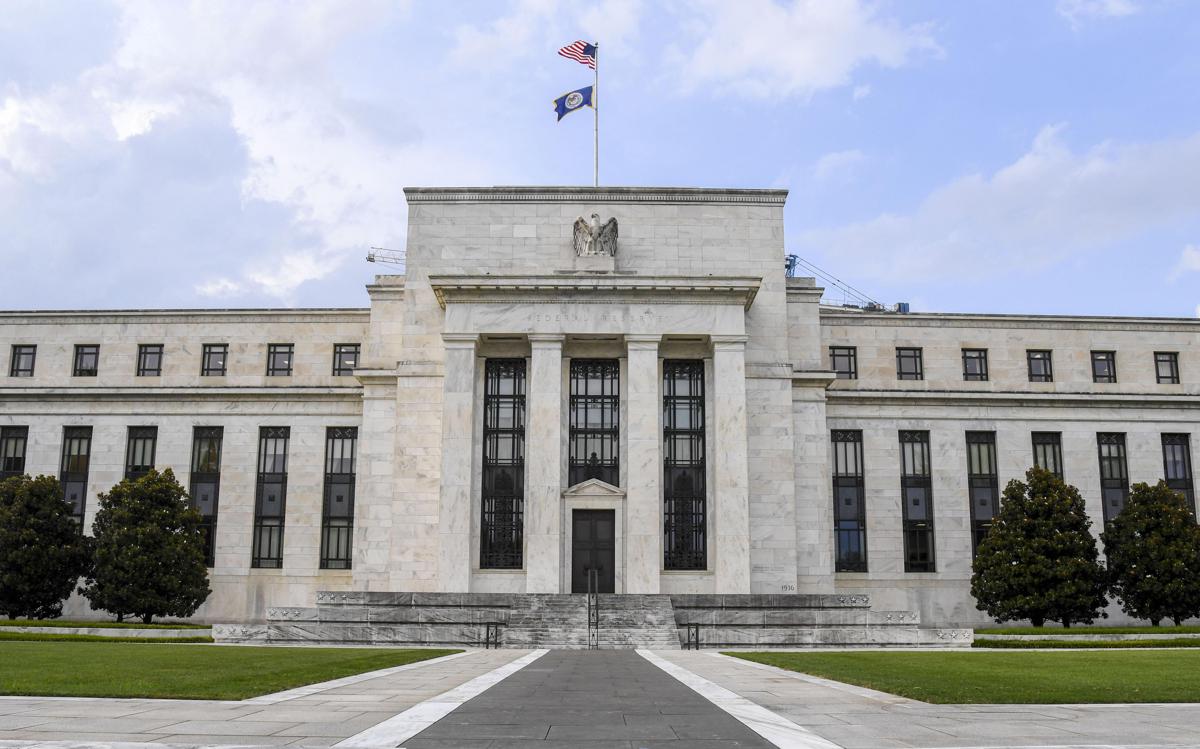
With US inflation at 3.7% in July, the Federal Reserve chief said price stability remains a firm priority and cautioned against relying too heavily on market expectations
Federal Reserve Chairman Kevin Warsh warned about the risks posed by US inflation at 3.7% in July, saying persistently high price pressures could prove damaging to an economy that has shown strength and resilience in the face of shocks.
Speaking at the Jackson Hole symposium, Warsh delivered his first major test as Fed chairman and, contrary to expectations of a more dovish approach, raised concerns about inflation remaining well above the central bank’s 2% target.
The latest price-stability data are “more concerning,” Warsh said, while questioning whether current financial conditions can properly be described as restrictive.
His remarks could point toward a potentially more restrictive approach to US monetary policy in the coming months.
Warsh stressed that the Fed’s 2% price-stability goal remains “firm and fixed,” but said inflation does not necessarily return to its average level on its own.
“Price stability does not happen by itself,” he said, arguing that ensuring stable prices is a responsibility that falls directly within the Fed’s mandate.
Inflation and the Fed’s dual mandate
Warsh also addressed the second part of the Federal Reserve’s mandate: protecting employment alongside price stability.
He said he does not view the two objectives as inherently conflicting, arguing that high inflation itself can be deeply damaging to economic prosperity.
The Fed, Warsh said, must be confident that underlying inflation is moving toward its target “clearly and with sufficient speed.” If that is not happening, he added, the central bank still has work to do.
“This is our job, our mandate and our responsibility,” Warsh said.
Warsh questions forward guidance
The Fed chairman also turned to the debate over forward guidance, warning about the risks that can emerge when financial markets anticipate central-bank decisions and policymakers, in turn, respond to those market expectations.
“In normal times, the role of forward guidance should be limited and circumscribed,” Warsh said, arguing that excessive guidance can create ambiguity in the name of clarity.
He also cautioned against sharing too much of the central bank’s deliberations or making excessive commitments about future decisions.
According to Warsh, quasi-commitments on interest rates can restrict policymakers’ freedom to make the right decision when the time comes.
The “hall of mirrors” problem
Warsh said the Fed should remain “humble and never naive,” pointing to what economic literature has described as the distortion created by a “hall of mirrors.”
If markets rely heavily on the Fed’s guidance while the Fed simultaneously relies on market prices, he argued, both sides become more vulnerable to being caught off guard by new developments.
That dynamic, Warsh said, can leave policymakers unprepared for sudden changes and increase the risk of mistakes in monetary policy.
THE LATEST NEWS
Christa Pike Returns to Prison After Surviving Execution Attempt
10 October 2026
Christa Pike returns to prison after surviving a lethal injection attempt, leaving Tennessee officials facing unprecedented uncertainty over whether her...
Read More

Erie Shooting Leaves Eight Dead, Including Two Children, in Pennsylvania
10 October 2026
Authorities in northwestern Pennsylvania are investigating a mass killing that left eight people dead, including two children, after a gunman...
Read More

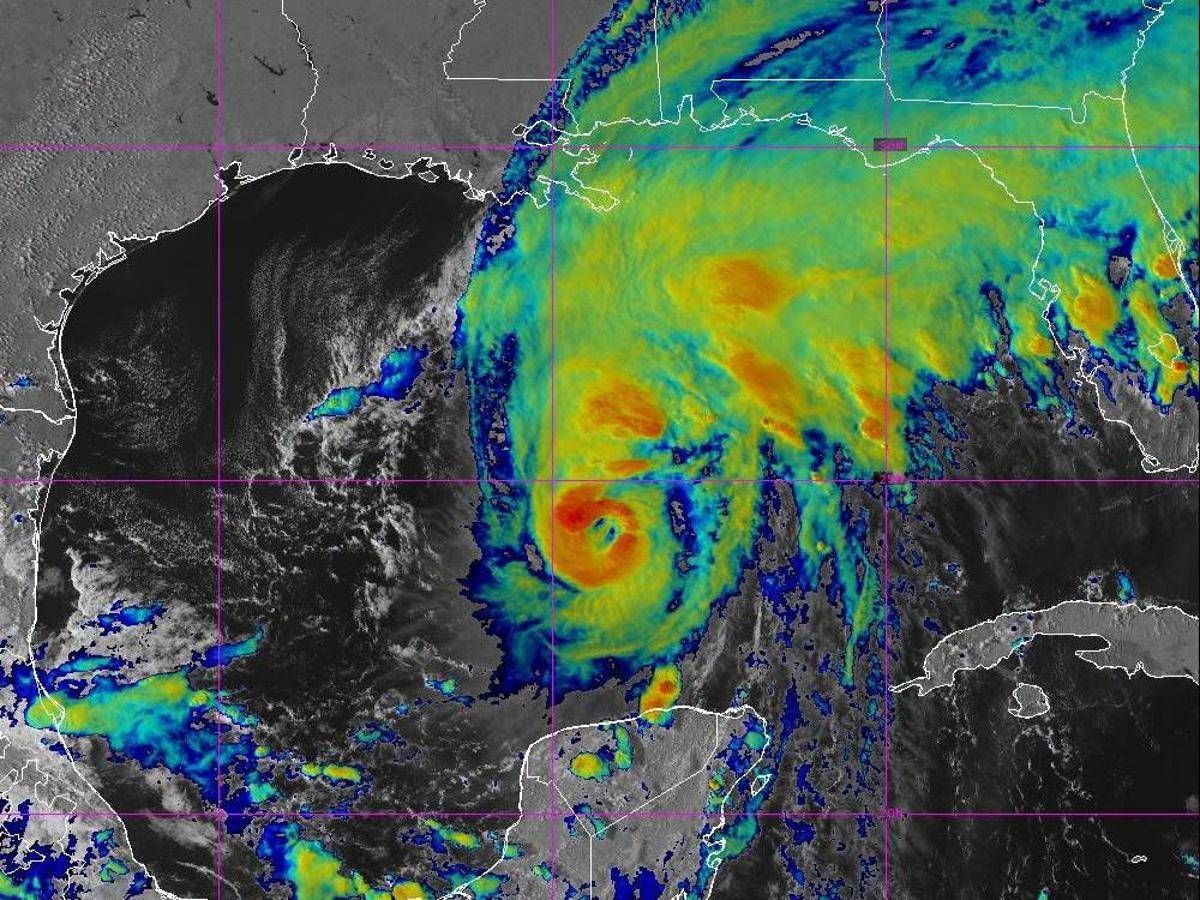
Hurricane Isaias Strengthens as Gulf Coast Braces for Landfall
9 October 2026
Evacuation orders are in effect in parts of the Southeast, with storm surge, torrential rain and possible tornadoes threatening coastal...
Read More
Naza: How a Gaza War Documentary Became a Global Political Flashpoint
9 October 2026
The documentary has grossed nearly €4 million in Italy, drawing fierce criticism from Netanyahu’s government and renewed scrutiny of the...
Read More

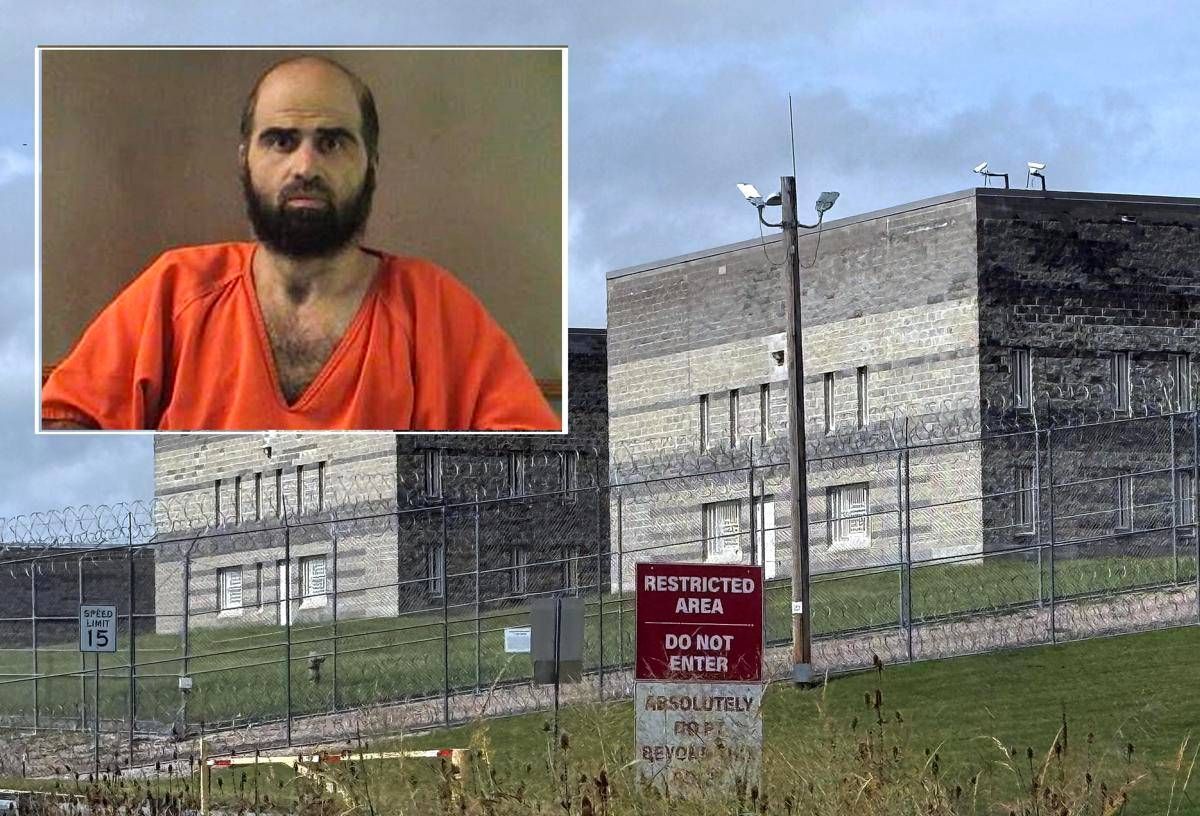
U.S. to Broadcast Nidal Hasan’s Firing-Squad Execution Live
9 October 2026
The Fort Hood mass shooter is scheduled to be executed on December 3. Defense Secretary Pete Hegseth says the public...
Read More
(Photo: © AndKronos)