
Senior Yemeni analyst says the confrontation between the Houthis and Saudi Arabia is likely to endure, with Washington facing growing...
Read More
International-News
Maged al-Madhaji Warns Yemen Conflict Will Become More Painful
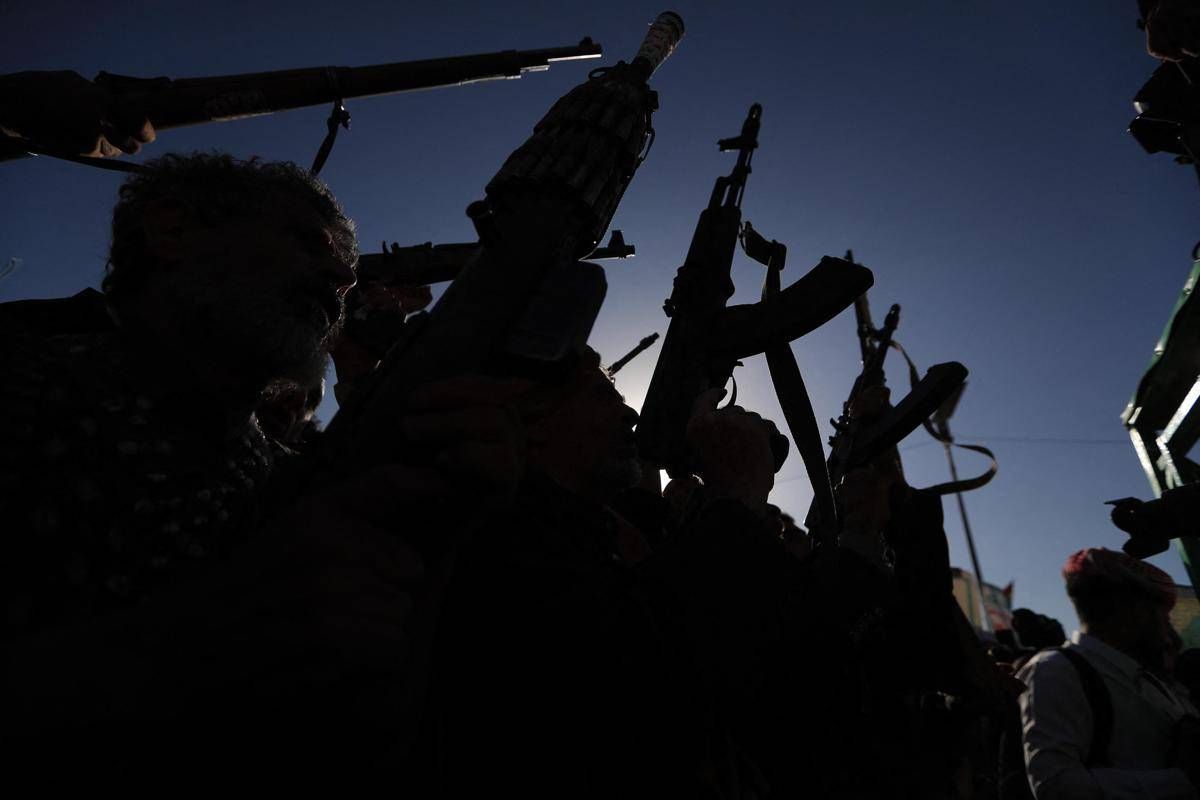
Senior Yemeni analyst says the confrontation between the Houthis and Saudi Arabia is likely to endure, with Washington facing growing pressure to play a larger role as regional tensions deepen
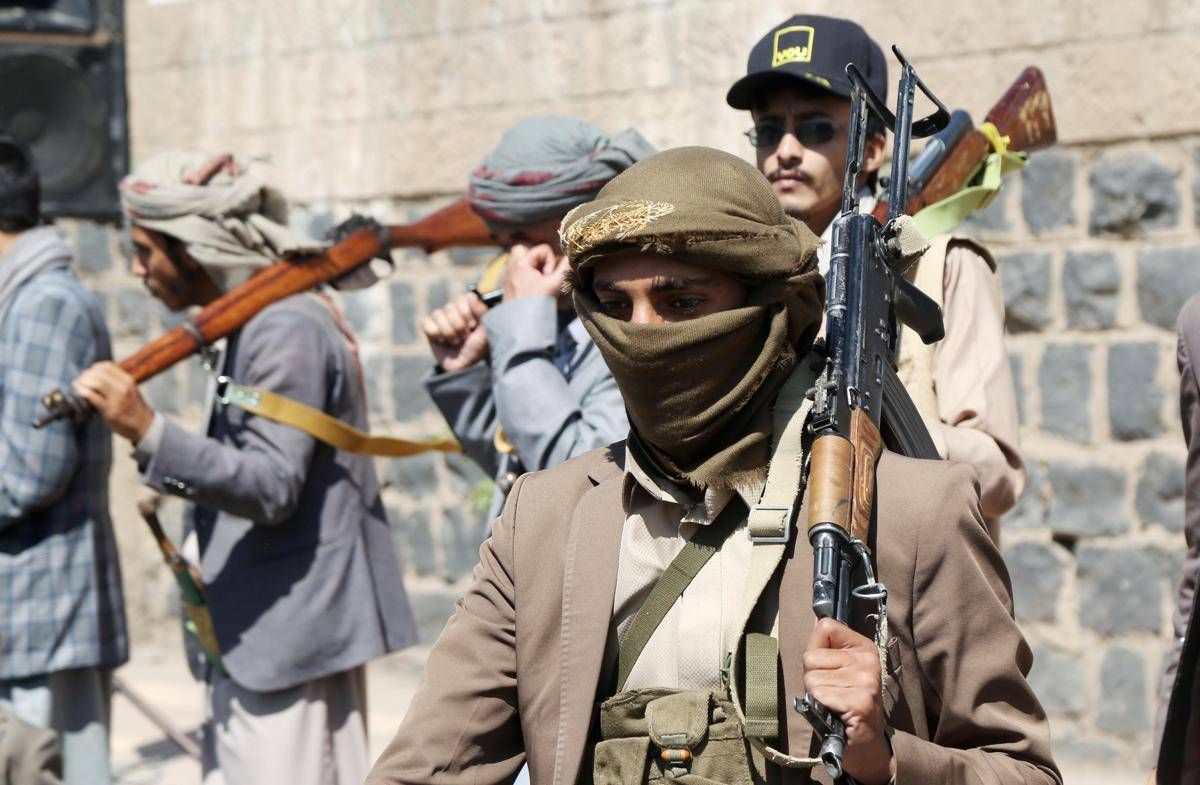
The confrontation between the Houthis and Saudi Arabia is entering a phase that is likely to be lengthy, costly and increasingly difficult for all sides, according to Maged al-Madhaji, a prominent Yemeni analyst and president of the Sana’a Center for Strategic Studies.
In an interview with Adnkronos, al-Madhaji argued that the escalation in Yemen and the mounting attacks against the Gulf kingdom can no longer be viewed as an isolated conflict. Instead, they have become part of a broader regional crisis whose consequences could eventually draw the United States into a deeper role.
“I expect this confrontation to be prolonged and increasingly painful,” al-Madhaji said. “Its intensity may fluctuate, but temporary pauses should not be mistaken for the end of the conflict.”
At the center of the struggle, he said, is a contest over both political leverage inside Yemen and Saudi Arabia’s security posture. The Houthis are seeking gains substantial enough to reshape the balance of power in Yemen while also altering Riyadh’s security calculations. Saudi Arabia, meanwhile, faces its own strategic constraints.
“Riyadh cannot accept a situation in which the Houthis publicly humiliate it and demonstrate that they can impose costs without facing a tough response,” al-Madhaji noted. Because deterrence and credibility are now at stake, he believes a swift and lasting de-escalation remains unlikely.
The pace of Houthi operations, al-Madhaji explained, is driven largely by tactical considerations. Their broader objective is to weaken what remains of the opposing camp while tightening their grip on Yemen’s most strategic territory. Within that framework, the city of Taiz and the surrounding mountain regions have become especially significant.
Greater control over that area, he said, could enable the Houthis to threaten Aden, the main stronghold of government forces, and potentially move against the city itself.
“That would represent a decisive shift in the balance of power,” al-Madhaji said.
A weaker domestic opposition would allow the Houthis to redirect more resources toward confrontation with Saudi Arabia. The recent intensification of attacks against the kingdom, he argued, is designed to raise the cost of Riyadh’s support for the Houthis’ adversaries and encourage Saudi leaders to scale back that backing.
Looking ahead to the Saudi response following Saturday’s massacre at Riyadh airport, al-Madhaji expects the kingdom to seek what he described as a “significant military cost” for the Houthis while simultaneously keeping diplomatic options alive.
“Those channels never completely close,” he said.
Even so, he believes Saudi Arabia has limited room to pursue negotiations before demonstrating that it can respond effectively. In Riyadh’s calculations, military retaliation is not an alternative to diplomacy but a means of creating the conditions necessary for future diplomatic efforts. Attempting to rely exclusively on negotiations before restoring at least part of its deterrent credibility would be far more difficult, he added.
Al-Madhaji also anticipates broader American involvement, although he stopped short of predicting a direct U.S. military intervention.
“I expect greater American involvement in some form,” he said, while stressing that direct military engagement remains far from certain.
In his assessment, developments in Yemen cannot be separated from the wider confrontation involving Iran. Even if Washington prefers to focus its attention on the Islamic Republic, the Yemeni theater is becoming increasingly relevant to U.S. interests because of its impact on regional security and global energy markets.
Questions surrounding alliance credibility may further shape American decision-making. Saudi Arabia remains a key U.S. partner, al-Madhaji said, and a perception that Washington is unwilling to support the kingdom during a prolonged campaign of attacks could resonate far beyond the Gulf.
“Saudi Arabia is an important partner of the United States,” he said. “If Washington appeared reluctant to support it while it is under sustained attack, other allies facing serious threats would draw their own conclusions about the reliability of American commitments.”
For that reason, al-Madhaji expects mounting pressure on President Donald Trump and the U.S. national security establishment to adopt a more active role in the near future. The primary uncertainty, he argued, concerns the form and scale of that involvement rather than whether Washington can remain untouched by the consequences of the current escalation.
THE LATEST NEWS
Susan Sarandon Slams Livestreamed Nidal Malik Hasan Execution
13 October 2026
Speaking at Alice nella Città in Rome, the Academy Award-winning actress condemned the Trump administration’s decision to broadcast the execution...
Read More

RJ Mitte Dead at 34: Breaking Bad Actor and Disability Advocate Dies in Texas
13 October 2026
The performer who brought Walter White Jr. to life on one of television's most acclaimed dramas leaves behind a career...
Read More

Prince Harry and Meghan Christmas Plans Depend on Doria Ragland
12 October 2026
The Sussexes are unlikely to join the royal family at Sandringham for Christmas, with a friend describing a reunion as...
Read More

NATO Will ‘Destroy’ Any Force That Attacks the Alliance, Commander Warns
12 October 2026
In a stark address in Warsaw, NATO's top military commander coupled a forceful deterrence message to potential adversaries with an...
Read More
European Intelligence Warns of Russian Threats Against Defense Executives
11 October 2026
Financial Times report cites officials from five intelligence agencies as concerns grow over Moscow's expanding hybrid warfare campaign linked to...
Read More

(Photo: © AndKronos)












You must be logged in to post a comment Login